

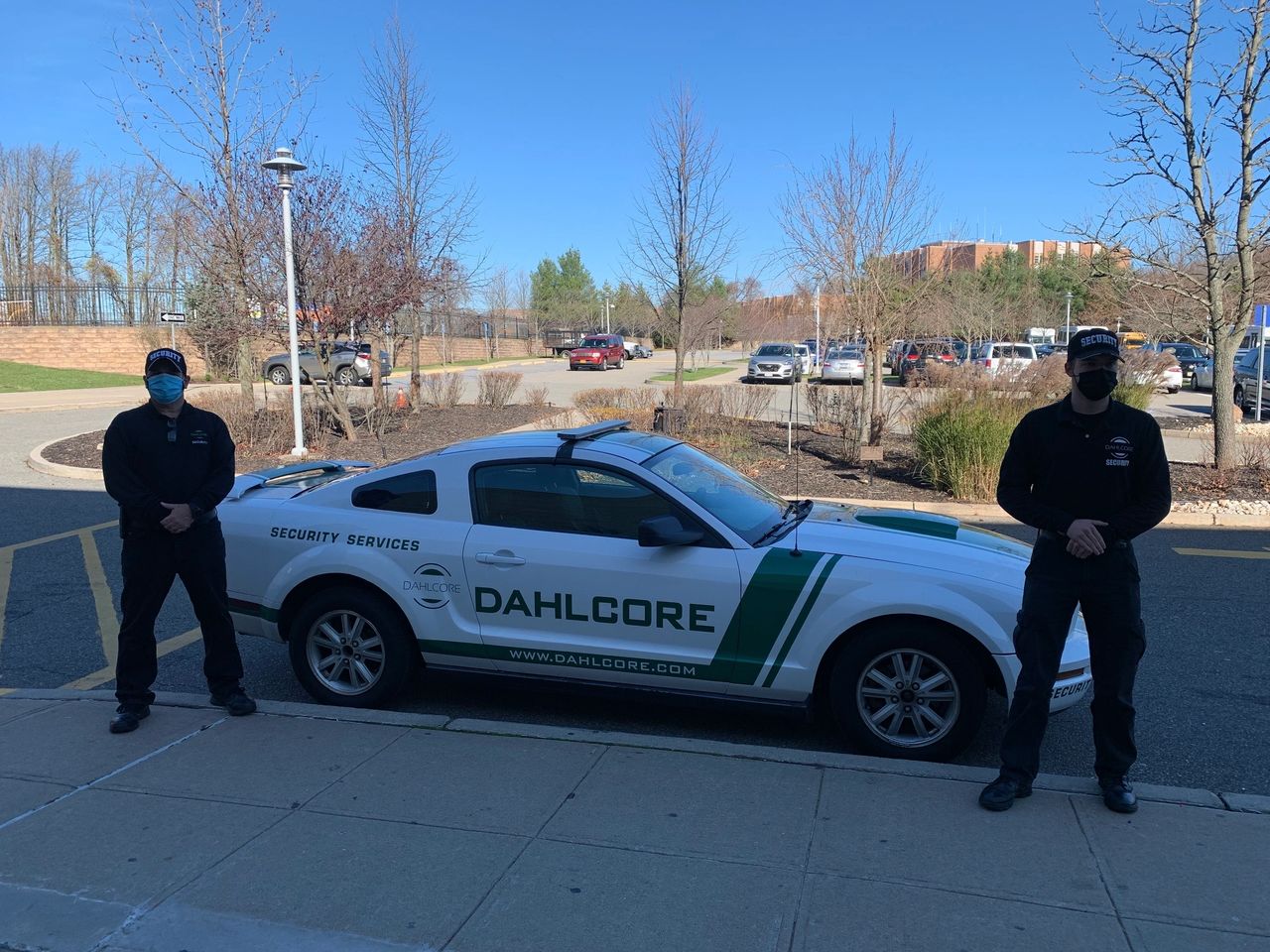
Security operations in New York depend on meticulous documentation. Whether you’re protecting a Class A office tower in Midtown Manhattan, a residential high‑rise in Queens, or a warehouse facility in Brooklyn, the Daily Activity Report (DAR) is the backbone of professional security management. These reports don’t just record what happened—they provide critical evidence, ensure accountability, and create a roadmap for continuous improvement across busy New York sites.
In 2026, security documentation in New York has evolved beyond simple paper logs. While the fundamentals remain the same, modern technology, higher client expectations, and state‑level requirements have transformed how security professionals approach daily reporting. This guide explores everything you need to know about creating comprehensive Daily Activity Reports for security in New York, from patrol logs and shift handovers to audit‑ready documentation aligned with New York State expectations.
What Is a Security Daily Activity Report in New York?
A Security Daily Activity Report in New York is a detailed document that records all security‑related activities, observations, incidents, and operations during a specific shift or 24‑hour period at a site such as an NYC office building, retail store, residential tower, or industrial property. It functions like a daily journal that captures the pulse of your security operations, giving management clear visibility into what’s happening on the ground at New York locations. For a practical Security Guard Daily Activity Report Sample & Writing Guide (NY), you can review a step‑by‑step example tailored to New York sites.
These reports serve several audiences at once. Supervisors use them to measure performance and verify that guards followed post orders. Property managers and building owners rely on them to understand risk and justify security budgets. Legal teams and insurers may review them when incidents in New York lead to claims or disputes. Law enforcement can also reference DARs when reconstructing timelines or corroborating statements.
A strong Daily Activity Report for security in New York usually includes:
- Shift information (date, times, officer name and ID, site address, borough)
- Routine patrol activities and inspection results
- Incident reports with detailed, factual descriptions
- Visitor and contractor logs
- Security equipment status and checks
- Observations of suspicious behavior or safety hazards
- Actions taken and their outcomes
- Communication logs with supervisors or emergency services
The Daily Activity Report isn’t just paperwork. For New York security guard companies and in‑house teams, it’s a professional record that shows exactly how a shift was handled and what value was delivered.
Why Daily Activity Reports Matter in Security Operations
Daily Activity Reports matter because they protect people, property, and the security provider itself—especially in a demanding environment like New York.
Legal protection and evidence: When an incident happens in a New York building, a detailed DAR becomes one of the most important pieces of evidence. It can support or challenge claims about what guards did, when they responded, and how they handled a situation. Reports written at or near the time of events are far more reliable than memory weeks or months later.
Operational accountability: DARs create a clear record of guard activity. When officers know that patrols, checks, and responses must be documented and can be audited at any time, they’re more likely to follow post orders consistently. Supervisors can spot gaps, coach officers, and recognize strong performance, which is vital for retaining good staff.
Pattern recognition and prevention: By looking across many Daily Activity Reports from New York sites, patterns start to appear. You might notice repeated trespassing at a rear entrance in the Bronx, recurring vandalism in a Brooklyn parking lot, or frequent after‑hours access requests at a Manhattan office. These insights help you adjust patrol routes, schedule more coverage, or work with the client on environmental changes like lighting or signage.
Communication and continuity: Security teams in New York often work 24/7. DARs make sure important information is passed from one shift to the next so nothing slips through the cracks. The night shift can see what the day shift observed. Weekend officers can pick up on open issues from Friday. Without solid Daily Activity Reports, the operation “forgets,” and risk creeps back in.
Essential Components of a Security Daily Activity Report
To be useful, a Daily Activity Report for security in New York needs a clear structure and certain core elements. The exact layout can change, but these pieces should almost always be present.
Header information
Start with key identifiers:
- Date and shift (for example, “February 16, 2026 – 1500–2300”)
- Officer name, ID, and company
- Client name and site address (including borough, like Manhattan or Queens)
- Post or position (lobby, loading dock, mobile patrol, etc.)
This makes it easy to tie the report to the right location, time, and person.
Shift summary: Add a short overview of the shift. Mention the overall conditions, any major events, and whether the shift was generally quiet or active. In New York, it can help to note things like severe weather, road closures, large events nearby, or protests that might influence risk.
Patrol activities
Document all patrols conducted, including:
- Time started and finished
- Areas covered (floors, zones, exterior, parking, roof, etc.)
- Any findings, even if they’re “all clear.”
Specific patrol logs prove that guards were present and doing their rounds, not just sitting at a desk.
Incident reports: Whenever an incident occurs, it should have a dedicated, detailed entry inside or attached to the DAR. This should explain what happened, when, where, who was involved, and how it was handled. Medical calls, fights, thefts, alarms, trespassing, and serious policy violations all fall into this bucket.
Observations: Not everything is a full incident. You might see suspicious loitering, a door that doesn’t latch, vehicles parked oddly, or minor safety hazards. Logging these smaller observations helps catch issues early and can connect the dots if something bigger happens later.
Access control logs
If you manage access, you should record:
- Visitors and guests
- Contractors and vendors
- After‑hours employees
- Delivery personnel
Include names, times, reasons for entry, areas visited, and whether they had an escort.
Equipment checks: Many New York sites depend on CCTV, access control, intercoms, alarms, and radios. Use the Daily Activity Report to show that critical equipment was checked, whether it was working, and what you did if it wasn’t.
When all of these elements are present, anyone reviewing the DAR can quickly understand how the shift went and whether security obligations were met.
Patrol Logs: Documenting Security Rounds
Patrol logs are the backbone of the Daily Activity Report. They show that guards weren’t just present—they were actively securing the property.
In a New York context, patrols might include:
- Lobby and elevator lobbies
- Stairwells and emergency exits
- Parking garages and loading docks
- Rooftop access points
- Perimeter sidewalks and alleys
- Mechanical rooms and IT closets
Each patrol entry should answer:
- When the patrol took place
- Which areas were covered
- What the officer found
- What actions were taken
For example:
“21:05–21:22 – Interior patrol of floors 15–20, Midtown office tower. Checked all stairwell doors, mechanical rooms, and tenant corridors. All doors secured, no unauthorized persons observed. Noted flickering light in stairwell between 18 and 19; reported to building engineering via radio.”
This kind of entry works well for both the client and any outside reviewer.
Security companies serving New York often use guard tour systems with NFC, QR, or GPS checkpoints to verify that patrols were completed. The more clearly you connect those checkpoint scans to your written patrol logs, the stronger your documentation becomes.

Writing Effective Patrol Log Entries
Writing effective patrol logs is about clarity, detail, and objectivity. Good entries can stand on their own without the officer needing to explain them later.
Here are some practical tips:
- Be specific: Name the exact door, floor, or area rather than using vague terms like “upstairs” or “back.”
- Use time stamps: Include precise start and end times for each patrol.
- Use neutral language: Avoid slang, jokes, or emotional wording. Stick to facts.
- Capture both issues and “all clear” checks: Proving that nothing was wrong is just as important as proving you found something.
- Avoid assumptions: Don’t label someone a “thief” or “drunk” unless you’re quoting a source. Describe what you saw and heard instead.
A strong patrol entry should tell a short, complete story: where you went, what you saw, what you did, and how it ended. When done consistently, these entries make your Daily Activity Report much more valuable.
Incident Reporting Within Daily Activity Reports
Incident reporting is a part of the DAR that gets the most scrutiny when something serious happens. In New York, where buildings are busy and liability can be high, incident documentation has to be thorough and clear.
Types of incidents you might document include:
- Theft or suspected theft
- Vandalism and graffiti
- Disturbances and fights
- Unauthorized access or tailgating
- Medical emergencies
- Fire alarms and evacuations
- Harassment complaints
- Property damage incidents (for example, vehicles hitting structures)
For more detail on structure and phrasing, see our Security Incident Report Writing: What to Include guide with realistic examples guards can follow.
A solid incident entry should include:
- Exact date and time you noticed the incident
- Exact location (building, floor, room, or area)
- Who was involved (names if known, physical descriptions if not)
- What you observed, in chronological order
- What actions did you take (calling 911, notifying supervisor, separating parties, etc)
- Which external agencies responded (NYPD, FDNY, EMS)
- Any follow‑up steps (filling out additional forms, securing evidence, preserving CCTV)
Clear DAR entries also support Your Responsibilities When Responding to Emergency Situations, especially when timelines and decisions are reviewed later.
The goal is to create a factual, time‑ordered record that anyone can follow—even if they weren’t there.
Shift Handover Procedures and Best Practices
Shift handovers are a weak point in many operations, but they’re especially important for 24/7 New York properties like hotels, mixed‑use towers, and large residential complexes.
A good handover makes sure the incoming guard knows:
- What happened during the previous shift
- What’s still in progress
- What needs special attention
- Any changes to normal conditions (broken doors, ongoing construction, tenant issues)
Best practices include:
- Building in overlap time between shifts (for example, 15–30 minutes)
- Using a simple written handover note or digital form tied to the DAR
- Doing a quick verbal briefing, ideally walking the site together if time allows
- Handing over keys, radios, pass‑on logs, and any special equipment
The outgoing guard should highlight anything that would surprise the incoming guard if they weren’t told ahead of time. That’s often where risk hides.
What to Include in a Shift Handover Report
A shift handover report doesn’t need to be long, but it needs to be complete. Think of it as a snapshot of what the incoming guard needs to know right now.
Key elements include:
- Current security status (“All systems normal” or any outstanding alarms or issues)
- Significant events from the last shift (incidents, near‑misses, important visits)
- Ongoing situations (contractors still working, repairs in progress, residents who may call back)
- Pending tasks (scheduled patrols, checks, or follow‑ups that must be completed)
- Visitors or contractors still on site (who they are, where they are, and when they should leave)
- Equipment issues (cameras offline, doors not closing properly, radios with low battery)
The best handover reports are short, easy to scan, and updated every shift, so there’s always a clear trail of what was passed forward.
Security Audit Trails and Compliance
Federal guidance like CISA’s Cybersecurity and Physical Security Convergence Action Guide highlights why aligning physical patrols, incident reporting, and digital systems is critical for modern risk management. Daily Activity Reports also function as audit trails that show security is being managed in a structured, professional way. This matters both to clients and, in some cases, to regulators or insurers.
For security operations in New York, audit‑ready DARs help demonstrate:
- Guards are following post orders and patrol schedules.
- Incidents are investigated and logged.
- Building rules and policies are being enforced.
- Issues with equipment or infrastructure are being reported consistently.
- Management can see trends and adjust resources.
An audit trail is only as strong as its weakest link. That’s why consistency is so important—every DAR should meet the same minimum standard, no matter who wrote it or how “quiet” the shift felt.
Digital vs. Paper-Based Daily Activity Reports
New York security companies use both paper and digital Daily Activity Reports, but the trend is strongly toward digital, especially for multi‑site and multi‑tenant portfolios.
Paper-based DARs
- Pros: Simple, low‑tech, works during power or network outages.
- Cons: Harder to search, easy to lose, difficult to share or back up, handwriting can be unclear, and time stamps are easier to dispute.
Digital DARs
- Pros: Easy to search and filter, can be backed up automatically, supports photos and videos, often include GPS and time‑stamping, and can send real‑time alerts to managers.
- Cons: Require devices, training, and a bit of change management.
For New York operations, digital systems often provide a better fit because they handle high volume, many sites, and demanding clients who want fast access to reports. Even if some posts still use paper as a backup, having a digital system as the primary source of truth usually pays off.
Common Mistakes in Security Daily Activity Reports
Some mistakes show up over and over in Daily Activity Reports, even with experienced guards. Avoiding them will instantly improve the quality of your documentation.
Common issues include
- Vague entries like “did patrol” instead of describing where and what was found
- Missing or incorrect times
- Skipping “all clear” notes, which makes it look like checks were never done
- Using emotional or biased language about people involved
- Waiting until the end of the shift to write everything from memory
- Leaving out follow‑up actions or who was notified
By watching for these traps and correcting them, you make each DAR more reliable and more useful for everyone who depends on it. This ties into broader guard accountability topics like Understanding the Consequences of Abandonment of Post, where documentation often becomes a key piece of evidence.
Legal and Regulatory Considerations in New York
In New York, Daily Activity Reports also sit against a backdrop of licensing and regulatory expectations for security guards and guard companies.
New York law requires guards to be properly trained and registered, and companies are expected to supervise guards and maintain professional standards. Security guard training requirements under New York State law are outlined by the New York State Department of State Division of Licensing Services. While the law doesn’t dictate an exact DAR template, clear, honest, and timely reporting is part of showing that the employer is taking its responsibilities seriously.
Key points to keep in mind:
- DARs may be requested or reviewed if there’s a complaint or investigation.
- Poorly kept reports can damage credibility and increase risk.
- Well‑kept reports can show that guards did what they were supposed to do, even when outcomes weren’t perfect.
- Reports should be stored securely for a reasonable period and only shared with those who need to see them.
Treat every Daily Activity Report as if it could be read later in a meeting room or courtroom. That mindset usually leads to stronger, more professional entries.
Modern Software Solutions for Security Reporting
To make DARs easier to write, store, and analyze, many security providers use specialized software. These tools are especially helpful in New York, where one company might cover dozens of buildings with many guards.
Common features include:
- Mobile apps for guards to submit reports from the field
- Guard tour verification with GPS, NFC, or QR codes
- Incident reporting with photo and video attachments
- Real‑time alerts to supervisors when serious incidents occur
- Dashboards that show activity by site, shift, or guard
- Exportable reports for clients or internal audits
When choosing a platform, New York security teams usually look for strong mobile support, reliability, easy training, and the ability to handle complex site structures (multiple entrances, zones, and post orders per building). If you are evaluating tools, our article on Why Security Providers Need Guard Management Software explains how reporting, guard tours, and incident logs come together in one platform.
Best Practices for Maintaining Daily Activity Reports
Good documentation doesn’t happen by accident—it comes from clear standards and daily habits.
Helpful best practices include:
- Define what “good” looks like: have written guidelines with examples.
- Train all guards on how to write DARs, not just how to patrol.
- Use a consistent format so supervisors and clients know where to find information.
- Encourage real‑time or near‑real‑time entries instead of end‑of‑shift summaries.
- Have supervisors review reports regularly and give concrete feedback.
- Update post orders and DAR expectations when sites or risks change.
Over time, these practices create a culture where detailed, accurate DARs are just part of how the team works.
Frequently Asked Questions
What should be included in a security Daily Activity Report in New York?
A security Daily Activity Report in New York should include full shift details, clear patrol logs with times and locations, detailed incident entries, visitor and contractor logs, equipment checks, and notes on anything unusual. It should make it easy for someone who wasn’t there to understand what happened during that shift at that specific site.
How often should security patrol logs be completed in New York properties?
Patrol logs should be completed every time a patrol is performed. In practice, that usually means documenting each scheduled patrol round in real time or immediately afterward. High‑traffic or high‑risk New York properties might require more frequent patrols than quieter locations.
What makes an effective security shift handover in New York?
An effective shift handover in New York combines a short written handover report with a brief face‑to‑face conversation. The outgoing guard should highlight major events, ongoing issues, pending tasks, visitors or contractors still on site, and any equipment problems so the incoming guard can start their shift fully informed.
Why are Daily Activity Reports important for security audits in New York?
Daily Activity Reports create a traceable record of what guards did and how they handled situations. During audits, client reviews, or internal checks, these reports show whether patrols were completed, incidents were documented, and site procedures were followed. They’re often the main way to prove that a security program is being carried out as promised.
Should New York security officers use digital or paper Daily Activity Reports?
Most modern New York operations prefer digital Daily Activity Reports because they’re easier to manage, search, and share. Digital systems support photos, videos, GPS verification, and automatic time‑stamping, which strengthen documentation. Paper can still be useful as a backup or at very small sites, but it’s harder to scale.
What are common mistakes to avoid in New York security patrol logs?
Common mistakes include writing vague entries, skipping time stamps, relying on memory instead of logging in real time, adding opinions instead of facts, and forgetting to record “all clear” findings. Avoiding these mistakes makes your patrol logs far more credible and helpful if they’re ever reviewed closely.
Explore our other blog posts here
Post Orders for Building Security Guards: What to Include
Building Emergency Action Plan (EAP) in New York: Roles & Drills
Fire & Life Safety Systems in Buildings: Components and Roles
