


Understanding Concert Security
Concerts are not just about music and lights; they’re about ensuring a safe environment for everyone. The Importance of Concert Security cannot be overstated. A good security team keeps potential threats at bay, provides smooth entry and exit, and helps maintain the reputation of the concert organizers.
However, there are Major Concerns at Concerts that security personnel must address—these range from crowd surges and unruly attendees to potential external threats.
Roles and Responsibilities
Every concert security member has defined roles. Patrolling the Venue ensures there are no blind spots or unattended areas. This is vital for preventing potential disruptions or hazards.
Access Control involves managing ticket checks and keeping unwanted entities out, ensuring only those with proper authorization can enter.
Meanwhile, Crowd Control is crucial, especially during peak moments when the crowd’s energy is palpable.
Equipment Essentials
Being equipped with the right tools is crucial. Radios and Earpieces ensure seamless communication between team members. Reflective Vests provide the security team with visibility, and Flashlights are indispensable, especially for night concerts or dimly lit areas.
Effective Communication
Good security isn’t just about muscle; it’s about tact. Communicating with Event Organizers ensures you’re aligned with the event’s flow. Meanwhile, Interacting politely yet firmly with Attendees can prevent minor misunderstandings from escalating.
Dealing with Difficult Situations
The real test of a security person’s mettle is how they deal with challenging situations. Handling Intoxicated Attendees requires patience. Responding to Medical Emergencies calls for quick action, ensuring the affected individual receives care swiftly.
Training and Certification
The security landscape is evolving, making the Importance of Ongoing Training paramount. Additionally, having Relevant Security Certifications adds to your credibility and equips you with the knowledge to tackle various scenarios.
Team Coordination
Security is a team effort. Working in Teams ensures all areas are covered. Coordinating with Other Security Personnel guarantees that there are no communication gaps.
Liaising with Law Enforcement
While concert security personnel are the first line of defense, Coordinating with Local Police provides an extra layer of safety. And, if you notice anything out of the ordinary, Reporting Suspicious Activities becomes crucial.
Post-Concert Responsibilities
After the music ends, the job isn’t over. Evaluating Security Measures helps in understanding what went well and what needs improvement. A Debriefing with the Team ensures everyone is on the same page.
Staying Updated with Latest Trends
The world is dynamic, and so are security challenges. Adapting to New Security Challenges is vital, and Attending Security Seminars keeps you abreast of the latest techniques and trends.
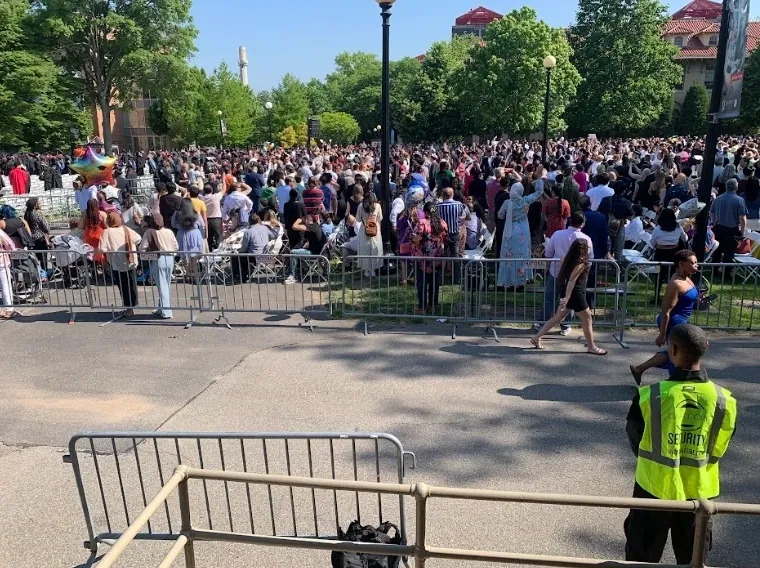
How to do an excellent job as a security person at a concert
Understanding The Qualities of an Effective Security Guard is crucial to excel truly. It’s not just about being alert but also about being approachable. Building Trust with Attendees ensures they see you as a friend, not a foe. Ultimately, Ensuring Safety without Intrusion is the mark of a true professional.
Maintaining Professionalism Under Pressure
The concert environment can be electric, filled with soaring emotions and unpredictable situations. In such a setting, maintaining professionalism is essential. It’s not just about doing the job but with grace and integrity. As a security person, you’ll encounter diverse individuals, some respectful and some challenging. In all scenarios, your demeanor and approach set the tone.
Understanding Attendee Psychology
It’s beneficial to grasp why attendees behave the way they do. Concerts can be highly emotional, with fans deeply connected to the artist or the music. Recognizing this can help security personnel empathize and manage situations better. For example, a fan sobbing at a ballad isn’t a security threat but rather someone overwhelmed by the moment.
Cultural Sensitivity and Inclusivity
In today’s globalized world, concerts often attract a diverse crowd. Being culturally sensitive ensures you treat everyone respectfully, regardless of their background. It also means recognizing and accommodating individuals with disabilities, ensuring they enjoy the concert as much as anyone else.
Leveraging Technology
The modern security person is equipped with more than just physical tools but also technological ones. Surveillance cameras, facial recognition software, and advanced communication tools can significantly aid in ensuring a secure environment. Embracing technology can make the job both more accessible and more efficient.
Adapting to Different Concert Genres
Not all concerts are the same. The security needs for a rock concert differ from those for a classical music event. Understanding the audience’s demographics, the energy of the music, and the overall vibe helps to tailor security measures accordingly.
Preventing Burnout
Being on high alert for extended periods can be mentally and physically taxing. Recognizing the signs of burnout and taking measures to prevent it is essential. Regular breaks, proper nutrition, and staying hydrated are just a few ways to ensure you remain at the top of your game.
FAQs
What are the primary concerns for concert security?
From potential threats to crowd management, security personnel face many challenges during a concert.
How vital is communication in concert security?
It’s paramount. Effective communication can prevent misunderstandings and ensure a seamless concert experience.
What equipment is indispensable for concert security?
Radios, reflective vests, and flashlights are among the must-haves for concert security personnel.
Is ongoing training necessary for concert security?
Absolutely! The world is evolving, and so are security challenges. Continuous training ensures you’re prepared for any situation.
How do security personnel coordinate with law enforcement?
Through regular communication and reporting, concert security teams liaise with local police to ensure a comprehensive security net.
Why is post-concert debriefing essential?
It helps understand the event’s security dynamics, ensuring improvements for future concerts.
Conclusion
Reflecting on the role of concert security, it’s evident that being a security person at a concert is not just about physical presence. It’s about vigilance, tact, and continuous learning. As we Look Ahead, it’s clear that the demand for skilled concert security personnel will only grow, making it a rewarding profession for those up to the challenge.
