

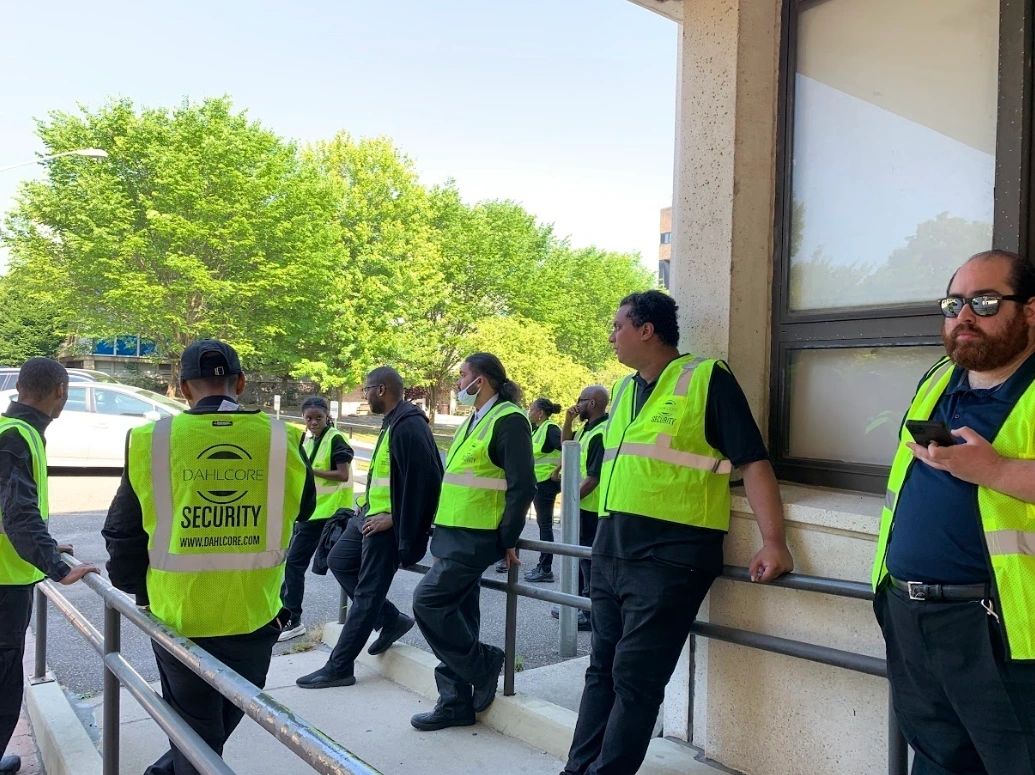
Burglar alarm response in New York is the end‑to‑end process of handling an alarm, from the first signal at a Manhattan office or Brooklyn storefront through guard dispatch and any NYPD involvement. It matters because one sloppy decision can either expose your building to real crime or rack up costly false alarm fines and wasted police time.
Across New York City and the rest of the state, expectations are tightening around how alarms are verified and who pays when they’re false. That puts direct pressure on New York security firms, building managers, and alarm users to maintain clear guard procedures, actively reduce false alarms, and coordinate tightly with central stations and local dispatch. If you operate in NYC’s five boroughs or surrounding counties like Nassau, Westchester, or Rockland, dialing in that response can be the difference between reliable protection and constant headaches.
Understanding Burglar Alarm Response in Modern New York Security Operations
In New York, burglar alarm response usually starts at a central station when a sensor trips at a protected property. The monitoring team instantly sees which account fired—maybe a SoHo boutique, a Queens warehouse, or a Bronx convenience store—along with zone information and any site‑specific instructions.
Their first job is to verify what’s going on, not to panic‑dial NYPD. That means calling listed contacts, checking for multiple zones going off, and using video or audio if those systems are integrated. Because false alarms are such a hot topic in New York, central stations and guard companies can’t afford to be casual here. A disciplined verification step before involving police is quickly becoming the expected standard, not a “nice to have.”
How Burglar Alarm Systems in New York Work With Monitoring Centers and Dispatch
When a New York alarm activates, the panel sends a coded signal (account, zone, event type) over phone lines, IP, or cellular to the monitoring center. On‑screen, the operator sees the location, cross streets, zone descriptions like “rear roll‑up gate,” and any New York–specific notes about chronic false alarms or local requirements.
From there, they follow a decision tree:
- Call listed keyholders or managers.
- Check whether one or several zones are active.
- If available, review short video clips or live feeds.
If the situation looks credible—say, motion inside a closed Midtown office and a forced door detected—the operator notifies the right dispatch. That might be your New York guard company control room, NYPD, or another local police department, or both. With more cities leaning toward verified or prioritized response, these monitoring centers rely heavily on guards to provide eyes‑on confirmation before law enforcement is asked to commit units.
Roles and Responsibilities in a New York Burglar Alarm Response
In New York, every player in the chain has a specific role.
- Property owners and alarm users are responsible for keeping their systems maintained, training staff, and complying with permits or alarm registrations where local rules require them.
- Alarm and monitoring companies must handle signals correctly, keep accurate records, and follow any New York state and local rules when deciding if and when to involve police.
- Security guards—whether mobile patrols covering multiple NYC neighborhoods or dedicated officers at one site—are your on‑the‑ground responders. Their job is to approach carefully, assess honestly, and report clearly.
- Police agencies, including NYPD and suburban departments, increasingly expect verification, especially for standard burglar alarms, so they can focus resources on true emergencies.
When all of those roles are captured in a written response plan for each New York property, there’s far less confusion when sirens go off at 2:30 a.m.
Standard Guard Procedures on Receipt of a Burglar Alarm Signal in New York
When a guard team in New York receives a burglar alarm dispatch, their first move is to confirm the details. They verify the exact address, nearest cross streets, which zone fired (back door, rooftop hatch, loading dock), and any risk notes like “previous burglary last month” or “24/7 staff in basement.”
Only then do they roll out, driving safely but efficiently through city traffic toward the site. While en route, they stay in touch with their control room, sharing ETA and anything unusual they spot—such as police vehicles already staged nearby or suspicious people loitering around the entrance.
On arrival, good practice in New York is to treat the alarm as real but approach methodically. That means checking the area, not just walking straight in, and being especially mindful around busy sidewalks, alleys, or shared entrances that are common across the five boroughs.
On‑site Assessment: Approaching, Observing, and Securing New York Premises
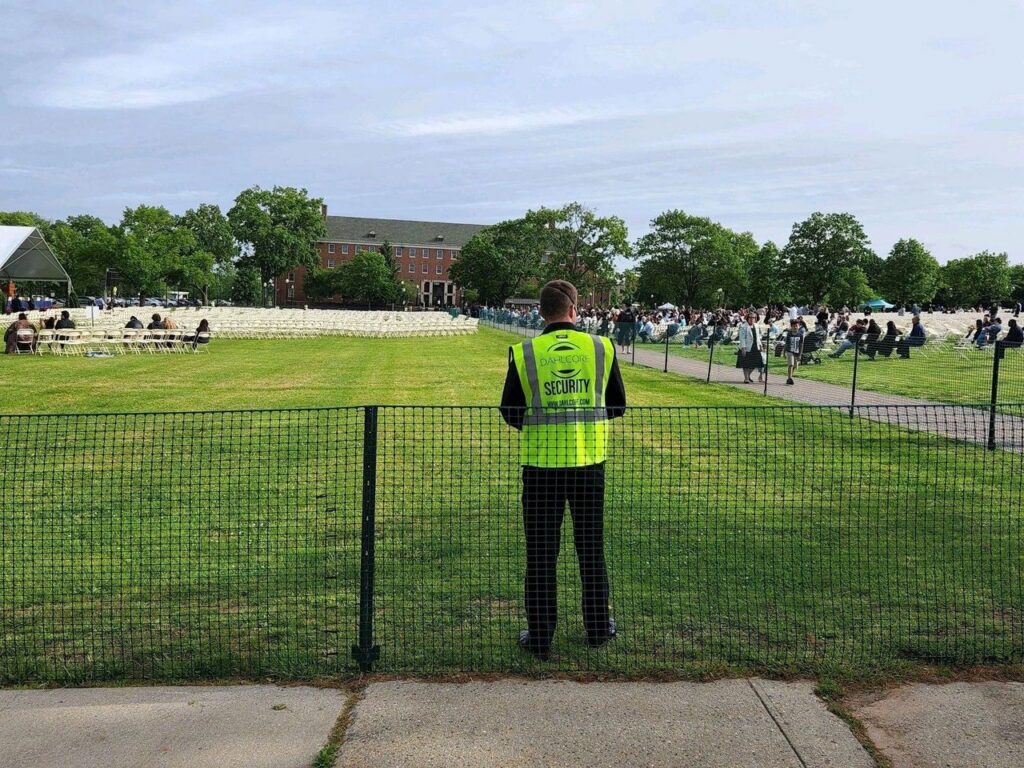
Approaching a New York property after an alarm, guards should park where they can see key access points but still leave room for NYPD or FDNY vehicles and avoid blocking hydrants, bus stops, or crosswalks. From there, they perform an exterior sweep, checking storefront glass, rear doors, roll‑down gates, fire escapes, and side alleys for any sign of tampering.
In mixed‑use buildings—storefronts with apartments overhead, which are common in neighborhoods like Astoria or Park Slope—guards must balance security with respect for residents who may be coming and going. If there’s no visible damage and all accessible points are secure, they confirm the triggering zone with the monitoring center and decide whether an interior check is authorized and safe.
If they find obvious signs of forced entry—a pried gate, smashed door, broken lock—the guard’s priority shifts to safety and preservation. Rather than playing hero, they should back off to a safe vantage point, call for police if they aren’t already on the way, and keep watch without entering alone.
Communication Protocols Between Guards, Control Rooms, and New York Dispatch
In New York’s high‑volume environment, clean communication can make or break a burglar alarm response. Guards should send short, clear updates at each key stage:
- “Dispatched to Flatbush grocery, en route.”
- “Arrived at Queens warehouse, no visible exterior damage, starting perimeter check.”
- “Rear service door appears forced at Midtown office, requesting NYPD.”
Control rooms then relay essential details between the guard, the monitoring center, and, where applicable, NYPD or another local 911 center. Because radio channels and phone lines stay busy, every update should add real information, not noise. When protocols specify exactly what to say and when, teams avoid misunderstandings, even on chaotic nights when multiple alarms hit across the city.
Handling Confirmed Intrusions Versus Suspected False Burglar Alarms in New York
Once guards complete their initial sweep, they need to make a practical call: is this likely a real break‑in, clearly a false alarm, or still unclear?
- Confirmed intrusion: Broken storefront glass on a Manhattan retail strip, a forced rear door at a Brooklyn warehouse, or visible disturbance inside a closed Queens office. Here, guards focus on safety, observation, and communication, not confrontation.
- Suspected false alarm: A staff member locking up late triggers motion, a delivery door not fully latched, or a known “problem sensor” on a busy door. These still get full documentation because, in New York, false alarm history can have financial and legal consequences.
- Uncertain: When something feels “off” but not obvious, the safer move is to treat it as potentially real, hold a secure position, and ask for backup or additional verification.
In all cases, the guard’s report feeds back into both the client’s risk management and how future alarms at that address are handled.
Common Causes of False Burglar Alarms in New York and How to Reduce Them
Most false burglar alarms in New York come down to a few predictable causes.
- Staff mistakes: arming the system while someone is still inside, rushing out of a Manhattan office and leaving a door slightly ajar, or punching in the wrong code.
- Technical issues: worn door contacts on high‑traffic storefronts, misaligned sensors on loading bay doors, or outdated communication modules.
- Environmental triggers: street vibrations from heavy trucks, pets or rodents in warehouse spaces, or wind catching rear doors and scaffolding.
Reducing these is less about magic and more about discipline. New York businesses should regularly train staff on opening and closing procedures, schedule preventive maintenance, and work with their alarm vendor to fix repeat offenders—like that same back door that has triggered five times in a month. Guard companies can help by tracking false alarm patterns across their NYC and NY portfolios and advising clients when it’s time to repair, upgrade, or add smarter verification tech.
New York False Alarm Policies, Fines, and the Verified Response Trend
False alarms are a big enough problem that New York has seen active debate and legislation about who should pay for them. State‑level efforts have pushed back against cities that tried to treat alarm companies as an automatic source of fine revenue, instead aiming to fine providers only when the false alarm is truly their fault, such as a monitoring error or poor installation. Here’s a clear example: false alarm fine schedule in a New York village ordinance.
At the same time, a larger trend across the U.S. is moving toward verified or prioritized responses for burglar alarms. Under these models, police agencies reserve immediate response for alarms that have been confirmed by video, audio, or a person on scene. While each New York jurisdiction may adapt these ideas differently, the practical impact is the same: alarms backed by solid verification get faster, more consistent law‑enforcement attention, while unverified “noise” alarms risk sliding down the priority queue.
For New York property owners and alarm providers, that’s a clear signal to invest in better verification processes now rather than waiting for stricter policies later.
Coordinating with NYPD and Local New York Police on Burglar Alarm Dispatch and Cancellations
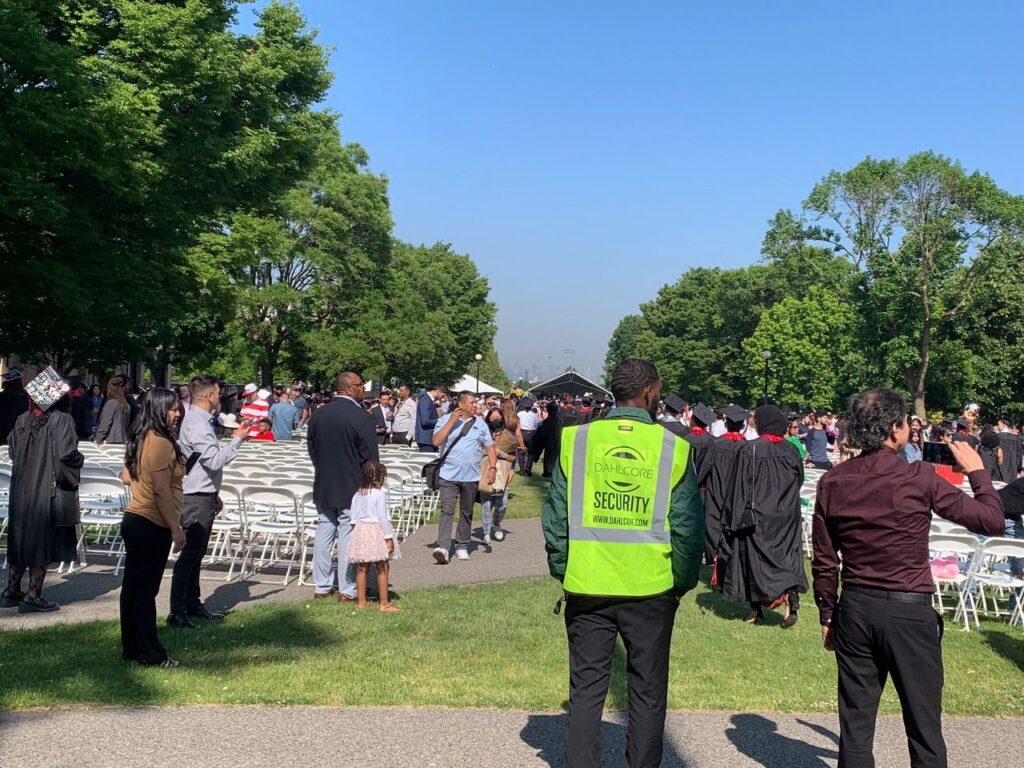
When a burglar alarm at a New York property is verified enough to warrant police involvement, the monitoring center or alarm company typically calls 911 for the correct jurisdiction. They provide the address, cross streets, nature of alarm, and any verification they have, such as “video shows two individuals inside after hours.”
Dispatch then weighs this call against other active incidents. Verified break‑ins and life‑safety threats naturally rank higher than unverified, single‑sensor burglar alarms. This is one reason why giving dispatch the strongest verification you have—guard observations, video, multiple zones—is so important.
Just as critical is the ability to cancel. If a keyholder calls in and admits a mistake, or a guard on scene reports that the site is secure with no damage, alarm providers are expected to notify police quickly so they can cancel or downgrade the response. Prompt cancellations reduce wasted trips, build trust with New York law enforcement, and help avoid aggressive policy changes that could limit future responses.
Documentation, Incident Reporting, and Evidence Handling After a New York Alarm Response
Every burglar alarm response in New York should end with a clear, time‑stamped incident report. That report should include:
- Dispatch time, arrival time, and departure time.
- Zones involved and the apparent cause of the alarm.
- Observations on arrival (doors, windows, interior condition).
- Actions taken (perimeter check, interior check, calls made).
- Final classification: true burglary, attempted, false, or inconclusive.
If the incident turns out to be a real or attempted break‑in, the report should also capture details about damage, suspected entry methods, and any suspects seen or described. Where video footage exists—from a camera over a Staten Island back door or a lobby system in Midtown—guards and clients should preserve it according to company policy and any applicable privacy rules, then share it securely with NYPD if needed.
These reports do double duty. They help with insurance and investigations, but they also feed into your analytics, showing which New York sites or sensors are risk hot spots or false alarm generators.
Training and Drills for Effective Burglar Alarm Response and Guard Safety in New York
Proper burglar alarm response in New York isn’t something guards just “figure out” on their own. They need structured training tailored to NYC and statewide realities. That includes classroom or e‑learning on alarm fundamentals, New York legal considerations, and communication protocols, plus scenario‑based drills in realistic environments—like a multi‑story office in Midtown or a mixed‑use building in Queens.
Drills should walk guards through complete scenarios: receiving the dispatch, driving across the city at night, navigating busy sidewalks, coordinating with a central station, and interacting with NYPD officers on scene. Training also needs to reinforce safety: guards should know how to withdraw, when to call for backup, and how to handle the presence of bystanders filming or asking questions without losing focus on the alarm.
Regular refreshers and incident debriefs ensure that lessons from real New York alarm calls feed back into training, rather than getting lost after the shift ends.
Technology Trends in Burglar Alarm Verification for New York Properties
New York properties are increasingly turning to advanced verification technologies to cut through alarm noise. Video‑verified systems link each alarm to a short clip or live view, so monitoring operators and guards can tell the difference between a cat in a stockroom and an actual intruder crossing a showroom floor.
More sites now use smart analytics that detect human shapes, classify motion, and filter out common false triggers like small animals or swaying signage. For high‑risk or high‑value properties, these systems can send targeted clips to guards’ mobile devices as they respond, giving them a clearer picture before they even step out of the vehicle.
For New York businesses dealing with tight margins and strict rules, this technology offers practical benefits: fewer fines, fewer unnecessary callouts, more focused guard time, and stronger, ready‑made evidence when something does go wrong.
Local Considerations: New York Ordinances, Permits, and Client‑Specific Response Plans
Across New York State, many municipalities already regulate alarm systems and false alarms in some way. Some require alarm permits or registrations; others impose escalating fines for repeat false alarms or reserve the right to suspend police response after a certain threshold.
Because the details vary, New York security providers and clients should document the local rules that apply to each property. That means noting which municipality or borough the site is in, what its alarm ordinance says, and any special requirements about permits, fees, or suspension of service.
Client‑specific response plans should blend those legal requirements with on‑the‑ground realities. For example, a Midtown office tower may need detailed instructions about lobby access and elevator control, while a Brooklyn warehouse might focus more on truck gates, loading docks, and after‑hours staff. The clearer those plans are for each New York site, the smoother every alarm response will run. Smaller municipalities may also require registrations—see alarm registration requirements in New York villages.
How‑to: Building a New York Burglar Alarm Response Procedure for Your Security Team
Building a strong New York burglar alarm response procedure starts with mapping the entire journey from trigger to resolution and assigning clear owners at each step.
A practical approach looks like this:
- Step 1: Map the signal path. Document how signals flow from each New York site’s alarm panel to the monitoring center, then to guard dispatch and, when needed, to local police.
- Step 2: Define responsibilities. Decide who verifies alarms, who authorizes guard dispatch, who can request police, and how keyholders are involved.
- Step 3: Bake in local rules. Layer in any New York or city‑level ordinances, permit requirements, and fine thresholds that affect how quickly you call police or cancel a response.
- Step 4: Standardize communication. Create templates for status updates, verification notes, and cancellation messages so everyone is speaking the same language under pressure.
- Step 5: Train and test. Run drills at representative New York locations—like a Manhattan office floor and a Bronx retail store—to test the procedure, then refine based on what actually happens in the field.
Over time, this becomes a living document that reflects real New York experience rather than a generic alarm manual.
FAQs About Burglar Alarm Response, Guard Procedures, False Alarms, and Dispatch Coordination in New York
How does burglar alarm response work in New York?
In New York, burglar alarm response starts when a central station receives an alarm signal, verifies it by phone, zones, or video, then dispatches guards and, if needed, NYPD or local police. The guard’s on‑scene findings often determine whether police stay fully committed, get canceled, or re‑prioritize the call.
How should guards respond to a burglar alarm dispatch in New York?
Guards in New York should confirm the address and alarm details, travel promptly but safely, perform a cautious exterior check, and only enter when it’s authorized and safe to do so. They should also keep their control room updated with short, clear status reports that can be passed on to monitoring and police.
What are the most common causes of false burglar alarms in New York?
The most common causes of false burglar alarms in New York are user mistakes, aging or poorly maintained hardware, and environmental triggers like traffic vibrations, wind, and animals. Busy city environments and extended business hours can magnify those issues if they aren’t addressed through training and maintenance.
How do New York false alarm fines usually work?
New York municipalities often fine alarm users for repeated false alarms, and ongoing state‑level rules aim to ensure alarm companies are only fined when they’re truly at fault. That makes it important for businesses to track their false alarm history and work with their providers to correct recurring issues.
What is a verified response, and how does it affect New York buildings?
Verified response is a model where police only respond to burglar alarms that have been confirmed by video, audio, or a person on scene, such as a guard or keyholder. While policies vary by jurisdiction, the overall trend means New York buildings with better verification are more likely to get faster, consistent police response when it really counts.
How can New York businesses reduce false burglar alarms?
New York businesses can cut false alarms by training staff on open/close procedures, keeping their equipment in good condition, fixing or upgrading problem sensors, and adding video verification where it makes sense. Reviewing incident reports with their alarm and guard partners helps pinpoint exactly where changes will pay off the fastest.
Do New York police still respond to all burglar alarms?
Many New York and U.S. police agencies no longer treat every unverified burglar alarm as an equal priority because of high false alarm rates. Instead, they focus more on verified or high‑risk signals, which is why having strong guard procedures and verification technology in place is now so important.
Conclusion and Next Steps for Improving Burglar Alarm Response in New York
Burglar alarm response in New York is no longer just about “someone getting there fast.” It’s about having disciplined guard procedures, smarter handling of false alarms, and tight coordination with monitoring centers and NYPD or local police so genuine threats get the right attention and noise gets filtered out.
By clarifying roles, leaning on modern verification tools, and aligning with New York’s evolving ordinances and expectations, businesses can protect their properties while avoiding unnecessary fines and friction with law enforcement. Whether you manage a single Brooklyn storefront or a statewide portfolio, now is the time to tighten your burglar alarm response before the next siren goes off.
Explore our other blog posts here
Hotel Employee Theft in NY: Prevention Controls & Investigations
Airport/Aviation Security Guard: Duties, Qualifications & Careers
Workplace Emergency Action Plan (EAP): What to Include + Roles
