

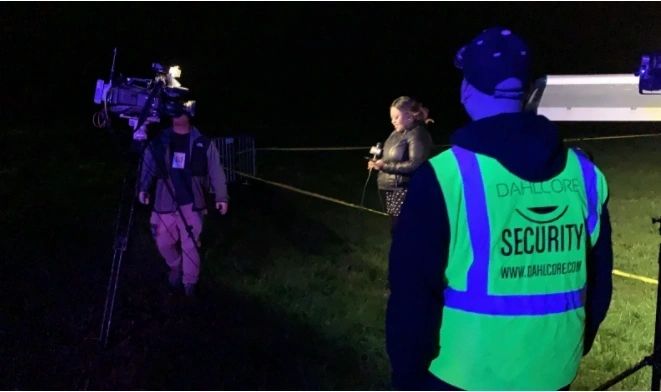
Loss prevention agents play a pivotal role in safeguarding businesses from theft and fraud by utilizing a combination of expertise, cutting-edge technology, and strategic approaches. Their responsibilities extend beyond mere asset protection, encompassing the maintenance of operational integrity and the preservation of customer trust. As the landscape of retail and corporate security evolves, loss prevention agents remain at the forefront, adapting their skills and methodologies to meet emerging challenges and ensure continued success in their field.
What is a Loss Prevention Agent?
Loss prevention agents are dedicated professionals who specialize in thwarting theft and minimizing financial losses in both retail and corporate settings. Through vigilant surveillance and meticulous inventory audits, they safeguard company assets and maintain the integrity of transactions. Their proactive measures not only protect the bottom line but also uphold trust and confidence among stakeholders.
Core Responsibilities
Daily Duties
Loss prevention agents undertake diverse responsibilities that hinge on their employer’s specifications, encompassing tasks like vigilant surveillance system oversight, meticulous security audits, and thorough investigations into potential theft or fraud occurrences. Their duties demand adeptness in utilizing surveillance equipment, proficiency in conducting comprehensive security assessments, and sharp investigative skills to identify and address instances of suspected misconduct effectively. Flexibility and adaptability are paramount traits as they navigate through a dynamic landscape of potential risks and security challenges to safeguard their organization’s assets and interests.
Skills Required
Loss prevention agents who excel in their role demonstrate acute attention to detail, leveraging their sharp observational skills to identify suspicious behavior and potential theft. Their analytical prowess enables them to assess patterns and trends, aiding in the development of strategies to minimize business losses. Moreover, their adeptness in managing confrontational encounters with poise and professionalism ensures the safety of both customers and staff while upholding the integrity of the establishment.
Monitoring Surveillance Systems
Loss Prevention Agents play a crucial role in safeguarding business assets by actively monitoring surveillance systems like CCTV cameras. Through vigilant observation, they can swiftly detect any irregular or suspicious activity transpiring on the premises. Their proactive intervention helps mitigate potential losses and maintain a secure environment for both customers and staff.
Identifying Suspicious Behavior
To excel as agents, individuals must possess a keen ability to discern subtle cues indicative of potential shoplifting, employee theft, or fraudulent actions. Such proficiency demands a sharp eye for deviations from typical behavioral patterns, necessitating a deep understanding of non-verbal signals. By honing these observational skills, agents can effectively safeguard against losses and maintain the integrity of their establishments.

Investigating Incidents of Theft or Fraud
When theft or fraud occurs, Loss Prevention Agents conduct thorough investigations to determine how the incident happened, who is responsible, and how similar events can be prevented in the future. This may involve interviewing witnesses, reviewing surveillance footage, and collaborating with other departments.
Implementing Security Measures
Implementing robust security measures is essential to safeguarding assets and maintaining a secure environment. This entails creating and implementing comprehensive policies for asset protection, ensuring the security of entry and exit points, and carefully managing access to areas containing sensitive information or resources. By diligently enforcing these measures, organizations can mitigate risks and enhance overall security posture.
Collaborating with Law Enforcement
Loss Prevention Agents frequently collaborate with local law enforcement to address criminal activities effectively and lawfully. This partnership enhances the capability to handle incidents, ensuring that offenders are prosecuted as needed. By working closely together, they create a seamless process that maximizes safety and security within their respective jurisdictions.
Skills and Qualifications
Observational Skills
Having strong observational skills is crucial for identifying irregularities and potential security breaches within any environment. Agents need to adeptly monitor numerous situations simultaneously, as threats can manifest in various forms and from unexpected sources. Paying attention to minor details is paramount, as they can often serve as early indicators of more significant security concerns. By honing their observational abilities, agents can effectively safeguard against potential threats and maintain the safety and security of the surroundings they protect.
Communication Skills
Clear and concise communication is essential for conveying security protocols, reporting incidents accurately, and engaging with suspects or law enforcement. Agents must effectively articulate safety procedures to colleagues, ensuring a cohesive understanding within the team. Additionally, they must skillfully communicate with law enforcement, providing precise information to aid in investigations and ensure optimal security measures.
Analytical Skills
Loss Prevention Agents leverage their analytical skills to meticulously evaluate potential risks and discern patterns within security data and trends. By harnessing this capability, they adeptly devise strategies aimed at mitigating losses with greater precision and efficiency. This strategic approach not only safeguards assets but also optimizes resource allocation, fostering a more resilient security framework.

Knowledge of Security Systems and Procedures
Comprehensive familiarity with diverse security systems, including surveillance technologies, alarm systems, and emergency response protocols, is crucial for establishing effective security strategies. Such knowledge enables the identification of vulnerabilities and the implementation of appropriate measures to mitigate potential risks. By leveraging this understanding, organizations can enhance their overall security posture and better safeguard against possible threats.
Ability to Remain Calm Under Pressure
In loss prevention, agents often find themselves in intense situations, such as confronting suspected individuals. Maintaining composure amidst these pressures is crucial, allowing agents to handle such scenarios with professionalism and effectiveness. By staying calm and focused, agents can ensure their safety, their colleagues’, and the premises they’re tasked with protecting.
The Impact of Effective Loss Prevention
Case Studies of Loss Prevention Success
By showcasing tangible instances of strategic loss prevention in action, this segment effectively underscores its efficacy in deterring theft and fraud, culminating in significant financial gains for businesses. Through illuminating case studies and practical demonstrations, the section vividly portrays how proactive measures have curtailed potential losses, thus safeguarding assets and bolstering the bottom line. Ultimately, these real-world illustrations serve as compelling evidence of the invaluable role strategic loss prevention plays in fortifying organizational security and fiscal resilience.
Statistics: Theft Reduction and Profit Growth
Analyzing statistical data reveals the concrete results of implementing successful loss prevention tactics, demonstrating a noticeable decrease in theft incidents. Consequently, businesses witness a marked improvement in their bottom line, as reduced losses directly contribute to enhanced profitability. This data-driven approach highlights the significance of robust loss prevention strategies in safeguarding financial interests and promoting sustainable growth.
Training and Certification for Agents
Available Programs and Courses
For individuals interested in entering the field of loss prevention, there is a wide array of educational programs and professional courses tailored to suit various career paths within the discipline. These programs often cover topics such as retail security, inventory management, risk assessment, and investigative techniques, providing students with the necessary skills and knowledge to prevent losses in diverse settings effectively. Additionally, many institutions offer certifications like Certified Loss Prevention Professional (CLPP) or Certified Forensic Interviewer (CFI), which can enhance one’s credibility and prospects in the field.
Licensing Requirements
To become a recognized loss prevention agent in various regions, individuals typically need to acquire specific licenses and certifications. These requirements can vary depending on the jurisdiction but commonly include certifications in areas such as security management, criminal justice, or loss prevention techniques. Additionally, certain regions may mandate additional licenses, such as those related to carrying firearms or conducting private investigations, to work in the field effectively.

Challenges Faced by Loss Prevention Agents
Handling Difficult Situations
Loss prevention agents encounter numerous challenges in their daily responsibilities. They must navigate situations involving aggressive behavior from individuals attempting theft, requiring a delicate balance of assertiveness and diplomacy to de-escalate tensions. Additionally, these agents grapple with the intricacies of resolving complex theft cases, often requiring keen investigative skills and a deep understanding of legal protocols to ensure justice is served.
Legal and Ethical Considerations
Loss prevention agents operate within a complex web of legal statutes and ethical principles, where the boundaries between lawful intervention and infringement upon individual rights can be murky. They must meticulously balance the imperative of protecting assets with respecting the privacy and dignity of those they monitor or apprehend. Navigating this terrain demands a nuanced understanding of laws governing surveillance, detainment, and use of force, alongside a commitment to upholding ethical standards that prioritize fairness and human rights.
Future of Loss Prevention
Emerging Technologies and Techniques
The integration of AI and machine learning into loss prevention strategies heralds a new era of efficiency and effectiveness. These technologies enable proactive identification of potential risks and threats, allowing for preemptive measures to be taken before losses occur. By harnessing the power of data analysis and predictive algorithms, businesses can optimize their security measures and minimize financial losses.
Industry Trends and Predictions
As retail environments continue to evolve, loss prevention agents are anticipated to increasingly rely on advanced technological tools and data analytics to identify and mitigate potential risks. With the rise of e-commerce and omni-channel retailing, loss prevention agents may shift their focus toward digital security measures to combat online fraud and theft. Additionally, the role is likely to incorporate more proactive approaches, such as predictive analytics, to anticipate and prevent losses before they occur, ultimately adapting to the changing landscape of retail security.

FAQs
What qualifications are needed to become a loss prevention agent?
To become a loss prevention agent, typically, a high school diploma is required, though some employers may prefer or require post-secondary education in criminal justice or a related field. Training is usually provided on the job.
Is experience in law enforcement necessary for a career in loss prevention?
No, experience in law enforcement is not mandatory for becoming a loss prevention agent, but it can be beneficial. Many skills from law enforcement, such as surveillance techniques and understanding legal protocols, are transferable to loss prevention roles.
How do loss prevention agents interact with law enforcement?
Loss prevention agents often collaborate with local law enforcement when incidents exceed the scope of internal handling or when it is necessary to prosecute offenders. This cooperation helps ensure legal compliance and effective resolution of theft cases.
Can technology replace human loss prevention agents?
While technology, such as surveillance cameras and anti-theft systems, plays a crucial role in loss prevention, human agents are essential for decision-making and managing complex situations that technology alone cannot address.
What are the typical hours for a loss prevention agent?
Loss prevention agents may work varying shifts depending on their employer’s business hours, including nights, weekends, and holidays, especially in retail environments where theft is more prevalent during busy times.
How do loss prevention agents minimize risk during confrontations?
Loss prevention agents are trained to use de-escalation techniques and handle confrontations calmly and professionally, minimizing risk to themselves, other staff, and customers during apprehensive situations.
Conclusion
The role of a loss prevention agent is both challenging and indispensable, requiring a unique blend of skills, from keen observational abilities to adeptness at handling high-pressure situations. These professionals not only safeguard tangible assets but also bolster the financial health and security of the businesses they serve. As the retail landscape evolves with advancements in technology, the strategies and tools at the disposal of loss prevention agents will also advance, further enhancing their ability to preempt and manage theft effectively. Ultimately, the human element they bring to loss prevention is irreplaceable, making their role crucial in the ongoing effort to protect business interests and ensure a safe shopping and working environment for everyone.
Check also our Loss Prevention
Explore our other blog posts here
Strategies for Enhancing Security on Commercial Shipping Vessels
10 Reasons We Love Our Work in the Security Industry in New York
