


Last Updated: February 11, 2026
We love our work in the security industry because it lets us protect people and property, prevent incidents before they escalate, and bring calm to high‑pressure situations. The job is never “one‑size‑fits‑all”—from access control and loss prevention to event security and fire watch, every client site teaches situational awareness, communication, and leadership. If you’ve ever wondered, “Is being a security guard a good career in New York?” here are 10 real reasons security work is rewarding—and why it matters in 2026.
If you’re thinking about becoming a guard or hiring security for your site, these 10 Reasons We Love Our Work in the Security Industry in New York will show you what makes the job meaningful, sustainable, and surprisingly modern.
Security work in New York is about steady prevention, not constant drama. Security officers protect people and property by staying visible, observant, and calm under pressure. Most wins are quiet, like smooth shifts and safe buildings. That quiet success is what makes this career meaningful.
The Heart of The Job: Protecting New Yorkers and Their Peace of Mind
At the core of every good guard’s motivation is a simple idea: people should feel safe where they live, work, and visit. In New York, that could mean keeping office workers calm during late nights, reassuring residents in a lobby, or helping shoppers feel secure in a busy mall.
Security officers provide a visible, steady presence that discourages risky behavior and gives clients confidence that someone is watching out for them. When a guard greets tenants by name, responds calmly to a disturbance, or helps a lost visitor find the right floor, the result is more than a completed task—it’s a little bit of peace of mind.
Many guards say that this sense of purpose, knowing they’re actively keeping people safer, is one of the main reasons they stay in the industry long term. It’s not glamorous, but it’s real.
Security work in New York focuses on giving people peace of mind where they live, work, and visit. A good officer greets tenants, watches entrances, and responds calmly when issues appear. This steady presence discourages risky behavior. The result is a safer building and a calmer environment.
How Private Security Looks at a Dahlcore Client Site
Private security is more than “standing watch”—it’s structured work that follows clear post orders at each client site. On a typical shift, a security officer might manage access control at a commercial lobby, patrol a warehouse perimeter, or provide event security at a busy venue while coordinating with building staff. Our teams in New York support services like fire watch and hot‑work watch, executive and VIP protection, and retail loss prevention, so guards learn how different environments handle risk, visitors, and emergency response. When you combine that with incident reporting and de‑escalation training, you get a role where success often means simple things: tenants feel safe, operations run smoothly, and “nothing serious” happens on your watch.
Reason 1: Every Day is Different in New York Security Work
How does a security guard work stay different every day in New York?
Many New York security guards enjoy daily variety—different sites, people, and challenges. One day may involve a quiet lobby; the next, a bustling event. This constant change keeps the mind sharp, builds adaptability, and makes each shift feel fresh instead of repetitive.
If you hate being bored, security in New York might surprise you. Sites vary wildly: one week you might be in a sleek Midtown office tower, the next in a Brooklyn logistics hub, then helping manage crowds at an event in Queens or a college campus upstate.
Even at the same post, no two days feel exactly alike. Different shifts bring different patterns—morning deliveries, lunchtime rushes, late‑night incidents, or weekend visitors. You learn to read the rhythm of your site and spot when something feels “off,” whether it’s a suspicious person, an unsecured door, or a tense conversation that might escalate.
That everyday variety is one of the biggest reasons people say they enjoy this work. It keeps your mind active, your skills sharp, and your shifts from blending into one long blur.
Reason 2: A Booming, High-Demand Security Industry in New York
Why is New York’s security industry booming right now?
Security services in New York are expanding rapidly, fueled by rising safety expectations, hybrid work patterns, and the need for reliable staffing. With more than 90,000 licensed guards statewide, new opportunities keep appearing for motivated professionals ready to grow.
New York’s security services industry is large and still expanding. One recent analysis notes that the state’s security industry is projected to reach about 4.7 billion dollars by 2025, with more than 90,000 licensed security professionals already working across different sectors. Those sectors include corporate offices, hospitals, construction sites, retail centers, schools, and government institutions.
This growth is driven by several forces: rising concerns about crime, stricter security expectations from businesses, and a greater reliance on private security firms to support public safety. Police staffing challenges and shifting law enforcement strategies also push more organizations to invest in private guards.
For workers, a booming industry means opportunities. When there are many contracts and constant hiring, it becomes easier to move into better posts, negotiate schedules, or step into supervisory roles as you gain experience.
Reason 3: A Clear New York State Security Guard Licensing Path
How does New York’s security guard licensing process work?
New York offers a structured path for new guards—starting with an 8‑hour pre‑assignment course, fingerprints, and DCJS registration. Within 90 days, you complete a 16‑hour on‑the‑job course, then annual refreshers. These consistent standards boost professionalism and make entry accessible.
One thing New York does well is setting a clear, structured path to getting licensed as a security guard. To qualify, you must be at least 18 years old, legally authorized to work in the U.S., complete an 8‑hour pre‑assignment training course, submit fingerprint-based background checks, and file the DCJS‑85 application with the required fees.
A 2026 guide explains that applicants can expect the licensing process to take roughly 3–8 weeks and cost in the range of about 188 to 388 dollars, depending on fingerprinting and other factors. After you’re approved and start working, you must complete a 16‑hour on‑the‑job training course within your first 90 days and then take an annual 8‑hour in‑service training to keep your registration active.
Because the requirements are standardized statewide, employers and clients know that licensed guards have met a basic training and screening standard. That structure helps raise the level of professionalism across the industry and gives new guards a clear checklist to follow instead of guessing what to do first.
Reason 4: Real Purpose, Not Just a Paycheck
Why does security work give real purpose beyond a paycheck?
Guards protect people, property, and order—often preventing problems before they happen. The sense of duty and community connection drives many to stay long-term. Each calm shift and resolved incident reinforces that the work genuinely matters to public safety.
Many people start in security because they need a job, but they stay because the work means something. You’re not just punching a clock; you’re protecting people, property, and operations.
It might be as simple as stopping unauthorized entry at a controlled door or as serious as responding to an emergency call in a crowded lobby. Either way, your actions can prevent theft, injuries, or worse. Security professionals often mention that they see themselves as guardians of routine: they help keep normal life running smoothly, even when threats or disruptions appear.
That feeling of purpose can be especially strong in schools, hospitals, and residential buildings, where guards build long‑term relationships with staff, patients, and residents. Over time, you become part of the environment, not just an outsider in a uniform.
Reason 5: People Skills and Crisis Skills That Transfer Anywhere
What transferable skills do New York security guards build?
Security work strengthens communication, composure, and de‑escalation under pressure. Guards learn to speak with authority yet empathy, document clearly, and solve problems quickly. These habits translate to leadership, customer service, and operations roles across industries.
Security in New York is as much about people as it is about procedures. You talk to tenants, visitors, contractors, delivery drivers, and sometimes frustrated or upset individuals. You learn how to stay calm, speak clearly, and defuse tense situations before they become bigger problems.
New York State’s training requirements support that skill-building. After the initial 8‑hour pre‑assignment course, guards complete 16 hours of on‑the‑job training, followed by annual refreshers that cover legal issues, emergency response, and practical security techniques. Those sessions help guards understand both their authority and their limits, which is crucial when dealing with real people under stress.
The best part: these skills are transferable. Communication, conflict resolution, observation, and critical thinking under pressure are valuable in law enforcement, hospitality, customer service, and many corporate roles.

Reason 6: Independence and Teamwork on Every Shift
How does security balance independence with teamwork on shift?
Each post blends solo decision-making with team coordination. Guards use judgment at their stations yet rely on supervisors and colleagues for backup when needed. The mix builds confidence, trust, and a strong sense of responsibility on-site.
Security work hits a nice balance between independence and teamwork. At many New York sites, you might be the only guard at a front desk or gate, making quick decisions on your own. At the same time, you’re part of a broader team of guards, supervisors, and sometimes a remote operations center that can support you when needed.
This balance helps you grow. You get the satisfaction of handling your post with confidence, but you also know you’ve got backup if a situation escalates or if you need advice. Over time, experienced guards often become go‑to mentors, helping new officers understand how to apply the written post orders in real‑world situations.
For property managers and clients, that team structure supports consistent coverage, smoother handovers between shifts, and better incident documentation.
Reason 7: Schedule Flexibility That fits New York Lifestyles
Why is flexibility a key advantage in security work?
Because the industry runs 24/7, guards can choose day, night, or weekend shifts that match family or study schedules. Consistent demand lets good guards request preferred posts and earn extra through overtime or site transfers.
Because security is a 24/7 business, schedules can be highly flexible. That’s a big plus if you’re juggling school, family, or a side business. There are day shifts, overnight shifts, weekend work, event‑based posts, and rotating schedules across different locations.
With the security industry growing and companies struggling to hire enough guards, many employers are motivated to offer varied shift options to attract and keep good people. Over time, reliable guards can often request preferred shifts, move closer to home, or take on overtime when they need the extra income.
This flexibility is one of the reasons many New Yorkers treat security as both a stable primary job and a practical entry point while they pursue long‑term goals.
Reason 8: Tech is Making New York Security Smarter
How is technology changing security work in New York?
Security jobs now use AI‑enabled cameras, cloud systems, and smart access control. Tech helps guards detect anomalies faster and cut false alarms. It’s a shift from purely reactive work to proactive, data‑driven protection across diverse client sites.
Today’s security work in New York is heavily influenced by technology. From integrated CCTV systems and access control to AI‑enabled analytics and cloud‑based monitoring, guards and supervisors now have more tools to help them do the job effectively.
AI‑driven video analytics can flag unusual motion, loitering, or crowd patterns, while edge‑AI cameras can analyze threats right at the device for faster response. Cloud platforms let managers and clients review footage remotely, coordinate across multiple sites, and store evidence securely.
Industry reports highlight that AI and machine learning are increasingly foundational to modern security strategies, helping teams detect anomalies faster and cut down on false alarms. For guards, that means less time chasing “ghost” alerts and more time focusing on real, high‑priority issues—making the work both more efficient and more interesting.
Modern security jobs in New York use cameras, access control, and smart software to spot problems early. Technology helps officers focus on real risks instead of chasing false alarms. It also lets managers see trends across sites. This mix of people and tools makes security work more efficient and more engaging.
Reason 9: Real Career Paths in the New York Security Industry
What career paths can New York security guards pursue?
With experience and training, guards can move into supervisory, operations, or corporate security roles. Ongoing tech adoption and risk specialization create steady upward mobility for those who treat the role as a long‑term profession.
Security isn’t always a dead‑end job; in New York, it can be a clear career ladder. As guards gain experience and complete additional training, they can move into roles like site supervisor, field inspector, scheduler, operations coordinator, or trainer. Some transition into corporate security departments, emergency management teams, or investigations support roles.
Industry overviews note that as risks grow and technology evolves, organizations are investing more in specialized training and better leadership for security teams. That creates room for motivated guards to step into higher‑responsibility positions with better pay and more stable hours.
If you treat your current role as a launch pad—taking training seriously, learning the technology, and documenting your wins—security in New York can become a long‑term profession, not just a stopgap job.
Reason 10: Seeing your Impact Even When “Nothing Happens”
Why is “nothing happened” actually a success in security work?
In security, prevention equals success. When shifts end without incidents, it often means observation, deterrence, and planning worked. Guards see impact in quiet outcomes—smooth operations, calmer visitors, and reduced risk over time.
One of the biggest mindset shifts in security is learning to celebrate “nothing happened” as a sign of success. When a busy building, event, or facility gets through a shift with no incidents, it often means your presence, patrols, and attention prevented problems before they started.
You see your impact in the way people behave differently when security is visible, in how quickly issues get reported, and in the drop in incidents at sites that upgrade their coverage and training. Prevention is hard to measure, but in New York’s crowded, high‑energy environments, it’s priceless.
Over time, this prevention mindset becomes one of the strongest reasons people say they love the work. They know that their quiet, everyday actions are making a real difference—even if it doesn’t make headlines.
Real‑World Example: Quiet Prevention in a Midtown Office
At one Midtown office tower, a Dahlcore officer noticed repeated tailgating through a side entrance during evening hours. By adjusting patrol timing, reinforcing badge checks, and logging each attempt, the guard reduced unauthorized entries to nearly zero over several weeks. Tenants reported feeling safer after hours, and building management saw fewer access incidents without needing confrontational tactics.
What Security Work Really Looks Like in New York Today
Security officers in New York handle lobby work, patrols, access control, and incident response. Each site has its own rhythm and pain points, from retail theft to late‑night noise complaints. Guards follow post orders and use clear communication to keep operations running smoothly. Their work supports both safety and daily business.
On the ground, private security work in New York covers a wide range of duties for different client sites, and it explains a lot of the pros and cons of security jobs when you see what a security officer actually does on shift:
- Lobby and concierge security for residential and commercial buildings
- Front desk visitor management, ID checks, and badge issuance
- Foot and vehicle patrols around warehouses, parking structures, and campuses
- Event security for concerts, sporting events, festivals, and conferences
- Control room monitoring of CCTV, alarms, and access control systems
- Supporting fire drills, evacuations, and emergency responses with building management
Demand has grown in non‑traditional settings as well—like schools, hospitals, and religious institutions—where safety concerns have increased in recent years. This expansion gives security professionals more options to choose roles that match their personality and comfort level, whether that’s a calm lobby or a high‑energy event environment.
For many guards, this mix of lobby work, patrols, access control, incident reporting, and emergency response is what makes security work rewarding. You’re not just “watching cameras”—you are applying post orders, using de‑escalation skills, and helping real people solve problems in real time, whether that is a delivery driver at a loading dock or a VIP guest at a high‑profile event.
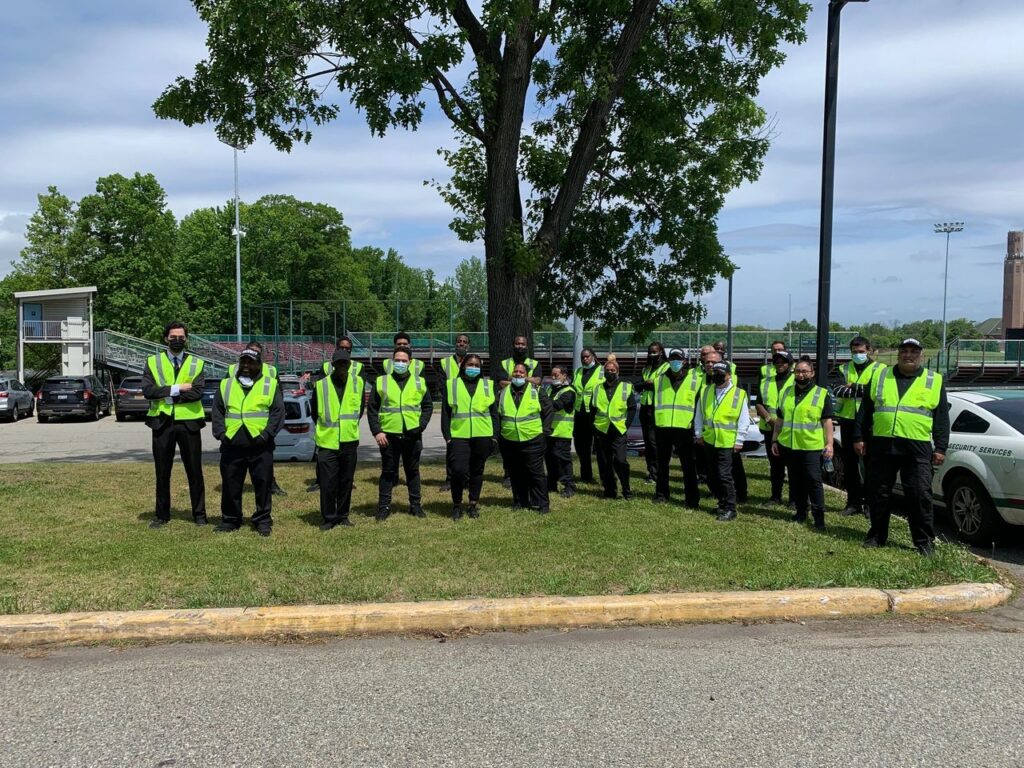
How To: Build a Strong Security Shift Plan in a New York Facility
How to plan and run a better security shift:
1. Review your post orders and site priorities.
Make sure you understand what’s most important to protect (people, assets, data), quiet hours vs. busy hours, and any special instructions for the day.
2. Do an early site walk‑through.
Check entrances, exits, emergency doors, stairwells, parking areas, loading docks, and any known problem zones. Note anything unusual right away.
3. Set a practical patrol schedule.
Plan regular patrols that cover critical areas without becoming perfectly predictable, while still respecting post order timing and control room expectations.
4. Sync with your technology.
Coordinate with CCTV, access control, and any remote monitoring service so that alerts and video feeds work with your patrols instead of against them.
5. Use clear escalation rules.
Know what to simply log, what to report to your supervisor, and what requires immediate 911 or emergency service calls.
6. Document like someone will read it tomorrow.
Write reports with clear facts—who, what, where, when, and what you did—so managers and clients can act on them later.
7. Handoff cleanly to the next shift.
Share open issues, repeat concerns, key visitor information, and equipment problems so the next guard starts informed, not blind.
This simple structure makes your shift smoother and helps your team deliver consistent, professional service that clients in New York can rely on.
How Do Security Guards Prevent Incidents Before They Start?
Prevention is a step‑by‑step method built into every good post order:
- Observe — Notice small changes, from open doors to unusual behavior.
- Assess — Judge whether it’s risky or routine.
- Communicate — Report quickly to supervisors or control rooms.
- Document — Log details for accountability.
- Improve — Adjust patrols or responses next shift.
This process turns routine watchfulness into reliable site safety.
CALM: A Simple Framework for Strong Security Shifts
A practical way to run a strong security shift in New York is to follow the CALM framework: Communicate, Assess, Lead, Monitor.
- Communicate early with supervisors, clients, and teammates about risks or unusual activity.
- Assess each situation before acting so you match your response to the real level of threat.
- Lead by setting a professional tone on the post, following procedures, and guiding visitors or staff during issues.
- Monitor your site, your reports, and your own focus so you catch changes before they turn into incidents.
You can reference CALM again later by editing one or two existing lines, like:
- In the “How To: Build a Strong Security Shift Plan” section, change your first line to:
- “A strong shift plan in New York follows a simple structure and the CALM framework, so guards communicate, assess, lead, and monitor consistently.”
What Skills Do You Need for Security Work in New York?
If you ask working guards what skills you need for security work, they rarely start with “strength” or “toughness.” The most important tools are soft skills: clear communication, calm decision‑making, empathy, and the ability to de‑escalate tense situations without making people defensive. Observation and situational awareness matter just as much, because a lot of success in private security comes from noticing small changes—a propped‑open door, a nervous visitor, a vehicle parked where it shouldn’t be—before they turn into incidents.
On a good shift, success often looks like nothing dramatic happening at all. That might mean a clean lobby with no unauthorized access, patrols completed on time, accurate incident reports, and a smooth handoff to the next officer. When you see “what does a security officer do on shift” from the inside, it’s everything from greeting regular tenants to coordinating with building management during fire alarms, medical calls, or elevator entrapments. Over time, the guards who treat each shift as a professional responsibility, not just a paycheck, are usually the ones who move into lead, supervisor, or operations roles.
Training, Standards, And Professionalism in New York
New York’s legal and regulatory environment pushes private security toward higher professionalism. The state’s Department of State oversees security guard registration, while the Division of Criminal Justice Services sets training standards and handles background checks.
To stay in good standing, guards must:
- Meet core eligibility requirements (age, legal work status, background check)
- Complete an approved 8‑hour pre‑assignment course before applying
- Finish the 16‑hour on‑the‑job training within the first 90 days of employment
- Take an 8‑hour annual in‑service training every year
- Renew their registration on time and report certain legal changes or incidents
These requirements help weed out unqualified or unreliable operators and reassure property owners that licensed guards meet consistent standards.
Start Here if You’re New to Security
If you are just starting to explore a security career in New York, begin with the basics. Review the state licensing steps, understand what a typical shift looks like, and see whether the day‑to‑day responsibilities match your strengths.
Visit our Security Training & Careers page to learn about guard licensing, entry‑level roles, and how Dahlcore supports ongoing training for New York officers.
Is Being a Security Guard a Good Career (and Who Is It For)?
If you are wondering, “Is being a security guard a good career in New York?” the honest answer is that it depends on your temperament. Security work is a strong fit for people who are reliable with time, comfortable following procedures, and willing to communicate with strangers all day. You do well in private security if you can stay calm under pressure, document what happened in clear incident reports, and use de‑escalation skills instead of ego when tempers run high.
This career is not ideal for people who hate routine checks, struggle to stay focused during quiet hours, or dislike interacting with the public. Some shifts involve long periods of monitoring access control, patrols, or CCTV with very little action, followed by a few minutes where emergency response and clear thinking really matter. If that blend of routine plus responsibility appeals to you—and you like the idea of stepping into roles like loss prevention, event security, or executive protection later on—security can be a genuinely rewarding long‑term path.
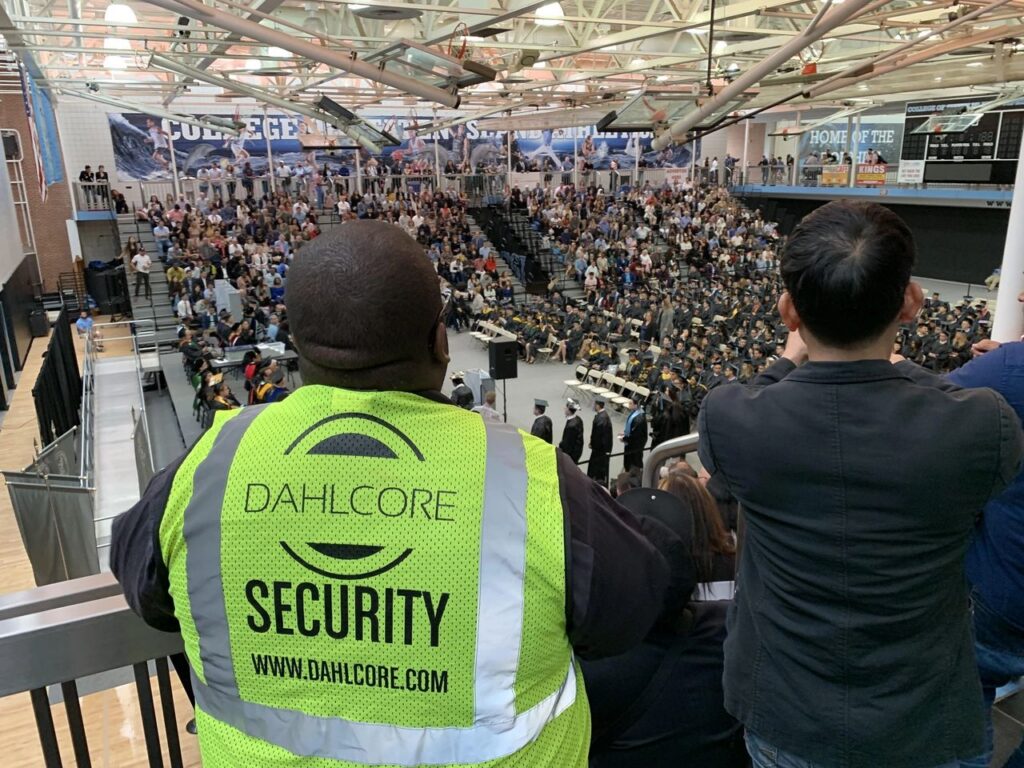
Who Thrives in Security Work (and Who Doesn’t)
Traits That Thrive in Security
- Responsible, punctual, and alert
- Calm under stress
- Good communicator and listener
- Detail‑oriented and observant
- Comfortable following clear procedures
Who Might Struggle
- Easily distracted or impatient
- Dislikes interacting with strangers
- Uncomfortable enforcing rules
- Prefers unpredictable excitement over structure
On-site Guarding vs Remote Monitoring vs Hybrid in NYC
New York properties now often choose between three basic security setups—or combine them:
Tech trends in AI, cloud video, and integrated access control are pushing many New York sites toward hybrid models, where remote teams and on‑site guards work together. This setup can reduce blind spots, improve incident detection, and stretch budgets further—especially for businesses with multiple locations.
When Security Is Not Enough (And What Clients Must Provide)
Private security is not the right solution for every situation. Active crimes, serious threats of violence, and medical emergencies require immediate involvement from law enforcement or emergency services, with guards supporting by observing, reporting, and guiding people to safety.
For security to work well in New York facilities, clients must provide basic conditions such as adequate lighting, secure locks, clear policies, and up‑to‑date escalation contacts. Guards need access to working cameras, key areas of the property, and current post orders so they can respond quickly and document events properly. When these elements are missing, even the best officers may be limited in how much they can prevent or control.
Service Type vs Goals vs Top Skills
| Service Type | Typical Goals | Top Skills |
| Event Security | Crowd flow, guest safety, emergency readiness | Awareness, coordination, fast judgment |
| Commercial Security | Daily operations, property protection | Professionalism, observation, documentation |
| Fire Watch / Hot‑Work Watch | Prevent fire risk during active jobs | Vigilance, safety awareness |
| Executive / VIP Protection | Discreet safety and logistical planning | Discretion, anticipation, physical readiness |
| Access Control | Manage and verify entry points | Accuracy, customer service |
| Loss Prevention | Minimize shrinkage and theft | Observation, communication, reporting |
Myths vs Reality in Security Work
| Myth | Reality |
| “Security work is all confrontation.” | Most success comes from prevention, communication, and visibility. |
| “It’s just standing around.” | Guards observe, record, and coordinate proactive safety measures. |
| “Anyone can do it.” | New York requires formal licensing and continuing education. |
| “There’s no growth.” | Many advance to supervisory and corporate security roles. |
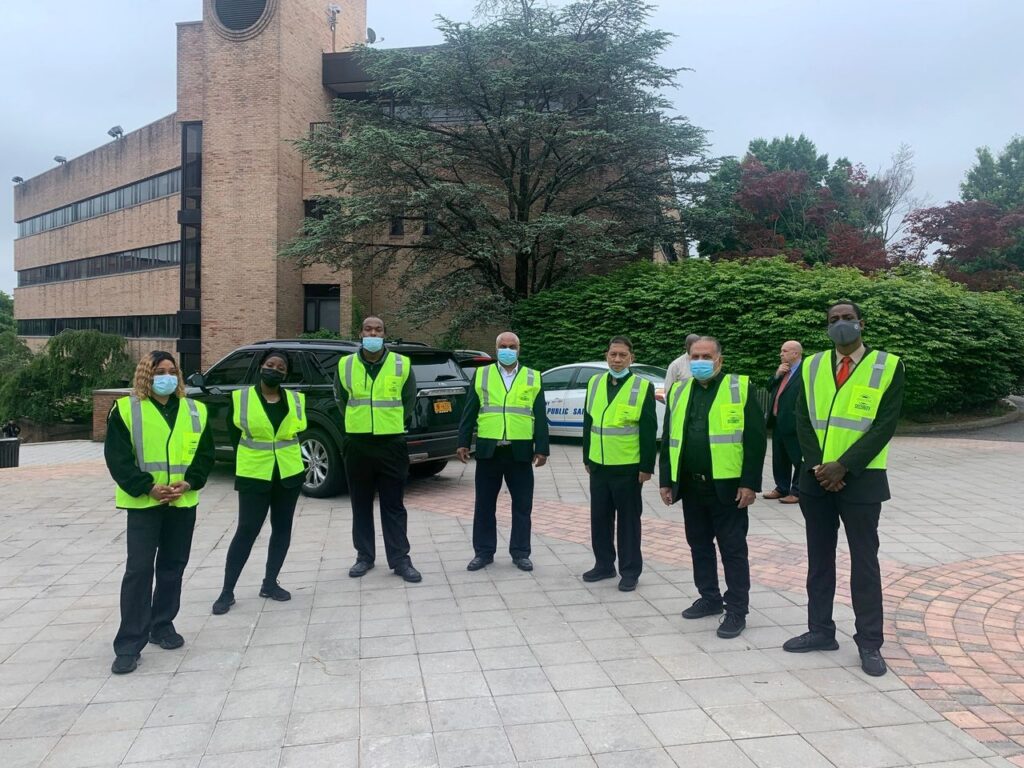
Local New York Scenarios and Pain Points
To make this practical, here are a few example scenarios where the 10 Reasons We Love Our Work in the Security Industry in New York really show up:
- Midtown office tower: Guards manage access, help tenants, monitor cameras, and respond to after‑hours issues. Pain points include unauthorized visitors, tailgating through doors, and elevator mischief.
- Brooklyn residential building: Security combines concierge tasks with safety checks, package management, and late‑night incident response. Pain points: delivery congestion, noise complaints, and visitor screening.
- Queens retail center: Officers handle shoplifting incidents, parking lot safety, and crowd management during peak hours. Pain points: theft, loitering, and disputes between customers.
- Bronx warehouse or logistics hub: Guards manage truck access, secure docks, and monitor perimeter fencing. Pain points: unauthorized entry, theft, and safety hazards.
- Upstate college campus: Security focuses on student safety, event coverage, and coordination with campus administration and local police. Pain points: alcohol-related incidents, vandalism, and large gatherings.
In all of these examples, the mix of purpose, variety, tech tools, and teamwork is what keeps many professionals invested in their work.
FAQs
What makes security work rewarding in New York?
Security work is rewarding because you see the direct impact of your presence on people’s safety and peace of mind. You use soft skills like communication and de‑escalation every day, and you can specialize in areas such as access control, loss prevention, event security, or fire watch as your career grows.
Is being a security guard a good career in New York?
Yes, being a security guard can be a good career if you value stability, flexible shifts, and clear advancement paths. In New York’s growing private security market, experienced officers can move into roles like site supervisor, field inspector, operations coordinator, or corporate security as they build more training and leadership experience.
What does a security officer do on shift?
On shift, a security officer may manage building access, check IDs and visitor passes, run patrols, monitor cameras and alarms, and respond to incidents or emergencies. A big part of the job is incident reporting and following post orders, so guards know what to log, what to escalate to a supervisor, and when to call 911 or building management.
What skills do you need for security work in New York?
You need strong communication skills, good observation, and the ability to stay calm in stressful situations. De‑escalation, basic computer literacy for reporting, and comfort with security technology like access control systems and CCTV are also important, especially if you want to move into higher‑responsibility posts.
What are the pros and cons of security jobs in New York?
Pros include steady demand, flexible scheduling, clear licensing requirements, and room for specialization in areas like loss prevention or executive protection. Cons can include late‑night or weekend work, dealing with difficult people, and long periods of low activity where you still must stay alert and follow your post orders carefully.
Why work in private security instead of another field?
People choose private security because it offers a clear entry path, meaningful day‑to‑day work, and the chance to build transferable skills in communication, conflict resolution, and risk awareness. For many guards, the biggest reason to stay is knowing their quiet, consistent efforts help keep New York offices, residences, and events safe.
Is security work dangerous?
Most of the time, security work in New York is low-risk due to training and clear procedures. Guards are trained to observe and report, not confront. When incidents occur, teamwork and communication help reduce danger and protect both people and property.
Who should consider a security career?
This career fits people who value structure, reliability, and public interaction. If you’re dependable, enjoy real-world problem-solving, and want a job with steady growth, security offers both purpose and clear advancement paths.
What training matters most for new guards?
The required 8-hour pre-assignment and 16-hour on-the-job courses build foundational knowledge, but soft skills—like calm communication and report writing—are just as crucial for long-term success.
What are the biggest challenges in security work?
Staying alert during quiet shifts and handling tense situations professionally are the main hurdles. Experienced guards manage both by following post orders, staying engaged, and maintaining a problem-prevention mindset each shift.
Pros and Cons of Security Work in New York
| Aspect | Details |
| Pros | Steady demand in New York, flexible scheduling, clear licensing path, and room to specialize in areas like loss prevention, event security, or executive protection. |
| Cons | Late‑night or weekend shifts, dealing with difficult people, long quiet periods where guards must stay alert and follow post orders carefully. |
Security work in New York offers steady demand, flexible schedules, and a real purpose for people who like structure and responsibility. Guards build transferable skills in communication, observation, and crisis response that can lead to supervisory, operations, or corporate roles over time.
The challenges include late‑night or weekend shifts, long periods of low activity where you must still stay alert, and the stress of handling occasional high‑pressure incidents. Not everyone enjoys enforcing rules or dealing with difficult people, so it is important to be honest about your temperament before choosing this path.
Conclusion: Why New York Security Work is Worth it
When you put all of this together, the 10 Reasons We Love Our Work in the Security Industry in New York point to one thing: this is real, meaningful work in a growing field, backed by solid standards and fast‑moving technology. For the right person, it can offer purpose, stability, and a clear path to grow.
If you manage a property or business in New York and want to turn these ideas into action, Request a Guarding & Monitoring Quote so you can compare options and choose the best mix of people and technology for your New York locations.
Check other blogs
Top 5 Businesses That Must Have Security Guard Protection
The Importance of Physical Security in the Digital Age
What Kind of World Event Might Threaten Your Security?
Guarding Cyber Borders:The Role of Access Control in App Security
