

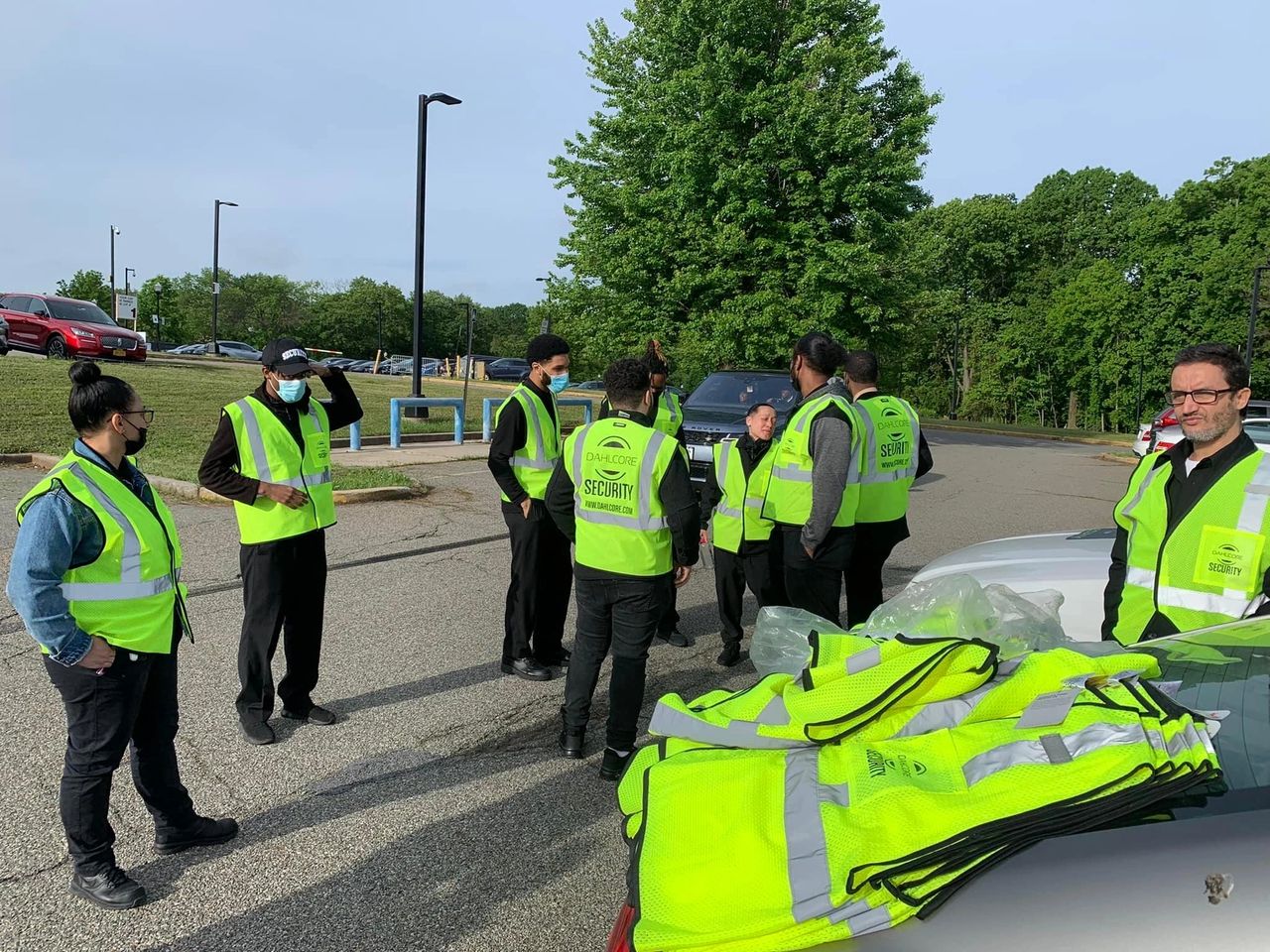
Apartment building security (NYC/NJ): front desk security, doormen, and access control is about building a layered shield around your property that feels natural to residents but tough for intruders to bypass. In dense cities like New York and across New Jersey’s major hubs, the right mix of people and systems keeps doors open for the right folks and closed to everyone else.
Instead of relying on just one thing—a buzzer, a camera, or a friendly doorman—you want each layer to reinforce the others. A doorman or lobby attendant watches the lobby and reads people’s behavior, while electronic access control manages who can open which doors and when. Cameras record key spots for accountability. When those pieces are aligned, you get a building that feels safe, organized, and easy to live in.
Why Apartment Building Security Matters in NYC and NJ Today
Security in NYC and NJ apartment buildings isn’t an abstract concern—it’s part of everyday life. Residents see strangers at the door, delivery drivers in and out all day, and rideshares pulling up at all hours. Without a clear security setup, it’s simple for someone with bad intentions to slip inside unnoticed and cause problems in hallways, stairwells, or garages.
At the same time, renters and owners are more demanding than ever. They expect smooth, hotel‑like experiences—fast access to their units, secure package handling, and a lobby that feels under control, not chaotic. Add in insurance pressures, legal risk, and local regulations, and you can see why boards and property managers across Manhattan, Brooklyn, Jersey City, and Hoboken have started treating security as a core building system, not a nice extra.
What is Front Desk Security in NYC/NJ Apartment Buildings?
Front desk security is the set of people, routines, and tools stationed at the main entrance of a multi‑family property. In NYC and much of NJ, that usually means a doorman, concierge, or lobby attendant greeting everyone who walks in and acting as a gatekeeper between the public sidewalk and private living spaces. Their presence alone discourages opportunistic trespassers.
In day‑to‑day terms, front desk security involves checking faces, confirming visitors, answering questions, and keeping an eye on the flow of people. They might manage sign‑in books, visitor software, or a combination of both. In many older prewar co‑ops on the Upper West Side or classic brownstones turned rentals in Brooklyn, these staff members also double as information hubs—communicating with supers, management, and even local services when something comes up.
The Role of Doormen, Concierges, and Lobby Attendants in Security
Doormen and concierges are often marketed as lifestyle perks, but their security value is huge. A camera might capture footage, yet it can’t ask, “Who are you here to see?” A trained lobby attendant can slow things down just enough to spot inconsistencies and decide when to gently push back. In higher‑end Manhattan buildings or luxury Jersey City towers, residents rely on that presence to feel both safe and looked after.
They manage visitor entry, accept deliveries, watch who’s waiting in the lobby, and notice when someone’s behavior is off. They also handle “edge cases”—a resident who forgot their key, a guest who doesn’t know the apartment number, a contractor who arrives early. In emergencies, from medical situations to fire alarms, they become the on‑scene coordinators, helping people out of harm’s way and guiding first responders to the right floor or unit quickly. For broader insights into residential guard responsibilities, check our essential guide to apartment security guards.
Human vs. Technology: Balancing Doormen with Access Control Systems
It’s easy to think of doormen and access control systems as competing options, but the strongest buildings treat them as a team. People excel at reading body language, handling odd situations, and building trust with residents. Access control systems excel at enforcing rules fairly, logging every entry, and staying “awake” 24 hours a day without losing focus.
For example, a doorman can see when someone hovers near the entrance and challenge them, while the reader logs each credential swipe. If a lost fob is used, the system can flag it, and the doorman can respond right away. In a building without full‑time staff, a virtual doorman paired with electronic locks still ensures that visitors are checked and entries are recorded. When you design with both human and tech strengths in mind, you cut blind spots and make security feel less like a hassle and more like a natural part of the building.
Modern Access Control Basics for Apartment Buildings in NYC and NJ
Modern access control replaces traditional lock‑and‑key setups with electronic control over doors and gates. Instead of cutting countless metal keys, you issue digital credentials—cards, fobs, or mobile passes—that can be activated or revoked instantly. Every time someone uses a credential, the system records who tried to open which door and when.
In a typical NYC or NJ multi‑family building, you’ll find readers at front doors, side entrances, and garage doors, along with a video intercom for visitors. Inside, the same system may control elevator access to residential floors, locker and storage rooms, fitness centers, roof decks, or laundry rooms. A cloud‑based dashboard lets property managers or boards update access, run reports, and respond quickly when residents move in or out, all without re‑keying anything.
Keycards, Fobs, and Mobile Credentials for Resident Access
Keycards, fobs, and mobile credentials are three common ways residents tap into access control systems. All three options work by presenting a unique digital ID to a reader, which checks permissions and unlocks the door if everything matches. Compared to traditional keys, they’re easier to manage because you can deactivate one without changing any physical locks.
Fobs are popular in many Brooklyn and Queens buildings because they’re tough and simple. Keycards are handy for printing photos or branding in larger complexes where visual ID helps staff recognize people. Mobile credentials take advantage of smartphones—residents tap or show their phone, and the app handles the rest. For Jersey City and Hoboken high‑rises that market themselves as tech‑forward, mobile access often pairs nicely with other features like app‑based amenity reservations and visitor passes.

Visitor Management, Intercoms, and Virtual Doorman Options in NYC
Visitor management is where apartment building security (NYC/NJ): front desk security, doormen, and access control really gets tested. You need a clear process for guests, food couriers, dog walkers, repair techs, and rideshare drivers without letting the lobby turn into a free‑for‑all. Basic audio buzzers offer almost no verification; a resident hears a voice but can’t see who’s there or how many people plan to enter.
Video intercoms upgrade that experience by showing a live feed of the person at the door. Residents or front desk staff can visually confirm visitors and buzz them in if they check out. Virtual doorman services take it a step further, with remote operators answering calls, matching visitors to pre‑approved lists or instructions, and unlocking doors when appropriate. This model is especially useful for smaller NYC walk‑ups and mid‑size NJ buildings that want doorman‑style control without the full cost of 24/7 on‑site staff.
Package Rooms, Deliveries, and 24/7 Lobby Security Coverage
Package handling has turned into one of the biggest security and convenience issues in city apartment life. With online shopping booming, lobbies in Manhattan, Brooklyn, and New Jersey can quickly fill up with boxes. Left out in the open, those parcels are tempting targets and create clutter that makes the building feel disorganized.
A better approach is to route deliveries into a secure package room or set of smart lockers. Access control readers limit who can enter, and cameras record every drop‑off. Doormen, concierges, or virtual doorman operators can buzz delivery drivers in, watch the drop, and trigger automatic notifications to residents. This kind of setup protects packages, reduces arguments about missing items, and frees the front desk from constant interruptions, especially during peak delivery hours.
NYC‑Specific Fire Code, Egress, and Access Control Compliance
No matter how advanced your security system is, it must always respect life‑safety rules. In New York City in particular, doors on exit routes must allow people to get out quickly during an emergency without needing a key, fob, or phone. When the fire alarm or other alarm devices activates, many electronically locked doors need to release automatically so residents and visitors can evacuate safely. Boards and managers can also share the official NYC apartment emergency preparedness guide from the FDNY so residents understand what to do in a fire or other building emergency.
This means you can’t just add electric strikes or maglocks wherever you like and call it a day. Every device and setting has to be chosen with NYC fire and building codes in mind, and similar care is needed in New Jersey cities that follow their own regulations. The best path is to work with a security integrator who knows local requirements, designs fail‑safe configurations, and documents exactly how each door behaves during alarms and power failures.
Best Practices for Access Control in Multi‑Tenant Buildings (NYC/NJ)
A few straightforward best practices can dramatically improve safety and resident comfort. One is to concentrate public entry through a primary entrance that’s well‑lit, easy to monitor, and clearly marked. Other doors—side exits, service entrances, and garage doors—should either be reserved for credentialed users or emergency egress, not casual walk‑in traffic.
Another best practice is to manage all access through a single, unified platform instead of scattered devices and spreadsheets. That way, when someone moves out, you can revoke their access everywhere at once, and when an incident happens, you can pull a clean, complete log. Finally, pair the technology with a simple set of house rules and regular reminders: don’t hold the door for strangers, report lost fobs or phones immediately, and direct guests to use the intercom or front desk rather than “sneaking in” behind someone.
How to Improve Apartment Building Security in NYC and NJ (Step‑By‑Step)
If you want a clear path to better apartment building security (NYC/NJ): front desk security, doormen, and access control, you can follow this simple step‑by‑step approach.
First, walk your property and map every entrance, reader, intercom, and camera. Note how people actually use the building: where residents really enter, where guests tend to wait, and where delivery drivers stack packages. Second, rank your biggest pain points—maybe it’s repeated tailgating at a side door, frequent package thefts, or confusion at the intercom.
Third, strengthen your main entrance with better lighting, cameras, clear signs, and reliable intercom and access control devices. Fourth, extend access control to interior spaces that need protection, like elevator lobbies, amenities, storage spaces, and back‑of‑house doors. Fifth, update visitor and delivery workflows so they feel smooth but controlled. Sixth, train staff and educate residents so everybody understands their role. Finally, review logs and feedback every few months and adjust rules, hardware, or staffing where you see patterns of trouble.

Tailgating, Piggybacking, and How Front Desk Staff Can Reduce Risks
Tailgating and piggybacking happen when someone who isn’t authorized follows closely behind someone who is, slipping through the door without presenting a credential. In busy NYC and NJ buildings, this can happen dozens of times a day if no one’s paying attention. Sometimes it’s innocent, like a neighbor helping with groceries, but it can also be the main way intruders get inside.
Front desk staff are key to shutting this down politely. A doorman who knows the regulars can quickly spot new faces and ask them to use the intercom or sign in. Simple, non‑confrontational phrases—“Please ring the apartment so we can announce you” or “For safety, everyone needs to check in”—go a long way. Clear signs at entrances help set expectations, and cameras at vestibules and elevator lobbies give management something to review if a problem escalates.
Training, SOPs, and Incident Reporting for Front Desk Security Teams
Even the friendliest lobby can feel insecure if staff are unsure what to do in tricky situations. That’s why training and standard operating procedures (SOPs) matter so much. Each front desk employee should know exactly how to handle visitor check‑ins, vendor access, package deliveries, noise complaints, and emergency calls. Written procedures ensure consistency across morning, evening, and overnight shifts.
Incident reporting rounds out the picture. When staff logs what they see—like recurring tailgating at a certain door, repeated intercom abuse from a specific visitor, or lights that always seem to be out in a stairwell—patterns become visible. Management and boards can use those logs to decide where to invest next, whether that’s additional cameras, better door hardware, more staff coverage, or new resident guidelines. To keep people engaged beyond move‑in, share Ready New York emergency preparedness resources so residents can build their own household plans that align with your building procedures.
Cost Comparisons: Staffed Doorman vs. Virtual Doorman and Hybrid Models
Deciding between a staffed doorman, a virtual doorman, or a hybrid setup often comes down to budget and resident expectations. A full‑time doorman operation in Manhattan, Brooklyn Heights, or prime Jersey City can be costly once you include wages, benefits, scheduling, and supervision. For some buildings, especially small co‑ops or mid‑size rentals, that level of investment doesn’t make financial sense.
Virtual doorman services offer a lighter alternative. You still get visitor screening, recorded intercom calls, and remote door control, but without someone physically sitting in the lobby around the clock. Hybrid models combine the best of both worlds: live staff during busy daytime and early evening hours, and virtual coverage overnight. That way, residents enjoy a human presence when they’re most likely to come and go, while the building keeps an extra set of eyes on doors and cameras after hours.
Example Comparison
Full staffed doorman
- Typical Coverage: 16–24 hours on‑site
- Resident Experience: High‑touch, personal, immediate help
- Relative Cost: $$$$
Virtual doorman only
- Typical Coverage: 24/7 remote
- Resident Experience: Strong security, less personal
- Relative Cost: $$
Hybrid (staff + virtual)
- Typical Coverage: Daytime staff, overnight virtual
- Resident Experience: Balanced service and savings
- Relative Cost: $$$
2026 Trends in Apartment Building Security Systems in NYC and NJ
Security tech changes fast, and 2026 brings a few clear trends to NYC and NJ multi‑family buildings. One major shift is toward mobile‑first access. Residents increasingly expect to unlock doors, open garage gates, reserve amenities, and get package alerts right from their phones. That expectation shows up strongly in new towers along the Brooklyn and Queens waterfronts, as well as in redeveloped areas of Jersey City and Hoboken.
Another trend is integration. Instead of juggling separate systems for access control, video surveillance, visitor management, and building operations, more properties are bringing everything under one software platform. That single view helps staff respond faster when something goes wrong and simplifies reporting for owners and boards. It also lays the groundwork for smarter use of data and future AI‑driven tools that can spot unusual patterns in building activity.
How to Choose a Security Provider or Integrator for your Building
Picking the right security partner is just as important as choosing the right equipment. In NYC and NJ, you want a provider who understands multi‑family realities, local codes, and the expectations of city residents. Ask whether they’ve done projects in buildings similar to yours—say, a prewar co‑op on the Upper East Side, a glass tower in Downtown Brooklyn, or a mid‑rise in Jersey City near the PATH.
During the selection process, look beyond slick brochures. Request demos of the software your staff will actually use. Ask how the system handles fire alarms, power outages, and lost credentials. Get clarity on service response times and what’s included in maintenance agreements. Finally, ask for references you can call. Another board president or property manager who has lived with the system for a year will tell you more than any sales pitch.

FAQs About Apartment Building Security (NYC/NJ): Front Desk Security, Doormen, and Access Control
How does a doorman improve apartment building security in NYC and NJ?
A doorman improves apartment building security in NYC and NJ by controlling who enters, monitoring the lobby, managing visitors and deliveries, and reacting quickly when something seems wrong.
Is a doorman or a virtual doorman better for my NYC or NJ building?
A staffed doorman offers a personal, hotel‑style experience, while a virtual doorman delivers strong security and detailed logs at a lower ongoing cost. Many buildings choose a hybrid to balance both.
How important is access control in a doorman building?
Access control is still crucial in a doorman building because it backs up the human presence with consistent rules, audit trails, and fast changes when residents move or credentials are lost.
Do I need a doorman building in Manhattan or Jersey City to feel safe?
You don’t have to live in a doorman building to feel safe. What you do need is a clear security plan, good access control, decent lighting, and a well‑managed visitor process.
How do NYC and NJ apartment buildings handle package security?
Many NYC and NJ buildings now use secure package rooms or lockers controlled by access systems and cameras, along with front desk or virtual doorman workflows that log deliveries and notify residents.
What’s the best way to start improving apartment building security (NYC/NJ): Front Desk Security, Doormen, and Access Control?
Start by auditing entrances, doors, and current procedures, then fix your main entrance, visitor flow, and package handling first before expanding to interior spaces and advanced technology.
Final Thoughts and Next Steps for Layered Apartment Building Security
Apartment building security (NYC/NJ): front desk security, doormen, and access control work best when it feels invisible to residents but obvious to anyone thinking about causing trouble. Doormen and lobby staff bring human judgment and warmth; access control and cameras bring consistency, records, and automation. Together, they create buildings that feel safe, modern, and welcoming.
If you’re part of a board or management team, now is a smart time to review your setup and plan upgrades with a 12‑month roadmap. Start small by tightening your main entrance and visitor process, then build out from there. Over time, you’ll create a layered system that protects people and property while supporting the kind of lifestyle residents expect in NYC and New Jersey.
Explore our other blog posts here
Mobile Patrol & Night Patrol SOPs (NY/NJ): Routes and Checks
Security Guard Post Orders: What They Are + How to Write Them
