

Updated Date: November 17, 2025
Essential Rules Security Guards Must Follow to Protect People and Property
Security guards are often the first line of defense between a potential threat and the people or property they are trying to harm, which makes clear rules and consistent habits absolutely critical. Unlike police, who are usually called after an incident, security officers are already on-site, so following proven rules can prevent problems from ever becoming serious emergencies.
This guide explains 10 essential rules every professional security guard should follow on every shift, with practical examples you can apply immediately at commercial properties, construction sites, events, dispensaries, hospitals, hotels, and more.
Whether you are a new officer, a seasoned guard, or a business owner evaluating a security vendor, these rules describe what high-quality security should look like in real life—not just on paper.
Rule 1: Always Be Visible and Easily Identifiable
One of the simplest and most powerful crime-prevention tools is basic visibility: offenders are far less likely to act when they can clearly see there is active security on-site.
Security guards should patrol regularly, avoid “hiding” in offices or corners, and position themselves in high-traffic and high-risk areas where their presence is obvious.
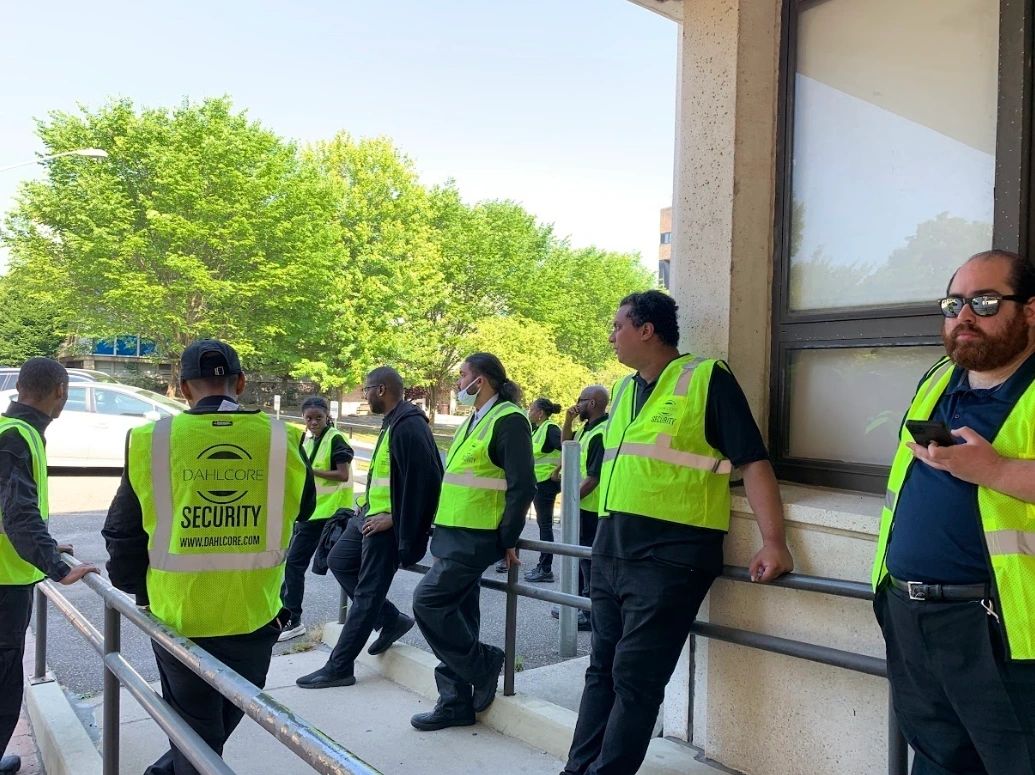
Uniforms, badges, reflective vests, and marked vehicles all help honest people feel safe and send a clear message to anyone considering illegal activity that the site is being monitored. At facilities like construction sites, retail stores, apartment communities, and commercial buildings, visible patrols also help employees and visitors know exactly where to go when they need help.
Rule 2: Stay Alert, Vigilant, and Focused on Your Post
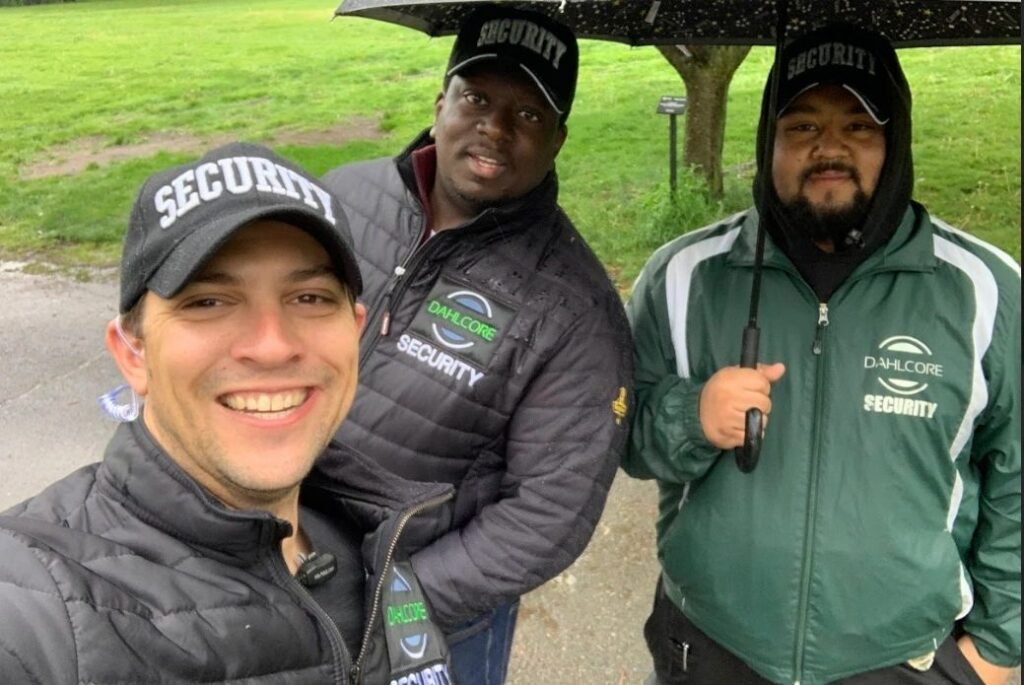
A distracted guard is almost as risky as having no guard at all, which is why staying alert is one of the most important rules for both day and night security officers.
On duty, guards should avoid personal phone use, long conversations, and any behavior that pulls attention away from their surroundings or assigned post orders.
Being vigilant means constantly scanning for unusual behavior, unsecured doors or gates, suspicious vehicles, people loitering, or anything that feels “out of place” compared to normal operations. When something feels wrong, a professional guard takes it seriously, investigates safely, and documents it instead of assuming “it’s probably nothing.”
Rule 3: Know and Follow All Post Orders and Procedures
Every site—whether it is a hotel, hospital, dispensary, warehouse, office, construction site, or event—should have specific written post orders and procedures that security must follow.
These can include patrol routes, access control rules, alarm response steps, visitor sign-in procedures, emergency contacts, reporting formats, and rules of engagement for different situations.
Professional security guards study these instructions before a shift starts and clarify any questions with supervisors instead of improvising when something happens.
Failing to follow procedures can lead to safety gaps, legal problems, and serious incidents—especially at high-liability sites like hospitals, active construction areas, and large events.
Rule 4: Communicate Clearly, Calmly, and Professionally
Security work is heavily dependent on communication, both with the public and internally with supervisors, property management, and law enforcement.
Guards should speak clearly, use respectful language, and give simple, direct instructions when guiding visitors, redirecting behavior, or de-escalating tense situations.
On the radio or phone, communication should be concise and factual, focusing on the location, nature of the issue, people involved, and what assistance is needed.
Professional communication not only improves safety and response times but also represents the client’s brand well at front desks, entrances, and lobbies.
Rule 5: Document Everything – Observations, Incidents, and Actions
Accurate reports and daily activity logs (DALs) are critical in security work because they create a written record of what happened, when it happened, and how the guard responded.
These records support internal investigations, insurance claims, HR actions, and criminal cases, and can protect both the client and the guard in the event of disputes.
Good documentation is factual and objective, avoiding emotional language and focusing on times, locations, people, and specific actions taken. Whenever there is a safety hazard, policy violation, suspicious behavior, or incident of any kind, guards should both act appropriately and record the situation in detail.
Rule 6: Respond Quickly and Appropriately to Emergencies
In a crisis—such as a medical emergency, fire, active threat, fight, or serious accident—the first seconds and minutes often determine how serious the outcome will be.
Security guards must stay calm under pressure, follow training, and activate the correct procedures: calling 911, notifying site management, evacuating areas, or initiating lockdowns when policy requires it.
Knowing how to prioritize life safety, property protection, and personal safety is essential; a guard should never take unnecessary risks beyond training or legal authority. In many settings, guards should maintain certifications like basic first aid, CPR, and fire safety to provide immediate assistance while waiting for first responders.
Rule 7: Control Access and Protect Property at All Times
A key duty of many security officers is controlling who can enter and exit the property, which areas require badges or keys, and how deliveries or contractors are processed. Strict access control helps prevent theft, workplace violence, unauthorized visitors, and sensitive information or equipment from falling into the wrong hands.
Guards should never “prop open” secure doors, lend keys, or bypass sign-in procedures, even for familiar employees or vendors. At sites like construction projects, warehouses, data centers, dispensaries, and hotels, this rule is especially important due to a higher risk of theft and liability.
Rule 8: Provide Excellent Customer Service While Enforcing Rules
Modern security work is not just about standing watch; guards are often the first people visitors, tenants, or customers interact with when they arrive at a property.
Friendly, respectful customer service builds trust, encourages people to report concerns, and supports the client’s professional image.
Being helpful—giving directions, answering basic questions, or escorting someone to their car—does not weaken security; it makes the guard more effective and approachable.
At the same time, guards must be firm but professional when enforcing rules such as no-smoking areas, restricted access zones, or event crowd-control guidelines.
Rule 9: Maintain Physical Fitness, Appearance, and Professionalism
Security can be physically demanding, requiring long periods of standing, walking patrols, and sometimes responding quickly to incidents or restraining aggressive individuals when permitted by policy and law.
Staying in good physical shape helps guards perform their duties safely and reduces the risk of injury to themselves and others.
A neat uniform, proper grooming, and a professional attitude signal to everyone on-site that the guard takes the job seriously. Being on time, prepared with necessary gear (radio, flashlight, notepad, PPE), and ready to take over a post at shift change are all part of basic professionalism.
Rule 10: Train Continuously and Respect Legal Limits
Laws, company policies, and security threats can change over time, which makes ongoing training essential for any serious security professional. Guards should stay up to date on local regulations, use-of-force rules, report writing, de-escalation techniques, emergency procedures, and site-specific policies.
Equally important is understanding what not to do: guards are not police officers and cannot act outside their legal authority, even with good intentions.
Respecting legal boundaries protects the guard, the client, and the public while still allowing strong, effective security when combined with solid training and clear rules.
Common questions about rules for security guards (FAQ)
What are the basic rules a security guard must follow at work?
At a minimum, guards must stay visible, remain alert, follow all post orders, document incidents accurately, and respond appropriately to emergencies without exceeding their authority. They should also communicate professionally, provide customer service, protect property through access control, and maintain a high standard of personal conduct on and off duty when representing the company.
What is the most important rule for security guards?
The single most important rule is to stay alert and aware of surroundings at all times, because almost every other rule—visibility, prevention, response, reporting—depends on this. A distracted guard can miss early warning signs and allow small issues to turn into major incidents, so focus and vigilance should be treated as non‑negotiable.
How do these rules apply to different industries (hotels, hospitals, construction, events, dispensaries, etc.)?
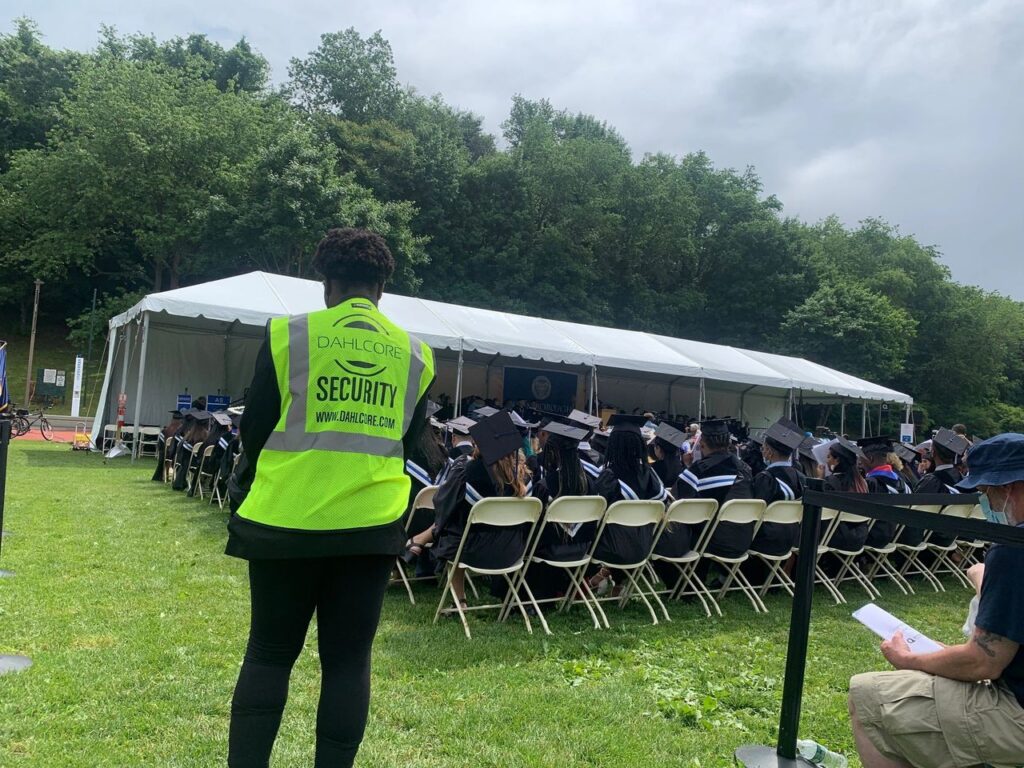
The core rules remain the same, but how they are applied changes by site—for example, a hospital guard may focus more on visitor management and patient safety, while a construction guard emphasizes access control, theft prevention, and after-hours patrols. Event security guards may prioritize crowd control and order maintenance, whereas dispensary or retail guards focus heavily on loss prevention and compliance with strict regulations.
What should a security guard do if a situation is beyond their training or authority?
When a situation is too dangerous or outside policy, the correct rule is to step back, secure the area if possible, and call for law enforcement or emergency services immediately. Knowing when to ask for help is a sign of professionalism, not weakness, and often prevents injuries and legal problems.
Check other blogs
Why Are There Security Guards at Cemeteries?
10 Essential Ways to Manage Access Control as a Security Guard!
How High Security Guard Ensures Maximum Safety
Security Guards’ Impact on Modern Loss Prevention: Case Studies
