

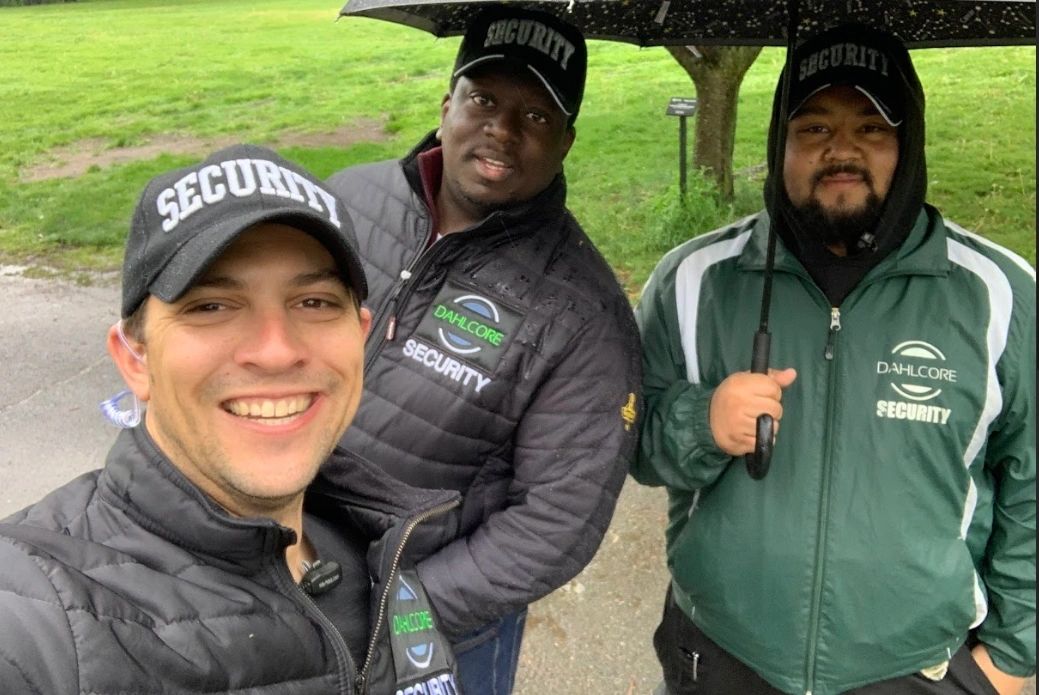
A security guard’s access control role focuses on controlling who and what enters or exits a site. Core duties include verifying identity and authorization, issuing badges and passes, monitoring entrances, preventing tailgating, documenting entries and exits, screening deliveries and contractors, and escalating suspicious activity. Key skills include communication, attention to detail, calm conflict de-escalation, procedural compliance, and accurate reporting using access control systems and logs.
Access control in security means checking who is allowed to enter or leave a building, site, or restricted area, and under what conditions. It focuses on verifying identities, enforcing entry rules, and tracking who comes in and out so that only authorized people and vehicles get through.
A Security Guard Access Control Job Description (Duties & Skills) explains how a guard manages who gets in and out of a building or site, and under what conditions they’re allowed to pass. It turns vague expectations into clear duties, so both the employer and the guard know exactly what “good performance” looks like.
Many employers search specifically for access control security guard duties when writing job ads or posting orders, but they often miss key details that guards need on shift. This guide explains how to check in visitors as a security guard at an access control point, from greeting and ID checks to logging and badge collection at exit.
In today’s world, access control is about more than just standing at a door. Guards at entry points often act as the first layer of safety, customer service, and compliance. A well-written description avoids confusion, reduces mistakes, and makes training much easier.
Security Guard Access Control Job Overview
The general role of an access control security guard is to regulate entry and exit, follow site rules, and document all movements at assigned posts. They may work at reception desks, gatehouses, parking entries, loading docks, lobby turnstiles, or dedicated control rooms.
Job titles can vary, but they often include names like Access Control Security Guard, Security Officer – Access Control, Gate Guard, Lobby Security Officer, Front Desk Security, or Control Room Operator. The job description should connect the title to the actual type of access point they’ll handle.
Scope of An Access Control Security Guard Role
Scope varies by site. In a corporate lobby, access control focuses on visitor screening, badging, and customer service at the front desk. In a warehouse gatehouse, it centers on vehicle checks, delivery verification, dock rules, and trailer movements. In hospitals, schools, and data centers, privacy rules, restricted zones, and incident escalation procedures are stricter and more detailed. In residential complexes or gated communities, guards balance resident relations, guest lists, and amenity access. In every environment, guards must follow post orders, site-specific SOPs, and local regulations for identification, searches, privacy, and emergency response.
An access control security guard usually works at an Access Control Point (ACP) or guard post, such as a lobby desk, gatehouse, or turnstile, where every person, vehicle, or delivery must be screened before entry. At each ACP, the guard applies site rules, checks credentials, and records movements so that only authorized people and items pass through.
Typical Work Environments and Job Titles
Access control guards work in many different environments, each with its own risks and rules. Office towers, residential condos, factories, data centers, schools, hospitals, warehouses, malls, and event venues all use access control, but they don’t all operate the same way.
For example, a guard in a corporate lobby might focus on visitor badges and meeting check-ins, while a guard at a warehouse gate deals more with truck drivers, pallets, and contractor teams. Even though the keyword Security Guard Access Control Job Description (Duties & Skills) stays the same, your wording should match the type of site where the guard will actually work.
What Are the Duties of a Security Guard in Access Control?
An access control guard verifies identity and authorization, controls entry/exit points, issues and collects badges, watches for tailgating, documents all entries/exits, screens deliveries and contractors per site policy, and escalates suspicious activity. The goal is a consistent process that prevents unauthorized access and preserves an audit trail.
Key Duties in a Security Guard Access Control Job Description
An access control guard is responsible for greeting people at the entry point, checking their IDs and authorization, and issuing the correct badges or passes. The guard maintains accurate logs, watches for tailgating and policy violations, and responds to alarms and unusual behavior while following written post orders and site procedures.
When you break down security officer access control responsibilities, it becomes easier to train guards, measure performance, and keep entrances running smoothly without sacrificing security.
A strong Security Guard Access Control Job Description should list clear, measurable duties so guards and supervisors know what “good performance” looks like. Core duties typically include:
- Controlling entry and exit for people, vehicles, and deliveries at assigned access points.
- Greet and screen visitors, staff, contractors, and drivers professionally.
- Verifying identity and authorization using IDs, badges, access cards, PINs, QR codes, or pre-approved lists.
- Issuing, activating, and collecting visitor, contractor, and temporary badges or passes.
- Maintaining accurate visitor, vehicle, and contractor logs in paper or digital systems.
- Monitoring doors, gates, turnstiles, and cameras for forced doors, propped doors, and tailgating attempts.
Tailgating, also called piggybacking, happens when someone slips in behind an authorized person without showing their own credentials, and it is one of the most common access control risks guards must watch for at doors, gates, and turnstiles.
- Enforce site rules for visitors, deliveries, contractor work, and restricted-area access.
- Screening packages and deliveries at the entry point within the limits of site policies and local law.
- Coordinating with reception, facilities, warehouse, or operations staff to route visitors and deliveries correctly.
- Responding to access control alarms and unusual behavior according to post orders and SOPs.
- Escalating denied entries, suspicious activity, policy violations, and system issues to supervisors.
- Preparing daily activity logs, incident reports, and shift handover notes to support audits and investigations.
What Skills Does An Access Control Security Guard Need?
The role demands clear communication, attention to detail, calm conflict de-escalation, and strict SOP compliance. Guards also need strong situational awareness to spot anomalies (tailgating, forged credentials, nervous behavior) and solid report writing so entries, denials, and incidents are documented accurately and defensibly.
Soft skills
- Clear, polite verbal communication with visitors, staff, contractors, and drivers.
- Active listening and the ability to explain rules and procedures in simple language.
- Observation and situational awareness, including noticing unusual behavior, vehicles, or patterns.
- Conflict management and calm de-escalation when people are upset, confused, or non-compliant.
- Customer-service mindset that balances security with a respectful, helpful attitude.
Technical skills
- Basic computer literacy for visitor logs, incident reports, and email.
- Comfort using access control devices such as card readers, keypads, badge printers, and turnstile panels.
- Ability to operate CCTV systems, access control software, and visitor management platforms after training.
- Proper radio use, including clear, concise messages and correct call signs and channels.
- Familiarity with intercoms, gate controls, and key control procedures.
Compliance and reliability
- Willingness to follow written post orders, SOPs, and legal requirements consistently.
- Integrity in handling IDs, badges, keys, and sensitive information.
- Reliability in attendance, punctuality, and maintaining a professional appearance at the post.
Physical requirements and licensing
- Ability to stand or sit for extended periods and move between checkpoints as required.
- Capability to respond quickly to alarms, emergencies, or incidents at or near the access point.
- Valid security license or guard card where required by law, plus any mandated background checks or certifications.
Daily Duties in a Security Guard Access Control Job Description
Daily tasks should be listed clearly so there’s no doubt about what the guard does on shift. These duties usually follow the same general pattern: greet, screen, verify, log, and allow or deny entry.
At some sites, especially gatehouses and loading docks, supervisors even build a simple gatehouse security checklist so guards can confirm they have completed every required step during busy periods. This reduces missed log entries, forgotten badge collection, and inconsistent screening when traffic is heavy.
Common daily duties include:
- Greet and briefly assess visitors, staff, drivers, and contractors at the entry point.
- Verifying identity using ID cards, badges, access cards, QR codes, or visitor passes.
- Checking appointment lists, work orders, or access lists to confirm authorization.
- Recording details in logbooks or software and issuing badges or passes when needed.
- Monitoring doors, gates, turnstiles, and cameras around the access point.
- Reporting suspicious behavior, policy violations, or system issues to supervisors.
Credential Checks, Visitor Screening, and Entry Logging
Credential checks are the backbone of access control. The guard must know which IDs are valid, how to inspect them, and what to do when something looks wrong. That includes watching for expired badges, names not found on lists, or altered ID documents.
Common credential types include government-issued ID, company ID badges, electronic keycards, QR-based visitor passes, and temporary printed visitor badges. A good access control security guard understands which credential type is valid for each category of person and how to spot expired, altered, or unauthorized credentials quickly.
Entry logging is just as important. Whether it’s a paper log or a digital system, logs should show who came in, why, when, where they went, what badge they used, and when they left. Clean, accurate logs help with investigations, audits, and performance reviews, and they show that the guard followed the correct process.
Real‑World Access Control Examples
Here is a simple example of a redacted access control log entry a guard might complete at a lobby desk:
- 08:12 – Visitor: J. Santos – Company: ABC Logistics – Host: M. Rivera (Finance) – Purpose: Meeting – Badge: V‑0231 – Area: 5th Floor Offices – In: 08:12 – Out: 09:03
A typical access control post order for this kind of site might include instructions such as:
- Verify every visitor against the pre‑approved visitor list or by contacting the host.
- Issue the correct badge color for visitors, contractors, and vendors, and explain escort rules.
- Log every entry and exit, including badge number, time in/out, and purpose of visit.
- Watch for tailgating and politely stop anyone trying to enter without credentials.
- Escalate denied entries, suspicious behavior, and system problems to the supervisor.
Guards also face recurring scenarios on shift, such as:
- Contractor without a work order: The guard asks for ID and company name, checks for a valid work order, and contacts the facilities or project manager. If there is no approval, the guard keeps the contractor at the checkpoint and denies access until the work is confirmed.
- Visitor with an expired badge: The guard stops the visitor, confirms their identity and authorization again, and either issues a new badge with a fresh log entry or denies access if the person is no longer approved.
- Delivery driver after hours: The guard verifies the driver’s ID, checks delivery paperwork, and confirms whether after‑hours deliveries are allowed. If not authorized, the guard denies entry, records the attempt in the log, and informs the on‑call supervisor if required.

End-to-End Access Control Workflow (Pre-Entry to Exit)
An effective access control workflow covers the entire visit or vehicle movement from first contact to final exit. Guards manage:
- Pre-entry: Monitoring approach lanes, doors, or lobbies; preparing visitor lists, delivery schedules, and contractor work orders before the shift.
- Entry: Greeting each person, checking ID and authorization, enforcing bag or vehicle search rules, logging details, and issuing the correct badge or pass.
- On-site movement: Enforcing escort rules, restricted zones, and route instructions so people and vehicles stay within authorized areas only.
- Exit and asset removal: Collecting badges or passes, logging departure times, and verifying that tools, equipment, or materials leaving the site match approvals.
- Post-visit documentation: Updating logs, completing any incident or exception reports, and leaving notes for the next shift about anything unusual.
Behind every step is an authorization method, such as checking an access list, confirming an appointment in a system, or getting sponsor or host approval before allowing someone to proceed. This ensures the guard is not making personal exceptions but is enforcing documented access rules consistently.
Standard Access Control Checkpoint Workflow
Many companies treat this as an access control post orders example, giving guards a consistent checklist to follow every time someone arrives.
A checkpoint workflow is a step-by-step process that the guard follows every time someone arrives. This gives consistency, even when guards rotate between posts. The job description should outline this flow in simple terms.
Most workflows follow this order:
- Initial contact and greeting at the checkpoint.
- Quick screening for obvious red flags or prohibited items.
- Identity check and verification of authorization or appointment.
- Log entry (manual or digital) and badge/pass issuance.
- Controlled entry or exit through doors, gates, or turnstiles.
- Monitoring and responding to alarms, alerts, or unusual behavior.
The V.A.L.I.D. Access Control Framework
To keep the process consistent, you can train access control guards to follow the V.A.L.I.D. framework on every entry:
- Verify ID – Ask for and inspect a valid ID, badge, or access credential for each visitor, contractor, employee, or driver.
- Authorize with list or host – Confirm the person against the access list, visitor schedule, work order, or by contacting the host or supervisor.
- Log details – Record the person’s name, company, purpose of visit, badge number, access areas, and time in/out in the access control log.
- Issue badge – Provide the correct badge or pass type and explain any escort rules, restricted areas, or special instructions.
- Deny or escalate if a mismatch – If anything does not match (no approval, wrong time window, altered ID, hostile behavior), deny entry and follow the site’s escalation procedure.
Guards can apply this V.A.L.I.D. sequence to visitors at a lobby desk, contractors at a loading dock, delivery drivers at a gatehouse, and even employees who have unusual requests or access issues.
Common Edge Cases at Access Control Posts
Access control guards often deal with situations that fall outside the normal routine. Examples include:
- Lost badge: The guard confirms the person’s identity with a second factor (such as a government ID or verification by a manager), checks that the person is still authorized, issues a temporary badge, and records the incident in the log.
- Hostile or non‑compliant visitor: The guard stays calm, repeats the site rules, and refuses entry until the visitor follows the procedure. If the visitor becomes aggressive or refuses to leave, the guard follows the escalation path and calls a supervisor or emergency services as required.
- VIP entry: The guard checks the VIP’s name against a pre‑cleared list, confirms the escort or host, and may direct the VIP to a private entrance or waiting area while keeping the log and badge process accurate.
- Emergency responders: When police, fire, or medical teams arrive, the guard quickly opens the access route, shares essential information about hazards or access points, and logs the time and units that entered while staying available for instructions.
- Delivery driver without a purchase order: The guard asks for ID and delivery paperwork, checks with the receiving department, and denies entry or holds the driver at the gate until the delivery is confirmed or rescheduled.
Step-by-Step Entry and Exit Procedures
To make your job description more actionable, you can turn the workflow into a “mini procedure” section. For example:
- When a visitor arrives, ask for their government ID and confirm their host in the system.
- Check the visitor against the pre-approved list or have the host confirm directly.
- Enter their details into the visitor log, issue a temporary badge, and explain any rules (like escort-only areas).
- When they leave, collect the badge and record the time-out.
Writing out simple steps like these helps new guards get up to speed faster and reduces the risk of skipping important actions.
How Should a Guard Check in Visitors and Issue Badges?
A guard should greet each visitor, confirm their name, host, and reason for visit, and request valid ID. After verifying against appointment lists or host approval, they record the visit, issue the correct badge type, explain access or escort rules, and ensure the visitor enters through the controlled point where their badge use and exit can be monitored.
Visitor Management Responsibilities in Access Control
Visitor management is one of the most visible duties in this role. Guards are responsible for making sure visitors go only where they’re allowed and that they’re recorded correctly. That means handling front desk interactions in a calm, professional way.
The description should clarify whether the guard must call hosts directly, use an intercom, or rely on a digital system to notify staff. It should also define when visitors can move on their own and when they must be escorted because they’re entering sensitive or restricted areas.
Many sites use a Visitor Management System (VMS) to register guests, capture ID details, print visitor badges, and log entry and exit times. The VMS often connects to an Access Control System (ACS) that manages card readers, door locks, turnstiles, and elevator controls so that visitor access matches what the host and security policies allow.
Badge Issuance, Escort Rules, and Visitor Logs
Badges and passes act as visual proof that someone has been screened. Guards should know which color or type of badge matches each category: employee, visitor, contractor, vendor, or temporary staff. The description should explain who is allowed to receive which badge.
Escort rules are another key detail. Some sites allow visitors to move freely once badged in, while others require them to stay with an escort at all times. The job description needs to spell out the escort responsibilities, along with how to record that escort in the log.
Handling Deliveries and Couriers at Access Points
Deliveries and couriers can be a weak link in access control if they aren’t handled carefully. A good job description explains that guards must treat each delivery as both a security and logistics event.
Typical duties include:
- Checking the courier’s ID and company.
- Confirming the recipient or department for the delivery.
- Verifying paperwork, such as waybills or delivery notes, when required.
- Recording the delivery in a log and following site rules for where items can be dropped off.
Package Screening, Verification, and Handover Rules
Depending on the site, guards may also be required to visually inspect packages, use screening tools, or confirm that items don’t break specific rules (like flammable materials or restricted tools). The description should clearly state what kind of screening is allowed and what must be escalated to supervisors or specialized teams.
Handover rules matter too. For example, some sites don’t allow deliveries to go straight to office floors without approval. In those cases, the guard might direct the courier to a mailroom, arrange pickup by the recipient, or call for an authorized escort.
Managing Contractors and Vendors Through Access Control
Contractors and vendors often work in sensitive areas, such as mechanical rooms, server rooms, or construction zones. Because of this, your Security Guard Access Control Job Description (Duties & Skills) should treat them differently from regular visitors.
Guards typically need to check:
- Contractor IDs and company names.
- Valid work orders or permits that show what task they’re performing.
- Whether they’re arriving during an approved time window.
Work Orders, Tools, and Restricted Area Access
Work orders and permits help guards know who’s allowed to work where. The job description should require guards to confirm that these documents are valid, current, and match the people on site. If something doesn’t match, the guard should hold the team at the checkpoint and escalate.
Many sites also rely on key control procedures, including lockable key cabinets, sign-out logs, and strict return requirements for master keys or sensitive room keys. The access control guard may be responsible for issuing keys, recording who took them, and confirming that all keys are accounted for at the end of the shift.
Vehicle and Parking Access Control Duties
Vehicle control is another part of access control that deserves specific space in the job description. Guard duties might include:
- Controlling gates and barriers at vehicle entries.
- Checking driver IDs and vehicle plate numbers.
- Confirming delivery schedules or visitor parking permissions.
- Directing vehicles to the correct parking or loading areas.
These tasks help prevent unauthorized vehicles from entering sensitive zones like docks, loading bays, and staff-only parking.
Gates, License Plates, and Dock/Loading Rules
License plate recording can be manual (in a log book) or automated (via cameras), but guards should still understand why those records exist and when to double-check them. Your description can explain how to verify plates against lists of approved or banned vehicles, if applicable.
Dock and loading rules control where trucks can park, how long they can stay, and which doors they can use. Guards often need to coordinate with warehouse or facilities staff, so strong communication skills and radio discipline are essential here.

Monitoring Systems and Detecting Unauthorized Access
Access control isn’t only about face-to-face checks. Many posts rely on CCTV, alarms, access-card systems, and intercoms. The guard’s job is to watch these systems, interpret alerts, and take appropriate action quickly.
The job description should mention any specific systems used on-site—card readers, visitor management software, camera platforms, or alarm panels—so applicants know what to expect, and trainers know what to cover.
Common Tools and Systems in Access Control Posts
Access control security guards rely on a mix of physical and electronic tools to do the job safely and consistently. Typical tools and systems include:
- Badge readers and access cards: For doors, turnstiles, gates, and elevators that require card, fob, or PIN access.
- Visitor management systems: Software or kiosks that capture visitor details, print badges, and track entry and exit times.
- CCTV and video management systems: For monitoring entrances, lobbies, loading docks, and vehicle lanes, and reviewing recordings when incidents occur.
- Radios and intercoms: For communicating with other guards, reception, facilities, and supervisors, and for verifying visitors with internal staff.
- Gates, barriers, and turnstiles: For controlling vehicle and pedestrian flow, including barrier arms, sliding gates, and full-height turnstiles.
- Key control systems: Lock boxes, key logs, or electronic key cabinets for managing master keys, temporary keys, and vehicle keys.
- Incident and reporting software: For recording incidents, unusual occurrences, denied entries, alarm events, and completed checks in a consistent format.
CCTV, Tailgating Prevention, and Alarm Handling
Tailgating—when someone slips in behind an authorized person—is a common access control problem. Guards must watch for it both in person and on cameras. Simple actions like watching turnstiles, checking badges at elevators, or politely stopping unknown people help prevent it.
Alarm handling is another critical duty. Guards should know what different alarms mean (door forced, door propped, system errors) and how to respond. Your description can briefly state that guards must acknowledge alarms, check the cause, and either resolve or escalate them according to site procedures.
Incident Response Duties in an Access Control Role
If someone cannot be verified or refuses to follow access control rules, the guard should deny entry and follow the site’s escalation procedure instead of making exceptions. In practice, that usually means notifying a supervisor or control room, documenting what happened, and contacting emergency services if there is any threat to safety.
Even with good controls, incidents still happen—maybe a visitor refuses to sign in, a former employee tries to enter, or a suspicious package appears. Access control guards are often the first to notice and respond.
Every post should have a clear incident escalation chain that starts with the guard and moves up through the on-site supervisor, client contact, and, when necessary, local emergency services. The job description should emphasize that guards must follow this chain, document actions, and never ignore or downplay potential security threats.
The job description should make it clear that guards are expected to stay calm, follow training, and put safety first. They’re not there to “win arguments,” but to protect people and property while following the law and site policies.
What Should be Documented at An Access Control Point?
At an access control point, guards should document visitor, vehicle, and contractor details, badge numbers, time in and out, and the purpose of each visit. They also record denied entries, alarms, policy exceptions, and incident summaries. Together, these logs, reports, and shift handover notes create an audit trail for compliance and investigations.
Documentation and Reporting in Access Control Roles
Documentation is how managers, auditors, and clients confirm that access control procedures were followed. A complete Security Guard Access Control Job Description should mention:
- Visitor and access logs: Records of who entered, when, why, who they visited, what badge they received, and when they left.
- Vehicle and delivery logs: Details for trucks, couriers, and service vehicles, including company, plate numbers, arrival and departure times, and dock or bay used.
- Incident reports: Formal write-ups for denied entries, suspicious behavior, policy violations, alarms, and safety incidents.
- Exception reports: Notes for situations where normal procedures could not be followed, such as system outages or emergency overrides.
- Shift handover notes: Summarize at the end of a shift to alert the next guard about pending visitors, broken equipment, or ongoing issues.
Documentation Requirements in Access Control Security
Accurate documentation is a huge part of the job, but it’s often overlooked in basic ads. A detailed Security Guard Access Control Job Description (Duties & Skills) will highlight that documentation is not optional.
Guards should be prepared to:
- Maintain visitor, vehicle, and contractor logs.
- Write incident reports and unusual occurrence reports.
- Complete equipment checklists and opening/closing checklists.
- Leave clear notes for the next shift in a handover log.
Many new guards are unsure what to write in an access control log, so the job description should spell out the minimum fields required, such as name, ID type, company, purpose of visit, badge number, and time in and out.
Incident Reports, Shift Handover, and Audit Trails
Incident reports should be factual, not emotional: what happened, who was involved, what actions were taken, and what outcomes resulted. Guards don’t need to be novelists, but they must be clear and honest.
Shift handover notes help the next guard know what to watch for—like a suspicious person who might return, a broken camera, or a door with a known issue. Taken together, all these logs and reports build a reliable audit trail that management can use for risk reviews and client reporting.
Essential Soft Skills in a Security Guard Access Control Job Description
Soft skills can make or break an access control assignment. The job description should highlight them clearly, so candidates self-filter, and managers know what to screen for.
Important soft skills include:
- Clear, polite communication with visitors, staff, and drivers.
- Active observation and situational awareness.
- Patience with repetitive tasks and long shifts.
- Integrity, reliability, and willingness to follow procedures.
Communication, Observation, and Conflict Management
Communication isn’t only about talking; it’s about listening and choosing the right words for the situation. Guards need to explain rules in a way that people understand and accept, and they must be able to give clear radio messages during busy times.
Observation means noticing details: body language, vehicles that don’t fit the pattern, people who avoid eye contact, or repeated attempts to access the same door. Conflict management builds on both communication and observation, helping guards step in early, set boundaries, and request backup before situations get out of hand.
Technical Skills for Access Control Security Guards
Today’s access control posts are more technical than ever. Guards are expected to handle devices, software, and systems while still dealing with people face-to-face.
A strong job description should list:
- Basic computer skills for email, logs, and incident reports.
- Comfort with access control devices like card readers and badge printers.
- Ability to use radios correctly and follow communication protocols.
- Willingness to learn site-specific software platforms.
Access Control Systems, Radios, and Reporting Software
Access control systems often link doors, gates, turnstiles, and elevators to badges or PIN codes. Guards might need to grant temporary access, reset a door, or disable a badge under instruction. Radios are their lifeline to other guards and supervisors, so proper radio etiquette and clear messages are important.
Reporting software can range from simple forms to full incident management platforms. Guards should know how to log events, attach photos (if allowed), and complete required fields so that reports are useful later.
Policies, SOPs, and Compliance in Access Control Security
Access control work is tightly tied to written policies and standard operating procedures. Guards are expected to:
- Follow authorization lists that define who may enter specific areas, at what times, and under what conditions.
- Apply visitor rules consistently, including ID requirements, badge rules, photo policies, and escort requirements.
- Follow delivery rules for where drivers can park, where packages can be dropped, and who must sign for them.
- Check contractor work orders, permits, and access lists before allowing entry to mechanical rooms, server rooms, or construction zones.
- Respect privacy and data protection rules when handling IDs, visitor logs, CCTV footage, and personal information.
- Understand local laws and company policies around searches, bag checks, and use-of-force, and escalate to supervisors or law enforcement when required.
Compliance, Privacy, and Legal Considerations
Access control touches legal and privacy issues, especially when dealing with ID checks, video footage, and personal data. The Security Guard Access Control Job Description (Duties & Skills) should remind guards that they must follow both company policy and local laws.
This includes handling personal information carefully, not sharing logs with unauthorized people, and following rules around searches or bag checks where applicable. Guards should also respect discrimination and harassment policies while carrying out their duties.
Policies, Licensing, and Data Protection Duties
In many regions, guards must hold a valid security license or certification. Your description should state any needed licenses, background checks, or training courses. It should also mention that guards must follow all company policies, post orders, and standard operating procedures.
Data protection duties might include locking up paper logbooks, logging out of systems when leaving a station, and not discussing sensitive information in public areas. This shows that the role respects privacy and legal standards.
KPIs and Quality Checks for Access Control Guards
Measuring performance helps ensure that access control posts stay effective over time. Common key performance indicators (KPIs) and quality checks include:
- Log accuracy: Few or no missing fields, illegible entries, or mismatched badge numbers in visitor and vehicle logs.
- Policy compliance: Consistent ID checks, badge usage, escort rules, and adherence to post orders and SOPs.
- Tailgating and denied entries: Low numbers of successful tailgating incidents and proper handling and documentation of denied entries.
- Alarm handling: Timely acknowledgment and appropriate response to door-forced, door-propped, and system alarms.
- Audit completeness: Up-to-date logs, incident reports, and handover notes that stand up to internal or client audits.
- Professional presence: Consistent uniform standards, station neatness, and attentive posture at the access point.
Key Performance Indicators for Access Control Guards
To make the job measurable, you can include simple key performance indicators (KPIs) in the description. This tells guards how their work will be judged and helps supervisors track performance.
Useful KPIs could be:
- Accuracy of logs (a few errors or missing fields).
- Proper handling of alarms and incidents.
- On-time completion of reports.
- Compliance with uniform, posture, and presence standards at posts.
Accuracy, Throughput, and Policy Compliance Rates
“Throughput” means how efficiently people and vehicles move through the checkpoint. Guards must protect security without causing unnecessary delays. Your description can mention the need to maintain a reasonable flow while still following every step of the process.
Policy compliance rates measure how often guards follow the rules themselves—like checking ID every time, not skipping log entries, and using the right badge types. Clear expectations up front help prevent arguments later about what “doing the job well” really means.
Training Checklist and First 7 Days On An Access Control Post
As part of training, new guards should practice applying the V.A.L.I.D. access control framework on real scenarios so that verifying ID, authorizing access, logging details, issuing badges, and denying or escalating mismatches become automatic.
A detailed Security Guard Access Control Job Description (Duties & Skills) should outline how new guards are trained. You can use a simple “first 7 days” guide:
Days 1–2: Site orientation and post orders
- Review the site map, access points, restricted zones, and emergency exits.
- Read post orders, SOPs, and escalation procedures for the assigned post.
- Learn radio call signs, channels, and basic radio etiquette.
- Meet key contacts such as supervisors, reception, and facilities or warehouse leads.
Days 3–4: Systems, tools, and routine scenarios
- Practice using visitor management systems, badge printers, access card readers, and key control procedures.
- Learn how to operate gates, barriers, and turnstiles safely.
- Run through common scenarios: visitors without appointments, courier deliveries, contractor check-in, and lost badges.
- Practice completing visitor, vehicle, and contractor logs accurately.
Days 5–7: Alarms, incidents, and supervised solo shifts
- Train on recognizing and responding to door alarms, access-control alerts, and CCTV events.
- Practice de-escalation and conflict management under supervision, using role-play scenarios if possible.
- Write sample incident reports and have supervisors review clarity, detail, and neutrality.
- Work supervised solo shifts at the access point, with feedback on greeting, screening, logging, and escalation decisions.
Sample Security Guard Access Control Job Description Template
Here’s a simple template you can adapt:
Job Title: Access Control Security Guard
Location: [Site / City]
Schedule: [Days / Hours]
Role Summary:
The Access Control Security Guard is responsible for regulating entry and exit at assigned posts, verifying credentials, monitoring access control systems, maintaining accurate logs, and responding to access-related incidents and alarms.
Key Duties:
- Greet and screen visitors, staff, contractors, and drivers at access points.
- Verify identity and authorization through IDs, badges, access lists, or work orders.
- Issue and collect visitor, contractor, and temporary badges; maintain accurate entry and exit logs.
- Monitor doors, gates, cameras, and alarms in the assigned area.
- Respond to suspicious activity, policy violations, or alarms according to standard procedures.
- Prepare incident reports, daily activity logs, and shift handover notes.
Skills & Requirements:
- Strong communication and customer service skills.
- close attention to detail and the ability to follow procedures.
- Basic computer and device skills; able to learn access control and reporting systems.
- Ability to stand or sit for extended periods and work varied shifts.
- Valid security license or clearance, where required by law.
Preferred:
- Previous access control, front desk, or gatehouse experience.
- Experience with CCTV, card access, or visitor management systems.
- First aid, de-escalation, or conflict management training.
Access Control Resources and Templates
To make this job description easier to use on shift, provide guards with simple templates such as:
- Access Control Log Template – A printable or digital log with fields for name, company, badge number, access areas, and time in/out.
- Visitor Check‑In Checklist – A one‑page checklist that walks the guard through greeting, ID verification, authorization checks, logging, and badge issuance.
- Tailgating Prevention Script – A short script guards can use to politely challenge people who attempt to follow others through doors or turnstiles without badging in.
- Contractor Verification Checklist – A checklist covering ID, company name, work order number, approved access areas, and tool or key sign‑out.
Hosting these templates as downloadable files and training guards to use them helps standardize your access control process and creates a stronger audit trail.
Security Guard Access Control Job Description FAQs
How can a guard prevent tailgating at the front desk?
Guards can prevent tailgating and piggybacking by greeting each person individually, watching for people who try to slip in behind others, and politely asking anyone without credentials to stop and check in. They can also use turnstiles, door alarms, and clear signage to reinforce that every person must badge in or sign in separately.
What should be included in an access control log?
An access control log should record who entered, the date and time, the purpose of the visit, what credential or badge was used, where they were allowed to go, and when they left. These details create a reliable audit trail for investigations, audits, and performance reviews.
How do you check in visitors correctly?
To check in visitors correctly, greet them, confirm their name, host, and purpose, and request valid ID. Verify them against visitor lists, work orders, or host confirmation. Record their details in the log or VMS, issue the correct badge, explain any escort rules, and ensure they enter only through the controlled access point.
What do you do when someone refuses to show ID?
If someone refuses to show ID, stay calm and explain that ID is required by site policy for safety and compliance. Politely deny entry until proper identification or host confirmation is provided. Document the encounter in the log, including time, reason for refusal, and description, and escalate to a supervisor if the person becomes insistent or disruptive.
How do you handle deliveries and contractors?
For deliveries, confirm the courier’s ID, company, and destination, verify paperwork or delivery notes, and log the details before directing them to the approved drop-off area. For contractors, check company ID, work orders, and time windows, issue the correct badges, explain restricted areas and escort rules, and record their arrival, access zones, and departure in the appropriate logs.
What should be recorded in an access control log?
Logs should capture who entered, what credential was checked, who authorized the visit, where the person is allowed to go, and the time in/time out. Record exceptions too—denied entry attempts, lost badges, policy disputes, and any escalation—so supervisors can audit patterns and investigate incidents.
What’s the difference between access control and concierge security?
Access control security focuses on verifying identities, enforcing entry rules, managing badges, and maintaining logs to prevent unauthorized access. Concierge security blends basic security checks with higher-touch customer service, such as giving directions or handling amenities. Many posts combine both, but true access control roles prioritize credential checks, logs, and policy enforcement over hospitality tasks.
Do access control guards search bags or vehicles?
Whether access control guards search bags or vehicles depends on site policies and local laws. Some posts authorize visual inspections or screening tools, while others require specialized teams or law enforcement for searches. Guards should follow written SOPs, inform people of search requirements, and escalate any refusal or suspicious item instead of improvising their own search rules.
How do you escalate suspicious behavior?
Guards escalate suspicious behavior by first ensuring immediate safety, then notifying a supervisor or control room using clear radio or phone reports. They provide details like location, description, and actions observed, follow the site’s escalation chain, and avoid direct confrontation beyond their training. All observations, communications, and instructions should be documented in logs and incident reports.
Conclusion and Next Steps for Hiring or Training
A clear, detailed Security Guard Access Control Job Description (Duties & Skills) makes hiring easier, training smoother, and performance more consistent. When expectations are written down, guards know exactly how to protect people and property at every access point.
If you’re building or updating your description right now:
- Get a free estimate for a custom access control SOP package tailored to your site.
- Book a consultation to align your job description with your current security systems and local regulations.
- Request sample post orders and log templates you can adapt for your lobby, gatehouse, or loading dock.
External reference example role posting (for structure ideas): Portland Community College “Access Control Security Specialist” job page:
https://www.pcc.edu/hr/access-control-security-specialist
Check other blogs
Emergency Response Planning in Construction Site Security
When Were Security Cameras First Used?
Off-Duty Firefighters for Large-Scale Fire Watch Duty
7 Essential Insights into Dispensary Security
