

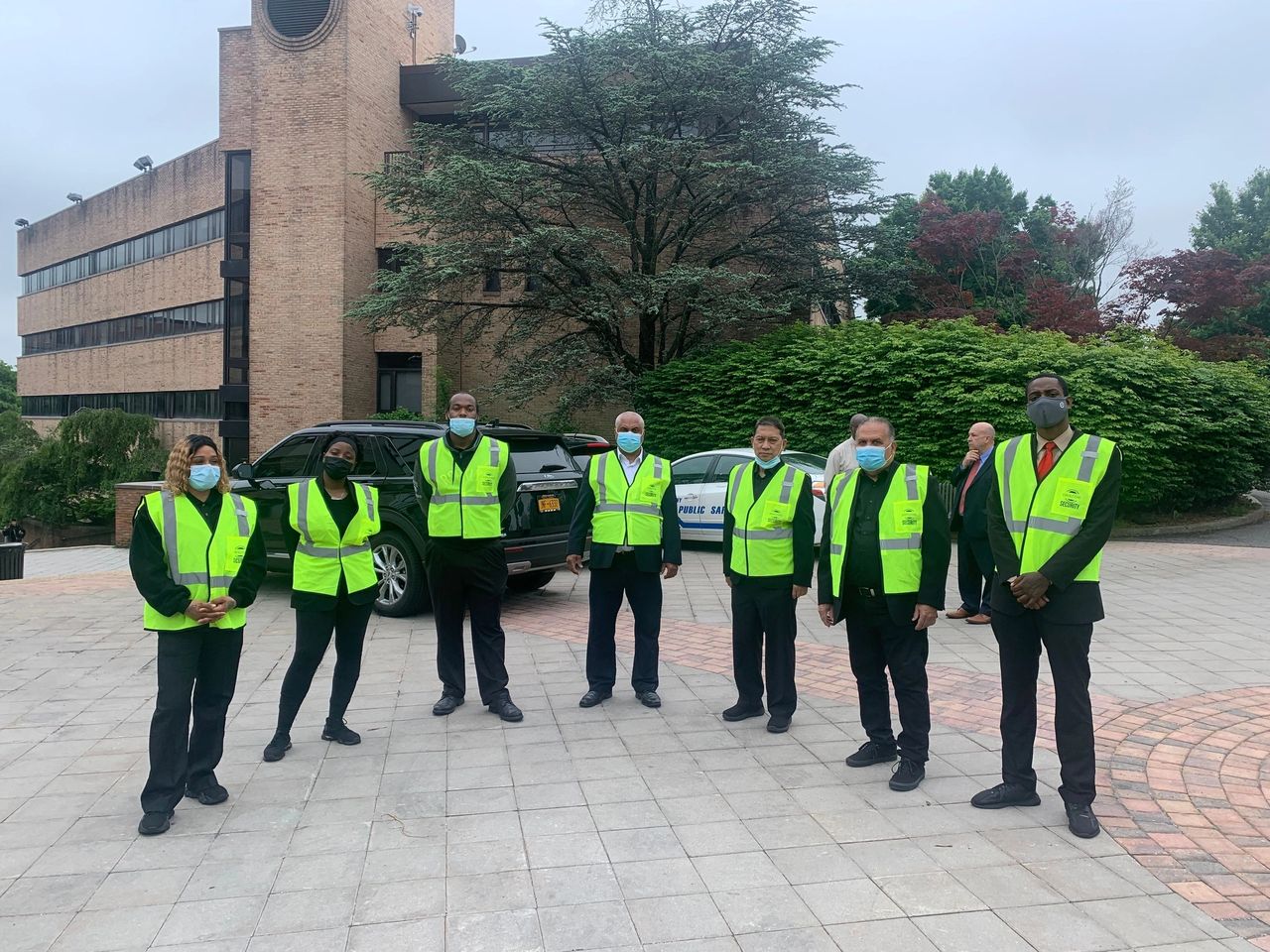
In the vast landscape of employment roles, the term “public servant” often conjures up images of government officials, police officers, and firefighters—individuals who serve the public interest. However, there is some confusion about whether security guards fall under this category. This article delves into what constitutes a public servant and where security guards fit into this classification.
What is a Public Servant?
A public servant is typically an individual employed by the government to perform services that benefit the public. These roles are defined by a commitment to public welfare, legal responsibility, and, often, civil service regulations. Public servants are accountable to the public and must adhere to strict ethical standards. This foundational understanding helps set the stage for comparing these roles to those of a security guard.
Defining a Security Guard
Security guards are tasked with maintaining safety and order, primarily in private or corporate settings. Their duties can range from monitoring surveillance systems to physically patrolling properties. Unlike public servants, their responsibilities often revolve around protecting private interests rather than the public good. Understanding the scope of their work is crucial in determining whether they can be classified as public servants.
Duties and Responsibilities of a Security Guard
The primary role of security guards is to protect property and people by deterring illegal activities. They may work in a variety of settings, including shopping malls, office buildings, and private estates. Their duties can include checking IDs, controlling access to properties, and responding to emergencies. While these responsibilities are vital, they are typically centered on the interests of a private employer rather than serving the public at large.
Types of Security Guards
Security guards can be broadly categorized based on the sectors they work in and the nature of their employment. Understanding these distinctions is essential to exploring whether they can be considered public servants.
Private Security Guards
Individuals, businesses, or organizations hire private security guards to safeguard assets, people, or property from potential threats such as theft, vandalism, or other criminal activity. These guards may work for dedicated security firms or be directly employed by private entities, depending on the size and nature of the protection required. While their primary responsibility is to their employer, their authority is typically limited to the jurisdiction of the property or individuals they are tasked with protecting, meaning they have no law enforcement powers beyond the scope of their assignment.
Corporate Security Guards
Corporate security guards are a subset of private security, often employed by large corporations. They focus on safeguarding corporate assets, intellectual property, and employees. While their role is crucial for business operations, it remains within the private sector, separating them from the public service domain.
Government-employed Security Guards
This category includes security guards who government agencies employ to protect public buildings and officials. While they may seem closer to being public servants due to their government employment, their primary responsibility is still protecting specific assets rather than serving the general public.

Public Servants: A Detailed Overview
To better understand whether security guards could be classified as public servants, it’s essential to delve into the characteristics that define public servants.
Characteristics of Public Servants
Public servants have a legal duty to prioritize the public interest in their work, ensuring they act in ways that benefit society as a whole. They are usually hired through the civil service system and must adhere to strict ethical guidelines, which emphasize integrity, fairness, and transparency. Their responsibilities include being accountable to the public, with their decisions and actions closely monitored by government agencies or regulatory bodies to prevent misuse of power or resources.
Examples of Public Servants
Public servants encompass a wide range of professionals, such as police officers, firefighters, teachers, healthcare workers, and various government employees who serve the public good. These individuals are often hired through formal, transparent public recruitment processes designed to ensure fairness and merit-based selection. Their salaries and operational costs are funded by taxes, emphasizing their role in upholding and improving societal well-being.
Comparing Security Guards and Public Servants
Given the definitions and examples provided, we can now compare security guards and public servants to determine their similarities and differences.
Differences in Employment Status
The most significant difference between public servants and security guards is their employment status. Public servants work for government entities and are accountable to the public, while security guards are usually hired by private companies and serve the interests of their employers. This distinction impacts their duties, with public servants focusing on broader societal needs while security guards typically protect specific private assets or individuals.
Legal and Ethical Responsibilities
Public servants are legally obligated to prioritize the welfare of the general public, making decisions that benefit society as a whole. On the other hand, security guards are hired by private entities, and their primary duty is to protect the assets and interests of their employers. Although they must still comply with laws and regulations, their ethical focus is more centered on safeguarding private property rather than serving the broader public interest.
Accountability and Oversight
Public servants operate within the framework of government regulations and are often monitored by independent oversight bodies to ensure transparency and accountability. They serve the public interest, and their actions can be subject to public review, audits, and disciplinary action by government authorities. In contrast, security guards typically work for private employers, and their accountability is limited to the policies of their organization, with less external oversight and public involvement in their actions.
Security Guards in the Private Sector
In the private sector, security guards play a crucial role in maintaining safety and order. However, their responsibilities are typically limited to private properties and the interests of their employers.
Role and Impact in Private Settings
Security guards play a crucial role in maintaining order and preventing criminal activities in settings like shopping malls, residential complexes, and corporate offices. Their visible presence serves as a deterrent to potential wrongdoers, ensuring the safety of occupants and visitors. However, their influence is largely limited to these specific environments, as they are generally not equipped to address broader public security concerns outside of their designated areas.

Security Guards in the Public Sector
When government agencies employ security guards, their role shifts slightly. They may work in public buildings, government offices, or schools, protecting assets that are considered public property.
Role and Impact in Government Settings
In these settings, security guards are tasked with safeguarding public officials, government buildings, or other critical assets. Although they operate in public spaces, their primary duty is to protect these individuals and properties rather than engaging directly with the general public. Their focus remains on preventing potential threats or unauthorized access to the areas or persons they are assigned to secure.
The Grey Area: Are Security Guards Public Servants?
There is a grey area when considering whether security guards can be classified as public servants. This is especially true for those employed by the government.
Situations Where Security Guards Act as Public Servants
In certain situations, like emergencies or large public gatherings, security guards may take on responsibilities that extend beyond their usual duties, aligning more with public service. They can provide essential support during events, such as managing crowds to ensure safety and order. Additionally, in crisis situations, they often collaborate with law enforcement to offer immediate assistance, such as helping with evacuations or controlling access to restricted areas.
Legal Interpretations and Debates
The debate over whether security guards should be classified as public servants hinges on their role and employment context. Advocates for classification argue that government-employed security guards perform duties that directly benefit the public by maintaining safety and order. In contrast, opponents suggest that their primary function—protecting specific assets or properties—limits their role to private interests, thereby excluding them from the broader category of public service.
Public Perception of Security Guards
Public perception plays a significant role in how security guards are viewed in relation to public servants.
How the Public Views Security Guards
The public often sees security guards as crucial for maintaining safety in both private and public areas, as they help deter crime and respond to incidents. However, many people mistakenly believe that security guards possess the same legal authority and responsibilities as police officers or other law enforcement officials. This misunderstanding can lead to confusion about the extent of a security guard’s role and their limitations compared to those of police officers.
Misconceptions About Their Role
Many people assume that security guards have powers similar to those of public servants, such as the ability to make arrests or enforce laws. In reality, their authority is much more limited and primarily tied to the property they are hired to protect. They can detain individuals or call law enforcement if necessary. Still, they do not have the same legal powers as police officers, and their role is generally restricted to maintaining safety and security on the premises to which they are assigned.

Legal Status of Security Guards
The legal status of security guards varies by jurisdiction and the nature of their employment.
Jurisdictional Variations
In certain jurisdictions, government-employed security guards might enjoy specific legal protections or duties similar to those of public servants, such as enhanced job security or particular legal immunities. These protections could include special provisions for handling misconduct or engaging in official duties. Nevertheless, such arrangements are only sometimes applied and can vary widely depending on the local laws and regulations.
Employment Contracts and Unionization
Security guards’ employment contracts usually outline their specific duties, work hours, and compensation. Unionized security guards, especially those working for government agencies, often benefit from collective bargaining agreements that improve their working conditions and legal protections. These contracts can offer additional job security, better wages, and enhanced workplace rights compared to non-unionized positions.
Ethics and Professionalism in Security Guarding
Ethics and professionalism are critical in the security industry. They impact how security guards are perceived and how they conduct their duties.
Ethical Codes in Security Guarding
Security guards must follow ethical codes that emphasize honesty, integrity, and adherence to the law, reflecting their role in maintaining safety and order. While their moral standards are similar to those for public servants, they are tailored to protect the interests of private entities rather than the general public. These codes ensure that security guards act with professionalism and trustworthiness in their specific roles.
Professional Training and Standards
Professionalism in security guarding is upheld through comprehensive training programs and strict adherence to industry standards, ensuring guards are well-prepared for their specific duties. This specialized training equips them with the necessary skills for effective security management but does not fully encompass the broader ethical and civic responsibilities typical of public servants. Consequently, while security guards play a critical role in maintaining safety, their focus remains distinct from the wider public service obligations.
FAQs
Are security guards considered public servants?
Generally, security guards are not considered public servants. However, those employed by government agencies may have roles that align more closely with public service.
Do security guards have the same authority as police officers?
Actually, security guards have different authority than police officers. Their powers are usually limited to the property they are hired to protect.
Can a security guard make an arrest?
Security guards can arrest citizens if they witness a crime, but they do not have the same powers as law enforcement officers.
What is the difference between a public servant and a security guard?
The main difference is that the government employs public servants to serve the public interest, while private entities typically employ security guards to protect specific assets.
Are government-employed security guards public servants?
While the government employs them, government-employed security guards are usually focused on asset protection rather than public service, which differentiates them from traditional public servants.
What training do security guards receive?
Security guards receive training in areas such as surveillance, emergency response, and legal regulations. The extent of this training can vary depending on the job and jurisdiction.
Conclusion
In conclusion, while security guards play a vital role in maintaining safety and order, their classification as public servants is complex. The primary distinction lies in their employment status, responsibilities, and accountability. Security guards, particularly those in the private sector, are focused on protecting specific assets rather than serving the public at large. However, in certain situations, particularly for those employed by the government, security guards may take on roles that align more closely with public service. Ultimately, whether a security guard is considered a public servant depends on the context of their employment and the specific duties they perform.
Check other blogs
Why You Should Hire a Gated Community Security Guard
Can a Felon Become a Security Guard? Exploring the Possibilities
Training for Cross-Cultural Challenges in International Waters
