

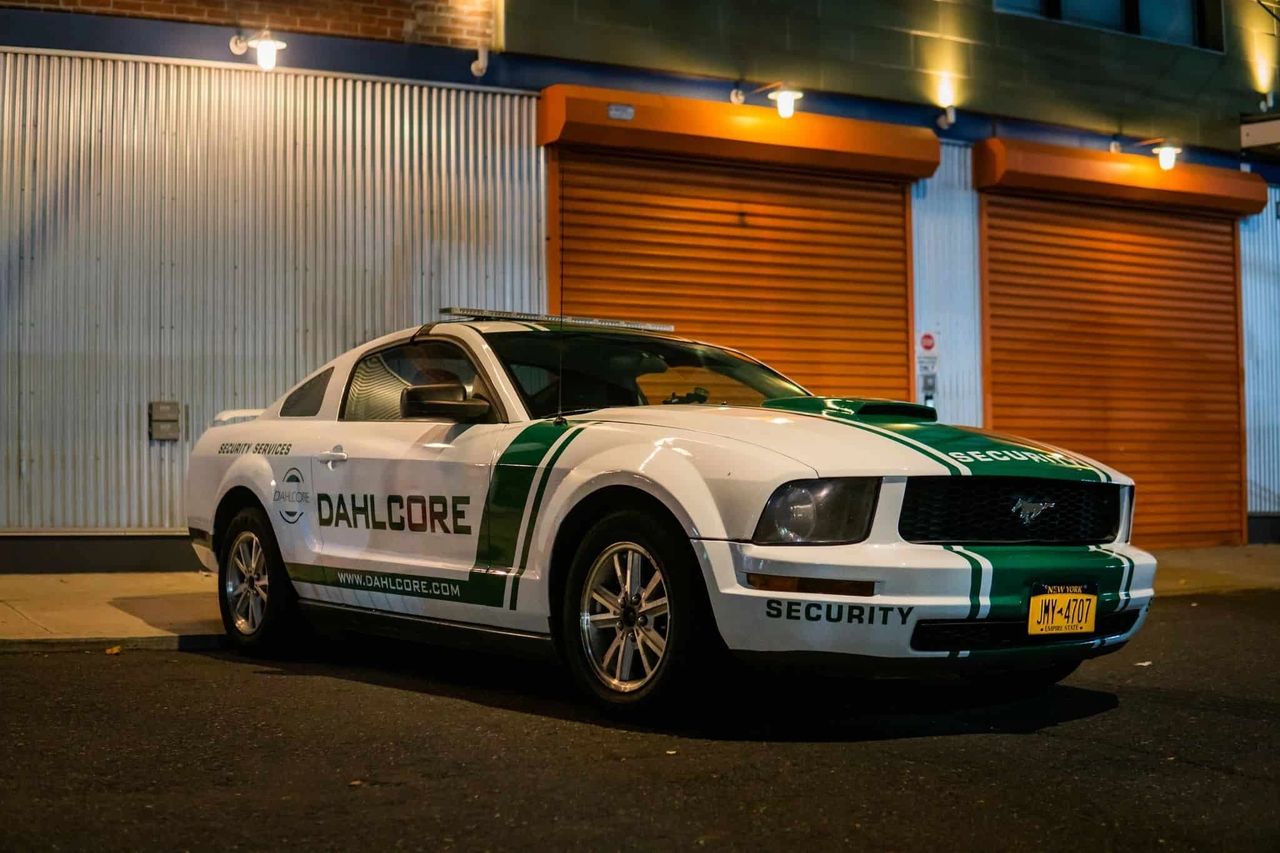
In a world full of cameras, phones, and data, it’s easy to forget that old-fashioned “eyes on you” still matters. Physical surveillance techniques are still widely used, and when professionals slip up, that’s exactly how they get spotted. Understanding Physical Surveillance Techniques: How Professionals Get Spotted helps you protect your privacy, stay safer, and make smarter decisions in your daily life.
Whether you’re a business owner, journalist, executive, or just someone who wants to stay aware, learning how surveillance works doesn’t mean being paranoid. It means noticing patterns, trusting your instincts, and knowing what to do when something doesn’t feel right.
Physical Surveillance Techniques: How Professionals Get Spotted
Physical surveillance is when someone watches a person or place in the real world using their own eyes, vehicles, and sometimes simple tools like cameras or binoculars. It’s different from pure “cyber” spying because it happens on the street, in malls, at offices, and near homes. The main purpose is to track where someone goes, who they meet, and what their daily habits look like.
When you learn what normal behavior looks like in your area and compare it to what feels “off,” you’re already using basic detection skills. You’re paying attention to repetition, timing, and small behavior changes that point to something more than coincidence.
Why Understanding Physical Surveillance Matters Today
You might think physical surveillance is only for spy movies, but it shows up in many real-life situations. Private investigators may monitor cheating cases or insurance claims. Corporate security might watch for threats against executives or facilities. Criminals can use simple surveillance to plan thefts or target victims. In some regions, even activists and journalists face serious risks from being watched.
Because more people work remotely, travel frequently, or share their routines online, it’s easier than ever to build a picture of someone’s life. That makes physical surveillance both more powerful and, in some ways, more dangerous. Understanding how it works doesn’t mean you’ll suddenly see spies behind every tree. It means you’ll know when to pause and ask, “Is this normal?” and then test that feeling instead of ignoring it.
For parents, leaders, and community members, this knowledge also helps you talk to others about safety. You can explain that surveillance is often subtle and boring, not dramatic and loud. That shift alone helps people stay calm while still being aware.
Key Terms: Surveillance, Counter-Surveillance, Detection
Before going deeper, it helps to be clear on a few key words that we’ll use throughout this guide.
- Surveillance: Watching a person, place, or activity to collect information. This can be physical (in person) or technical (cameras, trackers, software).
- Physical surveillance: Surveillance done by people on the ground—walking, driving, or observing from fixed positions.
- Counter-surveillance: Actions used to confuse, detect, or disrupt surveillance. This can be as simple as changing routes or as complex as using trained teams.
- Surveillance detection: A focused process of checking whether you are under surveillance. It uses deliberate routes, timing, and observation, instead of just guessing.
- Target: The person or place being watched.
Once you know these terms, it’s easier to understand how everything fits together. Professionals rely on clear definitions so they can plan and coordinate. You can use the same clarity to think about your own safety and awareness.
Physical Surveillance Techniques: How Professionals Get Spotted
Professionals often try to stay invisible by blending into the background. They sit in parked cars, walk in crowds, or hang out in cafés as if they’re just regular people passing time. But no matter how good they are, they still face one big problem: to gather useful information, they must stay close enough, long enough, and often enough. That’s where they start to create patterns—and those patterns are exactly how they get spotted.
Core Goals of Professional Physical Surveillance
Professional surveillance teams usually have one or more clear goals. They’re not just randomly watching. They’re trying to:
- Learn your daily routes and routines.
- Identify where you live, work, and spend time.
- See who you meet with regularly.
- Understand your habits, such as when you’re alone or distracted.
To reach these goals, they need to be present at key moments in your day: when you leave home, arrive at work, go to the gym, or meet friends. That means they must plan carefully and often work in teams. One person might watch your home, another might follow you by car, and another might sit inside a café you visit.
But the more they need to see, the more they appear in the same places. They can hide for a while, but they can’t hide forever. Again, this need for information is the exact pressure that leads to them being spotted.
Typical Phases of A Surveillance Operation
Most professional operations follow a loose series of phases, even if they change details on the fly:
- Planning: The team gathers basic information: your address, workplace, known habits, and known risks. They scout areas to see where they can park, sit, or blend in.
- Initial observation: They watch from a distance to confirm your routine. At this stage, they try to stay extra hidden and may limit how close they get.
- Active tracking: Once they understand your pattern, they begin to follow you more closely across locations. They coordinate handoffs, change vehicles, and adjust based on traffic and crowds.
- Collection and refinement: Over days or weeks, they focus on specific questions: Who are your key contacts? What times are you most vulnerable? Where do you go that’s off your usual path?
- Wrap-up: When they’ve collected enough, they slowly reduce their presence so it doesn’t look like surveillance “suddenly” stops.
If you only look at a single day, you might not notice much. But if you pay attention over several days, you can often spot repeats in vehicles, faces, or movements that line up with these phases.
Types of Physical Surveillance Used by Professionals
Not all surveillance looks the same. Professionals switch between several types of surveillance depending on the target, the area, and their resources. Knowing these types gives you a mental map of what might be happening around you.
Some techniques are more obvious in busy cities, while others show up more clearly in smaller towns or rural areas. A careful watcher will mix them to avoid creating a single easy-to-spot pattern.
Static Surveillance Posts Around Homes and Workplaces
Static surveillance means staying in one place to watch. Common static posts include parked cars on the street, apartments or offices with a clear view, bus stops, benches, and café seats.
Typical Signs of Static Posts:
- A vehicle that appears often on your street, sometimes changing parking spots but always within view of your front door or gate.
- A person who spends long periods in the same place without a strong reason, like someone sitting in a car for hours with no deliveries or meetings.
- Someone in a café or lobby who always seems to be facing the entrance and rarely changes seats or locations.
Professionals reduce risk by rotating people, changing vehicles, and using believable cover stories (like remote work on a laptop or waiting for someone). They get spotted when they stay too long, return too often, or don’t match the normal rhythm of the area.
Mobile Surveillance On Foot and in Vehicles
Mobile surveillance kicks in when you move. Teams can follow you on foot, by car, on motorbikes, or even by public transit. This is one of the hardest skills to do well, because the environment is always changing.
On foot, they may:
- Stay a half-block behind you.
- Cross the street to keep you in sight without walking directly behind.
- Use shop windows, bus stops, or street corners as temporary cover.
In vehicles, they may:
- Follow at a distance so they don’t appear in your rear-view mirror constantly.
- Use more than one car to pass you back and forth, so you don’t see the same license plate all day.
- Take slightly different turns or lanes while still staying near you.
You may notice them when you change your usual route, and they appear again and again—even after odd turns, loops, or sudden stops.
Covert Social and Close-Contact Surveillance
Sometimes, surveillance isn’t about shadows in the street. It’s about people who seem friendly and interested in your life. This is close-contact surveillance, where someone joins your environment: office, gym, bar, or social group.
They might:
- Start small talk often and ask gentle but probing questions about your routine.
- Show up at the same times and places you do, even when there’s no clear connection.
- Keep their own story vague, changing details about where they live, work, or grew up.
Because humans are social, we tend to trust familiar faces. That’s why this method can be so effective—and also why paying attention to odd curiosity or shaky personal stories is important.
Use of Technology to Support Physical Surveillance
Modern professionals mix physical presence with simple tech tools. They might use:
- Cameras (from phones to long lenses) to capture your comings and goings.
- GPS trackers are used in regions where this is legal or where they ignore the law.
- Public cameras, parking systems, or access logs to confirm where you were.
In many places, businesses and building managers have stronger camera systems now than a few years ago. That means physical surveillance can sometimes hang back and let technology do part of the work. Ironically, it also means there is often more recorded evidence that they were there at all.
Behavioral Patterns That Reveal Physical Surveillance
Physical surveillance often “leaks” through patterns: repeated, unlikely-to-be-random encounters plus behavior focused on observing you without engaging. Indicators are rarely definitive on their own, so look for clusters of behaviors over time rather than a single sign.
Patterns to watch:
- Repeated encounters with the same person/vehicle across different places or times (especially when it doesn’t make sense they’d keep showing up).
- Loitering near your home/work or along your routine routes, including “hanging around” without an obvious purpose.
- Unusual vehicles repeatedly parked outside or near places you frequent (home, workplace), particularly if this becomes a pattern.
Demeanor, Body Language, And “Intent Leakage”
No matter how trained someone is, their intent leaks through their body language over time. Demeanor is the way they hold themselves, where they look, and how they react.
Things that can give them away include:
- Moving when you move, stopping when you stop, repeatedly.
- Turning away or hiding their face too quickly when you glance at them.
- Acting more focused on you than on their supposed activity (like staring at a phone but never actually scrolling).
You don’t need to be an expert to pick this up. You just need to notice when someone’s actions feel tied to yours, not to the environment around them. If every time you change direction, they adjust too, that’s a warning sign.
Repetition, Timing, and Route Correlation
One of the strongest clues is repetition. Almost everyone passes strangers by chance. But when the same person or vehicle appears across different days, times, and locations that are part of your routine, it’s less likely to be an accident.
Watch for:
- The same face at your morning coffee spot, near your office, and at your evening gym.
- A vehicle that appears behind you on different routes, even when you change paths.
- People who “wake up” only when you move—when you leave a building, they leave too.
The key is correlation: their presence tracks your movement, not the normal pattern of the area. The more you vary your schedule and still see them, the more likely it is that you’re looking at surveillance.
Vehicle Behaviors That Give Away Surveillance Teams
Vehicles are convenient for watchers, but also easier to track mentally once you pay attention. Some clues include:
- A specific car parked in sight of your home or workplace again and again.
- Vehicles that match your speed and turns for several blocks with no clear reason.
- Cars that appear in different parts of your route on different days, especially if they’re unusual for the area (for example, a certain color or model that stands out).
In small cities or neighborhoods, locals quickly recognize “that car that’s always there.” In big cities, it takes more effort, but strange repetition still stands out when you look for it.
Urban Surveillance vs. Rural and Low-Traffic Environments
Physical surveillance looks different in crowded city streets than on quiet country roads. In cities, professionals can hide inside streams of cars and groups of people. They can swap vehicles, change sides of the street, or slip into buildings without drawing much attention.
In rural or low-traffic areas, almost everything stands out:
- A car parked on a quiet lane becomes very noticeable after a short time.
- Outsiders, unfamiliar faces, and non-local license plates draw more attention.
- Fewer side streets and hiding spots make it harder to mask clumsy following. These challenges are similar to what construction site security teams face in low-traffic areas where every unfamiliar vehicle stands out.
This means professionals must plan more carefully outside big urban centers. They may sit farther away and rely more on long-range optics or timed observations instead of constant close tracking.
How Crowds, Cameras, and Local Culture Affect Detection
Crowds can hide surveillance, but they can also hide you. In dense areas, a watcher has to work harder to keep eyes on you without losing you. Mistakes happen when they rush, panic, or overreact to sudden changes you make.
Local culture also plays a role. In some neighborhoods, people notice strangers quickly and talk about them. In others, no one wants to get involved. Understanding how your local area behaves helps you decide how much weight to give to a strange person or car.
Cameras add another twist. Police, building managers, or private security companies might be able to review footage if you raise a concern. That makes it much easier to check whether you’re seeing patterns or just worrying for nothing.
Common Mistakes Professionals Make in the Field
Even skilled professionals make mistakes. Some of the most common include:
- Laziness: Using the same comfortable parking spot too often, or the same seat in a café.
- Overconfidence: Assuming the target “would never notice,” so they stop paying attention to their own patterns.
- Poor disguise: Wearing clothing that doesn’t match the area (too formal, too casual, wrong style for the neighborhood).
- Bad timing: Moving or communicating at the exact moment the target changes direction, making the link too obvious.
You may not catch the first small slip, but when you see a few of these stack up, it becomes much easier to see what’s going on.
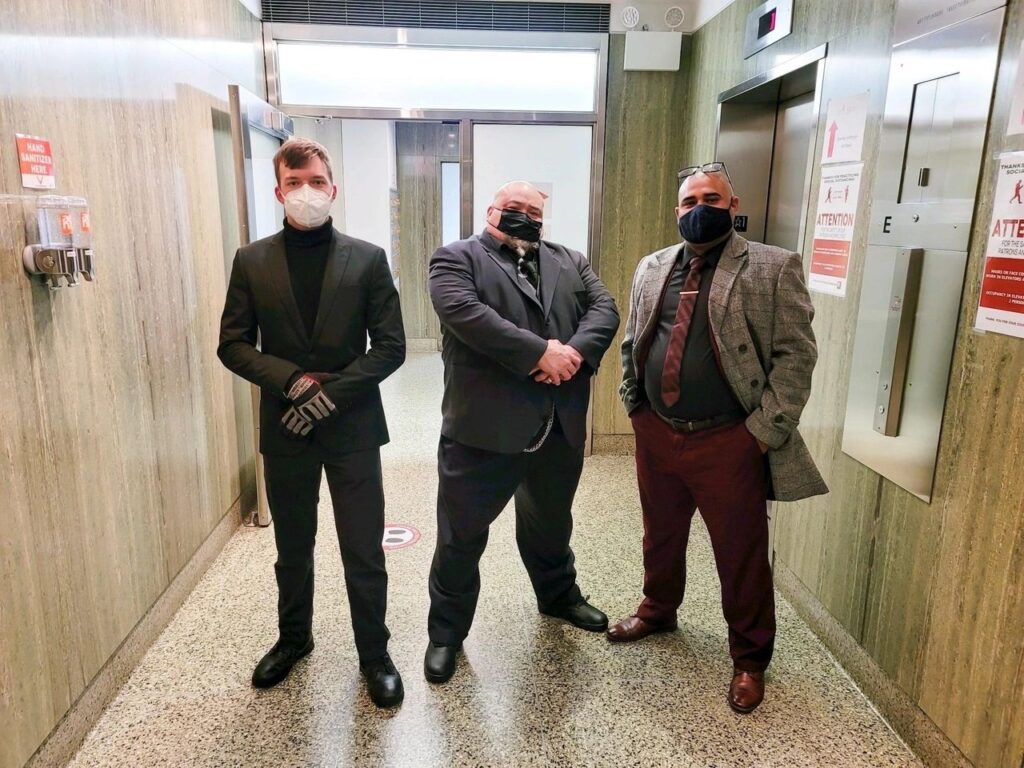
Case-Style Scenarios: How Small Errors Get Noticed
Imagine a business owner who leaves home at the same time every weekday. A silver SUV starts appearing on the street near the house. At first, it parks a few houses away. A week later, the owner notices the same SUV near the office parking lot. Another day, during a weekend lunch, the same SUV passes slowly by the restaurant.
Individually, each sighting means little. Together, they form a pattern. If the business owner then changes their route one morning—taking a side street they never use—and notices the same SUV behind them again, the suspicion becomes much stronger.
In another scenario, a journalist regularly meets sources at different cafés. A man with a laptop seems to “live” at the corner table in two different places they visit. He always arrives early and leaves shortly after they do. His clothes don’t quite match the surrounding crowd. After a few weeks, the journalist starts to recognize his posture and hair, even when he changes jackets. That slow, quiet recognition is exactly how physical surveillance gets spotted in real life.
Counter-Surveillance Basics for Civilians
You don’t need to run full spy operations to protect yourself. Basic counter-surveillance for civilians focuses on staying calm, observant, and deliberate.
Key ideas include:
- Trusting your instincts but testing them with real-world checks.
- Changing your routes and timing sometimes, especially if you feel uneasy.
- Paying attention to who appears around you in more than one location.
- Avoid confrontations that could escalate or put you at risk.
You’re not trying to “beat” professional teams in a movie-style chase. You’re trying to raise or reduce your level of concern with simple, safe actions.
Using the TEDD Method (Time, Environment, Distance, Demeanor)
TEDD is a simple tool often used in security training:
- Time: Do you see the same person or vehicle at different times of day?
- Environment: Do they appear in different types of places—work, home area, shops, or transit?
- Distance: Have you seen them both close (same shop or side of the street) and far (across the road, another lane)?
- Demeanor: Does their behavior suggest they’re more focused on you than on their surroundings?
If you can say “yes” across all four over multiple days, you may have a real surveillance problem. If not, it may simply be a coincidence. TEDD turns vague fear into a more logical process you can explain to others.
Simple Route and Behavior Tests You Can Apply Safely
If you’re worried but not sure, you can run a few safe, low-key tests:
- Take a slightly different route home—add a loop, or turn into a busy gas station or store, and see who follows.
- Leave at a very different time than usual and note whether any familiar faces or vehicles still appear.
- Switch sides of the street or change walking speed to see if someone keeps matching you.
You don’t need to stare or act strangely. Just be aware. If the same person or car keeps showing up during these changes, it’s time to document what you’re seeing and consider asking for help.
Modern Trends: 2026 Physical Surveillance And Detection
In recent years, new technology has changed both sides of the game. On the surveillance side, cheaper cameras, drones in some regions, and stronger phone tools make it easier to gather visual data. On the detection side, more businesses, schools, and organizations train their people on security awareness, including physical surveillance basics.
Many modern buildings also integrate access systems with camera networks as part of their broader physical security approach, creating detailed logs of who entered where and when. For targeted individuals, that means suspicious patterns are more likely to be recorded. For professionals, it means they must consider not just what the target sees but what security systems may capture.
Rising Security Awareness and Corporate Training
Large companies, banks, and even some media organizations now run regular training on topics like travel safety, stalking, and surveillance awareness. These sessions often cover:
- How to plan safe routes in unfamiliar cities.
- How to notice and record suspicious patterns without panicking.
- When to escalate concerns to corporate security or local law enforcement.
As this kind of training spreads, professional surveillance teams find it harder to rely on the target being unaware. Small mistakes that might have passed unnoticed ten years ago are more likely to get flagged today. Many organizations now invest in dedicated Surveillance Detection training to help staff recognize and respond to hostile surveillance in real-world environments.
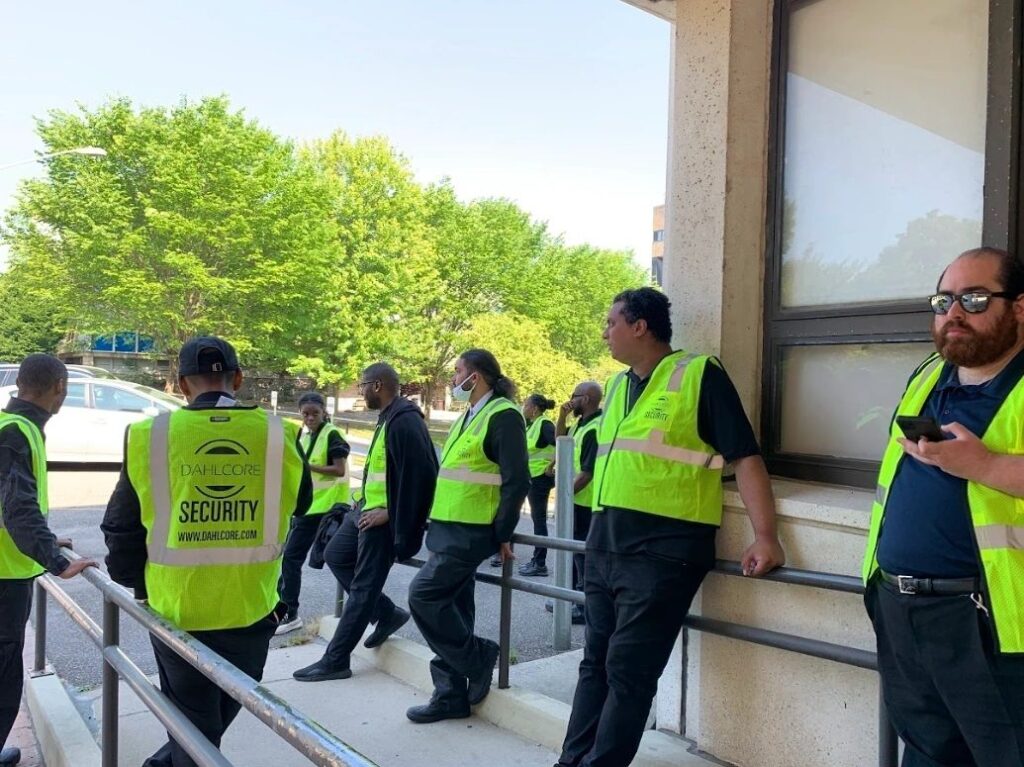
Physical Surveillance Techniques: How Professionals Get Spotted Locally
In many places, including growing cities and regional hubs, local conditions matter. High-density areas with malls, office towers, and mixed-use buildings create more hiding spots for watchers but also more cameras and security staff. Smaller neighborhoods with tight communities may quickly notice unfamiliar cars or people.
If you’re a business owner, you might notice strange vehicles near your shop. If you’re an activist or journalist, you might notice recurring faces at meetings or events. Understanding your local crime patterns, security culture, and police responsiveness helps you decide how seriously to take your observations and who to contact.
When to Call Professionals or Law Enforcement
If you’ve gathered clear patterns—photos, notes, times, and places—and you’re still seeing the same person or vehicle, it may be time to get help. Depending on your situation, options include:
- Local law enforcement, especially if you feel threatened or believe a crime is being planned.
- Private security or investigation firms that specialize in surveillance detection.
- Corporate security teams, Corporate security teams, especially those managing cameras and access control systems, can also help review suspicious patterns.
When you reach out, having organized notes and a calm, clear explanation goes a long way. It shows that you’re not just scared—you’ve done the work to notice real patterns.
How to Document Suspicious Patterns Safely
If you suspect surveillance, documentation is your friend. Try to:
- Keep a simple log with date, time, location, and what you saw.
- Note vehicle details: color, make, model, and any part of the plate you can safely read.
- Note personal details: clothing style, hair, build, and anything that stands out without staring or confronting.
Avoid putting yourself in danger just to get a better picture or video. Your safety is more important than getting a perfect shot. Even rough notes can help trained professionals connect the dots later.
How to Escalate Concerns and Protect Yourself
Once you have a pattern, think about your next steps:
- Share your notes with a trusted friend, manager, or family member so someone else is aware.
- Adjust your routine slightly—vary times, routes, and locations—to reduce predictability.
- If needed, talk to building management or local authorities, and provide your log.
In serious cases, you may also consider reviewing your online sharing. Posting live updates about where you are and where you’re going can make physical surveillance much easier for anyone who wants to track you. In higher-risk cases, some people also choose to work with personal security professionals to reduce exposure and improve response.
FAQs
What are the most common signs of physical surveillance techniques: how professionals get spotted?
The most common signs are repetition and correlation. You keep seeing the same person or vehicle at different times and places that match your routine, not just random locations. When their movements seem tied to yours—starting, stopping, or turning when you do—that’s a strong clue.
Can ordinary people really spot professional surveillance?
Yes. You may not catch every professional, but ordinary people spot surveillance all the time by trusting their instincts and looking for patterns. You don’t need special gear—just awareness, notes, and a willingness to test your gut feeling with simple route changes.
How do physical surveillance techniques, such as how professionals get spotted, differ in cities and rural areas?
In cities, surveillance blends into traffic and crowds, but patterns still show across time and locations. In rural areas or small neighborhoods, unfamiliar cars and faces stand out more quickly. The same basic signs—repetition and correlation—still apply; they just look a little different.
Are physical surveillance techniques only used by law enforcement or spies?
No. They can also be used by private investigators, corporate security, criminals, stalkers, or even people in personal disputes. That’s why regular people need to understand the basics, not just those in government work.
What should I do first if I think I’m being followed?
Stay calm and avoid confrontation. Start by varying your route or timing in safe ways and keep notes about what you see. If patterns continue, share your concerns with someone you trust and consider contacting security professionals or law enforcement.
How often do physical surveillance techniques, such as how professionals get spotted, lead to real danger?
Not every surveillance case is dangerous, but all real cases deserve respect. Sometimes it’s part of an investigation; other times it can be linked to crime or harassment. When in doubt, document, adjust your behavior, and seek advice from professionals who handle safety and security.
Conclusion
Physical surveillance techniques might sound like something from a thriller, but in reality, they’re slow, quiet, and pattern-based. The same need for repeated, close observation that makes them effective also creates the clues that let you spot them. By learning to watch for repetition, timing, demeanor, and vehicle behavior, you put yourself in a much stronger position to stay safe.
If you’re creating content, training materials, or security awareness guides, you can turn this knowledge into checklists, diagrams, and simple exercises that help others protect themselves, too. And if you ever feel that you’re facing a serious threat, don’t handle it alone—reach out to professionals who can support you.
Explore our other blog posts here
Hidden Camera & Listening Device Detection: What Works, What Fail
How to Tell If Your Home Is Bugged: Signs and Safe First Steps
