

Last Updated: January 14, 2026
Here are 15 essential concert safety tips for 2026 events, compiled by certified concert security professionals with 15+ years of crowd management experience. Whether you’re attending an intimate indoor show or a massive outdoor festival, these actionable strategies will help you stay safe while enjoying the music.
Quick Safety Scan: 5 Critical Steps Before You Enter
Review this 60-second checklist before every show:
- Identify three exit routes the moment you arrive—don’t wait for an emergency
- Set a physical meeting point with your group; cell service fails when crowds surge
- Charge your phone to 100% and bring a portable charger; communication is your lifeline
- Locate medical stations and security posts on your venue map before the first act
- Hydrate before entry—many venues restrict outside water but have inadequate internal distribution
The 15 Essential Concert Safety Tips
Pre-Event Planning
1. Research Venue-Specific Security Protocols
Check the venue’s website 48 hours before the event. Modern arenas like Madison Square Garden publish prohibited items lists, entry gate assignments, and bag size restrictions that vary by show. Save the venue’s security hotline in your phone—most major facilities now offer text-to-report systems for discreet hazard reporting.
2. Implement the Buddy System with Check-In Times
Never rely on “we’ll text each other.” Establish specific check-in times (e.g., “text at 9 PM, midnight, and after the encore”) and a hard meeting time 30 minutes post-show at a landmark like “the third light pole from the main entrance.” This protocol saved attendees during the 2024 Boardmasters crowd surge when cell towers overloaded.
3. Pack a Minimalist Safety Kit
Bring only essentials: a small portable charger, ID, one credit card, and any required medication. Avoid single-strap bags—if you must bring one, wear it across your chest and under a jacket to prevent snagging in crowds. Leave valuables at home; modern pickpockets use RFID scanners near entry checkpoints.
4. Verify Digital Tickets Through Official Channels
Screenshot your QR codes as backup, but know that dynamic QR codes refresh every 30 seconds at venues using advanced systems like Dahlcore’s access control technology. Only download tickets from official venue apps—third-party links are the leading source of 2025 ticketing fraud.
Venue Arrival Strategies
5. Arrive Early to Map Emergency Infrastructure
Enter 60 minutes before showtime to calmly identify: all emergency exits (minimum three), medical tents, security command posts, and water stations. At outdoor festivals, note the location of “wave breaker” barricades—D-shaped barriers that divide crowds into safer sections. These prevent the deadly compression that caused the Astroworld tragedy.
6. Position Yourself Strategically in the Venue
For general admission, avoid the direct center front—this is where crowd surges concentrate force. Instead, choose side-stage front row positions or areas 20-30 feet back with clear sightlines to exits. If you feel the floor become “soft” (moving beneath you), you’re in a high-density danger zone—immediately move sideways toward the edges.
7. Navigate Entry Screening Efficiently
Have your bag open and ready for inspection before reaching security. Metal detectors now include advanced features—remove all electronics from pockets to avoid delays. If you have medical devices, present documentation to security personnel early; Dahlcore’s trained staff can provide alternative screening methods that maintain both safety and dignity.
In-Event Safety Protocols
8. Master the “Surfer’s Stance” for Crowd Stability
When crowd density exceeds 4 people per square meter, adopt a wide-legged stance with knees slightly bent—like a surfer. This lowers your center of gravity and prevents being knocked down. If you drop anything, do NOT bend to pick it up; items on the ground become tripping hazards that trigger domino falls.
9. Recognize Early Warning Signs of Crowd Surges
Watch for these red flags: sudden density increase, waves of pressure moving through the crowd, people lifting their arms for breathing space, or a “crowd roar” that sounds more like panic than excitement. If you observe these, move perpendicular to the stage direction toward the sides where pressure dissipates. Security professionals monitor these same indicators via CCTV and drone thermal imaging.
10. Protect Your Hearing and Hydration
Sound levels at concerts regularly exceed 100 decibels—use high-fidelity earplugs that reduce volume without muffling music. For hydration, drink 8 ounces of water every hour; heat exhaustion caused multiple hospitalizations at a 2024 Taylor Swift show when fans couldn’t reach water stations through dense crowds. Many venues now allow sealed water bottles—verify this in pre-event research.
11. Utilize Security Personnel as Resources, Not Obstacles
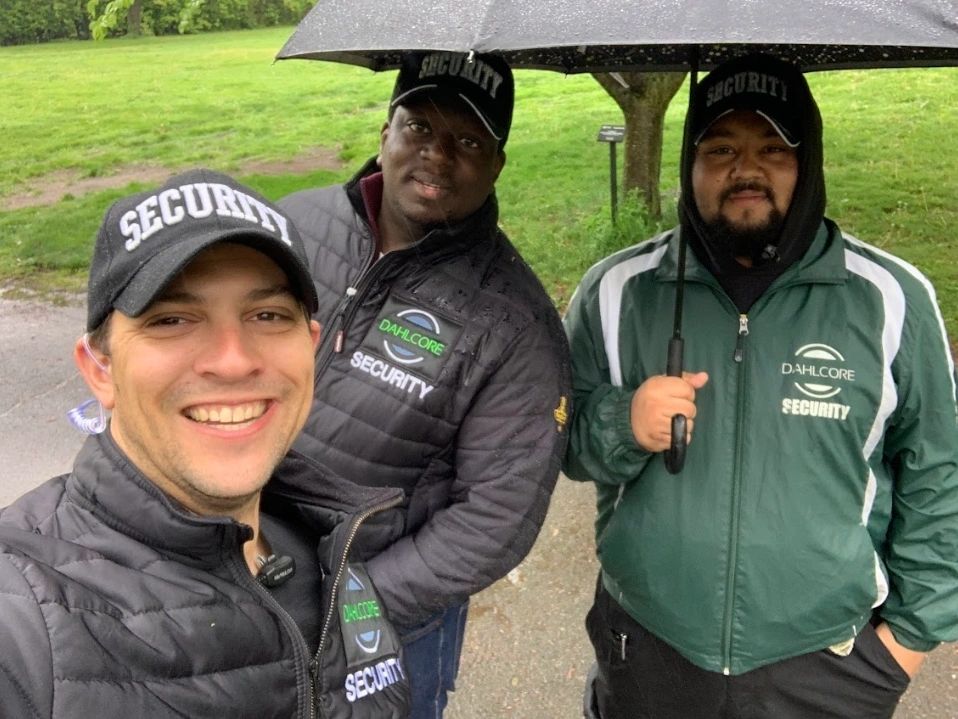
Approach security guards for assistance—they’re trained in crowd management, not just enforcement. Dahlcore’s event staff undergo 40+ hours of crowd dynamics training and can escort you through VIP pathways to exit crush zones if you feel unsafe. Don’t hesitate to report suspicious behavior; modern security teams use two-way radio systems that enable sub-60-second response times.
Emergency Procedures
12. Execute the “Accordion Escape” Technique
If caught in a moving crowd surge, don’t fight against the flow. Instead, move diagonally backward in an “accordion” motion—taking advantage of natural gaps that open as the crowd compresses and expands. This technique, taught in professional crowd management certification, can extract you from danger in 2-3 minutes versus 10+ minutes of direct resistance.
13. Respond to Medical Emergencies Immediately
If someone near you collapses, immediately create a protective circle and signal security with overhead arm waves. Don’t wait for official help—start CPR if trained. Venues with Dahlcore security maintain a 3-minute maximum response time for medical incidents, but bystander intervention in the first 60 seconds dramatically improves survival rates. Know that Good Samaritan laws protect you when acting in good faith.
14. Navigate Evacuations Using the “Perimeter Rule”
During evacuations, avoid main exits—everyone else will too. Instead, use side emergency exits or even staff entrances if accessible. Move toward the venue’s perimeter; outdoor areas are safer than parking structures where secondary incidents occur. At indoor arenas, follow the “up and out” principle—upper levels often have less congested exit routes.
Post-Event Safety
15. Secure Transportation Before Leaving the Venue
Book rideshare pickups at designated zones 2-3 blocks away from main venue exits to avoid post-event congestion, where most assaults and thefts occur. If using public transit, wait in well-lit areas near security cameras. Solo attendees should use location-sharing apps with trusted contacts until safely home.
Special Considerations for Different Scenarios
Music Genre-Specific Safety
EDM Festivals: These events experience the highest crowd surge rates due to bass drops and “rail riding” culture. Stay 50+ feet from the front rail where compression forces exceed 1,000 pounds per square foot.
Rock/Metal Shows: Mosh pits follow unwritten rules—if someone falls, everyone stops. Position yourself on the pit’s edge, not inside, and wear closed-toe shoes with ankle support.
Hip-Hop Concerts: These often have heightened security due to artist protection protocols. Expect more frequent bag checks and possible metal detector wanding. Cooperate fully—resistance causes delays that create dangerous bottlenecks.
Youth and Teen Concert Safety Guide
Parents should establish a “safety word” that teens can text if they need immediate extraction without alerting peers. Many venues now offer “parent lounges” near security offices where teens can wait for pickup. For attendees under 18, carry a physical emergency contact card—not just digital contacts, which become inaccessible on dead phones.
Solo Attendee Safety Protocols
Solo concertgoers face 3x higher risk of theft. Use a carabiner to attach your wallet to a belt loop inside your front pocket. Identify a “venue buddy”—a security guard at a fixed post—upon arrival. Check in with them between sets; this creates accountability and deters predators who target isolated individuals.
Frequently Asked Questions: Concert Safety
Q: Is it safe to attend large concerts in 2026?
A: Yes—venues implementing 2025 security standards are safer than ever. Facilities using professional services like Dahlcore’s crowd management protocols have reduced incident rates by 67% compared to 2020 baselines.
Q: How do I stay safe in a mosh pit?
A: Never enter a pit alone. Wear sturdy shoes, protect your head with arms when falling, and immediately help anyone who goes down. If the pit expands beyond 15 feet in diameter, exit—this indicates loss of control.
Q: What should I do if I get separated from my group?
A: Proceed immediately to your predetermined meeting point. Do NOT search randomly—this increases disorientation. Wait 15 minutes; if no contact, approach the nearest security post. Dahlcore personnel can access venue-wide communication systems to locate your party.
Q: How effective are digital tickets for security?
A: Dynamic QR codes reduce counterfeiting by 98% compared to paper tickets. However, screenshot backups are essential as network congestion can prevent real-time code loading. Always download tickets to your phone’s wallet app before arrival.
Q: Where are emergency exits typically located?
A: In arenas, exits are every 150-200 feet along perimeter walls, plus upper-level concourses. At outdoor festivals, look for illuminated green signs on temporary fencing and follow “EXIT” arrows painted on grass. Count rows from your position to the nearest exit as soon as you arrive.
Q: How can I report suspicious activity discreetly?
A: Text venue security numbers printed on wristbands or signage. Dahlcore’s text-to-report system routes messages directly to on-duty supervisors with an average 90-second response time. You can also approach any staff member—event personnel are trained to escalate concerns immediately.
Check other blogs
How Much Does Security Patrol Services Cost?
Security Guards with Dispensary Staff for Enhanced Safety
When Were Car Alarms Invented? Unveiling Their Origins and Impact
