

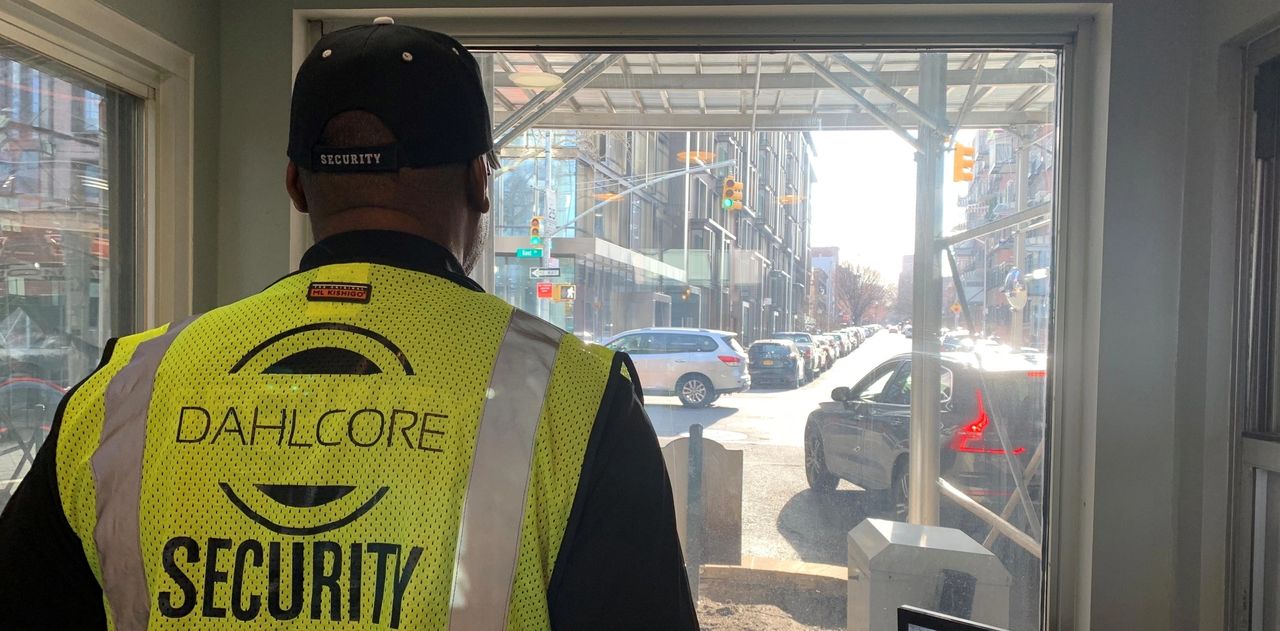
In the dynamic world of hospitality, ensuring the safety of guests in high-risk hotel areas is not just a necessity but a paramount responsibility. With the evolving security threats in today’s world, hotels are compelled to adopt comprehensive security measures. This article delves into various strategies and technologies aimed at fortifying high-risk areas, thereby enhancing the overall security infrastructure of hotels.
Security Measures for High-Risk Hotel Areas
Implementing Advanced Surveillance Systems
Advanced surveillance technology has become indispensable in monitoring high-risk areas by seamlessly integrating CCTV cameras with AI-based analytics. This integration enables real-time threat assessment and management, providing a proactive approach to security that ensures continuous vigilance and enhances the ability to detect and respond to potential threats swiftly and effectively.
Securing Perimeters with Enhanced Controls
The perimeter serves as the initial line of protection in high-risk areas, acting as a critical deterrent against unauthorized entry. Employing a combination of physical barriers like walls or fences, electronic fencing with sensors and alarms, and thoughtfully designed landscaping can collectively create a robust defense system, discouraging potential intruders and ensuring the integrity of the secure boundary.
Access Control and Biometric Verification
Access control systems, mainly those integrating biometrics, offer a highly effective means of managing entry into secure areas. These systems not only limit access to authorized individuals but also enhance security by continuously monitoring and recording personnel movements, providing organizations with a comprehensive and real-time understanding of who is accessing sensitive areas, when, and for how long, ultimately bolstering overall security measures.
Training Staff for Emergency Situations
Empowering hotel staff with comprehensive training in emergency response is absolutely crucial, as their ability to handle unforeseen situations can make a critical difference in ensuring the safety of guests and employees. Regular drills and awareness sessions not only familiarize staff with security protocols but also help them develop the confidence and quick-thinking skills necessary to respond effectively during emergencies, ultimately enhancing the overall preparedness of the hotel and its staff to handle any unexpected situations.
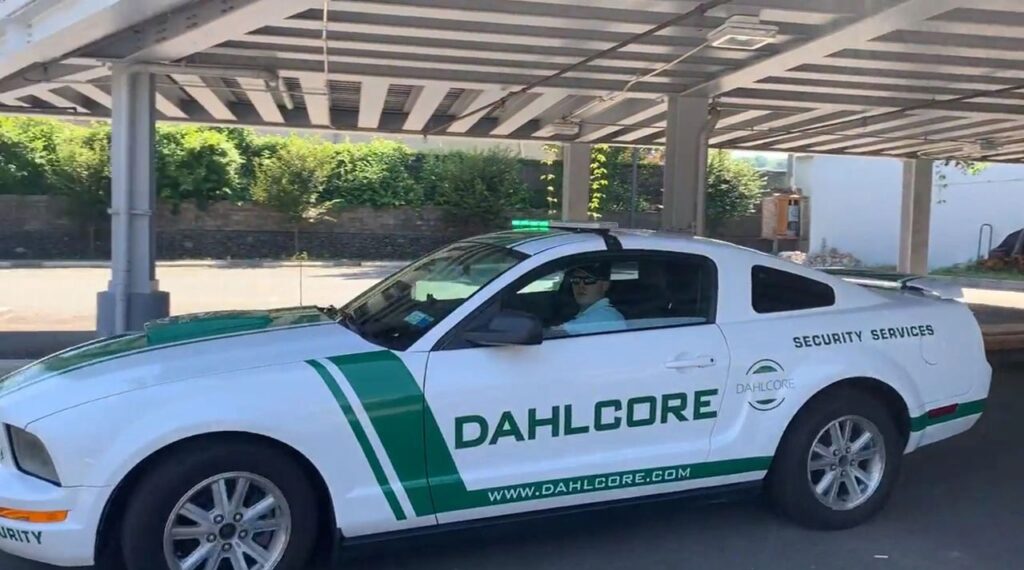
Implementing Cybersecurity Measures
In the increasingly digitized hospitality industry, safeguarding a hotel’s IT infrastructure is paramount to ensure the protection of guest information. Implementing robust firewalls and secure Wi-Fi networks helps defend against external threats, while conducting regular cyber audits helps identify vulnerabilities and ensures compliance with data protection regulations, ultimately fostering a secure environment for both guests and the hotel’s reputation.
Incorporating Smart Room Technology
Innovative room technology plays a pivotal role in elevating the overall guest experience while simultaneously bolstering security measures. Features such as automated locks, intrusion alarms, and emergency communication systems are integral elements of an intelligent room setup. These technologies not only provide guests with convenience and peace of mind but also ensure their safety and security throughout their stay, creating a more enjoyable and secure environment.
Innovative Security Strategies
Utilizing AI and Machine Learning for Threat Detection
The integration of artificial intelligence and machine learning algorithms into a hotel’s security system equips it with the ability to analyze vast amounts of data in real time, enabling the early detection and prediction of potential security threats. This proactive approach enhances the overall security measures by allowing the system to identify suspicious patterns, anomalies, or behaviors, ultimately ensuring a safer environment for guests and staff alike.
Guest Education and Communication
Adequate security measures and protocols are essential for maintaining a safe environment, but equally crucial is ensuring that all guests are well-informed about these measures. Clear and transparent communication of safety guidelines and procedures not only helps guests understand what is expected of them but also fosters a sense of trust and confidence in the security measures in place, ultimately contributing to a more secure and reassuring environment for everyone involved.
Collaboration with Local Law Enforcement
Building a solid and collaborative relationship with local law enforcement agencies is crucial for a swift and effective response to security breaches. By regularly coordinating and sharing information with them, organizations can create a more robust security framework that not only helps prevent incidents but also ensures a rapid and coordinated response in the event of any security threat, ultimately safeguarding the safety and interests of the community and the organization alike.
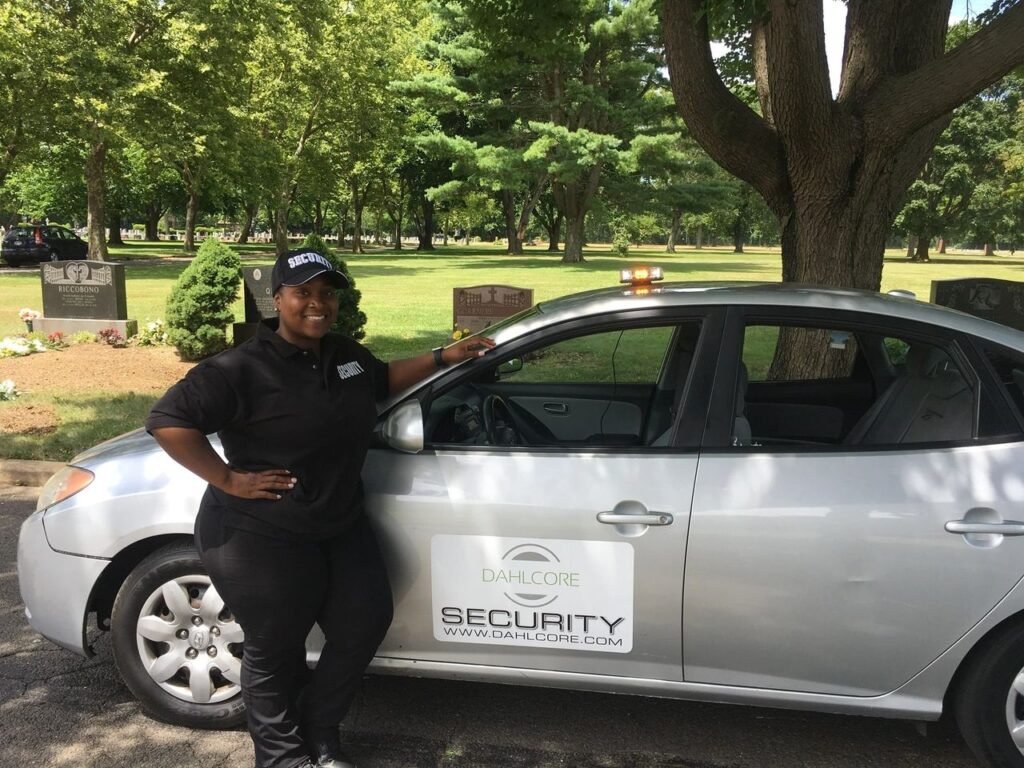
Regular Security Audits and Updates
Regular security audits are essential as they enable organizations to proactively assess their systems, networks, and processes to uncover potential vulnerabilities and weaknesses. This proactive approach helps in identifying and addressing security issues before they can be exploited by malicious actors, thus reducing the risk of data breaches and other security incidents.
Furthermore, staying updated with the latest security technologies and practices is crucial because the threat landscape is constantly evolving. By keeping abreast of the latest developments in cybersecurity, organizations can adapt and enhance their security measures to effectively counter new and emerging threats, ensuring the ongoing protection of their valuable assets and sensitive data.
Enhancing Guest Trust and Confidence
Building a Culture of Safety
Establishing a culture of safety within a hotel requires the active participation and dedication of every staff member. Regular training and awareness programs play a crucial role in fostering this culture by educating employees about security protocols, potential risks, and the importance of vigilance, ultimately creating a sense of collective responsibility for ensuring the safety and well-being of guests and colleagues.
Transparent Security Policies
Maintaining transparency about the hotel’s security measures with guests builds trust by demonstrating a commitment to their safety and peace of mind. Clearly outlining the steps taken, such as 24/7 surveillance, secure access control systems, and well-trained security staff, not only assures guests of their well-being during their stay but also fosters a sense of comfort and confidence in the hotel’s dedication to their security.
Feedback and Continuous Improvement
When a hotel consistently receives positive feedback from its guests regarding its security arrangements, it not only reflects the establishment’s commitment to ensuring the safety of its guests but also signifies a high level of customer satisfaction. Furthermore, actively working on improvements in security measures shows that the hotel is active and is willing to adapt and evolve to meet the ever-changing security needs and expectations of its guests, fostering an environment of trust and confidence.
FAQs
How do advanced surveillance systems enhance hotel security?
Advanced surveillance systems, especially when integrated with AI, play a pivotal role in real-time monitoring and threat assessment, providing an essential layer of security in high-risk areas.
What role does staff training play in hotel security?
Staff training is critical in emergency preparedness. Regular drills and knowledge of security protocols ensure that the hotel staff can effectively respond to any security challenges.
How does intelligent room technology contribute to hotel security?
Innovative room technology, with features like automated locks and intrusion alarms, enhances both the guest
experience and security. It provides a sophisticated mechanism to ensure guest safety within their personal spaces.
Can collaboration with local law enforcement impact hotel security?
Yes, collaboration with local law enforcement agencies is vital for rapid response in case of security breaches. This partnership enhances the effectiveness of security measures in high-risk hotel areas.
What is the importance of cybersecurity in hotels?
Cybersecurity is crucial to protect sensitive guest data and prevent digital threats. Implementing robust cybersecurity measures safeguards the hotel’s digital infrastructure and maintains guest confidence.
How does guest education improve the security environment in hotels?
Educating guests about security protocols and safety guidelines empowers them to be more vigilant and cooperative, contributing to a safer and more secure hotel environment.
Conclusion
In conclusion, implementing comprehensive security measures in high-risk hotel areas is fundamental in the hospitality industry. It requires a combination of advanced technology, staff training, guest education, and a proactive approach to safety and cybersecurity. By adopting these strategies, hotels can ensure the safety and trust of their guests, thereby reinforcing their reputation as secure and reliable establishments.
Check other blogs
Cracking Loss Prevention in 2023: Your 12-Step Power Guide!
Secure Your Multi-Family Residence: Innovative Guard Alternatives
What Disqualifies You from Being a Security Guard? Key Factors
