


Loss prevention refers to businesses’ strategies and tactics to prevent financial loss due to theft, fraud, or other forms of misconduct. Understanding its importance ensures the smooth functioning of companies, large or small.
What is Loss Prevention?
Put, loss prevention is about safeguarding assets. In the retail sector, it’s the measures taken to prevent shoplifting and internal theft. In the digital world, it’s about cybersecurity, data protection, and fraud prevention.
Why is Loss Prevention Essential for Businesses?
Without effective loss prevention, companies risk financial losses that can cripple their operations. Beyond monetary aspects, it also preserves brand reputation and customer trust.
The Evolution of Loss Prevention
The methods and tools have evolved dramatically, driven by technological advancements and the changing nature of threats.
The Past: Traditional Methods
Gone are the days of merely placing a security guard at the entrance. Earlier, loss prevention was limited to physical security measures like locks and basic alarms.
The Present: Modern Techniques
Today’s methods blend technology with human expertise. Surveillance cameras, alarm systems, and employee training have taken center stage.
Future Predictions: Where is Loss Prevention Heading?
As technology evolves, businesses leverage AI, machine learning, and predictive analytics for even more efficient loss-prevention strategies.
How Does Loss Prevention Work in Retail?
A significant sector affected by loss, retail businesses have developed sophisticated approaches to minimize it.
Theft Prevention
Modern retailers use electronic article surveillance tags, security cameras, and trained personnel to deter and detect theft.
Inventory Control and Management
Retailers can quickly identify and address discrepancies by tracking inventory levels, minimizing loss.
Handling Fraudulent Transactions
Advanced point-of-sale systems now have features to detect and prevent fraudulent transactions in real time.
Loss Prevention in the Digital Realm
The online space presents its unique challenges and requires equally impressive solutions.
Digital Security Measures
Firewalls, encrypted communications, and secure payment gateways are the first line of defense in digital loss prevention.
Cybersecurity and its Role in Loss Prevention
Protecting against cyber threats, including hackers and malware, is paramount in today’s interconnected world.
The Role of Technology in Enhancing Loss Prevention
As the old saying goes, “There’s an app for that!” Indeed, technology has infused loss prevention with unparalleled efficiency.
The Power of Artificial Intelligence
AI-powered cameras can detect suspicious activities, and machine learning algorithms can identify patterns of theft or fraud.
The Rise of Smart Surveillance
Beyond mere recording, modern surveillance systems can analyze and respond to potential threats in real time.
Benefits of Effective Loss Prevention
A well-executed loss prevention strategy offers myriad benefits.
Savings for Businesses
It’s simple math: reducing loss means increased profits. Businesses can reinvest these savings for growth.
Improved Business Operations
Efficient operations are a byproduct of effective loss prevention. It leads to better inventory management and streamlined processes.
Customer Trust and Loyalty
When customers see that a business takes their safety and security seriously, it fosters trust and loyalty.
Collaborative Approach: Working with Law Enforcement
A collaborative approach to loss prevention, specifically involving partnerships with law enforcement agencies, offers multiple advantages for businesses. This synergy is critical for fostering a safer commercial environment in the physical and digital realms.
Information Sharing:
- Businesses can share real-time data and insights about theft trends and suspicious activities.
- Law enforcement agencies can update businesses about local crime patterns and potential threats.
Joint Training Sessions:
- Law enforcement professionals can train retail staff to respond to live threats.
- Such sessions can equip employees with conflict resolution, threat identification, and appropriate escalation protocols.
Resource Pooling:
- Collaborating allows businesses and law enforcement agencies to pool resources, such as surveillance equipment or intelligence software.
- This reduces costs and ensures that state-of-the-art tools are used for loss prevention.
Building Public Trust:
- Visible collaboration between businesses and police can instill confidence among customers.
- It sends a message that the establishment is serious about security and will take steps to ensure customer safety.
Legal Support:
- In the heartbreaking event of robbery or scam, having a direct line with law enforcement can expedite legal processes.
- This means quicker resolution times and a higher likelihood of recovering lost assets.
When businesses and law enforcement unite, it creates a formidable front against theft, fraud, and other forms of loss.

Physical Countermeasures in Today’s Retail Environment
In today’s dynamic retail landscape, ensuring the physical safety of goods and assets has become paramount. Modern retailers employ a mix of traditional methods, enhanced with technological innovations, to prevent losses.
Surveillance Systems:
- Cameras: Strategically placed to monitor entrances, exits, and high-value sections.
- Mirror Systems: Positioned to eliminate blind spots in stores.
Electronic Article Surveillance (EAS) Tags:
- These are attached to merchandise and trigger alarms if not deactivated during checkout.
- They come in various forms, including hard tags, stickers, and specialty tags for unique items.
Locked Display Cases:
- High-value items like electronics or luxury goods are often displayed in closed cases.
- This delivers an added layer of protection and ensures that staff assistance is needed for access.
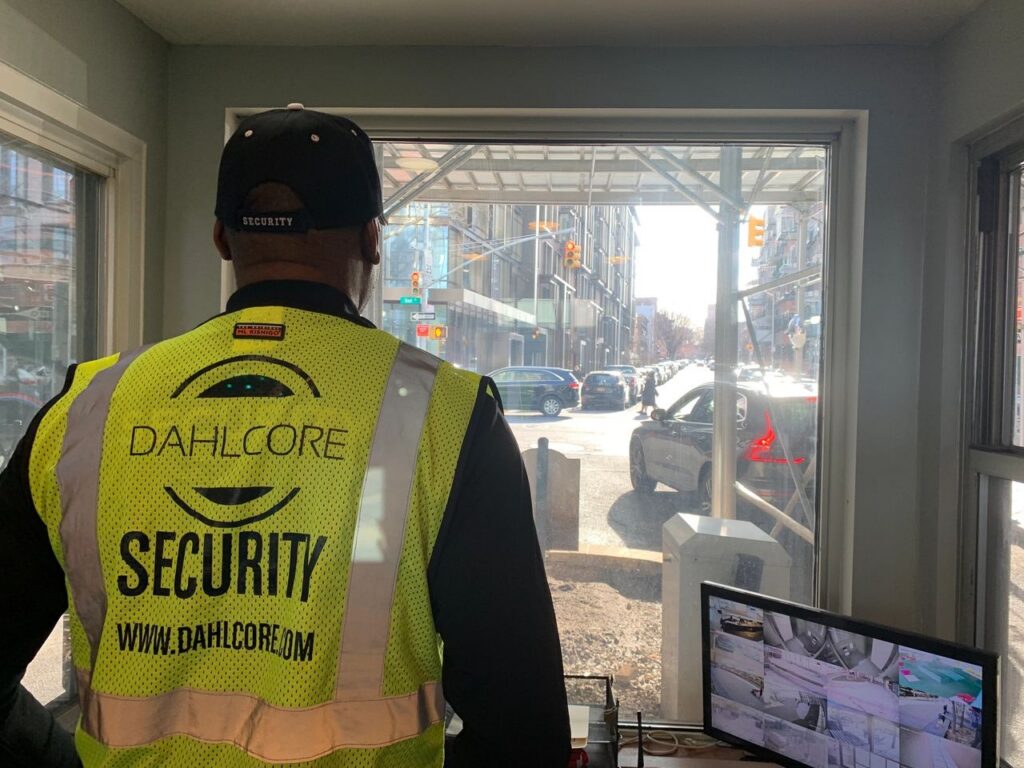
Uniformed Security Personnel:
- A visible security presence can deter potential shoplifters.
- They can also assist in situations where immediate intervention is required.
Controlled Store Entrances and Exits:
- Many retailers have specific entry and exit points, often monitored by security personnel or electronic systems.
- This helps in controlling the flow of customers and monitoring suspicious activities.
Customer Service as a Deterrent:
- Engaged employees who actively approach and assist customers can deter theft.
- Potential thieves often avoid stores where they feel they’re being watched or noticed.
With these measures in place, retailers can significantly reduce their vulnerability to theft, ensuring that their merchandise remains secure and their profits are protected.
FAQs
How do retailers combat shoplifting?
Shoplifting is fought using technology (like surveillance cameras and electronic tags) and human surveillance (like store detectives).
Is online shopping safe from theft?
While online shopping introduces new risks, such as data breaches and fraud, stringent cybersecurity measures are often in place to ensure customer safety.
What position do workers play in loss deterrence?
Employees play a crucial role as they’re often the first line of defense against theft and fraud. Proper training ensures they’re equipped to handle such situations.
How is AI transforming loss prevention?
AI is making strides in predictive analytics, allowing businesses to anticipate potential risks and take preventive action. It also enhances surveillance and fraud detection.
Can loss prevention measures guarantee no losses?
While these measures significantly reduce the risk, it’s nearly impossible to guarantee zero losses due to the unpredictable nature of theft and fraud.
How can consumers contribute to loss prevention?
Consumers can play their part by being vigilant, reporting suspicious activities, and practicing safe online habits.
Conclusion
Loss prevention is an ever-evolving field, continuously adapting to new challenges. As threats grow sophisticated, so do the methods to counter them. By understanding the nuances of “how loss prevention works,” businesses can foster an environment of trust and safety for employees and customers.
Check other blogs
How To Find a GPS Tracker On Your Car and Remove: 2025 Guide
Ensuring Guest Safety: The Role of Security Guards in Hotels
Navigating Security Challenges in Remote Construction Locations
