

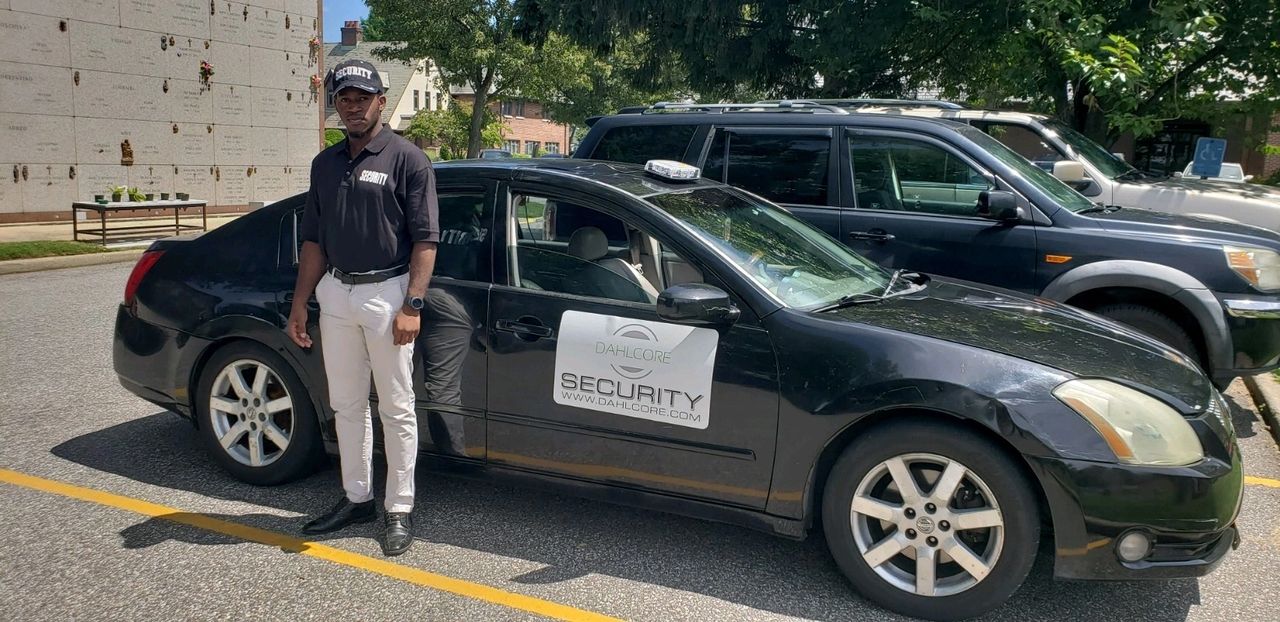
Crowd control is a critical aspect of event management, ensuring the safety and security of attendees, staff, and property. Security guards play a pivotal role in this process, using their training, skills, and experience to manage large groups of people effectively. This article delves into the responsibilities of security guards in crowd control, the essential skills they need, and the strategies they employ to handle various situations.
Introduction
Effective crowd control is vital for the safety and success of any significant event. Whether it’s a concert, a sports game, or a public demonstration, managing the movement and behavior of large groups of people requires meticulous planning and execution. Security guards are at the forefront of this task, ensuring that events run smoothly and safely.
The Role of a Security Guard
Security guards are tasked with maintaining order and preventing incidents during events. Their responsibilities include monitoring crowd behavior, managing access points, and responding to emergencies. They serve as the first line of defense against potential hazards, ensuring that attendees follow event protocols and regulations.
Skills and Training
Essential Skills
Security guards must possess a range of skills to perform their duties effectively. These include solid observational abilities, excellent communication skills, and the capacity to remain calm under pressure. Physical fitness is also crucial, as the role often requires standing for long periods and handling potentially confrontational situations.
Training Programs
Comprehensive training programs are essential to equip security guards with the necessary skills. These programs cover various aspects of crowd control, including conflict resolution, emergency response, and the use of surveillance technology. Continuous training ensures that security personnel stay updated with the latest practices and technologies in the field.
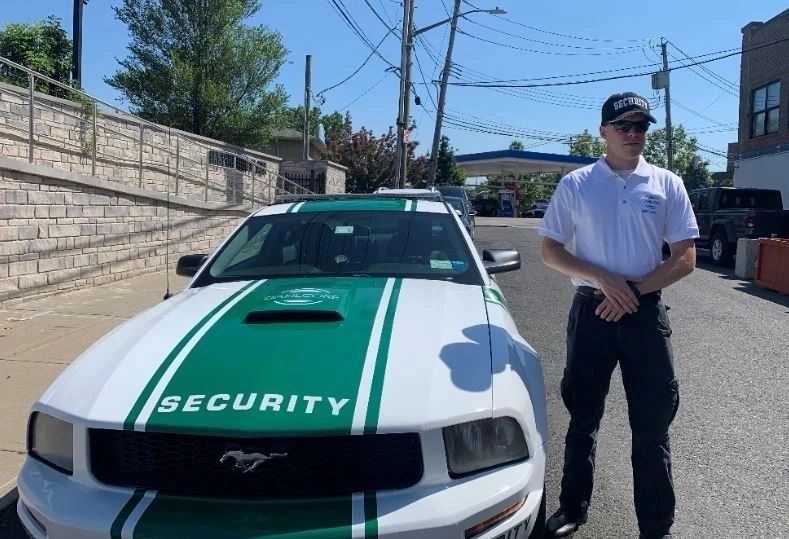
Pre-Event Planning
Risk Assessment
Before any event, security teams conduct thorough risk assessments to identify potential threats and vulnerabilities. This involves evaluating the venue, understanding the nature of the event, and anticipating crowd behavior. Effective risk assessment helps formulate strategies to mitigate identified risks.
Emergency Plans
Developing detailed emergency plans is a crucial part of pre-event planning. These plans outline procedures for different types of emergencies, such as medical incidents, fires, or security breaches. Security guards must be familiar with these plans and ready to implement them when necessary.
Monitoring and Surveillance
Use of Technology
Modern security relies heavily on advanced technology to manage and control crowds effectively. Surveillance cameras, drones, and various monitoring devices enable security personnel to oversee expansive areas, swiftly detect potential problems, and respond promptly to any incidents. This technological integration enhances situational awareness, improves response times, and ultimately contributes to safer environments in public and private spaces.
Physical Patrolling
Despite technological advancements, physical patrolling remains a crucial aspect of crowd control, as it ensures a hands-on, responsive approach to managing large gatherings. Security guards patrol the venue not only to maintain a visible presence but also to deter potential misconduct through their direct interaction and vigilance. Additionally, their presence provides immediate assistance and support to attendees, enhancing overall safety and security.
Crowd Behavior Management
Understanding Crowd Psychology
Understanding crowd behavior in various scenarios is crucial for effective crowd control, as it allows authorities to anticipate and mitigate potential risks. Security guards undergo specialized training to identify early indicators of unrest, panic, or aggression, enabling them to respond swiftly and appropriately. By taking proactive measures, they can manage crowd dynamics more efficiently, ensuring safety and preventing conflict escalation.
Communication Techniques
Clear and calm communication is vital when managing crowds, as it helps prevent confusion and panic among attendees. Security guards utilize techniques such as authoritative yet friendly tones, clear signage, and active listening to convey instructions effectively, provide essential information, and de-escalate potential conflicts before they escalate. Maintaining good communication not only helps in preserving order but also ensures that the attendees feel secure and well-informed, contributing to a positive overall experience.

Access Control
Ticket Checking
Managing entry points is a fundamental aspect of crowd control, involving several critical tasks to ensure safety and order. Security guards play a vital role in this process by checking tickets, verifying identities, and ensuring that only authorized individuals gain access to the event. By effectively managing these entry points, they help prevent overcrowding, maintain a secure environment, and ensure that the event runs smoothly without unauthorized interruptions.
Entry and Exit Management
Efficient management of entry and exit points is essential for maintaining smooth traffic flow and preventing congestion during events. Security personnel collaborate closely with event organizers to strategize and implement optimized routes for attendees entering and exiting the venue. Their coordination ensures a seamless experience for participants while maintaining a secure environment throughout the event duration.
Handling Emergencies
Emergency Protocols
In the event of an emergency, security guards are required to respond swiftly and with transparent decision-making. Their primary responsibility is to adhere to established protocols designed to effectively manage the situation at hand, which may include tasks such as evacuating the premises, administering first aid as needed, and liaising promptly with emergency responders. By executing these procedures efficiently, security guards play a crucial role in ensuring the safety and well-being of everyone involved during critical incidents.
First Aid and Medical Response
Security guards typically undergo basic first aid training to manage minor medical incidents effectively. When faced with more severe cases, their role extends to supporting medical professionals and ensuring injured individuals receive immediate and appropriate medical care. This dual responsibility underscores their crucial role in maintaining safety and providing initial medical assistance within their designated areas of duty.
Interpersonal Skills
Conflict Resolution
In crowd control, managing conflicts is a routine responsibility. Security guards undergo rigorous training to defuse disputes tactfully, employing effective negotiation and mediation strategies to achieve peaceful resolutions. Their ability to address conflicts calmly and diplomatically helps maintain order and prevent situations from escalating within crowded environments.
Customer Service
In addition to their primary role in maintaining security, security guards serve as vital customer service representatives during events, providing attendees with essential information and assistance. Their friendly and approachable demeanor enhances the overall attendee experience, ensuring that guests feel safe and supported throughout the event. By combining their security responsibilities with a customer-focused approach, security guards play a crucial role in creating a positive and welcoming environment for all attendees.
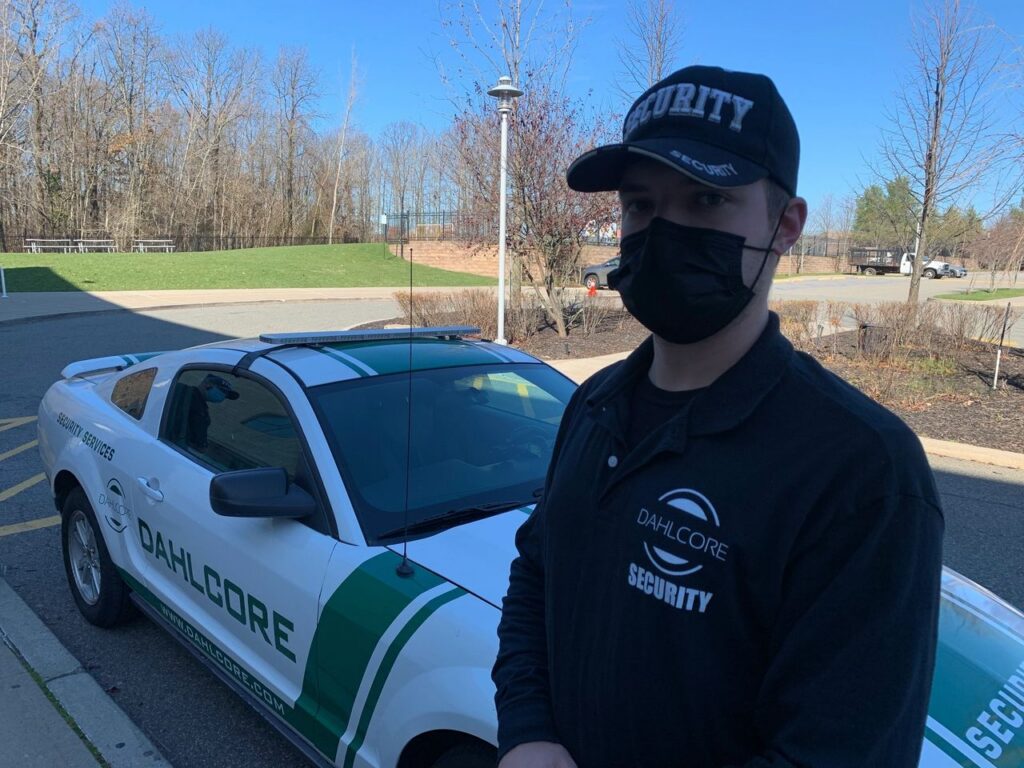
Collaboration with Law Enforcement
Coordinating with Police
For significant events, effective collaboration between security guards and law enforcement agencies is essential to maintain safety and security. This partnership involves sharing critical information, coordinating responses to incidents, and implementing comprehensive security measures. By working closely together, they can swiftly address any potential threats and ensure a controlled environment for all attendees and participants.
Sharing Information
Effective communication between security personnel and law enforcement is crucial for maintaining a secure environment. By conducting regular briefings and sharing pertinent information, both groups can stay informed about potential risks and enhance their preparedness to address them swiftly. This collaborative approach fosters a more coordinated response to security challenges, ultimately contributing to a safer overall environment for all stakeholders involved.
Event Types and Specific Challenges
Sports Events
Sporting events present distinct challenges due to the enthusiasm and energy of fans, which can escalate quickly in high-stakes situations. Security personnel must adeptly navigate these dynamics, maintaining order and diffusing potential conflicts to uphold a safe and enjoyable atmosphere for all attendees. Their role encompasses crowd control, conflict resolution, and proactive vigilance to ensure the smooth running of the event without compromising on public safety.
Concerts and Festivals
Music events, renowned for drawing sizable and varied audiences, present a range of security complexities. Guards must adeptly navigate scenarios involving enthusiastic crowds and individuals under the influence, necessitating both alertness and flexibility in their approach. The dynamic nature of these events demands a proactive security strategy that ensures the safety and enjoyment of all attendees.
Political Rallies
Political events often serve as focal points for intense emotions and differing viewpoints, requiring security guards to navigate potential conflicts and maintain order among opposing factions. Their responsibilities include safeguarding the physical safety of both speakers and attendees and mitigating any potential confrontations that may arise in the charged atmosphere of such gatherings. Effective management of security measures is crucial to upholding the smooth functioning of political events amidst varying degrees of tension and scrutiny.
Legal and Ethical Considerations
Rights and Responsibilities
Security guards are entrusted with upholding legal statutes and ethical principles in their duties. They are obliged to safeguard individual rights while ensuring public safety remains paramount. Mastery of these principles is essential for adeptly managing crowd behavior and maintaining a secure environment.
Use of Force
Due to its potential impact, the application of force in security operations demands careful consideration. Security personnel undergo rigorous training aimed at employing force only when necessary and proportionate to the threat at hand. Strict adherence to established protocols and ongoing training are crucial in maintaining a professional approach that prioritizes the safety of all parties involved while minimizing any unnecessary escalation.
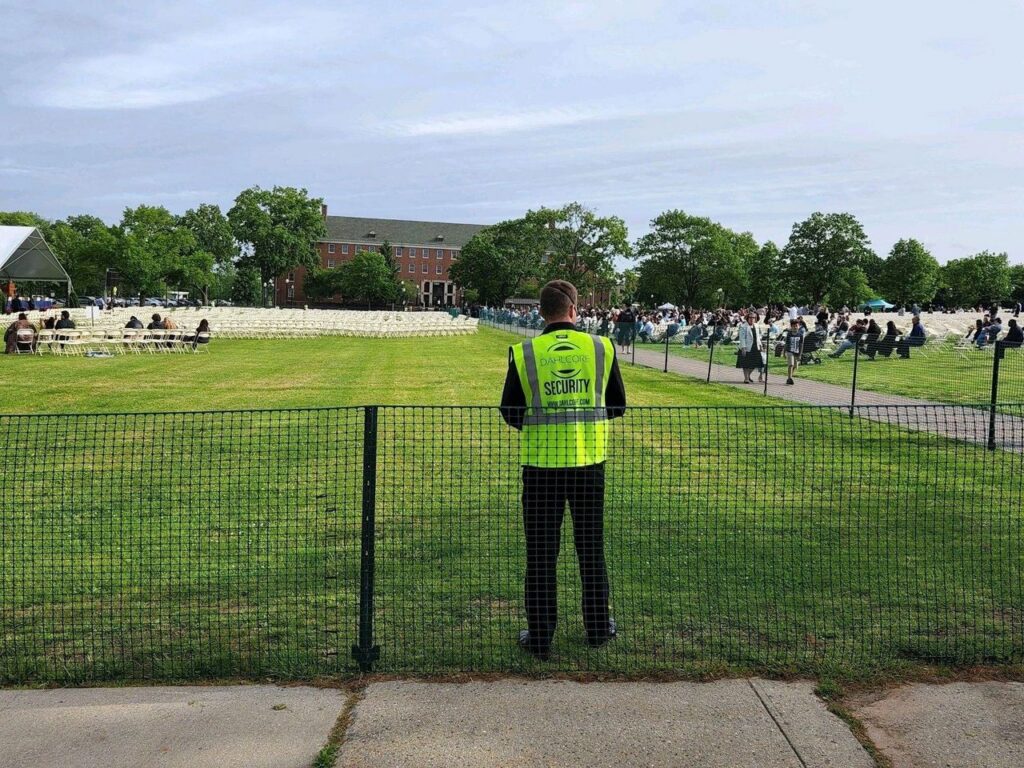
Post-Event Evaluation
Debriefing
After an event concludes, security teams undertake debriefings to meticulously evaluate their operational performance and pinpoint any shortcomings that occurred. These sessions are crucial for refining tactics and bolstering effectiveness in managing crowd dynamics during future events. By analyzing their actions and outcomes, security teams can implement proactive measures to ensure better preparedness and response in similar scenarios.
Reporting
Detailed reporting of incidents, observations, and responses serves as a cornerstone for maintaining accountability within any organization or operation. By meticulously documenting these details, stakeholders can glean valuable insights into the strengths and weaknesses of current security protocols, enabling informed decisions for enhancing safety measures. Such reports not only aid in immediate incident management but also play a crucial role in long-term strategic planning, ensuring that future events are better prepared and more effectively managed.
Technological Tools
Surveillance Systems
Advanced surveillance systems, such as CCTV cameras and drones, are integral components of contemporary crowd management strategies due to their ability to provide real-time monitoring and swift response capabilities. These technologies facilitate the proactive identification of potential issues and enable timely interventions, ensuring effective crowd control and enhanced public safety in various environments. Their use underscores the importance of leveraging cutting-edge surveillance tools to maintain order and security in crowded settings.
Communication Devices
In managing crowd control, effective communication stands as the cornerstone for ensuring coordinated efforts. Security guards rely on a variety of tools, such as radios and mobile devices, to maintain constant connectivity and swiftly exchange crucial information. These communication methods enable guards to promptly respond to situations, maintain order, and ensure the safety of individuals within crowded environments.
Future Trends in Crowd Control
Innovations in Security
The field of crowd control is undergoing rapid transformation through advancements in technology and methodology. Cutting-edge innovations like facial recognition systems are revolutionizing how security personnel manage large gatherings by swiftly identifying individuals of interest. AI-driven analytics and enhanced surveillance systems further bolster security efforts, enabling more proactive and effective crowd management strategies to ensure public safety in evolving environments.
Evolving Threats
As the threat landscape continuously changes, crowd control strategies must evolve in tandem to ensure effective security measures. It is crucial for security guards to remain vigilant and updated on emerging risks, enabling them to adjust their methods and protocols accordingly. By staying informed and adaptive, security personnel can mitigate potential risks and maintain a safe environment for the public they serve.
FAQs
What are the primary responsibilities of a security guard in crowd control?
Security guards are responsible for monitoring crowd behavior, managing access points, handling emergencies, and ensuring the safety of attendees at significant events.
What skills are essential for a security guard involved in crowd control?
Key skills include strong observational abilities, excellent communication, physical fitness, and the ability to remain calm under pressure.
How do security guards manage entry and exit points at events?
They check tickets, verify identities, and coordinate with event organizers to design and manage efficient entry and exit routes, preventing overcrowding and ensuring a smooth flow of people.
What role does technology play in crowd control?
Technology aids in surveillance, monitoring, and communication. Tools like CCTV cameras, drones, and communication devices enhance the effectiveness of security operations.
How do security guards handle emergencies during events?
They follow established protocols to manage situations, provide first aid, and coordinate with emergency services to ensure prompt response and safety.
What legal and ethical considerations must security guards be aware of?
Security guards must respect individual rights, use minimal force, and operate within legal and ethical boundaries to maintain order while ensuring the safety of all attendees.
Conclusion
The role of a security guard in crowd control is multifaceted and essential for the safety and success of significant events. From pre-event planning and monitoring to managing emergencies and post-event evaluation, security guards use their skills, training, and technology to ensure a secure environment. As crowd control challenges evolve, continuous training and adaptation are crucial to maintaining adequate security measures.
Check other blogs:
Role of Fire Protection Engineer: Ensuring Safety and Innovation
12 Strategies: Effective Emergency Response with Security Teams
The Comprehensive Guide to Starting a Personal Security Business
