

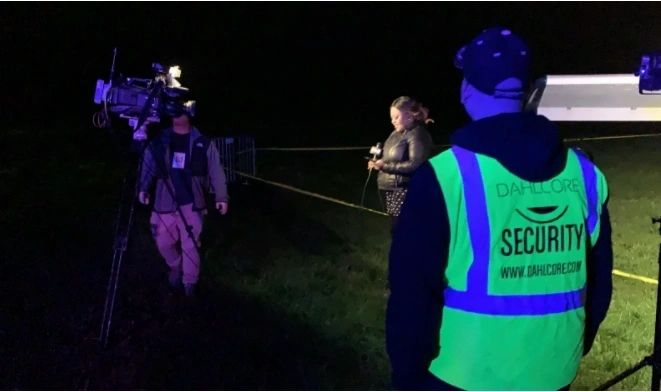
Night patrols are one of the most critical tasks performed by security guards, playing a pivotal role in safeguarding properties, businesses, and people. As the darkness falls, the likelihood of suspicious activity increases, making night patrols an essential function. With fewer staff and witnesses around, ensuring the security of a building or property at night demands sharp attention to detail, well-honed instincts, and a checklist to guide guards through their rounds. This article explores what a typical night patrol entails and the key things security guards are trained to look out for.
What is the meaning of night patrolling?
Night patrolling refers to the practice of conducting security or surveillance activities during the night hours. This is an essential task carried out by security personnel, law enforcement, military units, or even private individuals to ensure safety and monitor any suspicious activity when visibility is limited. Unlike daytime patrolling, night patrolling involves a different set of challenges due to the darkness and reduced sight distance. It requires officers or patrol teams to use specialized equipment, such as flashlights, night-vision devices, and communication tools, to detect any potential threats or disturbances.
Night patrolling is critical in various environments, such as urban areas, residential communities, military zones, and border regions. The primary goal is to maintain law and order, deter crime, and ensure the protection of property and people during the nighttime hours. The unpredictability of nighttime conditions makes night patrolling even more significant, as this is when certain criminal activities, such as thefts, burglaries, and illegal crossings, are more likely to occur. As such, law enforcement and security teams train rigorously to handle these conditions and respond quickly to emergencies. The strategic planning of patrol routes and constant communication with base operations are vital elements for a successful night patrol operation.
The Role of Security Guards During Night Patrol
Night patrol is more than just a routine job; it’s about ensuring safety and preventing incidents before they happen. A security guard’s role at night is comprehensive, ranging from monitoring entrances to detecting fire hazards. They are expected to observe everything from the most minor anomalies to major breaches in security. These professionals are also often the first line of defense in emergencies, making their night patrols critical to overall safety. Effective night patrols require vigilance, solid observational skills, and the ability to react quickly when necessary.
Pre-Patrol Preparation
Before the patrol begins, security guards must prepare by checking their equipment and gear. This includes radios, flashlights, and any protective gear necessary for the environment they are working in. A thorough inspection of patrol vehicles, if used, is essential. Guards ensure they have access to all communication tools needed to stay connected with their team or emergency services. In some cases, guards may also receive a briefing on recent activities or changes in security protocols.
Monitoring Entry and Exit Points
The first task on most patrol checklists involves monitoring all entry and exit points, including doors, windows, and gates. These areas are prime targets for potential intruders and need to be secured properly. Security guards often check that locks are functioning, ensure no forced entry has occurred, and verify that alarms are set and functional. A quick inspection of surveillance feeds focusing on these areas helps ensure no unauthorized access occurs.
Surveillance of High-Risk Areas
Certain areas within a property are considered more vulnerable to breaches or require heightened attention. These could be server rooms in office buildings, storage areas in warehouses, or even vaults in financial institutions. Security guards prioritize patrolling these sensitive areas, looking for any signs of tampering or unusual activity. By keeping a close watch, they help prevent theft, vandalism, or data breaches.
Checking Alarm Systems and Cameras
Security systems are an essential component of any well-guarded facility, and part of the night patrol checklist is to verify that all alarm systems and surveillance cameras are operating effectively. A malfunctioning camera or an alarm that isn’t correctly armed can leave a property exposed. Guards make sure these systems are active and positioned correctly to cover high-traffic or sensitive zones.
Patrolling Parking Lots and Outdoor Spaces
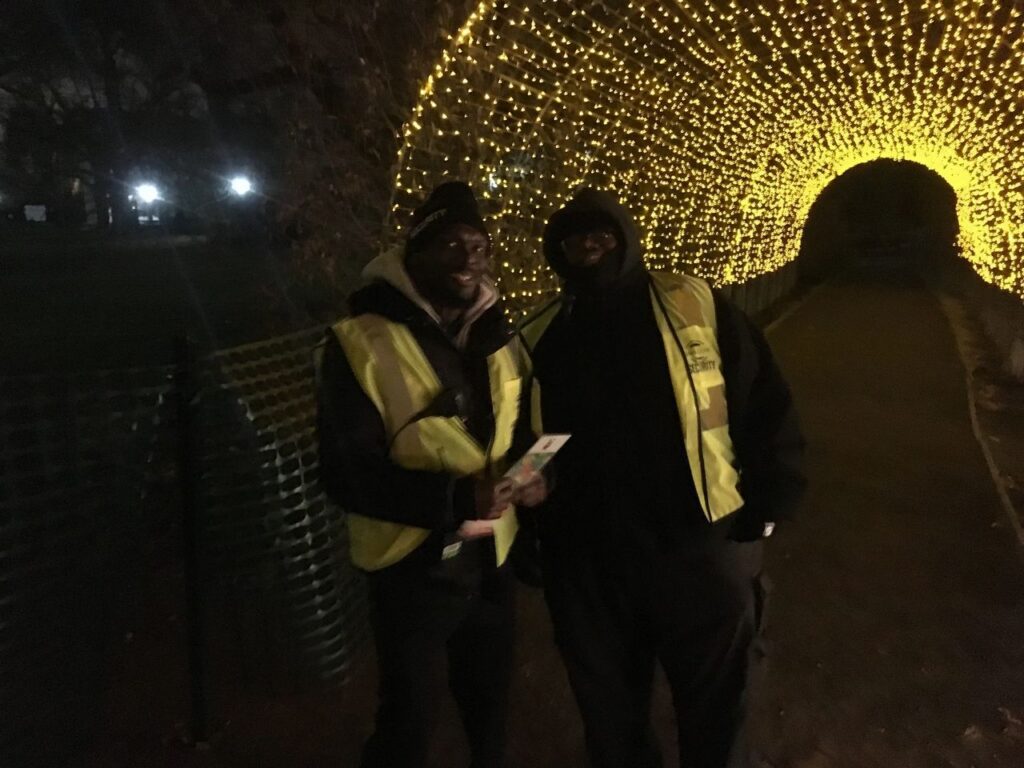
While indoor areas often receive the most attention, security guards also patrol parking lots, loading docks, and other outdoor spaces. These areas, particularly in the dark, can be vulnerable to criminal activity such as theft or vandalism. Guards inspect for any unusual activity, unauthorized vehicles, or suspicious individuals lingering in these open spaces.
Inspection of Locks and Fences
One of the most basic yet essential tasks in night patrol is the thorough inspection of all locks and fences around the property. This involves testing padlocks, door locks, and electric gates to confirm they are secure and have not been tampered with. Additionally, it’s important to examine fences surrounding the perimeter for any breaches, holes, or signs of forced entry that could compromise security. By diligently performing these checks, patrols help maintain the integrity and safety of the property throughout the night.
Monitoring for Suspicious Behavior
Security guards are trained to identify suspicious behavior, which could be anything from someone loitering in an unauthorized area to unusual noises or lights. Detecting these small signs early on can prevent larger incidents. Guards often rely on intuition, experience, and knowledge of human behavior to decide when to intervene or report an incident.
Fire Hazards and Emergency Equipment Checks
A thorough night patrol includes inspecting fire hazards and ensuring that all emergency equipment, such as fire extinguishers and emergency lights, are in working order. Security guards must also ensure that fire exits are clear of obstructions and easily accessible at all times. Regular checks for fire risks help prevent potential dangers and enable a quicker response in the event of an emergency. By taking these precautions, security personnel play a critical role in maintaining safety and minimizing risks in the environment they protect.
Proper Documentation and Reporting
A vital part of any security guard’s job is keeping accurate records of their patrol. Every incident, no matter how small, should be logged and reported. Documentation includes noting any suspicious activity, malfunctions in security systems, or repairs needed on the premises. This detailed reporting ensures that supervisors and property managers are informed and can make decisions to address any security concerns.
Communication with Supervisors and Law Enforcement
Security guards must maintain continuous communication with their supervisors, particularly during night patrols, to ensure they are immediately informed of any issues. This constant dialogue allows for swift intervention if an unexpected situation occurs. In emergencies, guards are trained to promptly contact law enforcement or emergency services, following established protocols. Such communication is crucial for ensuring that any situation is addressed quickly and efficiently, maintaining a high level of security.
Maintaining Visibility and Deterrence
An essential function of security guards during night patrols is to maintain visibility. The mere presence of a guard is often enough to deter potential criminals from targeting a location. Walking through different areas of the property, making rounds with a flashlight, and checking visible cameras send a clear message that the property is under watch.
Response to Emergencies and Alarms
In case of an emergency, security guards follow specific protocols to manage the situation. Whether it’s responding to a fire alarm, an intruder, or a medical emergency, guards must remain calm and act quickly. Knowing the layout of the property, access points, and where emergency equipment is located enables them to handle these scenarios effectively.
End of Shift Checklist
As the night winds down, security guards carry out a thorough final round of checks throughout the premises. They meticulously ensure all doors are securely locked, alarms are properly armed, and any issues identified during the patrol are addressed, documented, and reported. This process involves checking for potential vulnerabilities or unresolved concerns that might compromise security. By completing this end-of-shift checklist, guards help guarantee the safety of the property until the next shift takes over.
What is the purpose of patrolling?
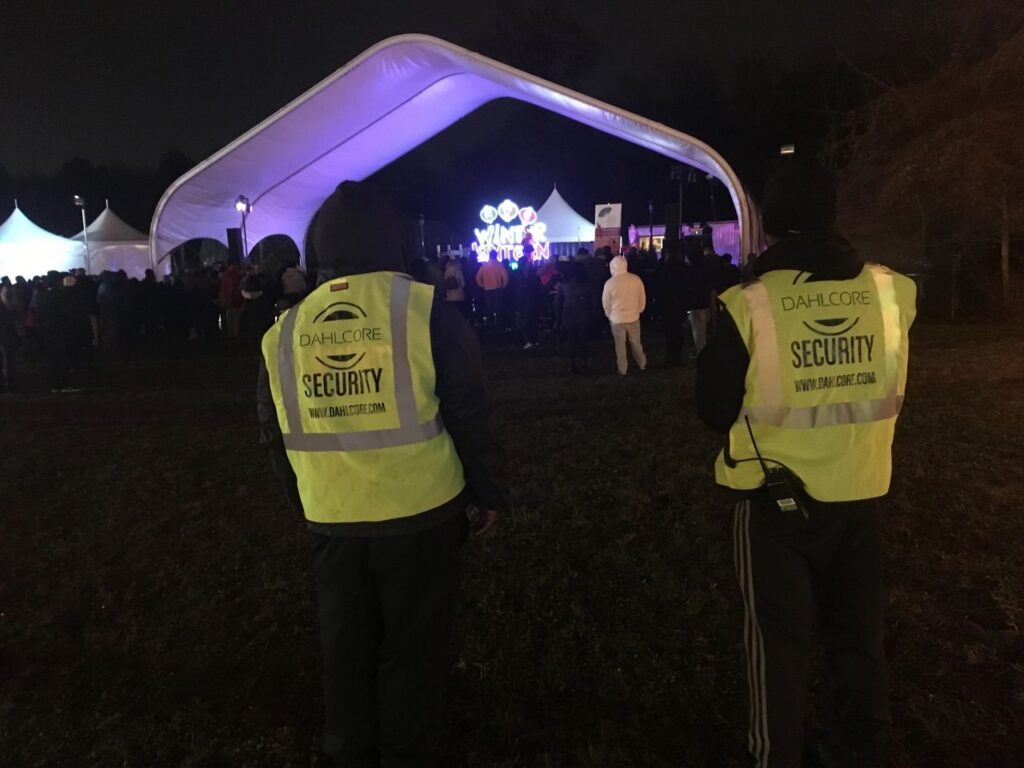
Patrolling serves a vital purpose in maintaining safety, security, and order in a variety of environments, from urban streets to military combat zones. The primary goal of patrolling is to monitor a given area, deter criminal activities, and respond to emergencies as needed. By having personnel actively moving through a region or location, it helps create a visible presence that discourages unlawful behavior, such as theft, vandalism, and other crimes. In the case of law enforcement, patrolling is a key method of ensuring that citizens feel safe, and criminals are less likely to operate in areas with frequent patrols.
Another critical purpose of patrolling is gathering intelligence. In military and tactical operations, patrolling enables personnel to monitor enemy movements, assess terrain, and collect valuable information that can be used to plan future strategies. Additionally, patrolling serves as an early detection system, identifying potential threats before they escalate into larger issues. In remote or vulnerable locations, such as borders or isolated military outposts, patrolling is the primary method of detecting intrusions or sabotage.
Patrolling also plays an essential role in preventing accidents or emergencies. Security patrols in places like industrial areas, airports, and schools may check for hazards, such as fires, gas leaks, or structural issues. Furthermore, the presence of patrolling officers can quickly bring attention to any accidents, allowing for faster responses and potentially saving lives. Overall, the purpose of patrolling is multifaceted: it helps deter crime, collect intelligence, maintain public safety, and ensure quick responses to emerging threats or emergencies.
What are the three types of patrolling?
Patrolling can be categorized into several types, each serving a different purpose based on the environment and operational needs. The three main types of patrolling are:
- Foot Patrol
Foot patrol involves personnel walking through designated areas to monitor activity, engage with the community, and look for any signs of criminal behavior. This type of patrol is often used in urban areas, residential neighborhoods, or smaller communities where mobility on foot is more practical. It allows officers to interact directly with civilians, observe more closely, and cover areas that may be difficult for vehicles to access. - Vehicle Patrol
Vehicle patrols involve the use of cars, motorcycles, or other vehicles to patrol larger areas, such as highways, commercial districts, or industrial zones. This type of patrol allows for greater coverage and quicker response times, especially in situations requiring the rapid deployment of resources. Vehicle patrols are commonly used by law enforcement agencies for routine checks, traffic enforcement, or to monitor high-crime areas. Additionally, vehicles may be equipped with advanced communication and surveillance systems to enhance the patrol’s effectiveness. - Mounted Patrol
Mounted patrols involve the use of horses to patrol areas, typically in larger or more rural environments, such as parks, forests, or open fields. Mounted patrol officers are able to cover more ground than foot patrols, and the horse provides an elevated position that enhances visibility. This type of patrol is often employed in public spaces where there is a need for a more visible presence or crowd control, such as during events, protests, or large gatherings. Mounted patrols also promote community engagement, as people tend to approach mounted officers more frequently due to the visual appeal of the horses.
Each type of patrol is designed to meet specific objectives based on the terrain, area to be covered, and the challenges posed by the environment. The choice of patrol type is determined by the situation at hand, and sometimes multiple forms of patrolling are used simultaneously for optimal results.
Ethical Standards for Security Guards in New York
In New York, security guards are governed by the Security Guard Act of 1992, which mandates that all individuals working in the security industry obtain a security guard license and undergo training to ensure qualified personnel are responsible for the protection of people and property. Radiant Training. Additionally, the New York State Department of State outlines the specific duties and responsibilities of security guards, including conducting surveillance, controlling access to premises, responding to alarms, and documenting incidents.
These legal and ethical guidelines ensure that security guards in New York perform their duties effectively and responsibly, contributing to the safety and security of the community.
FAQs
What is the main responsibility of a night patrol security guard?
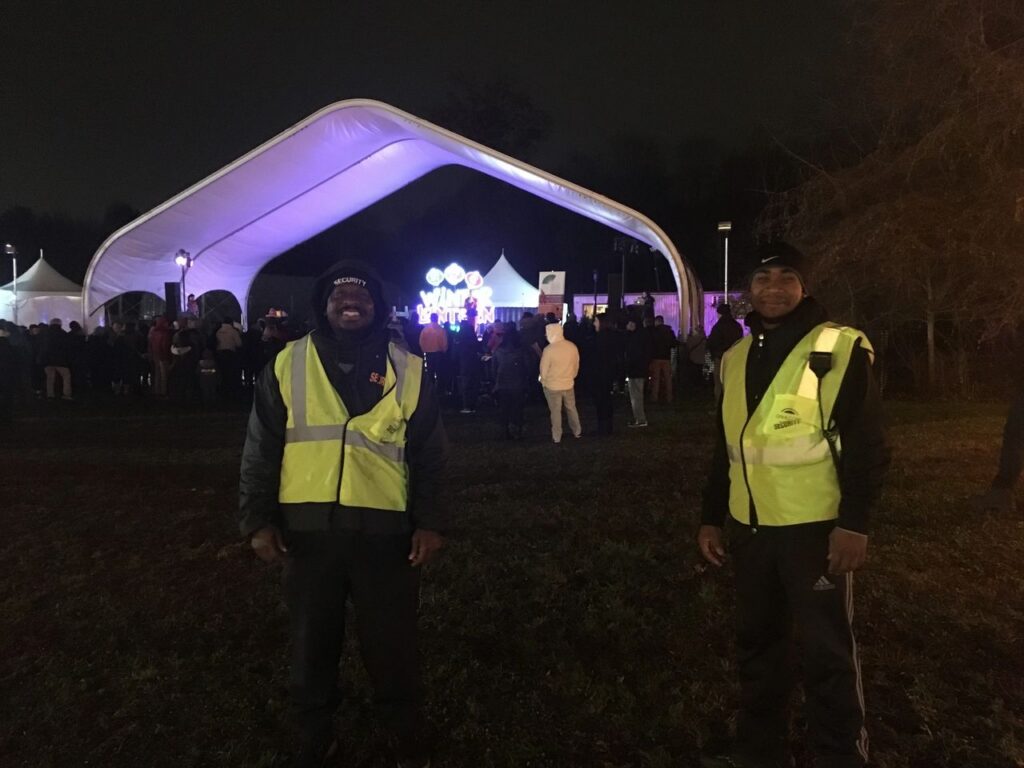
The main responsibility of a night patrol security guard is to ensure the safety and security of property by monitoring entry points, inspecting high-risk areas, and responding to emergencies or suspicious activity.
Why is it important to check alarm systems during a night patrol?
It’s crucial to ensure alarm systems are functioning correctly because they are often the first line of defense in alerting security personnel to potential intrusions or emergencies.
How do security guards detect suspicious behavior?
Security guards detect suspicious behavior by observing unusual actions, such as loitering, tampering with equipment, or unauthorized access to restricted areas, relying on their training and experience.
What should a security guard do if they detect a fire hazard?
Suppose a security guard detects a fire hazard. If it’s minor, such as clearing obstructions, they should address it, or if it poses an immediate threat, report it immediately to the proper authorities.
Why is documentation necessary in a security guard’s job?
Documentation ensures that any incidents or potential risks are recorded for future reference. This helps in taking corrective actions and provides accountability.
How do security guards maintain deterrence during a night patrol?
Security guards maintain deterrence by making their presence known through regular patrols, visible surveillance, and prompt responses to any unusual activity.
Conclusion
A night patrol checklist is crucial for security guards to carry out their responsibilities efficiently and guarantee the protection of the property and its occupants. It includes tasks such as inspecting entry points, overseeing surveillance systems, and promptly addressing any emergencies. Each element of the checklist is aimed at reducing risks and preventing criminal activities. Adhering to a well-organized patrol plan ensures that guards stay alert and effective during their shifts, enhancing overall security.
Check other blogs
What are the Responsibilities of Event Security Guards?
How to Stop Trespassers: 10 Tips and Handling Unauthorized
How Much Do Security Guards Cost? Uncovering the True Expenses
Tips for Emergency Response Planning in Dispensary Security Teams
