

Updated Date: March 18, 2026
Effective Shopping Center Security Guard Replacement Strategies
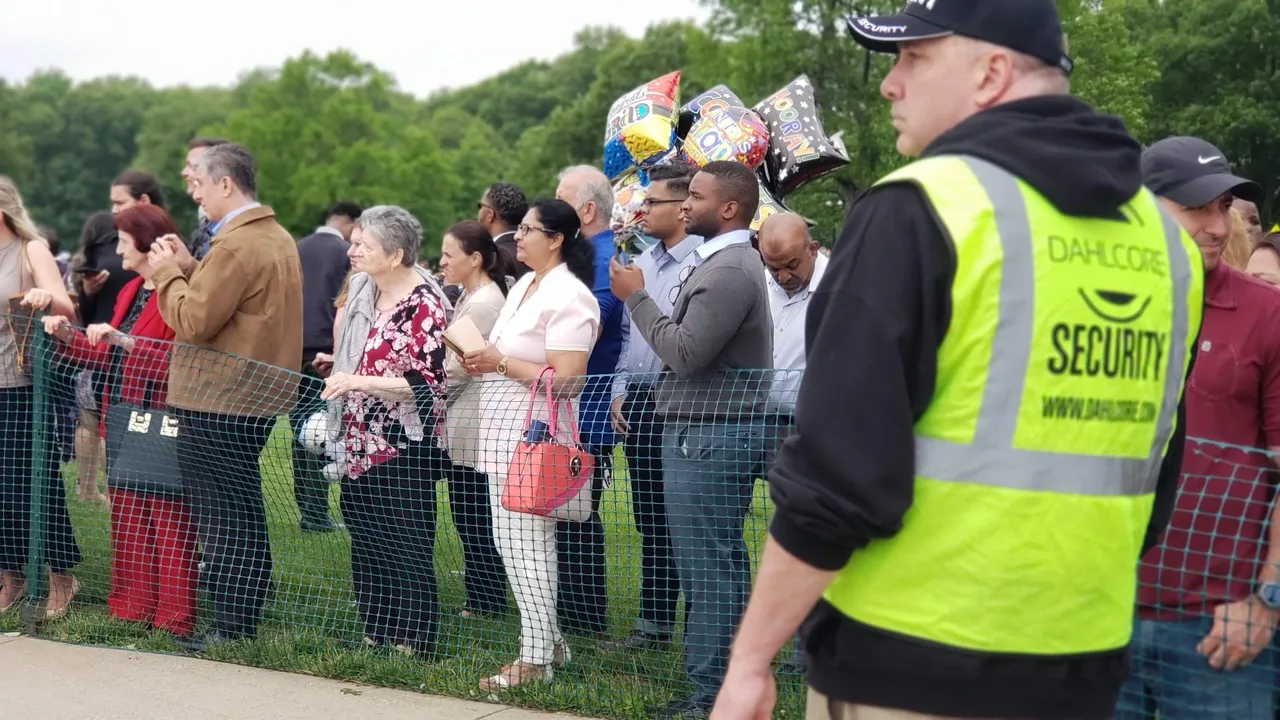
Guard replacement in a shopping center works best when it is treated as a security upgrade, not just a staffing swap, because malls are “soft targets and crowded places” where layered measures reduce risk and reassure the public. A structured transition synced to risk assessment, post orders, and technology changes avoids disruption during peak traffic and protects tenant confidence. Standards like ISO 18788 create a stable management system for private security operations so performance and accountability don’t slip during turnover. Embedding workplace violence prevention into onboarding aligns teams with federal and state guidance while improving staff confidence in handling real‑world encounters.
Why Smart Replacements Matter Now
The FBI reports 24 active shooter incidents in 2024, a 50% decrease from the 48 incidents recorded in 2023, yet these still span major location categories that include commerce, keeping malls under scrutiny for preparedness. From 2020 through 2024, the FBI designated 223 active shooter incidents nationwide, underscoring a sustained, multi‑year need for trained personnel, options‑based response, and public readiness across the country. CISA and allied research continue to emphasize layered security, bystander awareness, and resilient communications for soft targets and crowded places such as shopping centers and other easily accessible venues. Proactive replacement plans keep services continuous and ensure that new teams plug into existing emergency procedures without losing critical situational awareness during incidents or staffing transitions.
Risk Assessment First, then Staffing
Before swapping teams, run a fresh threat and vulnerability assessment that maps choke points, crowd patterns, and arrival/departure flows for each daypart. Use the findings to set guard posts, patrol routes, and camera priorities, ensuring the new roster matches risk rather than replicating outdated coverage. Include public‑facing spaces such as food courts and open plazas, as well as service corridors and loading docks where theft or conflict may emerge. Tie the assessment to drills and communications so the guard replacement directly improves hazard identification, reporting, and incident triage.
Transition Playbook: 30/60/90 days
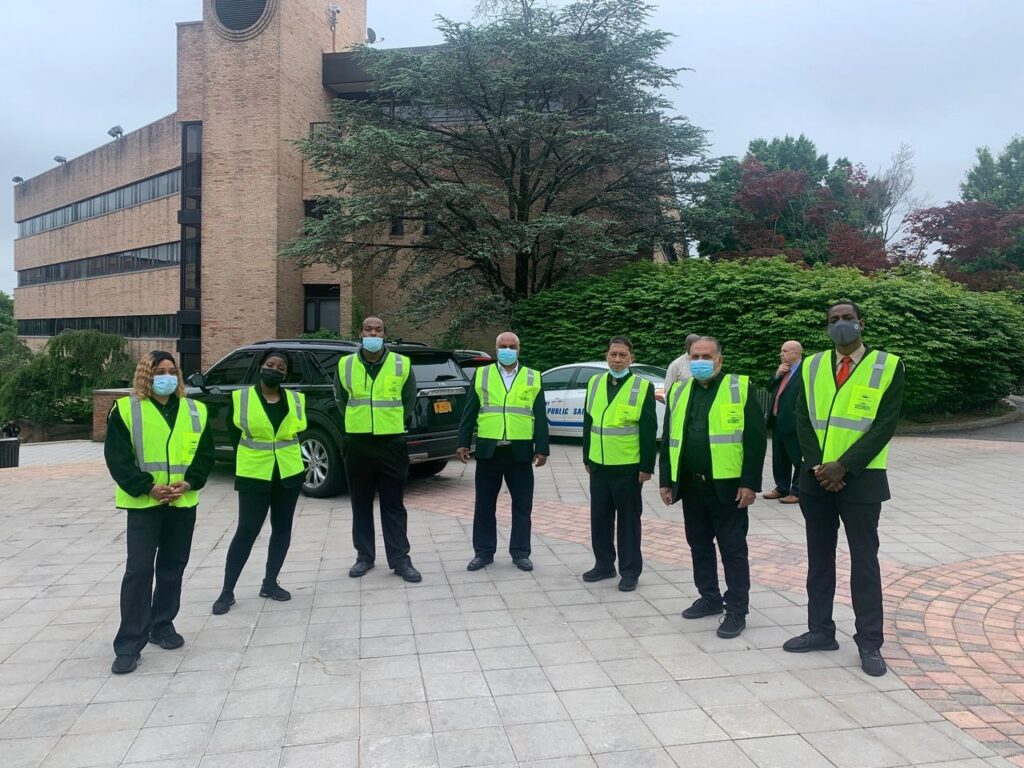
A 30/60/90 handover reduces blind spots by defining what the outgoing and incoming teams must complete and verify in each phase. In the first 30 days, co‑patrol high‑risk zones, shadow test post orders, and validate access control lists so all badges, keys, and codes are accurate. On days 31–60, run joint exercises on medical response, evacuation, shelter‑in‑place, and perimeter lockdown to harden coordination and radio discipline. By days 61–90, close gaps, finalize KPIs, and brief tenants and public safety partners on the new team’s response protocols and contact points.
Contracts, SLAs, and KPIs that Work
Define preventive and response SLAs such as patrol frequency by zone, suspicious activity reporting times, and incident containment benchmarks. Map KPIs to outcomes—guest assurance surveys after visible incidents, faster alarm triage, and fewer repeat calls at hotspots—so dashboards show risk reduction, not just activity. Use ISO 18788’s plan‑do‑check‑act cycle to review metrics monthly and enforce corrective actions with documented ownership and deadlines. Tie vendor compensation to quality metrics and compliance with training, licensing, and drill participation to keep standards real.
Post Orders Built for Malls
Rebuild post orders around anchor stores, entrances, food courts, parking decks, play areas, and transit interfaces, adding clear escalation triggers and decision trees. Include bag check and patron engagement scripts consistent with venue policies and civil rights guidance while preserving guest experience. Align camera tours, foot and bike patrols, and radio call signs to the new roster so no zone goes uncovered during breaks or shift changes. Add checklists for special events, seasonal peaks, and severe weather so replacement teams stay consistent under stress.

Guard Vetting, Licensing, and Training
Verify state licensing requirements and keep proof on file, including guard registrations and any required firearms permits when applicable. In California, for example, security guards must register with BSIS and complete specified training modules and renewals to remain eligible for duty. Confirm background checks, identity verification, and site‑specific training on conflict de‑escalation, customer service, and report writing before independent posting. Pair new guards with mentors for the first weeks to check radio discipline, patrol coverage, and incident documentation quality.
Workplace Violence Prevention Standards
OSHA defines workplace violence broadly and encourages prevention plans, training, and reporting systems that security teams must understand and apply daily. California’s SB 553 requires a written Workplace Violence Prevention Plan for general industry, which has become a practical benchmark for retail workplaces nationwide. Integrate hazard identification, incident logging, and refresher training in the replacement plan so compliance and readiness start on day one. For easy reference, maintain one external resource, such as OSHA’s Workplace Violence page, accessible to supervisors and officers for quick guidance.
Technology Upgrades During Turnover
Use the turnover window to rationalize camera placements, improve lighting coverage, and modernize panic alarms and radio networks. Update access control panels and readers while badges are being reissued, reducing duplicate visits and badging errors. Validate that incident management software aligns with new KPIs, enabling faster analytics on hotspots and repeat offenders. Confirm integrations between video, access, and alarm systems so officers see the right alert with the right context at the right time.
OSDP for Interoperable Access Control
Adopt SIA’s Open Supervised Device Protocol to improve encryption, supervision, and multi‑vendor interoperability across readers and control panels. OSDP v2.2.2 strengthens secure channel communications and supports advanced features like bi‑directional messaging and device health monitoring. Standardizing on OSDP during replacement reduces wiring complexity and future‑proofs expansions or tenant fit‑outs. Vendor solutions that are “OSDP Verified” simplify procurement and conformance testing during fast‑moving transitions.
ISO 18788 for Quality and Continuity
ISO 18788 provides a management system for private security operations, creating predictable processes across planning, operations, and improvement. Aligning to ISO 18788 helps stabilize service levels during guard replacement because corrective actions and reviews are already built into the cycle. The standard emphasizes lawful, rights‑respecting conduct and accountability, which supports brand reputation in public environments like malls. Using the framework to document local procedures, training, and KPIs makes handovers auditable and less dependent on individual memory.
Active Shooter Readiness and Drills
Despite a downward trend in 2024, active shooter incidents remain a key planning factor, especially in commerce and open spaces. Drills should practice options‑based responses, rapid communication, and coordinated movement with tenants and law enforcement. Align training cadence to tenant schedules and public foot traffic to build muscle memory without disrupting commerce. Update post orders and floor wardens’ lists after every drill or tenant turnover so contact trees remain current.
Retail Theft and Guest Safety Trends
Retail loss debates have shifted, with the NRF reevaluating its annual shrink report to focus on theft and violence in updated ways. This context underscores the value of precise incident logging and video evidence standards during team turnover. Returns and shrink remain costly, pushing centers to balance deterrence with a welcoming environment. Replacement plans are a chance to calibrate visibility, patrols, and engagement so security feels supportive, not intrusive.
Communications and Customer Experience
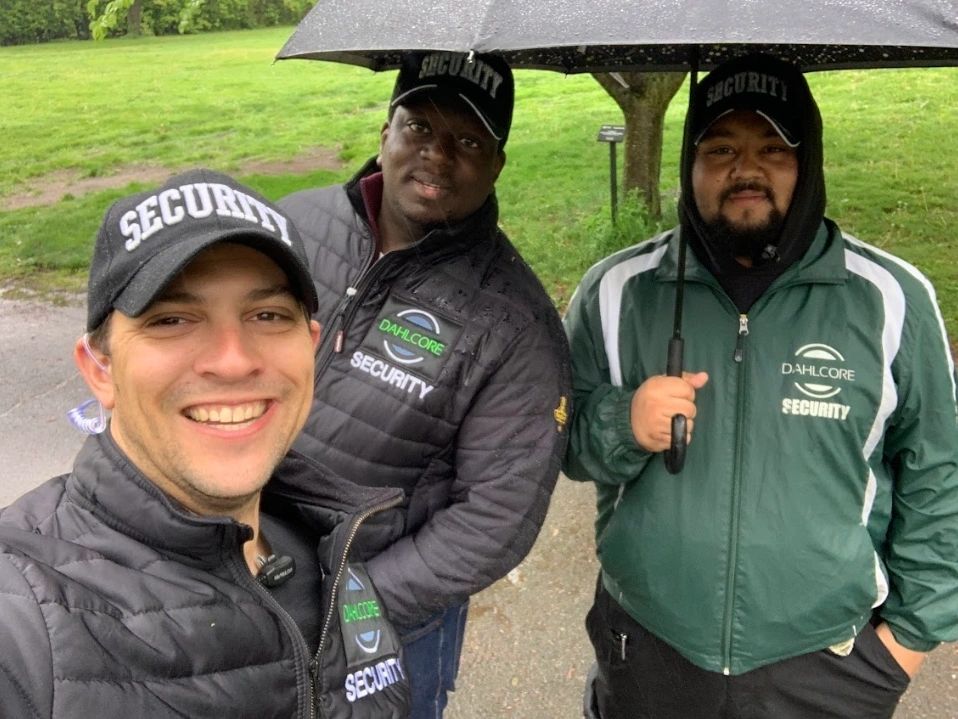
Clear signage, calm officer interactions, and consistent wayfinding help guests feel safe during visible changes in uniforms and patrol patterns. Sharing non‑sensitive updates with tenants builds trust and reduces rumor‑driven anxiety about security changes. Officers trained in de‑escalation and hospitality reduce friction in crowds and queues, especially during promotions and holidays. Daily huddles and brief radio etiquette refreshers help new teams convey confidence and professionalism.
Measuring Success after Go‑Live
Report weekly on incident counts by category, response times, and closeout quality to detect early gaps and near misses. Track qualitative feedback from tenants and guests alongside quantitative metrics to avoid optimizing the wrong outcomes. Use a plan‑do‑check‑act loop to assign and close corrective actions with dates and owners. Publish a concise scorecard to property leadership so successes are visible and investments remain supported.
Local Laws, Permits, and Partners
Where applicable, align with state rules like California’s BSIS guard registration and Cal/OSHA’s workplace violence prevention plan requirements. Coordinate with local police community officers for training, radio interoperability checks, or table‑top exercises. Keep permits current for cameras, radios, and special events that affect security postures. Document mutual aid contacts and after‑hours numbers so replacements can escalate without delays.
Choosing the Right Vendor Mix
Contract security firms can scale quickly, but performance hinges on supervision, wages, and training—areas linked to industry turnover challenges. Some markets benefit from hybrid models, combining in‑house ambassadors with contracted officers for coverage and guest experience. Build redundancy into leadership schedules so supervisors are present at crowd peaks and closing time. Set a quarterly business review cadence to hold vendors accountable for KPIs and continuous improvement.
Budgeting for Change Resilience
Fund cross‑training, relief staffing, and spare radios and body‑worn equipment so service continuity survives illness or sudden demand spikes. Synchronize technology upgrades with personnel changes to minimize outages and rework. Provide a budget for drills and after‑action improvements, not just initial training, to keep learning loops alive. Protect a small contingency to cover seasonal guard premiums and emergency repairs during the first quarter post‑go‑live.
How to Implement a 30‑day Replacement Plan
- Map risk and posts: Walk all zones, confirm camera views, and list critical tasks by time of day.
- Co‑patrol and shadow: Pair outgoing and incoming officers on high‑risk routes and test post orders in live conditions.
- Verify credentials: Reissue badges, keys, and codes; audit access lists and alarm recipients.
- Drill essentials: Run short drills on medical response, evacuation, and radio discipline during off‑peak hours.
- Launch dashboards: Start weekly KPI reports and log corrective actions in a shared system.
2026 Watchlist: Trends Shaping Replacements
- Standards refresh: OSDP v2.2.2 maturity and “OSDP Verified” products simplify secure access upgrades.
- Violence prevention: State‑level rules such as California’s WVPP are raising the bar for plans and training.
- Data‑driven drills: FBI trend reporting guides where drills and public messaging should focus for malls.
- Soft targets guidance: CISA resources for crowded places continue to frame layered security and communications.
FAQs
Q: What are Effective Shopping Center Security Guard Replacement Strategies that can be started in one week?
A: Begin with a walk‑through risk review, co‑patrols in hotspots, credential audits, and short drills on medical and evacuation tasks.
Q: How do Effective Shopping Center Security Guard Replacement Strategies align with workplace violence rules?
A: Embed a written prevention plan, incident logging, and refresher training into onboarding and daily briefings for the new team.
Q: Which standards strengthen Effective Shopping Center Security Guard Replacement Strategies?
A: ISO 18788 stabilizes operations and reviews, while SIA OSDP secures and modernizes access control during the handover.
Q: How should active shooter planning fit into Effective Shopping Center Security Guard Replacement Strategies?
A: Use FBI trend data to schedule options‑based drills, update post orders, and rehearse communications with tenants and police.
Q: What local steps support Effective Shopping Center Security Guard Replacement Strategies?
A: Verify guard licensing, align with state violence prevention requirements, and document public safety contacts and mutual aid.
Q: What metrics prove that Effective Shopping Center Security Guard Replacement Strategies are working?
A: Track incident rates by type, response times, hotspot reductions, and tenant/guest feedback alongside corrective action close rates.
Conclusion
Replacing guards in a shopping center is an opportunity to upgrade risk controls, refresh training, and modernize technology within a disciplined, standards‑based plan. Start with risk assessment, codify post orders, align to ISO 18788, and raise access control to OSDP while embedding workplace violence prevention and active shooter readiness. With clear SLAs, phased drills, and transparent metrics, property leaders can protect people, reassure tenants, and keep commerce moving smoothly.
Check other blogs:
Managing Access Control in Sensitive Construction Areas
When Is National Security Guard Day? Key Facts and Date Revealed
What is Level 1 Security Guard? Roles, Duties, and Qualifications
