

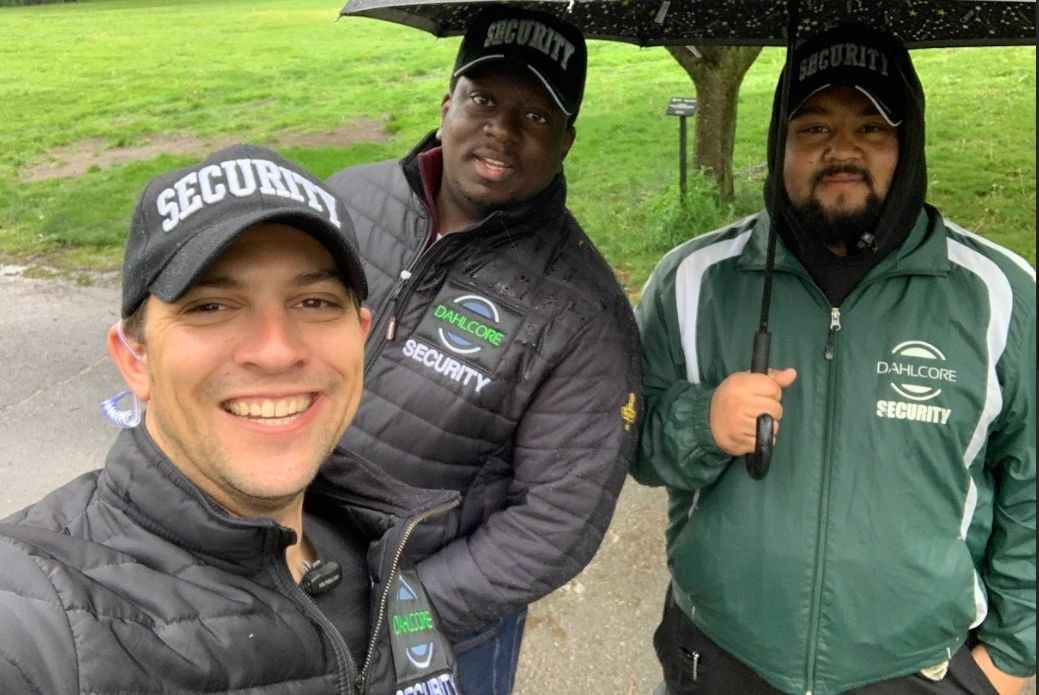
In an increasingly security-conscious world, the role of a security guard has become vital to the protection of people, property, and information. Among the various levels of security personnel, the Level 1 Security Guard is often the first line of defense in many settings. They play a crucial role in maintaining safety and ensuring that security protocols are followed. But what exactly does a Level 1 Security Guard do, and what qualifications are needed to become one?
What is a Level 1 Security Guard?
A Level 1 Security Guard is a trained professional responsible for safeguarding property, monitoring activities, and ensuring that rules and regulations are adhered to within their designated area. Unlike higher-level security personnel who might handle specialized or high-risk situations, a Level 1 Security Guard typically deals with general security tasks such as patrolling premises, monitoring entry points, and responding to basic incidents. A Level 1 security license is the basic certification required for unarmed security guard roles. It focuses on essential skills such as monitoring, reporting suspicious activities, and deterring issues without the use of weapons.
These guards are essential in various environments, including commercial buildings, residential complexes, retail stores, and industrial sites. Their presence is often enough to deter potential threats, making them a key component of any security strategy. Not all states offer or mandate this specific license. For states that do, it serves as the foundation for individuals starting a career in the security industry, equipping them with the necessary knowledge and abilities to ensure entry-level public safety.
What does level 1 security mean?
Level 1 security refers to the most basic layer of security measures designed to protect physical and digital assets. This level typically includes general security practices that are easy to implement and do not require extensive resources. Key features of Level 1 security include:
- Physical Security Measures: These are basic measures such as locks on doors, secured windows, and fencing around the perimeter. The goal is to deter unauthorized access and provide a first line of defense against intruders.
- Basic Surveillance: Implementation of surveillance cameras in visible locations to monitor and record activities. This serves as both a deterrent and a means of evidence collection.
- Access Control: Utilization of traditional lock and key systems to control access to restricted areas. This helps ensure that only authorized personnel can enter sensitive locations.
- Regular Security Audits: Conducting periodic checks to ensure that all physical security measures are in place and functioning as intended.
These components form the foundation of a security protocol, aiming to prevent common threats and vulnerabilities without involving sophisticated technologies or high-cost strategies.
Roles and Responsibilities of a Level 1 Security Guard
Core Duties and Responsibilities
The primary role of a Level 1 Security Guard revolves around maintaining a secure environment. This includes conducting regular patrols, monitoring security systems, controlling access to the premises, and responding to alarms or emergencies. They must also enforce rules and regulations, which may involve checking identification, issuing visitor passes, and ensuring that unauthorized individuals do not enter restricted areas.
In addition to these duties, Level 1 Security Guards often assist in managing crowds during events, providing directions, and reporting any suspicious activities to their superiors. Their goal is to prevent incidents before they escalate into serious problems.
Typical Work Environment
Level 1 Security Guards work in a wide variety of settings, from office buildings and schools to shopping malls and hospitals. The environment they work in significantly influences the specific duties they perform. For instance, a guard in a retail store may focus on preventing theft, while one in a corporate setting may be more concerned with monitoring visitor access.
Regardless of the location, a Level 1 Security Guard must remain vigilant and prepared to handle any situation that arises. Their work often requires long hours of standing or walking, and depending on the job, they may need to work night shifts, weekends, and holidays.
Daily Tasks of a Level 1 Security Guard
Routine Patrols and Monitoring
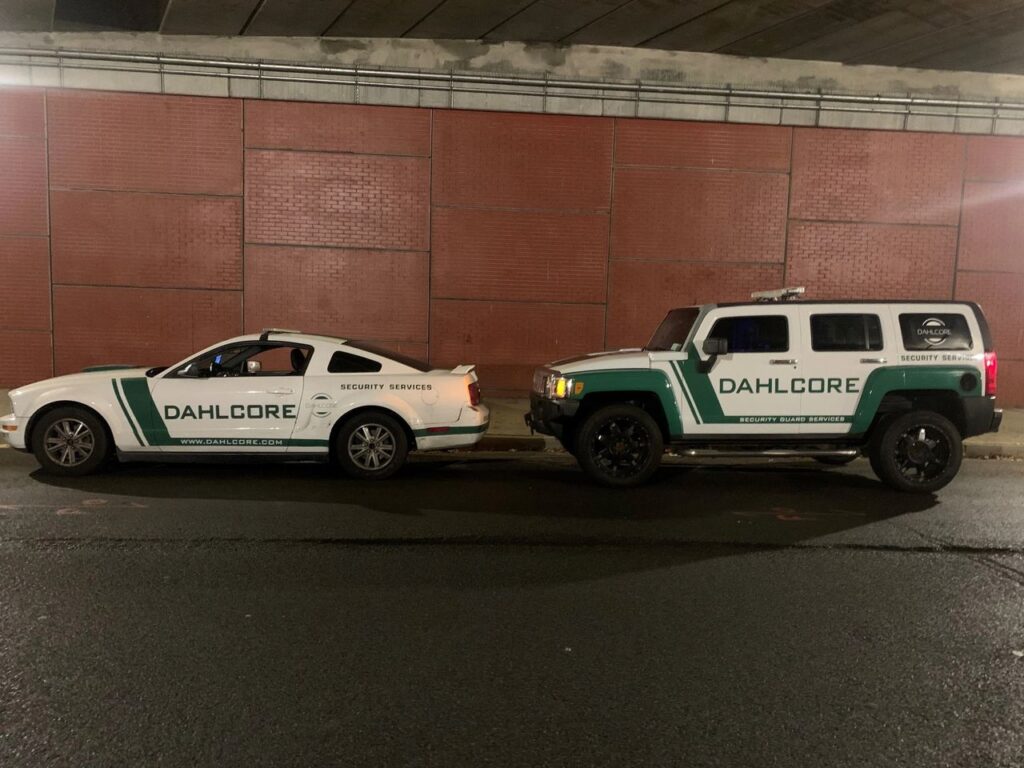
One of the most common tasks for a Level 1 Security Guard is performing routine patrols of the premises. These patrols are crucial for identifying potential security risks, such as unlocked doors, broken windows, or suspicious individuals. Depending on the size and layout of the property, guards may patrol on foot or use vehicles.
Monitoring security cameras and alarm systems is another critical task. Guards must ensure that all systems are functioning correctly and that any unusual activity is immediately addressed. This real-time monitoring helps prevent incidents before they occur and provides valuable evidence if an incident does occur.
Incident Reporting and Response
When an incident occurs, whether it’s a medical emergency, a breach of security, or a fire alarm, a Level 1 Security Guard is often the first to respond. Their initial actions are crucial in managing the situation effectively. This may involve calling emergency services, evacuating people from the premises, or attempting to control the situation until help arrives.
After the incident, guards must document what happened in detailed reports. These reports are used for internal review and may also be required by law enforcement or insurance companies. Accurate and timely reporting is a key part of a security guard’s responsibilities.
Skills Required for a Level 1 Security Guard
Essential Soft Skills
While physical and technical skills are essential, soft skills are equally critical for a Level 1 Security Guard. Strong communication skills are necessary for interacting with the public, colleagues, and law enforcement. Guards must be able to convey information clearly, whether giving directions or explaining security procedures clearly.
Attention to detail is another essential skill, as guards must be able to notice and react to small changes in their environment. Additionally, they need to have good judgment and problem-solving abilities to assess situations and determine the best course of action quickly.
Physical and Technical Skills
Physical fitness is a must for a Level 1 Security Guard, as the job often requires standing, walking, and sometimes running. Guards may also need to lift heavy objects, restrain individuals, or perform basic first aid.
On the technical side, familiarity with security systems, such as CCTV cameras and alarm systems, is essential. Guards should be comfortable using radios, smartphones, and other communication devices to coordinate with their team and report incidents.
Training and Certification Requirements
Mandatory Training Programs
To become a Level 1 Security Guard, candidates must complete specific training programs that cover a range of topics, including basic security procedures, emergency response, and legal responsibilities. These programs are designed to equip guards with the knowledge and skills they need to perform their duties effectively and safely.
The training typically includes both classroom instruction and practical exercises. Topics covered may include surveillance techniques, conflict resolution, first aid, and the use of force. This comprehensive training ensures that guards are prepared to handle the various challenges they may face on the job.
Certification Process
After completing the required training, candidates must obtain certification to work as a Level 1 Security Guard. This process usually involves passing a written exam and sometimes a practical assessment. Certification ensures that the guard has met the minimum standards required by law and is qualified to perform security duties.
In some regions, guards may also need to obtain a license, which could involve additional requirements such as background checks or ongoing education. Maintaining certification often requires guards to complete continuing education courses to stay up-to-date with the latest security practices and technologies.
Qualifications to Become a Level 1 Security Guard
Educational Background
The educational requirements for becoming a Level 1 Security Guard are typically minimal. Most positions require at least a high school diploma or equivalent. However, having additional education, such as a degree in criminal justice or a related field, can be advantageous and may open up opportunities for advancement.
Some employers may also require guards to have completed specific courses related to security, law enforcement, or emergency management. These courses can provide a deeper understanding of the principles and practices of security work, making the candidate more competitive in the job market.
Experience and Age Requirements
While previous experience in security or a related field can be beneficial, many entry-level positions do not require it. On-the-job training is often provided, allowing new guards to learn the ropes under the supervision of experienced colleagues.
Age requirements for Level 1 Security Guards vary by region, but candidates are generally required to be at least 18 years old. Some employers may have additional age or experience requirements, particularly for positions that involve higher levels of responsibility.
What is Level 1 security example?
An example of Level 1 security can be seen in a small retail store. Here’s how such a store might implement basic security measures:
- Physical Barriers: Installation of strong, key-locked doors and barred windows to prevent break-ins.
- Surveillance Cameras: Placement of CCTV systems at key points like the entrance, cash register, and storage areas to monitor and record all activity.
- Employee Training: Basic training for employees on security procedures such as handling theft or understanding when to escalate security concerns.
- Signage: Posting signs that indicate surveillance and security measures are in place to ward off potential thieves.
This example demonstrates how Level 1 security helps in maintaining a secure environment with minimal investment.
Legal and Ethical Responsibilities
Adherence to Legal Standards
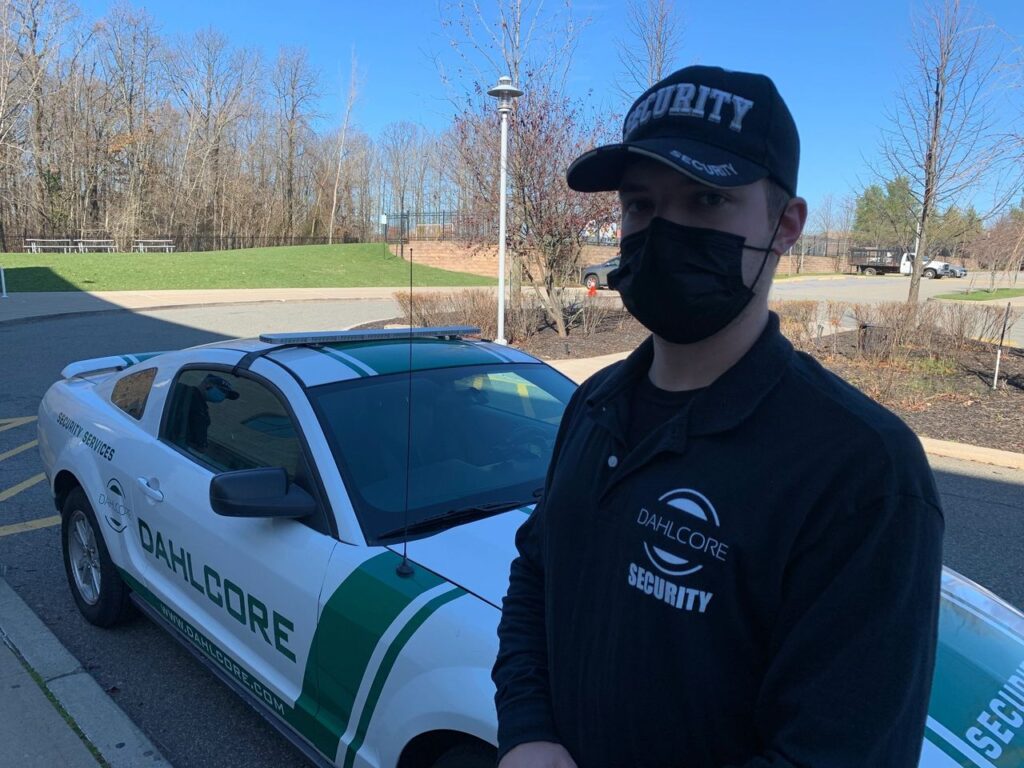
Level 1 Security Guards must operate within the confines of the law at all times. This includes respecting the rights of individuals, avoiding the use of excessive force, and adhering to any legal restrictions on their actions. Guards must be familiar with local laws and regulations, as well as the specific policies of the site they are protecting.
Failure to adhere to legal standards can result in serious consequences, both for the guard and the employer. Guards must understand their legal obligations and operate in a manner that upholds the law.
Ethical Conduct in Security Operations
Beyond legal requirements, Level 1 Security Guards are expected to maintain high ethical standards in their work. This includes treating everyone with respect, regardless of the situation, and avoiding any behavior that could be perceived as biased or unfair.
Guards must also maintain confidentiality and protect individuals’ privacy. This is particularly important when handling sensitive information or dealing with incidents that could have legal or personal implications for those involved.
Tools and Equipment Used by Level 1 Security Guards
Communication Devices
Effective communication is critical for a Level 1 Security Guard, who rely on various tools to stay connected with their team. Radios, smartphones, and other communication devices are used to coordinate patrols, report incidents, and request assistance when needed.
These devices must be reliable and easy to use, allowing guards to maintain constant contact with their colleagues and supervisors. In some cases, guards may also use specialized communication equipment, such as earpieces or body cameras, to enhance their ability to monitor and respond to situations.
Surveillance and Defensive Tools
Surveillance equipment, such as CCTV cameras, is a key tool for Level 1 Security Guards. These tools allow guards to monitor large areas from a central location, identifying potential threats and responding quickly to incidents. Guards may also use alarm systems, motion detectors, and other technology to enhance security.
In some situations, guards may need to use defensive tools, such as batons, pepper spray, or handcuffs. The use of these tools is strictly regulated, and guards must be trained in their proper use to avoid causing harm or escalating a situation unnecessarily.
Workplace Challenges for Level 1 Security Guards
Managing Stress and Fatigue
The job of a Level 1 Security Guard can be physically and mentally demanding. Long hours, night shifts, and the need to remain alert at all times can lead to stress and fatigue. Managing these challenges is crucial for maintaining both personal well-being and job performance.
Guards must develop strategies for coping with stress, such as taking regular breaks, staying hydrated, and practicing relaxation techniques. Employers also have a role to play by providing support, such as adequate rest periods and access to mental health resources.
Handling Emergencies and Threats
Emergencies and threats are an inevitable part of a security guard’s job. Whether it’s a fire, a medical emergency, or a security breach, guards must be prepared to respond quickly and effectively. This requires not only physical readiness but also the ability to stay calm under pressure and make sound decisions in the heat of the moment.
Training plays a crucial role in preparing guards for these situations. Regular drills and exercises help ensure that guards are familiar with emergency procedures and can act confidently when the need arises.
What is the lowest grade in security?
The lowest grade in security is typically referred to as “Level 1” or “basic level” security. This level involves the simplest and least stringent measures, which are primarily focused on the prevention of casual or opportunistic breaches rather than targeted attacks. Characteristics of the lowest grade in security include:
- Minimal Technology Dependence: Reliance mostly on physical barriers and basic electronic systems without sophisticated integration.
- Low-Cost Solutions: Use of cost-effective security tools such as standard locks and basic lighting systems.
- General Deterrence: Focus on deterring general threats and providing a basic level of protection without specialized security protocols.
The goal at this level is to establish a baseline of security that can be reasonably expected to deter most opportunistic crimes.
Career Path and Advancement Opportunities
Moving Up the Security Ladder
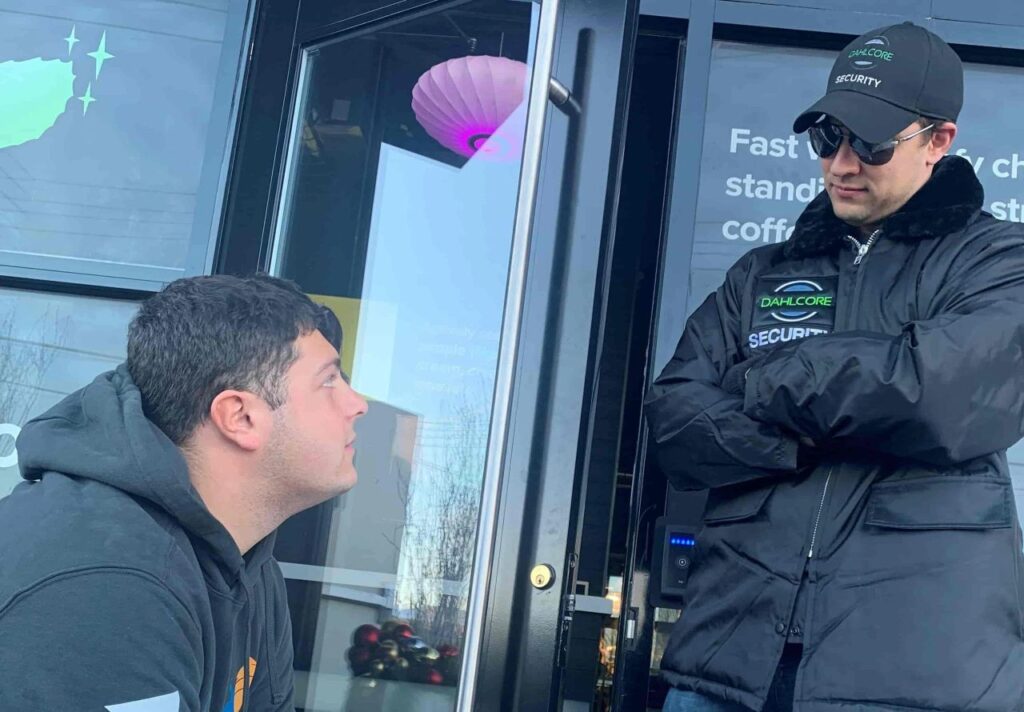
A Level 1 Security Guard position is often the first step in a career in the security industry. With experience and additional training, guards can advance to higher levels, such as Level 2 or Level 3 Security Guards, or move into specialized roles such as surveillance operator, security supervisor, or even security manager.
Advancement opportunities are typically linked to additional training and certification. Guards who invest in their education and professional development are more likely to move up the career ladder and take on roles with greater responsibility and higher pay.
Specializations and Further Certifications
There are many specializations within the security field, such as cybersecurity, executive protection, and event security. These roles require additional training and certification but offer opportunities for career growth and higher salaries.
Guards who are interested in specializing should explore the various certification programs available in their area of interest. These programs provide the knowledge and skills needed to excel in specialized roles and can significantly enhance a guard’s career prospects.
Impact of Technology on Level 1 Security Guards
Role of Surveillance Technology
Technology has had a profound impact on the security industry, and Level 1 Security Guards are no exception. Surveillance technology, such as CCTV cameras, drones, and biometric scanners, has transformed the way guards monitor and protect properties.
These tools allow guards to cover more ground, monitor multiple locations simultaneously, and respond to incidents more quickly. However, the increasing reliance on technology also means that guards must be comfortable using these tools and staying up-to-date with the latest advancements.
Integration of AI and Automation
Artificial intelligence (AI) and automation are playing an increasingly important role in security operations. From automated access control systems to AI-driven surveillance, these technologies are changing the way security is managed.
For Level 1 Security Guards, this means working alongside advanced technology to enhance their effectiveness. While some fear that automation could replace human guards, the reality is that technology often complements the work of security personnel, allowing them to focus on tasks that require human judgment and intervention.
Benefits of Hiring Level 1 Security Guards
Enhanced Safety and Security
One of the primary benefits of hiring Level 1 Security Guards is the enhanced safety and security they provide. Their presence alone can deter criminal activity, and their training ensures that they are prepared to handle a wide range of security threats.
Guards also contribute to a sense of safety among employees, customers, and residents. Knowing that a trained professional is on-site can provide peace of mind and reduce anxiety about potential security risks.
Cost-Effective Security Solutions
Hiring Level 1 Security Guards is a cost-effective way to enhance security without the need for expensive technology or specialized personnel. These guards provide a versatile solution that can be tailored to the specific needs of the site, whether it’s a small retail store or a large industrial complex.
In many cases, Level 1 Security Guards can provide a higher level of security than untrained personnel, making them a smart investment for businesses and property owners.

Common Misconceptions about Level 1 Security Guards
Myths vs. Reality
Many things need to be clarified about what Level 1 Security Guards do and the skills they possess. Some people assume that guards are unskilled workers who stand around, but this couldn’t be further from the truth. In reality, guards are trained professionals with a deep understanding of security protocols and the ability to respond to a wide range of situations.
Another common misconception is that security guards are not needed in today’s high-tech world. While technology plays a crucial role in modern security, human guards remain essential for interpreting data, making decisions, and responding to incidents.
Public Perception and Media Representation
The media often portrays security guards as either overly aggressive or ineffective, leading to a skewed public perception. In reality, most guards are dedicated professionals who take their responsibilities seriously and are committed to protecting the people and property in their care.
Changing these perceptions requires educating the public about the true role of security guards and the value they bring to any security operation.
What is level 2 in security?
Level 2 security builds upon the basics of Level 1 by incorporating more advanced measures and technologies to enhance protection. This level is more robust and is designed to address higher-risk scenarios with the following enhancements:
- Enhanced Access Control Systems: Introduction of electronic key cards or biometric systems that offer better control and tracking of who accesses the premises.
- Improved Surveillance: Use of more advanced cameras, possibly with motion detection or night vision capabilities, to provide better coverage and higher-quality recordings.
- Alarm Systems: Installation of alarm systems that notify security personnel or local law enforcement of unauthorized access attempts.
- Regular Staff Training: More frequent and detailed training for staff to handle security incidents effectively.
By integrating these features, Level 2 security provides a more comprehensive shield against potential security breaches, making it suitable for environments with higher safety requirements such as medium-sized businesses or facilities with valuable assets.
Enhancing Security Through Government Standards and Guidelines
To further understand the professional standards and guidelines governing the training and responsibilities of Level 1 Security Guards, referencing authoritative sources such as the U.S. Department of Labor and the National Institute of Justice can be incredibly valuable. The U.S. Department of Labor provides detailed occupational outlines and the regulatory frameworks that influence the training requirements and job expectations for security personnel across different states (U.S. Department of Labor). Additionally, the National Institute of Justice offers insights into the latest security technologies and strategies, ensuring that security guards are equipped with up-to-date knowledge and tools to perform their duties effectively (National Institute of Justice). These resources are crucial for those seeking to align with federal standards and excel in the field of security management.
FAQs about Level 1 Security Guard
What qualifications do I need to become a Level 1 Security Guard?
You typically need a high school diploma or equivalent, along with completion of a mandatory training program. Depending on local regulations, additional certifications may be required.
How much does a Level 1 Security Guard earn?
The average salary for a Level 1 Security Guard varies by location and experience, but it generally ranges from $25,000 to $35,000 per year. Benefits and overtime can also influence overall earnings.
What is the difference between Level 1 and Level 2 Security Guards?
Level 1 Security Guards handle general security duties, while Level 2 Guards typically have more specialized training and responsibilities. They may manage higher-risk situations and use advanced security tools.
Do Level 1 Security Guards carry weapons?
In most cases, Level 1 Security Guards do not carry firearms. However, they may carry non-lethal tools like batons or pepper spray, depending on their training and local laws.
What kind of training do Level 1 Security Guards receive?
Level 1 Security Guards undergo training in basic security procedures, emergency response, and legal responsibilities. This training is a mix of classroom instruction and practical exercises.
Can a Level 1 Security Guard advance in their career?
Yes, with additional training and experience, a Level 1 Security Guard can advance to higher levels or specialized roles within the security industry. Continued education and certification open up more career opportunities.
Conclusion
Level 1 Security Guards play a crucial role in maintaining safety and security across various settings. From patrolling premises to responding to emergencies, their duties are both varied and vital. With the right training, qualifications, and dedication, a career as a Level 1 Security Guard can be both rewarding and full of opportunities for advancement. Whether you’re considering a career in security or looking to hire a guard for your property, understanding the role and importance of a Level 1 Security Guard is essential.
Check other blogs
The Intricacies of Concert Security: Safety in Rhythm
7 Surprising Factors That Affect Personal Security Guard Costs
How Far Back Does a Security Guard Background Check Go?
Vehicle Barrier Systems: Anti-Ram Protection & Access Control
