

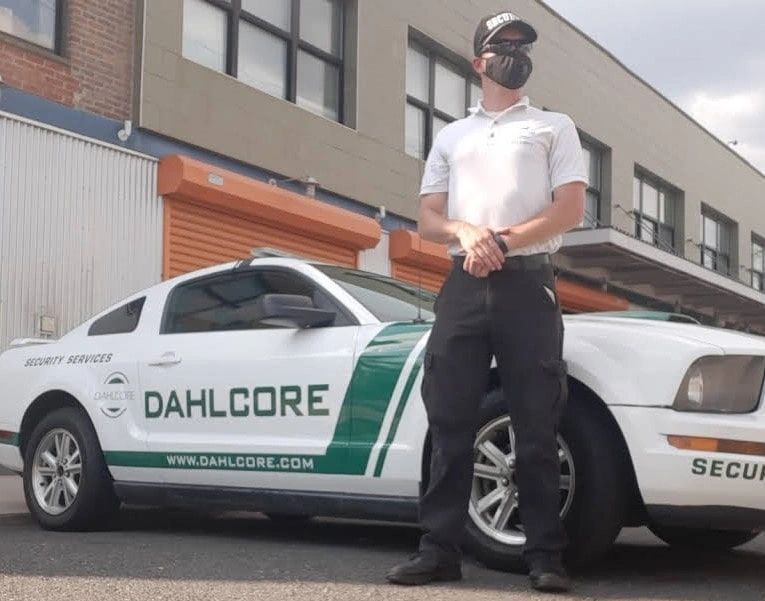
Adequate event security involves meticulous planning, coordination, and implementation of security measures tailored to the specific needs and risks of the event. This includes conducting thorough risk assessments, deploying trained security personnel, and utilizing advanced surveillance technology to monitor the premises. By prioritizing the safety and security of attendees, event organizers can create a secure environment that fosters enjoyment and peace of mind for all involved.
Importance of Security at Events
Adequate security measures implemented at events play a pivotal role in crowd management, deterring unauthorized access and swiftly addressing any unforeseen incidents. By establishing a secure environment, attendees can fully immerse themselves in the event’s offerings, free from worries about their well-being. These measures not only safeguard individuals but also contribute to the overall success and enjoyment of the occasion.
Types of Events that Require Security
Security measures are essential across various event scales, spanning from intimate corporate gatherings to expansive public spectacles. Events like concerts, festivals, and sports gatherings, with their considerable footfall and diverse demographics, necessitate heightened security protocols. Implementing stringent measures not only safeguards attendees and assets but also upholds the smooth operation and integrity of the event.
Planning for Security Needs
Assessing Security Risks
Once potential threats and vulnerabilities are identified, the next step is to develop a comprehensive security plan tailored to mitigate these risks effectively. This plan should encompass various security measures such as access control, surveillance, crowd management, and emergency response protocols. Regular evaluations and adjustments to the security plan should be conducted to ensure its efficacy in maintaining a safe and secure environment for all participants and attendees.
Determining Staffing Requirements
After conducting a thorough risk assessment, event organizers must carefully ascertain the appropriate number and skill level of security personnel needed to ensure the safety of attendees. This entails making crucial decisions regarding the deployment of armed guards, undercover officers, and any specialized personnel, such as crowd control experts or emergency responders, based on the specific threats identified. By meticulously evaluating the potential risks and tailoring security measures accordingly, organizers can effectively mitigate potential threats and safeguard the smooth operation of the event.
Choosing the Right Security Team
Criteria for Selecting Security Personnel
Choosing the appropriate security team is essential as they serve as the frontline defense for safeguarding assets and individuals. It’s imperative to assess their experience, licensing, and proficiency in managing high-stakes scenarios to ensure a reliable response during critical moments. Additionally, their familiarity with the unique dynamics of the event they’re tasked with securing enhances their effectiveness in mitigating potential risks and ensuring a safe environment.

The Role of Professionalism and Training
Highly skilled security personnel play a pivotal role in safeguarding events, ensuring the safety and well-being of attendees. Their expertise extends beyond crisis management, as they adeptly navigate potential threats while maintaining a low profile, contributing to a seamless and enjoyable experience for all participants. Through meticulous training and vigilance, they create an environment of reassurance, allowing attendees to focus on the event without concern for their safety.
Security Protocols and Procedures
Entry and Exit Controls
Effective security protocols encompass various measures aimed at managing entry and exit points to thwart unauthorized access. This multifaceted approach typically involves rigorous procedures such as ticket checks, ID verification, and thorough bag searches. Additionally, the deployment of advanced entry scanners enhances security by detecting prohibited items or potential threats.
Emergency Response Planning
A robust emergency response plan is indispensable for ensuring safety in any environment. It must encompass detailed protocols for evacuations, medical emergencies, and natural disasters, meticulously designed to mitigate risks effectively. Comprehensive training for all security personnel is imperative to ensure seamless execution of the plan when faced with unforeseen emergencies.
Technology in Event Security
Use of Surveillance Technology
Modern event security strategies leverage advanced technologies like CCTV cameras and sophisticated surveillance systems, which enable efficient monitoring of large areas. By utilizing these tools, event organizers can swiftly detect and respond to any potential incidents, enhancing overall safety and security. This integration of technology not only bolsters the effectiveness of security measures but also provides peace of mind to attendees and organizers alike.
Innovations in Event Security Management
Recent advancements in technology have revolutionized event security, with tools like facial recognition enabling rapid identification of potential risks. Additionally, the integration of mobile applications has streamlined communication among security personnel, facilitating prompt responses to emerging threats. These innovations mark a significant shift towards proactive and efficient security measures in managing large-scale events.
Legal and Ethical Considerations
Compliance with Local Regulations and Laws
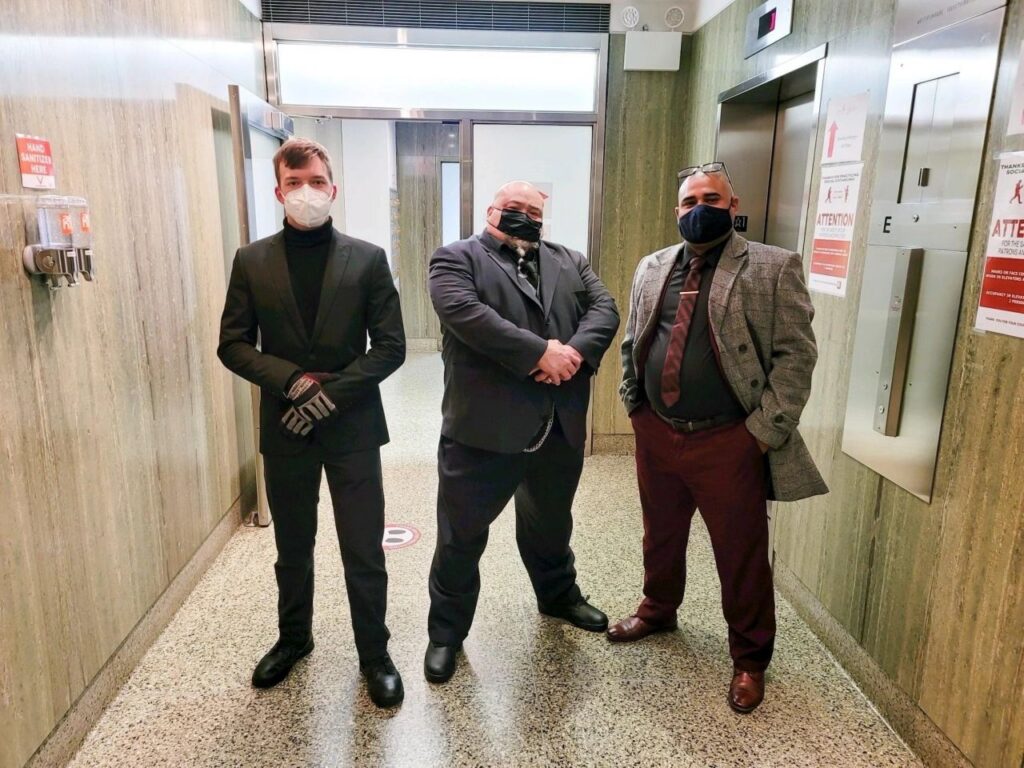
Legal and ethical event security management hinges on strict adherence to relevant laws and regulations, ensuring compliance at every level. This encompasses obtaining proper licensing for security personnel, guaranteeing their qualifications meet industry standards, and adhering to stringent safety protocols. By prioritizing these measures, event organizers can uphold a secure environment while fostering trust and confidence among attendees.
Respect for Individual Rights and Privacy
It is paramount to maintain a delicate equilibrium between robust security protocols and upholding individual liberties and privacy rights. Achieving this balance necessitates a conscientious approach to employing surveillance technologies and safeguarding personal data. Ethical considerations must guide the implementation of security measures, ensuring they do not infringe upon fundamental rights or compromise privacy.
Use of Force Guidelines
Clear guidelines for the utilization of force by security personnel are crucial for maintaining accountability and preventing instances of abuse. These guidelines serve to ensure that actions taken by security personnel are both legally justified and proportionate to the level of threat encountered. By adhering to such policies, authorities can uphold public trust and confidence in law enforcement practices.
Post-Event Evaluation
Review of Security Measures and Their Effectiveness
After hosting an event, it’s crucial to conduct a comprehensive analysis of the security protocols implemented to ensure the safety of attendees. This examination involves scrutinizing the efficacy of the measures adopted and pinpointing any areas where they may have fallen short or left vulnerabilities. By carefully assessing both successes and weaknesses, organizers can refine their security strategies and better protect future gatherings.
Feedback from Event Organizers and Attendees
Collecting feedback from both event organizers and attendees is crucial for gaining valuable insights into the effectiveness of implemented security measures. By soliciting opinions from these stakeholders, event organizers can pinpoint successful strategies and identify potential areas for improvement in ensuring safety and satisfaction. This iterative process of evaluation and adjustment based on feedback fosters a proactive approach to enhancing security protocols for future events.
Lessons Learned and Areas for Improvement
Analyzing the event’s outcomes provides valuable insights for refining security protocols and fostering a culture of adaptability and resilience. By pinpointing weaknesses and implementing targeted improvements, organizations can bolster their defenses against evolving threats and potential vulnerabilities. This iterative process of review and enhancement is crucial for maintaining robust security measures in an ever-changing landscape of risks and challenges.
FAQs (Frequently Asked Questions)
What is the role of private security in event management?
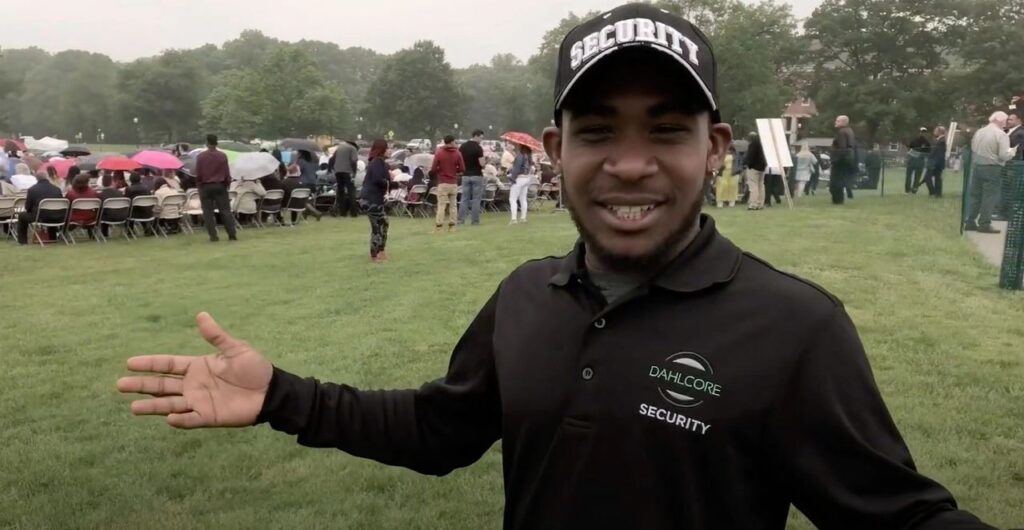
Private security plays a crucial role in event management, ensuring the safety and security of attendees, preventing disruptions, and effectively responding to emergencies.
How are security needs determined for different types of events?
Security needs for events are determined based on factors such as event size, location, nature, and potential risks, with thorough risk assessments guiding the selection of appropriate security measures.
What training do security personnel receive for event management?
Security personnel receive training in crowd control, conflict resolution, emergency response, and the use of surveillance technology to effectively manage security challenges during events.
What measures are in place to handle emergencies during events?
Emergency response plans are developed, which include coordination with local law enforcement and emergency services, clear communication protocols, and evacuation procedures tailored to various emergency scenarios.
How are legal and ethical considerations addressed in event security?
Legal and ethical considerations are addressed through compliance with local regulations and laws, respect for individual rights and privacy, and the establishment of clear guidelines for the use of force by security personnel.
How is the effectiveness of security measures evaluated after an event?
After an event, a thorough review is conducted to assess the effectiveness of security measures, gather feedback from event organizers and attendees, and identify lessons learned and areas for improvement in future security planning.
Conclusion
Private security for events is a multifaceted endeavor that requires careful planning, training, and ongoing evaluation. By proactively addressing security needs, adhering to legal and ethical standards, and continuously refining practices based on feedback and lessons learned, event organizers can ensure the safety and well-being of all participants, contributing to the success and enjoyment of the event experience.
Check also our Personal Security Services
Explore our other blog posts here
Code of Ethics for Security Guards: Standards and Principles
Why You Need a Private Home Security Patrol Service
Why Security Guard Services Are Vital for Apartments & Complexes
