

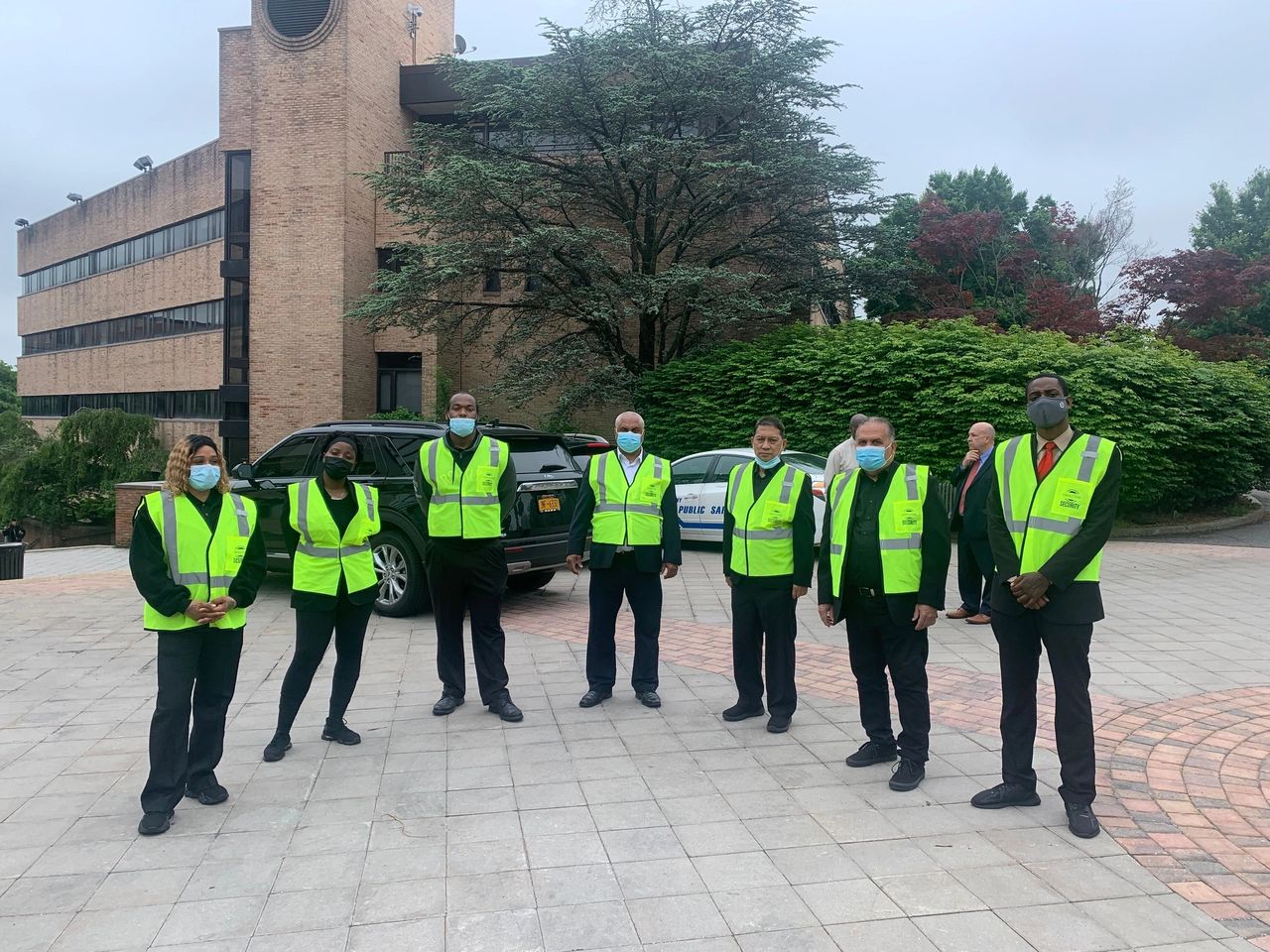
Concert security works best as layered protection: strong perimeter control, smarter entry screening, trained staff inside the venue, and a rehearsed emergency response plan. After the Paris Bataclan attack, many venues increased measures like bag screening, magnetometers, visible security presence, and tighter coordination with police, while also improving crowd flow so safety doesn’t create dangerous bottlenecks.
When you look at how seriously New York treats concert safety today, you can draw a straight line back to the 2015 Paris attacks—specifically the coordinated assaults at the Stade de France and the Bataclan concert hall. Those tragedies exposed how vulnerable public entertainment spaces were to marauding attacks carried out with firearms and explosives.
Here in New York—where Madison Square Garden, Barclays Center, and Central Park shows pull in tens of thousands—security teams have shifted from basic bag checks to layered, intelligence‑driven systems. The 10 innovative security measures for concerts after Paris bombings now form a playbook that combines physical design, advanced technology, and highly trained staff to keep fans, artists, and crew safe without killing the vibe. Think of each measure as one part of a full‑stack defense, the same way you’d build out layered SEO strategies instead of relying on one tactic.
What Changed in Concert Security after the Paris Attacks?
The 2015 Paris attacks exposed weak points in live‑event security. They prompted global venues to adopt layered protection—controlling perimeters, screening entry points, and coordinating with emergency services. These changes reshaped how arenas like Madison Square Garden and outdoor festivals plan safe, crowd‑friendly experiences.
For attendees: what changed after Paris
After the Paris attacks, concert venues started treating security much more seriously. You will see more visible security staff, bag checks, and metal detectors at many large shows. These measures are designed to keep weapons and other threats away from crowds. The goal is to protect you while still keeping the concert experience enjoyable.
For attendees: what layered security means
Expect security to start before you reach the ticket scanners. Streets around the venue may be blocked to cars, and you might pass police or private security near subway exits and sidewalks. This layered security helps catch problems earlier and keeps the densest crowds safer. Follow signs and staff directions so you move smoothly through each security checkpoint.
How the Paris Bombings Reshaped Concert Security Worldwide
On the night of November 13, 2015, attackers struck multiple locations in Paris, including restaurants, the Stade de France, and the Bataclan concert hall, where a rock show was underway. At Bataclan alone, gunmen opened fire on a crowd of about 1,500 people, causing horrific casualties and taking hostages before French special units intervened. In total, 130 people were killed across the attacks, with 90 deaths reported at Bataclan and hundreds more injured.
Security and public‑safety analysts have documented how the November 2015 Paris attacks forced cities like Los Angeles and Paris to rethink stadiums, concert halls, and multi‑site attack scenarios, with lessons that now inform U.S. large‑event planning and training.
For concert and event planners around the world, including in the U.S., the message was brutal but clear: traditional crowd‑management and basic security checks are no match for coordinated, heavily armed attackers. The Paris bombings pushed venues to rethink everything from perimeter control and access screening to emergency coordination with police and medical services. Ten years later, many of the 10 innovative security measures for concerts after Paris bombings are now standard at top U.S. arenas and festivals.
Why New York Concerts Face Unique Security Challenges
New York layers its own challenges on top of global terror concerns. Venues sit on crowded streets above subway hubs, near tourist hotspots, and in neighborhoods with heavy foot traffic day and night. A sold‑out MSG show or a big festival in Central Park doesn’t just pull fans—it draws commuters, tourists, vendors, and protesters all into the same footprint.
That density means there’s very little margin for error if something goes wrong. Evacuations have to account for narrow sidewalks, busy intersections, and nearby buildings full of people. Security teams also have to factor in other risks like crowd crush, unauthorized entry, petty crime, and even weather impacts at outdoor events. All of this makes New York an ideal case study for how to apply the 10 innovative security measures for concerts after the Paris bombings in the real world.
Threat Assessment for Large New York Concerts and Festivals
Every strong security plan starts with an honest risk assessment. For New York concerts, that means considering the artist’s profile, expected crowd size, venue layout, neighborhood crime patterns, transit links, and any current threat intel from city, state, or federal agencies. An arena booking a controversial artist on a high‑tension weekend has a very different risk picture than a mid‑week jazz show in a small club.
Security professionals use structured tools to rate threats like terrorism, active shooters, vehicle attacks, and disorderly conduct, and then map out how each could unfold at that particular site. New York State and local fairgrounds, for example, use formal pre‑event checklists to verify that fire codes, emergency paths, and security staffing match event size and risk. For city venues, that same mentality applies: match security layers to the realistic risk profile of each show, not just a generic template.
These pre‑event reviews double as a vulnerability assessment—an organized look at every point where hostile reconnaissance could identify weaknesses. In New York, this process often includes coordination with NYPD intelligence units or private threat‑monitoring contractors who specialize in large event risk profiling.
Scenario: Small New York Venue vs Large Arena
A small New York concert venue with a capacity of around 1,500 people should prioritize tight door control, clear bag policies, and highly visible security staff in the main room. The venue perimeter is usually limited to the sidewalk and entry staircase, so one or two entry screening lanes, handheld metal‑detection wands, and strict ID checks at the door can significantly reduce risk.
A 15,000‑seat New York arena faces a different challenge and needs a multi‑ring venue perimeter with vehicle barriers, coordinated street closures, and visible law‑enforcement support. The arena relies on full‑height magnetometers at each entry screening lane, a larger CCTV and radio network, and more formal coordination with NYPD, FDNY, EMS, and transit authorities to manage subway stations, ride‑share zones, and bus routes around the site.
What Layered Security Model Works Best for Concerts?
What is layered security for concerts?
Layered security means placing multiple protective rings around a venue: outer vehicle control, middle crowd‑flow monitoring, and inner screening. Each layer delays or exposes potential threats before they reach dense crowds, reducing risk while keeping movement smooth and predictable.
One key lesson from Paris is that security must begin long before the ticket scanner. New York venues now lean into layered perimeters—outer, middle, and inner rings—to keep threats away from dense crowds. At MSG or Barclays, that often means street closures, vehicle barriers, and visible NYPD or private security presence in the blocks surrounding the venue.
The outer ring focuses on controlling vehicle access, spotting suspicious behavior in sidewalks or parking areas, and managing street vendors and buskers so they don’t create uncontrolled choke points. The middle ring might include early ticket checks, patrols near subway exits and stairs, and more intensive surveillance coverage. The same layered perimeter model also works as perimeter security for music festivals and open‑air concerts in and around New York City. The inner ring holds the formal screening: magnetometers, bag checks, and access control points at doors and turnstiles. When you stack these rings, you force any hostile actor to navigate multiple chances to be noticed, questioned, or stopped before they get near the stage.
How Do Venues Harden the Perimeter Without Creating Crowd‑Crush Risk?
Hardening the perimeter involves barriers, ticket checkpoints, and traffic redirection that keep crowds safe without trapping them. Security works with urban planners to ensure wide escape routes, staggered arrival times, and trained ushers to guide flow—preventing panic and bottlenecks during entry or evacuation.
Safe Ingress and Egress Routes in a Dense City
Getting people safely in and out of New York venues is both a security task and a crowd‑safety science. Good ingress planning uses wide, well‑marked paths from subway entrances, ride‑share drop‑offs, and parking garages, with designated lines that don’t spill into live traffic. Security checkpoints are placed to avoid long, exposed queues in the street, which can be dangerous in vehicle‑attack scenarios.
For egress, venues must comply with NYC fire codes and maintain clear exit routes, emergency lighting, and visible signage. Safety videos and explainers for NYC concertgoers emphasize how important it is that exits stay unobstructed and that occupancy limits are respected. Large outdoor spaces and fairgrounds use pre‑event checklists to confirm exits, muster points, and emergency access for fire and EMS vehicles. When something does go wrong, these plans let staff move crowds steadily instead of chaotically, reducing the risk of panic and injury.
Scenario: Outdoor Festival Perimeter vs Indoor Theatre
A New York outdoor music festival relies on temporary fencing, controlled gates, and vehicle barriers to create a clear venue perimeter in an open park or fairground. Security teams must plan for weather, uneven terrain, and long walking distances, using crowd‑management barriers, lighting towers, and roving patrols to protect backstage areas and production zones.
An indoor theatre in New York has a fixed building shell and a small number of public entrances, so the venue perimeter is easier to define but more complex to evacuate quickly. Security staff concentrate on entry screening at a few doors, enforcing capacity limits, keeping aisles clear, and guiding people toward clearly marked exits and stairwells that avoid bottlenecks.
What Entry Screening Measures Actually Reduce Risk (And What are Their Downsides)?
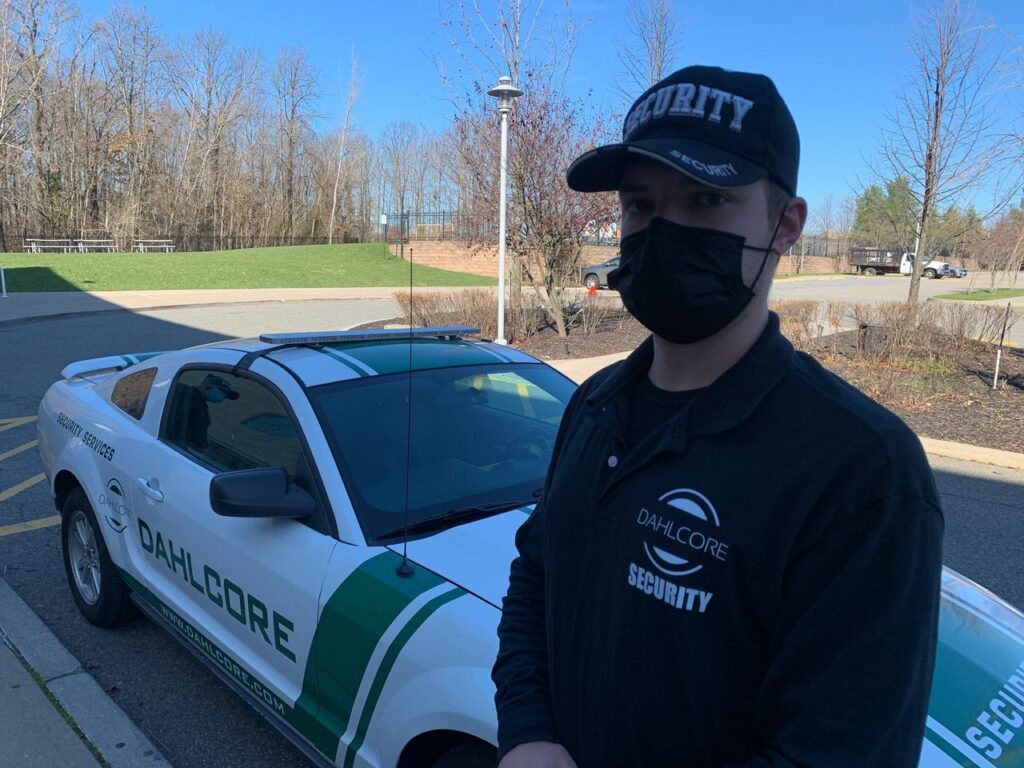
Metal detectors, clear‑bag rules, and trained bag‑check teams effectively deter weapons while controlling access. However, they can slow down entry and increase staffing costs. Modern venues offset this by pre‑communicating rules, spacing lines, and using RFID or timed entry waves to keep fans moving efficiently.
Screening has evolved dramatically as part of the 10 innovative security measures for concerts after the Paris bombings. Magnetometers—full‑height metal detectors—are now common at major New York venues, supported by handheld wands for secondary screening. Security teams are trained to detect weapons, suspicious objects, and noncompliant behavior without grinding the entry process to a halt. Together, these steps now reflect concert entry screening best practices used at major U.S. arenas and New York stadiums.
Case Example: Cutting Wait Times While Adding Screening
At a New York concert venue with a 1000‑person capacity, our team upgraded security screening while cutting average wait times from 22 minutes to 11 minutes. We expanded from 8 to 14 entry screening lanes, increased the number of trained bag‑check screeners from 10 to 16, and moved ticket and ID checks to an outer perimeter checkpoint. Clear pre‑event messaging about bag rules reduced non‑compliant bags at the entrance by roughly 40%, which kept every screening lane moving at a more consistent pace. The result was stronger weapon‑detection coverage, shorter lines, and fewer confrontations at the gate.
Many New York venues and events also implement strict bag rules or clear bag policies inspired by stadium standards. Typical rules allow only small clutches or transparent bags, banning large backpacks and coolers that can hide weapons or explosives. A well‑communicated bag policy and clear bag rules usually allow only small clutches or transparent bags, banning large backpacks and coolers that can hide weapons or explosives. This approach mirrors what you see at big conventions and pop‑culture events, where safety pages clearly outline bag sizes, prohibited items, and inspection requirements. When fans know the rules before they travel, you reduce confrontations at the gate and speed up every lane of screening.
Making Screening Fan‑Friendly and Fast in New York
Security that feels hostile or chaotic can ruin a show before the opening act hits the stage. New York venues fight that by being crystal‑clear about the process and expectations up front: websites list safety checklists, ticket confirmation emails highlight key rules, and social posts remind people to travel light and arrive early. That pre‑framing sets the tone long before someone reaches the sidewalk queue.
On the ground, queue design aims to keep lines moving, reduce cross‑traffic, and provide enough staff at turns and bottlenecks. Security and ushers are trained not just in searches but in customer service, de‑escalation, and how to spot nervous or aggressive behavior without profiling. Venues sometimes use timed entry windows or early access for certain ticket tiers to smooth peak arrivals. Done right, fans experience screening as a brief, predictable step on the way to a good night—not a stressful obstacle course.
Balancing security with accessibility is always a trade‑off. Metal detectors and bag checks improve safety but can lengthen entry times and raise budget requirements for staffing. Clear communication about these measures helps maintain goodwill, especially for guests with accessibility needs or sensory sensitivities.
What Fans Should Expect at NYC Concerts (And How to Get In Faster)
Modern concert security in New York is designed to be layered and predictable, so most of the “work” happens before you reach the doors. Expect police or private security outside the venue, possible street closures or redirected foot traffic, and signage that funnels you toward screening lanes.
At the entrance, you’ll typically go through a metal detector and, if you bring a bag, a brief inspection. Many venues enforce clear‑bag or small‑bag rules to speed up screening and reduce arguments at the gate. Mobile tickets are usually scanned at turnstiles, and staff may do secondary screening with a wand if something triggers the detector.
How fans can reduce delays (quick, compliance-friendly tips):
- Arrive early, especially for sold‑out shows or outdoor festivals.
- Bring as little as possible; avoid large bags and extra metal items.
- Keep your phone ticket ready before you reach the scanner.
- Follow staff instructions and posted signage to keep lines moving.
- If you see an unattended bag or someone in distress, tell staff—don’t investigate it yourself.
Smart Eyes on the Crowd: CCTV, Analytics, and Crowd‑Monitoring Tech
Modern CCTV is one of the most powerful tools supporting the 10 innovative security measures for concerts after the Paris bombings. New York venues deploy networks of HD cameras covering entrances, concourses, seating areas, and key exterior zones. Control rooms monitor real‑time feeds, looking for fights, medical issues, suspicious packages, and unusual crowd movement.
Many security providers now supplement cameras with analytics that can flag anomalies automatically, such as sudden crowd surges, people moving against the flow, or a bag left unattended. Crowd‑monitoring technologies measure density in zones and visualize hot spots on dashboards so operators can proactively redirect traffic before areas become unsafe. In a city where a small bottleneck can quickly snowball, that early warning is gold. Combining CCTV, analytics, and on‑the‑ground staff helps venues stay ahead of problems instead of simply reacting to them.
Drones and Counter‑Drone Planning for Outdoor NYC Events
Drones add a complicated new layer to concert security. On the positive side, authorized security drones can provide aerial views of festival grounds, parking areas, and nearby streets, helping teams monitor crowd movement and traffic more effectively. With AI‑powered video analysis, these platforms can detect anomalies—like rapid crowd shifts or unexpected vehicles—much faster than humans alone.
The downside is rogue drones flown by fans, content creators, or malicious actors. Unauthorized drones can crash into crowds, interfere with stage effects, or act as delivery systems for contraband. In the U.S., counter‑drone operations are tightly regulated, but venues can still use detection tools to identify drones and escalate to the appropriate authorities. For big outdoor festivals in and around New York, it’s increasingly smart to fold drone and counter‑drone planning into your overall security strategy.
Digital Access Control: E‑Tickets, RFID, and Backstage Security
Digital access control is now standard across most New York concerts. Mobile tickets with QR codes or NFC passes are scanned at turnstiles, making it easier to block duplicates, track entry volumes, and see which gates are under pressure in real time. On the back end, security teams can correlate scans with CCTV views to monitor suspicious patterns.
Staff, crew, and artists rely on RFID badges or controlled digital credentials to move through backstage corridors, loading docks, and production zones. Limiting access to critical areas like stages, control rooms, and dressing rooms reduces insider risk and unauthorized interference. For especially high‑risk shows, some organizers explore biometrics for staff or VIP zones, always guided by privacy rules and city guidelines. However it’s set up, strong digital access control lets venues lock down sensitive spaces quickly if an incident unfolds.
Crowd Management Barriers and On‑Site Staff Visibility
Physical layout is a huge part of crowd safety. New York security providers use a mix of fences, barriers, and specialized stage barricades to create lanes, pens, and safe standing zones. This keeps flows organized, protects front‑of‑house and production areas, and gives security clear sightlines through the crowd.
High staff visibility is just as important. Guards and stewards stationed across entrances, aisles, and high‑risk corners act as both deterrents and helpers, ready to intervene when someone pushes, passes out, or starts trouble. Providers emphasize training on reading body language, handling intoxicated guests, and working with medical teams. That human layer complements the tech—CCTV might spot a problem, but it’s staff who step in to fix it.
Training, Staffing Models, and Guard‑to‑Guest Ratios in New York
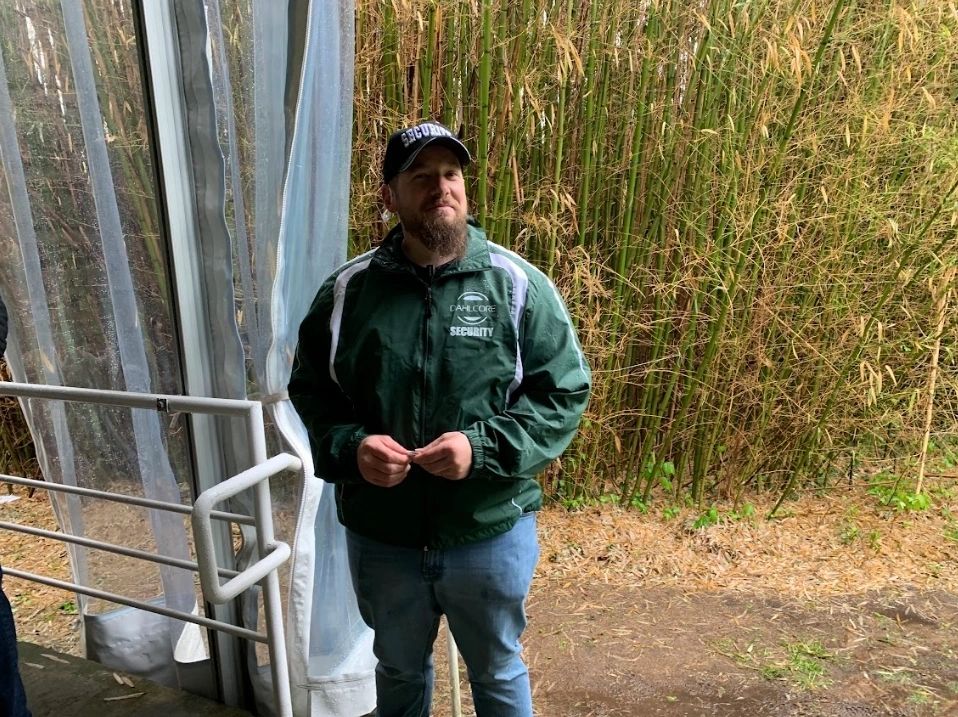
Effective security coverage depends on both numbers and know‑how. For high‑capacity New York venues, best practice is one trained guard for roughly every 250–300 attendees, depending on venue design and alcohol service. Staff roles vary—entry screening, bag search, perimeter patrol, and incident command coordination—and frequent scenario drills help them react fast to active threats. Concert promoters usually partner with private security contractors who align training standards with NYPD, FDNY, and EMS requirements.
Emergency Planning With NYPD, FDNY, and EMS
In New York, emergency planning is a team sport. Large venues and major events coordinate with NYPD, FDNY, and EMS well before show day to align on potential scenarios and response protocols. That coordination model, used every year for Times Square New Year’s Eve, combines perimeter control, public‑safety messaging, and rapid response capabilities for a crowd that can top one million people.
For concerts, plans document how to handle fires, medical emergencies, fights, bomb threats, active shooters, severe weather, and infrastructure failures. They define who leads, how messages are broadcast to crowds, and how evacuation or shelter‑in‑place decisions are made. Many New York organizers align these procedures with an active threat response plan for venues, borrowing elements from modern active‑shooter and violent‑intruder guidance. Drills and table‑top exercises with venue staff and first responders help everyone practice their roles before they’re needed. When seconds matter, that familiarity can save lives.
For attendees: during an emergency
If an emergency is announced, stay calm and listen for instructions from security staff or from the venue’s sound system. Follow the nearest exit signs instead of pushing toward the entrance you used when you arrived. Keep walking until you are away from the building and any crowded sidewalks. Helping the people around you stay calm makes the evacuation safer for everyone.
Public Awareness and Attendee Education at New York Concerts
Public awareness campaigns turn fans into part of the security net. National and local messaging encourages people to stay alert, report unattended bags, and flag concerning behavior to staff or police. Many New York events share safety FAQs and wellness information—like Comic Con’s detailed security and conduct policies—so people know exactly how to behave and what to expect onsite.
Venues also remind guests to keep personal items with them, follow bag rules, and pay attention to emergency announcements. Some offer text numbers or apps for reporting harassment, medical issues, or suspicious activity discreetly. The idea is simple but powerful: if thousands of attendees know the basics of the 10 innovative security measures for concerts after the Paris bombings and how they can help, the whole event becomes safer.
Communication Plans and Real‑Time Safety Messaging
A clear communications plan can make or break an emergency response. Venues should pre‑write PA scripts, signage templates, and mobile push alerts that explain entry procedures and emergency instructions in plain language. During an incident, those same channels turn into life‑saving broadcast tools for sheltering or evacuation. Messaging must stay consistent across promoters, venue operations, and public agencies.
Legal and Regulatory Considerations for NYC Concert Security
Security in New York isn’t just a best‑practice issue; it’s a legal and regulatory one too. Venues must meet NYC fire and building codes, maintain occupancy limits, provide adequate exits and emergency signage, and secure permits for large events. Pre‑event checklists at state fairgrounds and similar sites also highlight the need to file security plans and meet all safety‑code requirements in advance.
City guidance and legal commentary stress the duty of care: organizers need to demonstrate that they took reasonable steps to protect attendees based on known risks. That often means aligning with industry best practices on bag policies, screening, staffing ratios, and emergency planning. While laws differ from the UK’s Martyn’s Law framework, the underlying idea is similar—venues that host large crowds must actively assess and manage terrorism and safety risks.
Limitations, Privacy, and Accessibility Considerations
Advanced tools like CCTV analytics, digital access control, and drone support can dramatically improve situational awareness, but they also raise privacy and data‑protection questions. New York venues need clear internal policies on how surveillance data is captured, stored, and shared, and they must follow all applicable state and federal privacy rules.
Security screening can also create challenges for guests with disabilities, mobility limitations, or sensory sensitivities. Venues should offer alternative screening options, provide step‑by‑step instructions in plain language, and train security staff to support guests who need extra time or a quieter space. False alarms—from abandoned bags to misread metal detectors—are inevitable, so the emergency communications plan should emphasize calm, clear announcements that prevent panic while still moving people away from potential danger.
How To Implement These 10 Measures at Your Next New York Concert
Rolling out the 10 innovative security measures for concerts after Paris bombings doesn’t have to happen overnight. For most New York venues, a staged roadmap works best.
A practical “how to” sequence:
- Start with assessment: Work with a qualified security provider to review your venue, neighborhood, and event profile, then build a written risk assessment and emergency plan.
- Design your perimeter: Plan outer, middle, and inner rings using barriers, street management, and surveillance according to your size and location.
- Upgrade screening: Implement magnetometers, wanding, and clear or small‑bag policies, supported by clear online and on‑site communication.
- Enhance visibility: Improve CCTV coverage, staff placement, lighting, and crowd‑monitoring tools to catch issues early.
- Drill with partners: Coordinate exercises with NYPD, FDNY, EMS, and your private security teams so everyone knows the playbook.
Smaller clubs can focus first on policy, training, and basic tech upgrades, then invest in more advanced analytics or access control as budgets grow. Larger arenas and festival organizers should look at deeper integrations—tying ticketing to security data, exploring drone support within legal bounds, and pushing attendee education through every marketing channel.
Concert Security Planning Checklist
If you’re responsible for a New York concert or festival, the fastest way to raise your safety baseline is to run the same checklist for every show. Use this one‑page Concert Security Planning Checklist as a repeatable template for pre‑event planning, day‑of operations, and post‑event debrief so your team doesn’t rely on memory when it matters most.
Pre‑Event (Days/Weeks Before)
- Complete a written threat & risk assessment (artist profile, crowd size, venue layout, neighborhood, date/time).
- Confirm permits, insurance, vendor contracts, and venue compliance requirements are documented and accessible.
- Coordinate with NYPD, FDNY, and EMS on response routes, staging areas, and points of contact.
- Define your 3‑Layer perimeter plan (outer, middle, inner) and map staff posts for each layer.
- Publish a clear bag / prohibited items policy in ticket emails, event pages, and social posts.
- Plan entry screening: number of lanes, magnetometers vs. wands, secondary screening area, ADA option.
- Validate CCTV coverage for entrances, concourses, exits, and exterior choke points; test recording/storage policy.
- Build staffing roles and post orders (screening, patrol, ushers, backstage access, incident command).
- Pre‑write comms: PA scripts, signage templates, and message escalation rules for emergencies.
- Conduct a tabletop exercise: evacuation vs. shelter‑in‑place, suspicious package, fight/medical surge.
Day‑Of (Operational Execution)
- Hold a pre‑shift briefing: risks, prohibited items, staff roles, and radio channels.
- Walk the perimeter: confirm barriers, street controls, and loading dock/back‑of‑house access points.
- Confirm all exits and stairwells are unobstructed; check emergency lighting and exit signage.
- Test magnetometers/wands, ticket scanners, radios, and command post communications before doors open.
- Set up queues to avoid sidewalk bottlenecks; adjust stanchions and lane count as lines grow.
- Monitor crowd density using CCTV and on‑floor supervisors; redirect flow early to prevent crush risk.
- Track incidents in a simple log (time, location, type, action taken, result).
- Maintain visibility: keep roving staff in high‑risk zones (bars, stairs, pit, restrooms).
- Run a “last call” check: clear aisles, confirm egress paths, coordinate rideshare/egress flow.
Post‑Event (Debrief + Improvement Loop)
- Record ingress metrics (peak queue length, average wait, fastest/slowest gates).
- Compile incident and medical reports; identify the 1–3 biggest friction points.
- Hold a 15‑minute debrief with security + operations + promoter: what worked, what failed, what changed.
- Update the plan for next time: staffing, barriers, comms scripts, screening lanes, signage, vendor policies.
- Archive relevant logs and footage per your retention/privacy policy.
Key Takeaways: Building Safer Concert Nights
- Layered security prevents single‑point failures.
- Clear rules shorten lines and lower tension.
- Coordination with NYPD and FDNY saves precious seconds.
- Public awareness turns fans into a safety asset.
FAQs
Why did concert security change so much after the Paris attacks, and how can we prevent attacks at large events now?
The Paris attacks proved that concerts and stadiums can be prime targets for complex terrorist attacks using firearms and explosives, especially indoors. That forced venues worldwide, including in New York, to adopt layered perimeters, enhanced screening, and detailed emergency plans.
What are the most important innovative security measures for concerts after the Paris bombings in New York?
Core measures include strong threat assessments, layered perimeters, magnetometers and strict bag policies, intelligent CCTV and crowd‑monitoring, staff visibility, and multi‑agency emergency planning. Public awareness and clear venue policies round out the picture.
Are clear bag policies really necessary at NYC concerts?
Clear or small‑bag rules make it easier and faster for security teams to spot prohibited items, cutting both risk and wait times at entrances. They’ve become standard at many high‑capacity U.S. venues and festivals.
What should New York concertgoers do to support these innovative security measures for concerts after the Paris bombings?
Fans can travel light, follow bag rules, arrive early, know where exits are, and report anything suspicious to staff or police. Checking each venue’s safety page before heading out helps avoid surprises at the door.
How can small New York venues afford these security upgrades?
Smaller venues can prioritize tight door policies, better lighting, staff training, basic CCTV coverage, and clear emergency exits before investing in more advanced tech. Over time, they can add metal detectors, digital ticketing, and deeper collaboration with local precincts.
Do all 10 innovative security measures for concerts after Paris bombings apply to every venue size?
The principles apply everywhere, but the scale changes: arenas need full perimeters and complex tech, while clubs adapt the same ideas with simpler tools and procedures. The key is matching the measures to your actual risks and resources.
Do metal detectors make concerts safer, and when are they worth it?
Metal detectors provide a fast and effective layer of weapon screening. They’re most useful at large venues or high‑profile events where risk levels justify the cost. Smaller venues may rely on handheld wands or visual inspections to maintain efficiency and guest comfort.
What should a concert bag policy include?
A good bag policy limits sizes to small clutches or transparent bags, bans backpacks, and explains everything clearly online before show day. This reduces confrontation at checkpoints and keeps security lanes moving faster for everyone.
How do venues coordinate with police without alarming attendees?
Most coordination happens before doors open. Planners share layouts, emergency routes, and communication channels with local police and EMS. Visible patrols are balanced with plainclothes officers to preserve a relaxed atmosphere while improving readiness behind the scenes.
What should fans do if they see a suspicious item?
Stay calm, move away, and alert the nearest staff or security guard immediately. Never touch or investigate it yourself. Reporting early helps law enforcement contain risks before crowds are affected.
Do heightened security measures get detailed publicly?”
Often not. Major operators have said they may increase security after attacks, but avoid sharing specifics publicly because protocols are sensitive and could be exploited.
Conclusion: Building Safer, Iconic Concert Nights in New York
The 10 innovative security measures for concerts after Paris bombings are about more than checking bags— they’re about ensuring New Yorkers can enjoy world‑class shows without constant fear. From layered perimeters and smarter screening to analytics, drones, and deep cooperation with NYPD and FDNY, each layer trims risk while protecting the magic of live music. As threats evolve, venues that keep learning, testing, and upgrading will give their audiences both unforgettable nights and peace of mind.
For details on our licensing, insurance, and service area, visit our security and compliance page or contact our team directly.
Explore our other blog posts here
6 Types of Surveillance & Advanced Security Tech in 2026
How Intruder Alarm Systems Work: Reliable Security for Your Home
5 Principles of Patrolling: Key Tactics for Effective Security
