


Last Updated: December 12, 2025
Special event security is the backbone of a safe, successful concert, festival, conference, or private function—especially in complex markets like New York City and New Jersey. From risk assessment and staffing levels to crowd control, technology, and emergency response, your plan must be detailed, documented, and executed by trained professionals.
Key takeaways at a glance:
- Every event in NYC/NJ needs a written security plan covering risk assessment, staffing, access control, crowd management, and emergency procedures.
- Local permits and venue approvals often require documented security staffing, evacuation routes, medical coverage, and coordination with law enforcement and fire/EMS.
- Partnering with a licensed, insured firm like Dahlcore Security Guard Services gives organizers direct access to experienced event security leadership serving venues across Staten Island, Brooklyn, Manhattan, Queens, the Bronx, Long Island, and New Jersey.
By Dahlcore Event Security Team
Dahlcore Security Guard Services is a licensed and insured security guard firm known for effective security solutions, direct CEO/COO involvement, and tailored protection plans for clients throughout New York City and surrounding areas.
Understanding Special Event Security
What is special event security, and why is it important?
Special event security is the set of strategies, personnel, technology, and procedures used to protect people, property, and reputation at planned gatherings such as concerts, festivals, corporate conferences, trade shows, charity galas, nightlife events, and private parties. It covers threat assessment, access control, crowd management, emergency response, VIP protection, and post‑event review.
In dense urban environments like NYC and North Jersey, events are exposed to elevated risks, including overcrowding, disorderly conduct, theft, medical emergencies, severe weather, and, in rare cases, targeted violence, which makes professional event risk management essential rather than optional.
Types of events that need specialized planning
- Indoor concerts, club nights, and live entertainment
- Outdoor festivals, street fairs, and block parties
- Corporate conferences, trade shows, and product launches
- Sports events and school or university functions
- VIP appearances, red‑carpet events, and high‑profile private parties
Each event type has different crowd behaviors, alcohol policies, venue layouts, and threat profiles, so the security plan must be tailored—not copied from a generic template.
Pre‑Event Risk Assessment and Planning
How do you plan security for a large event?
Planning starts weeks or months before doors open. Effective special event security in NYC/NJ follows a structured process:
- Define the event profile: location (e.g., Manhattan hotel, Brooklyn warehouse, Staten Island park), date/time, expected headcount, demographics, alcohol policy, and programming (e.g., live music, VIPs, fireworks).
- Conduct a risk assessment and threat analysis: identify likely scenarios such as overcrowding, disorderly conduct, weather disruptions, medical incidents, or protests, and rate them by likelihood and impact.
- Align with local requirements: confirm permit needs, insurance requirements, occupancy limits, and any mandated security or crowd management measures with NYC agencies or local New Jersey municipalities.
- Develop a written security operations plan: document staffing levels, post orders, access control, bag checks, search procedures, incident reporting, communications, and evacuation routes.
In New Jersey, many municipalities require a formal security plan—including staffing, emergency procedures, site map, and medical services—as part of the special event permit application, especially for outdoor events affecting streets or public parks.
Pre‑Event Security Checklist
Use this checklist as a baseline before every event:
- Define event type, audience, and capacity.
- Confirm permits and approvals with NYC (e.g., NYPD and relevant city agencies) or local New Jersey authorities.
- Complete a written risk assessment and threat analysis.
- Decide on armed vs. unarmed security and event staffing levels.
- Map entrances, exits, VIP routes, loading docks, and restricted areas.
- Design evacuation routes, assembly points, and shelter‑in‑place options.
- Coordinate with venue management, law enforcement, fire, and EMS as appropriate.
- Finalize a communication plan (radios, channels, call signs, backup methods).
- Prepare written post orders and incident reporting procedures.
- Brief all vendors and internal teams on rules, screening, and access rules.
Staffing, Training, and Roles
How many security guards are needed for an event?
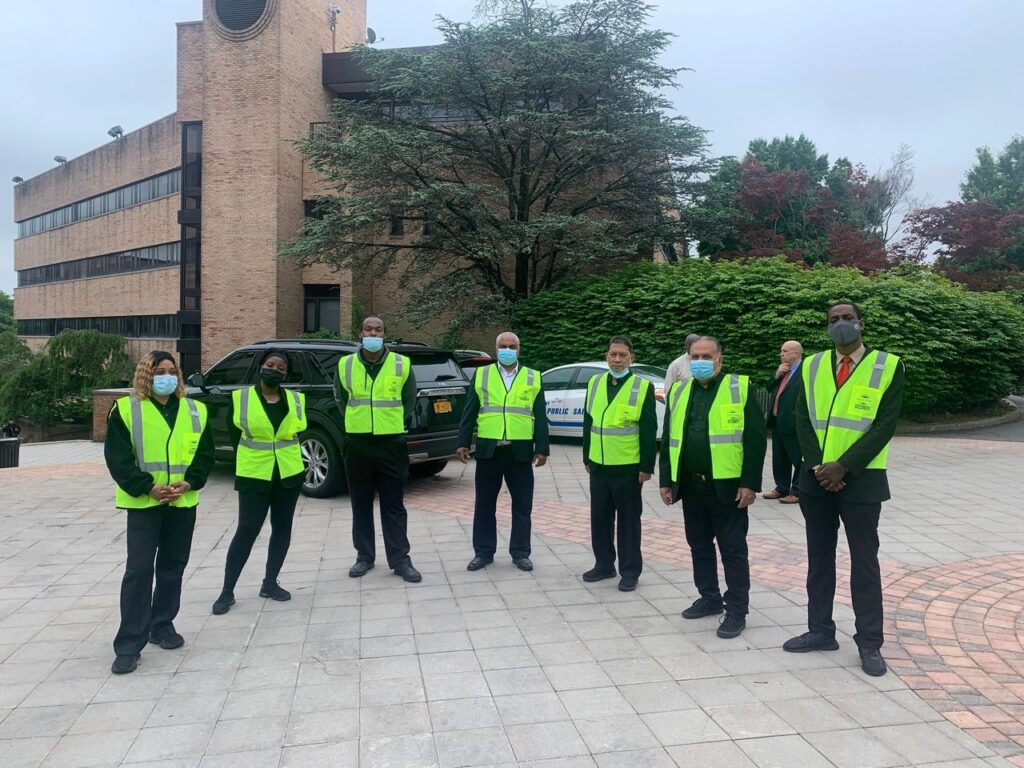
There is no single rule for how many security guards you need; staffing depends on headcount, alcohol service, event risk level, layout, and local expectations. In practice, higher‑risk events with alcohol and late‑night hours in NYC often require more guards per attendee plus dedicated supervisors to maintain control.
Best practice is to staff not only for “normal operations” but also for contingencies like evacuations, fights, or medical incidents, using supervisors to maintain a manageable span of control over security teams. Industry guidance for nightlife venues, for example, recommends that a supervisor oversee several guards to ensure effective direction under pressure.
Key security roles at special events
- Event Security Supervisor / Security Director: Oversees the entire security operation, liaises with NYPD/venue management, and makes real‑time decisions.
- Access control and screening teams: Manage ticket scanning, guest lists, ID checks, and bag checks at each public entrance.
- Roving patrols: Move through crowd areas, back‑of‑house corridors, and parking lots to detect issues early.
- Stage/production and backstage security: Protect performers, production assets, and restricted zones.
- VIP and executive protection: Provide dedicated protection and secure movements for high‑profile guests.
- Medical/first aid staff: Coordinate with security to respond to injuries or medical events.
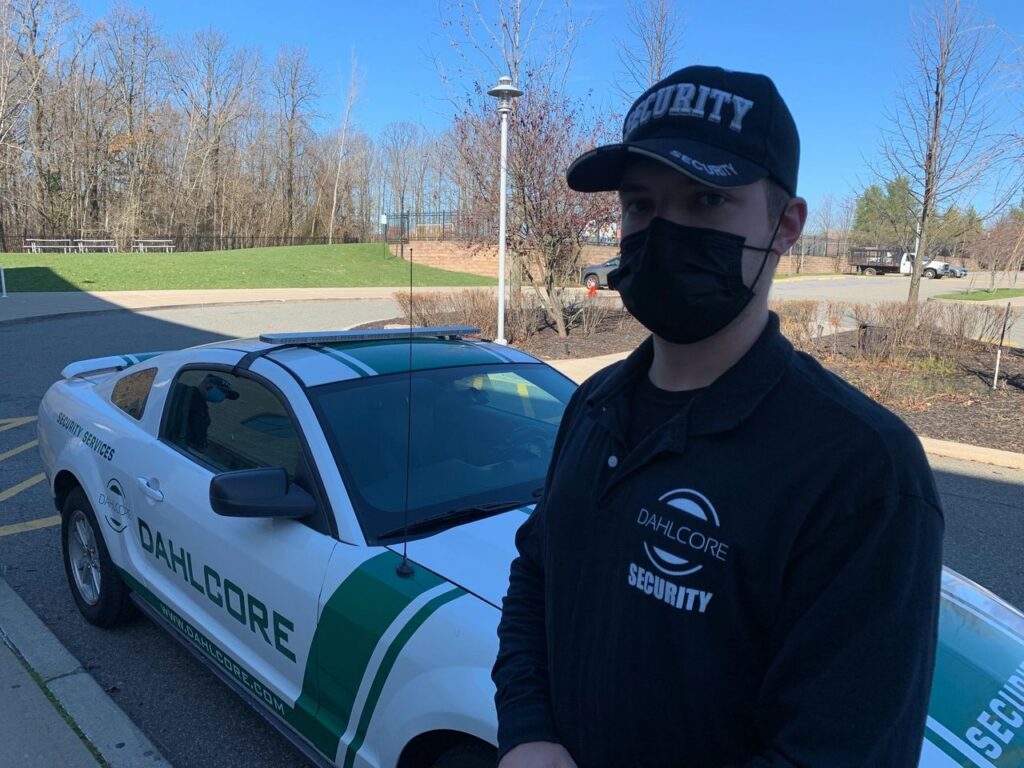
Professional firms like Dahlcore recruit and train guards to law‑enforcement‑style standards, emphasizing communication, de‑escalation, crowd control, and incident reporting, which is critical when operating in crowded, high‑pressure NYC and New Jersey settings.
Access Control and Crowd Management
What are the best practices for crowd control at events?
Crowd management starts long before people reach the door. Good design plus disciplined execution reduces risk dramatically:
- Entry design: Use stanchions, barricades, and clear signage to create orderly queues, VIP/ADA lanes, and staff/vendor entrances.
- Access control: Implement ticket scanning, guest lists, age verification, and color‑coded wristbands or badges for zones such as VIP, all‑access, and backstage.
- Search procedures: Use bag checks and, where appropriate, walk‑through or handheld metal detectors to prevent weapons and contraband from entering the venue.
- Flow management: Monitor density at choke points (bars, restrooms, exits) and temporarily pause entry or redirect flows when areas become crowded.
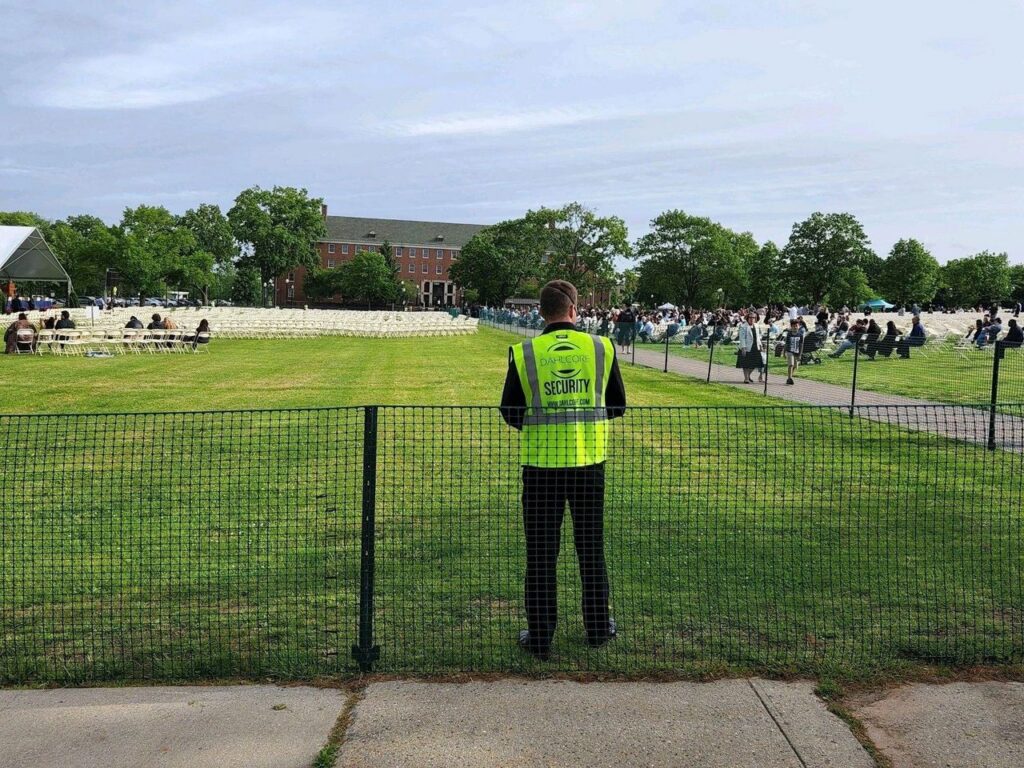
Inside the venue, trained guards and event staff use constant observation, radio communication, and clear instructions to prevent overcrowding, keep aisles and exits clear, and intervene early with intoxicated or aggressive individuals.
Access control measures NYC and NJ venues should use
For New York City venues—especially nightlife establishments and large event spaces—best practices commonly include:
- Posted house rules at the entrance (ID requirements, dress code, prohibited items).
- ID verification and guest list control for private or VIP events.
- Bag checks and optional metal detection based on risk profile.
- Restricted access to staff‑only, rooftop, and high‑risk utility areas.
- Age‑verification processes for alcohol service and alcohol‑controlled zones.
In New Jersey, permit applications for large outdoor events often require a site map that clearly shows entrances, exits, crowd areas, emergency vehicle access, and any temporary structures, all of which should be integrated into your access control and crowd management plan.
On‑Site Security Checklist (day‑of‑event)
- Conduct a pre‑event walk‑through with security, venue, and key vendors.
- Test radios, public address systems, CCTV, and any metal detectors.
- Verify that barriers, stanchions, and signage are in place and visible.
- Confirm all guards understand posts, escalation paths, and incident reporting.
- Assign specific staff to monitor crowd density and key chokepoints.
- Ensure first aid stations and AEDs are visible and accessible.
- Run a brief table‑top or verbal review of evacuation procedures before doors.
Security Technology and Monitoring
Using technology to enhance special event security
Modern special event protection relies on a combination of people and technology:
- CCTV and video analytics: High‑definition cameras with low‑light and motion‑detection capabilities allow supervisors to monitor entrances, stages, concourses, and parking areas in real time.
- Access control systems: Credentialed doors, electronic locks, and badge systems help distinguish public, staff‑only, and VIP zones and log who enters sensitive spaces.
- Metal detectors and screening equipment: Walk‑through units and handheld wands support bag checks and person screening, especially for high‑risk events or venues with explicit security expectations.
- Incident management tools: Digital logs and reporting apps allow guards to capture incident details, photos, timing, and actions taken, which simplifies post‑event review and liability defense.
NYC and New Jersey venues also increasingly integrate security systems with building life‑safety systems—such as fire alarms and emergency lighting—to support rapid evacuation or shelter‑in‑place decisions when needed.
Emergency Response and Incident Management
What should attendees do in an emergency?
Attendees should remain calm, follow instructions from event staff or security personnel, move quickly but safely toward designated exits or shelter areas, and avoid reentering the venue until authorities declare it safe. These behaviors are only effective if the organizer has already designed clear evacuation routes, signage, and scripts for public address announcements.
Core components of an event emergency plan
An effective emergency response plan for NYC/NJ events includes:
- Scenario planning: Medical emergencies, fire, severe weather, power loss, active assailant, bomb threat, protests, and lost children.
- Evacuation and shelter protocols: Primary and secondary routes, assembly areas, and ADA‑compliant options, coordinated with local fire and police where required.
- Medical response: On‑site EMTs/medics where appropriate, first aid stations, AED locations, and hospital routes.
- Communication protocols: Clear chain of command, radio channels, backup communication methods, and pre‑approved public address scripts.
- Incident documentation: Standard forms and procedures for recording what happened, when, who responded, and what actions were taken.
NYC’s permitting and public‑safety environment often expects large public events to coordinate in advance with NYPD and other city agencies on crowd management, emergency planning, and security coverage, particularly for parades, street fairs, and large concerts.
Post‑Event Review and Continuous Improvement
Why post‑event debriefs matter
Once the last guest leaves, the security work is not finished. A structured post‑event review helps you learn from what went well and what did not, so future events are safer and more efficient.
Key steps include:
- Debrief with security supervisors and key staff: Review crowd behavior, any incidents, near‑misses, choke points, and communication challenges.
- Analyze incident reports: Identify patterns (e.g., recurring issues at a specific entrance or bar) and decide on corrective actions.
- Update your playbooks: Adjust staffing models, search procedures, signage, and layout based on findings and evolving NYC/NJ regulations or venue policies.
For recurring events—like annual festivals, recurring club nights, or sports seasons—these after‑action reports become a powerful knowledge base that steadily improves your risk management and guest experience over time.
Post‑Event Review Checklist
- Collect incident and medical reports from all teams.
- Conduct a structured debrief within 24–72 hours.
- Document successes, failures, and “near misses.”
- Update risk assessments and security plans for next time.
- Share key learnings with venue management and vendors.
- File documentation for regulatory or insurance purposes.
Scenario‑Based Guidance for Common Event Types
Securing outdoor festivals and street events
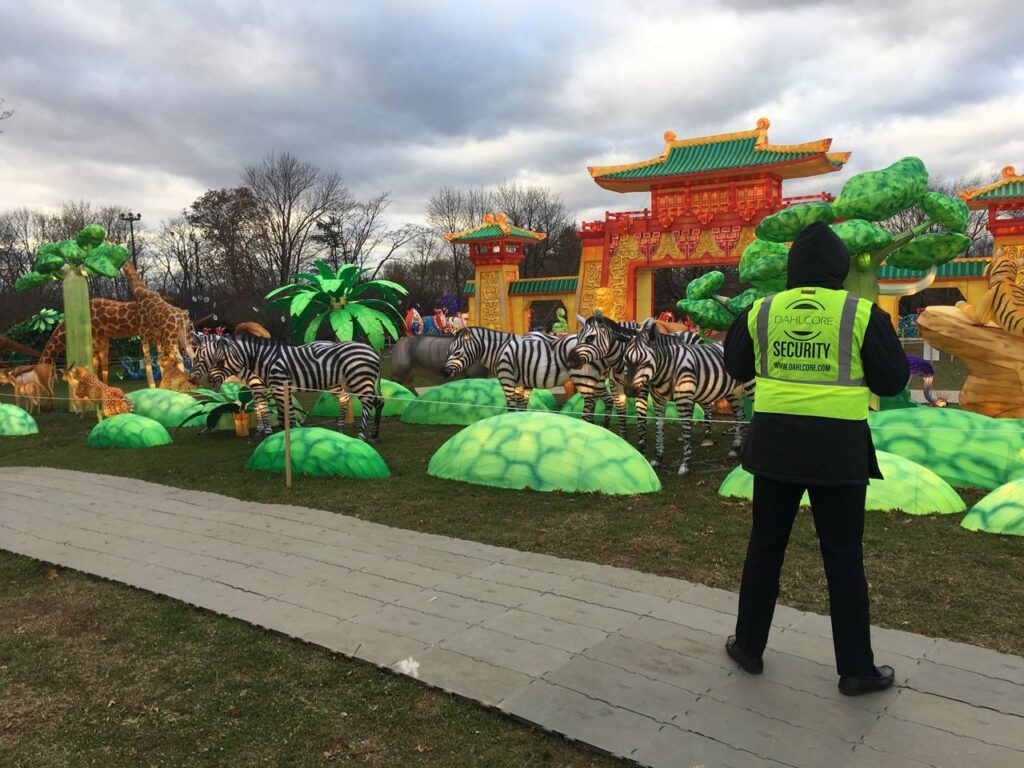
Outdoor events in places like Brooklyn waterfronts, Staten Island parks, Manhattan streets, or New Jersey waterfronts (e.g., Jersey City, Hoboken) add complexities such as weather, open perimeters, and public‑space rules.
Focus on:
- Crowd density monitoring across large, open areas.
- Perimeter fencing and controlled entry gates.
- Dedicated traffic control and coordination with local police for street closures.
- Weather plans for heat, storms, or poor air quality, plus clear public notifications in New Jersey communities affected by road closures or noise.
Securing corporate conferences and trade shows
For Manhattan hotels, Midtown office buildings, and convention centers, the emphasis is on access control, intellectual property protection, and brand reputation.
Key tactics include:
- Pre‑registration and badge‑only access to conference areas.
- Security posts at loading docks, service corridors, and equipment storage.
- Coordination with building security teams and corporate risk management.
VIP and high‑profile events
For VIP galas, red‑carpet events, or high‑net‑worth private functions across NYC and North Jersey, discrete but robust protection is crucial.
Plans typically include:
- Dedicated executive protection teams for principals.
- Secure arrival/departure routes and controlled photo areas.
- Private backstage or green‑room security and non‑disclosure of sensitive logistics.
Templates, Tools, and Downloadable Resources
To make planning easier, organizers can work with Dahlcore to access or customize:
- A special event security plan template (covering risk assessment, staffing, post orders, and emergency protocols).
- A run‑of‑show security schedule for guard briefings, shift changes, and key program moments.
- A radio communication protocol with call signs, channels, and escalation paths.
- A printable Special Event Security Checklist summarizing all major steps from planning to post‑event review—ideal as a one‑page PDF or on‑screen graphic.
These tools help standardize best practices across multiple events and venues while still allowing customization for each site’s unique layout and regulations.
Why Choose Dahlcore for Special Event Security in NYC?
Dahlcore Security Guard Services is a licensed and insured security guard firm with a strong reputation for effective solutions and hands‑on oversight from its leadership team. Dahlcore serves clients across Staten Island, Brooklyn, Manhattan, Queens, the Bronx, Long Island, and the greater New York region, delivering tailored security plans that reflect the realities of local venues and regulations.
For special events, Dahlcore can provide:
- Armed or unarmed event security guards and supervisors.
- Crowd management and access control teams for NYC venues and New Jersey outdoor events.
- VIP and executive protection, including discreet protection for high‑profile guests.
- Support with security planning for permit applications and coordination with law enforcement and emergency services.
Organizers can also connect this guide with Dahlcore’s existing Event Security Services and Event Security Checklist for New York Venues resources to create a unified planning hub on the site.
Frequently Asked Questions About Special Event Security
What is special event security, and why is it important?
Special event security is the coordinated use of trained security personnel, procedures, and technology to protect attendees, staff, performers, and property at planned gatherings such as concerts, festivals, conferences, and private events. It is important because large crowds, alcohol, tight urban spaces, and high‑profile guests all increase the risk of incidents that can cause injuries, property damage, and reputational harm if not managed proactively.
How do you plan security for a large event?
Start with a written risk assessment, define your event profile (venue, capacity, audience, alcohol, VIPs), and consult local NYC or New Jersey permitting requirements to understand minimum expectations. Then build a security plan that covers staffing, post orders, access control, screening procedures, crowd management, emergency response, communication protocols, and post‑event debriefs, ideally in partnership with a licensed security provider.
How many security guards are needed for an event?
The number of guards depends on attendance, risk level, alcohol service, venue layout, and whether the event is public or private. Higher‑risk or late‑night events in NYC nightlife environments generally require more guards and supervisors per attendee than daytime corporate functions, and organizers should review local guidance and work with experienced firms like Dahlcore to design appropriate staffing models.
What are the best practices for crowd control at events?
Best practices include pre‑planned queue layouts, adequate barriers and signage, separated VIP/ADA/staff entry points, ticket and ID checks, bag searches, optional metal detection for higher‑risk events, and active density monitoring inside the venue to prevent overcrowding at choke points. Trained guards should intervene early with disorderly guests and keep exits and egress paths clear at all times.
What security measures should New York venues use for special events?
NYC venues typically combine trained security guards, access control systems, CCTV coverage of entrances and critical areas, written house rules, documented search and ID policies, and pre‑planned emergency procedures aligned with local fire and building codes. For larger public events, organizers may need permits and formal coordination with the NYPD and other city agencies around crowd management and emergency planning.
Check other blogs
Hiring a Security Monitoring Service? Top Benefits
Bank Security Officer: Safeguarding Financial Institutions
Female Security Guards and Bodyguards
Security Clearance-Based Access Control: Safety & Compliance
