

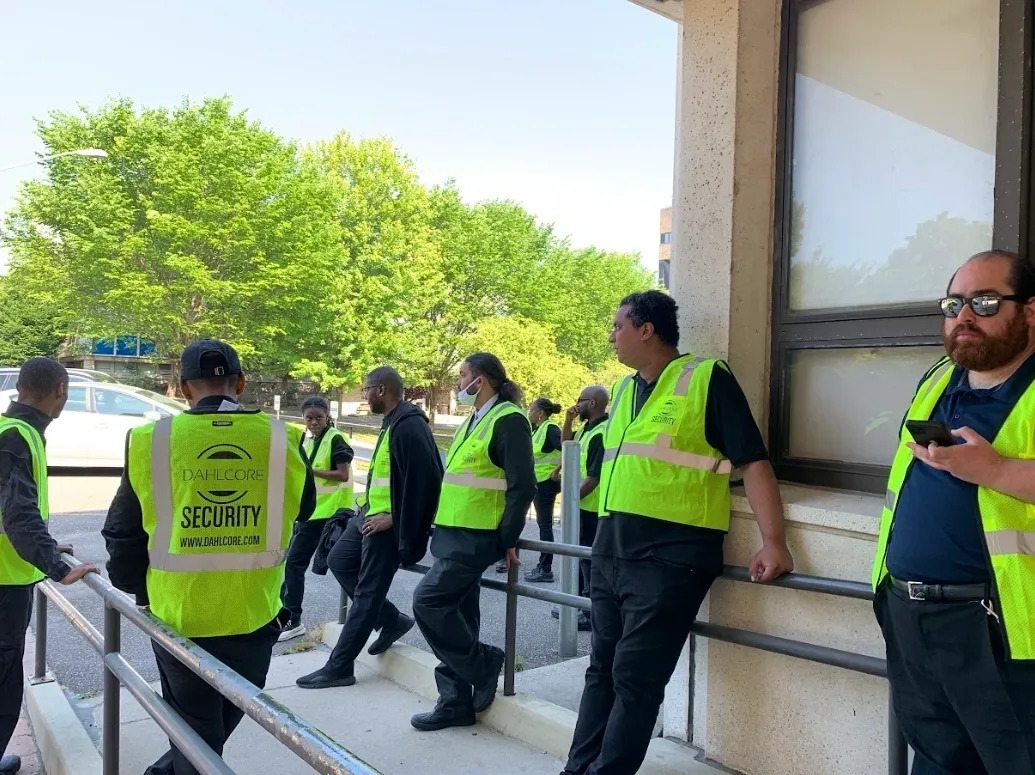
“Tips for Security Training: Navigating the Unexpected in Dispensaries”
In today’s world, the unexpected looms around every corner, especially in dispensaries where both assets and people are involved. Understanding the need for comprehensive security training is not just about compliance; it’s about creating a safe and welcoming environment for both staff and customers. This initial step is crucial, as it sets the tone for a proactive rather than reactive approach to security.
Security Training: Preparing for the Unexpected in Dispensaries
Every dispensary faces unique challenges and threats, making customized security training not just beneficial but essential. Staff should be well-versed not only in daily operations but also in responding swiftly and effectively to unexpected events. This could range from medical emergencies to unauthorized access or even potential threats from discontented individuals.
Understanding Dispensary Security Risks
Identifying Potential Threats
Dispensary security risks can be diverse, including external threats such as burglaries, armed robberies, and vandalism, as well as internal threats like employee theft and data breaches. Understanding the local crime landscape and recognizing the specific risks associated with the dispensary’s location are crucial first steps in safeguarding the premises.
Assessing Vulnerabilities in Dispensary Settings
Vulnerabilities in a dispensary setting can range from physical weaknesses, like inadequate locks or unsecured access points, to operational issues, such as lack of staff training or flawed cash handling procedures. Assessing these vulnerabilities requires a thorough inspection of the premises and an evaluation of employee practices and behaviors.
Analyzing Common Security Challenges
Common security challenges in dispensaries include maintaining product security, managing customer and employee access, and ensuring the security of on-site and digital financial transactions. Overcoming these challenges necessitates a comprehensive approach involving physical security measures, employee training, and technological solutions.
Developing a Security Training Program
A comprehensive security training program for a dispensary must begin with an assessment of potential risks, such as theft, vandalism, or regulatory violations, tailored to the unique circumstances of the cannabis industry. Next, it should incorporate protocols for handling cash, inventory, and customer interactions, emphasizing the importance of compliance with local laws and regulations. Finally, regular training sessions and updates should be conducted to ensure staff remain vigilant and adept at responding to security threats, ultimately safeguarding both the business and its clientele.
Emergency Response and Crisis Management
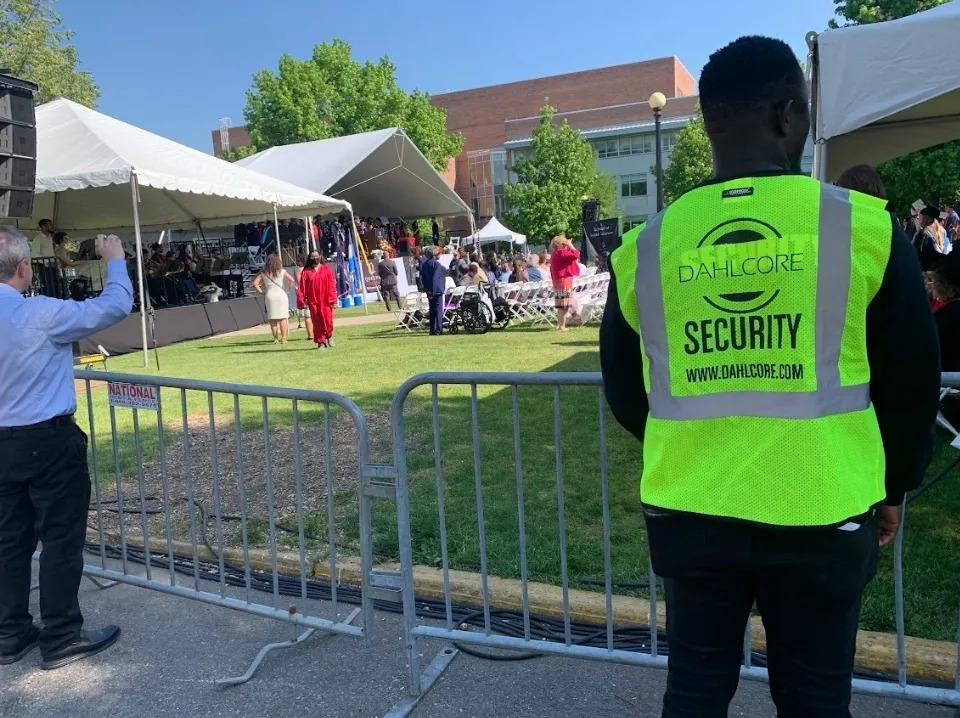
In the event of an emergency, a well-rehearsed evacuation plan is essential to swiftly and safely relocate individuals to designated assembly points. Clear communication channels and designated leaders can help coordinate the evacuation process, ensuring everyone is accounted for and guided to safety. Additionally, training in basic medical procedures and maintaining a calm and compassionate demeanor can significantly aid in providing timely and practical assistance to those in need during medical emergencies.
Physical Security Measures
Implementing advanced physical security measures like surveillance systems and access control is crucial for dispensaries as they serve as effective deterrents against potential threats while also providing a structured approach to handling security incidents. Staying abreast of the latest developments in security technology enables dispensaries to continuously enhance their defense mechanisms, ensuring the safety of both the premises and its occupants. By leveraging cutting-edge solutions, dispensaries can proactively mitigate risks and maintain a secure environment conducive to their operations.
Essential Security Training Topics
Physical Security Measures
- Access Control Systems: Implement systems to ensure that only authorized individuals can enter sensitive areas.
- Surveillance Techniques: Utilize CCTV systems and other surveillance methods to monitor the premises.
- Alarm Systems: Install alarm systems to detect unauthorized access or breaches.
Handling Emergencies
- Robbery Prevention and Response: Train staff on how to prevent robberies and how to respond if one occurs safely.
- De-escalation Techniques for Conflicts: Equip employees with techniques to de-escalate conflicts without resorting to violence.
- Emergency Evacuation Procedures: Ensure all staff know how to evacuate the premises safely in an emergency.
Compliance with Regulations
- Understanding Local Laws and Regulations: Ensure all employees are up-to-date with local cannabis laws.
- Proper Handling of Cannabis Products: Train staff on the correct handling, storage, and disposal of cannabis products.
- Compliance with Health and Safety Standards: Educate employees on health and safety regulations relevant to the dispensary.

Digital Security and Data Protection
In today’s interconnected digital landscape, cybersecurity threats such as malware, phishing attacks, and data breaches pose significant risks to businesses and individuals alike. Implementing robust security measures, including encryption protocols, multi-factor authentication, and regular software updates, is essential for safeguarding sensitive customer data and preventing unauthorized access. Furthermore, fostering a culture of cybersecurity awareness through employee training and proactive risk assessment can help mitigate potential threats and bolster overall digital resilience.
Developing a Comprehensive Security Training Program
Assessing Training Needs
To tailor the training program effectively, it’s essential to identify specific security risks and knowledge gaps among the staff. This could include vulnerabilities such as phishing attacks, weak password management, and a lack of awareness regarding social engineering tactics. By conducting thorough assessments and surveys, organizations can pinpoint areas where employees lack understanding or compliance with security protocols, enabling targeted training sessions to address these gaps and mitigate potential risks effectively.
Designing Tailored Training Modules
The specialized training modules for dispensaries focus on educating staff about regulatory compliance, security protocols, and customer service tailored to the cannabis industry. These modules cover topics such as state and local laws governing cannabis sales, proper handling and storage of products, and techniques for preventing theft and diversion. Additionally, they address customer interactions, including age verification, product recommendations, and handling sensitive inquiries with professionalism and discretion.
Implementing Training Sessions Effectively
The training sessions will be carefully structured to incorporate real-life scenarios relevant to the participants’ roles, ensuring the practical applicability of the content. Interactive elements such as group discussions, case studies, and role-playing exercises will be seamlessly integrated to foster engagement and active participation, allowing for hands-on learning experiences. Each session will be tailored to encourage collaborative problem-solving and critical thinking, maximizing the retention of key concepts and skills.
Evaluating the Effectiveness of Training Programs
Regular assessment of the training program’s effectiveness is crucial for identifying areas of improvement and ensuring that learning objectives are being met. Feedback from participants allows for insight into their understanding, satisfaction, and areas requiring further clarification. Quizzes and practical tests provide quantitative measures of knowledge retention and application, aiding in gauging the overall efficacy of the training program.
Employee Engagement and Communication
Promoting a Culture of Security Awareness
Creating a culture of security awareness at the dispensary involves fostering open communication channels where all employees understand their role in safeguarding the premises and its assets. Empowerment can be fostered through regular training sessions, where staff are educated about potential security risks and how to address them proactively. Encouraging a sense of ownership and accountability ensures that every team member actively contributes to maintaining a safe environment for both colleagues and customers alike.

Training Staff on Security Protocols and Procedures
To ensure the security of our environment, all employees must undergo comprehensive training sessions covering the latest security protocols. These sessions will equip them with the necessary knowledge and skills to identify potential threats and adhere to established security measures. By understanding their roles in maintaining a secure environment, employees contribute effectively to safeguarding sensitive information and mitigating security risks.
Establishing Clear Communication Channels during Emergencies
Establishing clear communication protocols and channels during emergencies is crucial for effective response and coordination. Utilizing a combination of digital platforms, such as emergency notification systems and mobile apps, alongside traditional methods like two-way radios and phone trees ensures redundancy and accessibility. Regular training and drills to familiarize stakeholders with these channels can enhance their efficiency and reliability when immediate action is required.
Legal and Compliance Aspects
Staying informed about state regulations is essential for dispensaries to maintain both legal compliance and operational integrity. Thorough understanding and adherence to these regulations not only help avoid fines but also ensure the security and legality of all aspects of the dispensary’s operations. Proper reporting and meticulous documentation serve as crucial safeguards, providing a clear record in the event of any incidents or audits, thereby demonstrating accountability and transparency.
Engaging with Law Enforcement and Emergency Services
Building solid relationships with local law enforcement and emergency services is crucial for enhancing community safety and security. These partnerships facilitate better communication, coordination, and collaboration during emergencies, ultimately leading to faster response times and more effective resolution of critical situations. Leveraging these relationships also enables proactive measures such as joint training exercises and information sharing, further enhancing overall preparedness and resilience.
Training and Drills: Practice Makes Perfect
Regular training and drills are essential for ingraining staff responses, ensuring they become instinctive reactions in critical situations. The frequency of these exercises ensures that skills are continuously reinforced and maintained over time. Moreover, realism in drills enhances preparedness by simulating authentic scenarios and better-equipping staff to handle real-life emergencies effectively.
Evaluating and Updating Security Measures
Regular evaluations and updates to security measures are crucial as they ensure that systems remain resilient against evolving threats. By consistently assessing vulnerabilities and gathering feedback, organizations can adapt their defenses to address emerging risks effectively. This iterative process strengthens the overall security posture, fostering a proactive approach to safeguarding assets and data against potential breaches.
FAQs
What should employees do in the event of a robbery at a dispensary?
Employees should remain calm, comply with the robber’s demands, and try to observe any distinguishing features to report to law enforcement after the incident.
How often should security training be updated in dispensaries?
Security training should be updated annually or whenever there are significant changes in security threats or procedures.
Can security training help identify internal theft?
Yes, practical security training can equip employees with the skills to identify and report suspicious activities, potentially reducing internal theft.
What are the critical components of an emergency response plan in dispensaries?
The key components include evacuation procedures, communication plans, roles and responsibilities, and location of emergency equipment.
How can dispensaries prepare for natural disasters?
Dispensaries can prepare by having an up-to-date disaster plan, securing merchandise, and training staff on emergency procedures.
Is cybersecurity a concern for dispensaries, and how can they protect themselves?
Yes, cybersecurity is a significant concern; dispensaries can protect themselves by using strong passwords, securing Wi-Fi networks, and training staff on cyber threats.
Conclusion: Building a Resilient Dispensary
In conclusion, building a resilient dispensary through comprehensive security training is not just about responding to incidents but about creating an environment where safety and preparedness are part of the culture.
Check other blogs:
Safety and Security: Key Protocols for Large-Scale Hotel Events
NFPA Fire Watch Requirements: Essential Compliance Guide
Safety Measures Every Security Guard Should Know
11 Proven Steps How to Become an Armed Security Guard in 2026
