


In today’s fast-paced world, the security of assets is paramount for any business or organization. The integration of surveillance systems and trained guards plays a crucial role in comprehensive loss prevention strategies. This article delves into the various facets of this topic, offering insights and practical advice for implementing effective security measures.
Understanding the Basics of Loss Prevention
Loss prevention is a critical aspect of modern business operations aimed at minimizing the loss of assets due to theft, fraud, or negligence. The integration of surveillance systems and professionally trained guards form the backbone of an effective loss-prevention strategy. This approach not only deters potential threats but also provides a mechanism to quickly respond to incidents, ensuring the safety and security of both assets and personnel.
The Evolution of Surveillance Technology
Surveillance technology has undergone a remarkable transformation over the years, evolving from basic analog systems to sophisticated digital solutions. This evolution has significantly impacted loss prevention strategies, offering more efficient and comprehensive ways to monitor and protect assets.
Analog to Digital
The shift from analog to digital surveillance has been a game-changer. Digital systems offer higher resolution, better storage capabilities, and easier access to footage, making them far more effective than their analog predecessors. This transition has allowed businesses to monitor their premises more effectively, capturing clear images that can be crucial in identifying and prosecuting offenders.
Impact on Loss Prevention
The advanced capabilities of modern surveillance technology have made it an indispensable tool in loss prevention. High-definition cameras, networked systems, and remote access capabilities enable businesses to keep a vigilant eye on their assets, even from afar. This technological advancement has not only improved the quality of surveillance but also expanded its scope, allowing for more comprehensive coverage of business premises.
The Human Element: Role of Security Guards
While technology plays a vital role in surveillance, the human element embodied by security guards remains irreplaceable. Security guards bring a level of human intuition and flexibility that technology alone cannot offer, making them a crucial component of any comprehensive loss prevention strategy.
Importance of Trained Personnel
Well-trained security guards are adept at identifying potential threats, responding to emergencies, and providing a sense of security to employees and customers. Their presence can deter criminal activities, and their quick response can prevent minor incidents from escalating into major crises.
Balancing Technology and Human Surveillance
The most effective loss prevention strategies combine the strengths of technology and human surveillance. While surveillance technology can monitor continuously, security guards can analyze situations in real time, make informed decisions, and take immediate action. This synergy enhances the overall security posture of a business, ensuring a well-rounded approach to loss prevention.
Types of Surveillance Systems
Surveillance systems come in various forms, each with its own set of advantages and limitations. Understanding these can help businesses choose the right mix of surveillance tools for their specific needs.
CCTV and Video Surveillance
Closed-circuit television (CCTV) and video surveillance systems are the most common forms of electronic surveillance. These systems are effective for monitoring large areas, providing real-time footage, and recording activities for future reference. They are instrumental in deterring theft and vandalism and are essential in post-incident investigations.
Advanced Systems
More sophisticated surveillance systems include facial recognition technology and motion sensors. These technologies offer enhanced capabilities, such as tracking individuals across different areas and detecting unusual activities. They are instrumental in high-security regions where more than standard surveillance may be needed.
Implementing an Effective Surveillance Strategy
Developing a comprehensive surveillance strategy is crucial for maximizing the effectiveness of loss prevention efforts. This involves not just the installation of technology but also the integration of various security elements to create a cohesive system.
Steps to Develop a Comprehensive Plan
The first step in implementing an effective surveillance strategy is to assess the specific needs and vulnerabilities of the business. This includes identifying high-risk areas, determining the appropriate type of surveillance technology needed, and integrating human surveillance elements. A well-planned strategy should cover all potential points of loss, from external theft to internal fraud.
Integrating Surveillance with Other Security Measures
Effective surveillance is not just about installing cameras or hiring guards. It should be part of a broader security strategy that includes employee training, access control systems, and emergency response protocols. Integrating these elements ensures a multi-layered defense against potential losses, enhancing the overall security of the business.
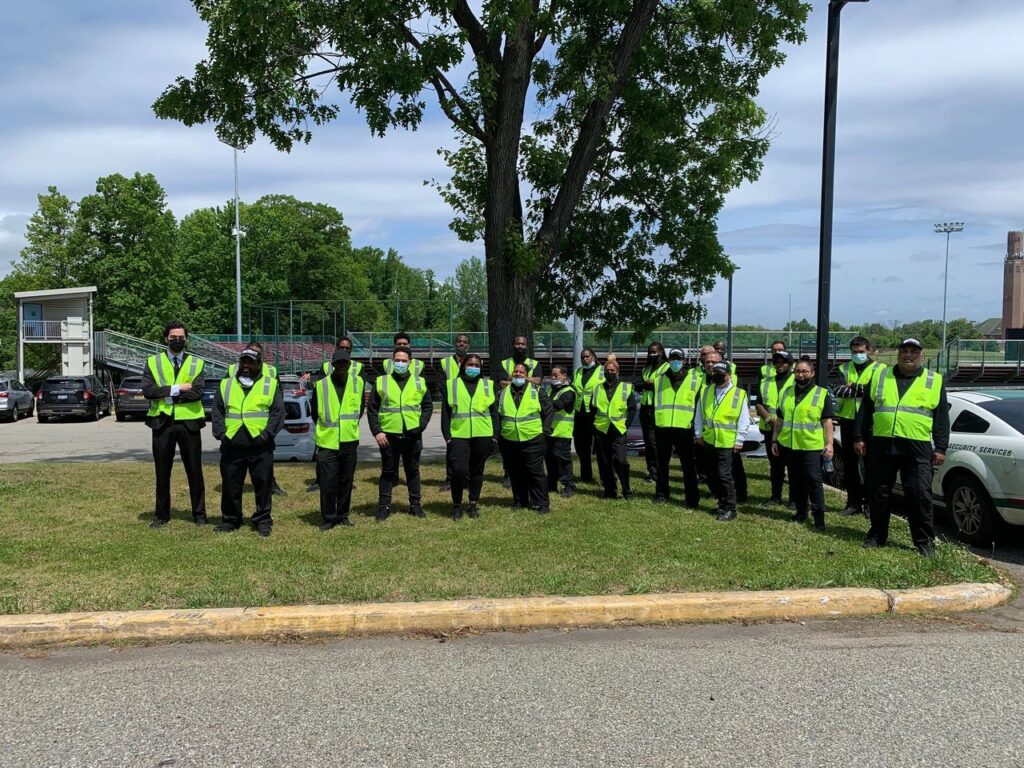
Training and Management of Security Guards
The effectiveness of security guards largely depends on their training and management. Well-trained guards are an invaluable asset in loss prevention, capable of handling a wide range of security challenges.
Essential Skills for Security Personnel
Security guards should possess a mix of physical abilities, observational skills, and communication capabilities. They must be trained in conflict resolution, emergency response, and the operation of surveillance technology. Continuous training and skill updates are crucial to keep them adept in handling evolving security challenges.
Best Practices in Security Staff Management
Effective management of security staff involves regular performance evaluations, providing clear guidelines and protocols, and fostering a culture of continuous improvement. This not only ensures the guards are performing optimally but also motivates them to remain vigilant and proactive in their duties.
Legal and Ethical Considerations
Implementing surveillance and security measures must be done within the framework of legal and ethical considerations. Respecting privacy laws and maintaining ethical standards is crucial for the legitimacy and effectiveness of loss prevention strategies.
Privacy Laws and Surveillance
Businesses must navigate the complex landscape of privacy laws when implementing surveillance systems. This involves ensuring compliance with regulations regarding data storage, public notification of surveillance, and the protection of individual privacy rights.
Ethical Boundaries in Monitoring and Security
Beyond legal compliance, businesses should also consider ethical implications. This includes respecting the dignity and rights of employees and customers, avoiding invasive monitoring practices, and ensuring that surveillance is used solely for security and loss prevention purposes.
Surveillance in Different Industries
The application of surveillance and security measures varies significantly across different industries, each with its unique set of challenges and requirements.
Retail Loss Prevention Strategies
In retail, surveillance is primarily focused on preventing shoplifting and internal theft. This often involves a combination of CCTV, electronic article surveillance (EAS) systems, and visible security personnel.
Surveillance in Corporate and Industrial Settings
In corporate and industrial environments, surveillance strategies may focus more on protecting intellectual property, securing assets, and ensuring the safety of personnel. This often requires a more sophisticated blend of surveillance technology and physical security measures.
Cost-Benefit Analysis of Security Measures
Incorporating surveillance and guards into a business’s loss prevention strategy involves a significant investment. Conducting a cost-benefit analysis is essential to ensure that the investment is justified by the value it brings in safeguarding assets.
Evaluating the ROI of Surveillance and Guards
The return on investment (ROI) for surveillance and security personnel can be measured in terms of reduced losses, deterred criminal activity, and the overall safety and confidence it brings to employees and customers. It’s essential to compare the costs of implementing and maintaining these measures against the potential losses they prevent.
Balancing Budget and Security Need
Businesses must strike a balance between their security needs and budget constraints. This involves choosing the right mix of technology and personnel, prioritizing areas of highest risk, and leveraging cost-effective solutions without compromising on essential security aspects.
Advanced Surveillance Technologies
The field of surveillance technology is rapidly evolving, with new advancements offering enhanced capabilities for loss prevention.
AI and Machine Learning in Surveillance
Artificial Intelligence (AI) and machine learning are revolutionizing surveillance. These technologies enable more innovative monitoring, with systems capable of identifying unusual patterns of behavior, recognizing faces, and even predicting potential security breaches before they occur.
Future Trends in Security Technology
The future of surveillance includes the integration of Internet of Things (IoT) devices, increased use of biometric security measures, and the development of more autonomous surveillance systems. Staying abreast of these trends is crucial for businesses looking to maintain cutting-edge security measures.
Building a Culture of Security Awareness
An often overlooked but vital aspect of loss prevention is fostering a culture of security awareness among employees.
Importance of Employee Training and Awareness
Employees play a crucial role in the success of any loss prevention strategy. Regular training on security protocols, awareness of potential threats, and encouraging a proactive approach to security can significantly enhance the effectiveness of surveillance and guards.
Fostering a Proactive Security Mindset
Creating an environment where security is everyone’s responsibility leads to a more vigilant and responsive workforce. Encouraging employees to report suspicious activities and involving them in security discussions can lead to a more secure and protected workplace.

Challenges and Solutions in Loss Prevention
Despite the best efforts, businesses often need help in implementing effective loss prevention strategies.
Common Security Challenges
These challenges can range from technological limitations and budget constraints to resistance from staff or customers. Each challenge requires a tailored approach to ensure that security measures are effective and sustainable.
Innovative Solutions to Complex Security Problems
Addressing these challenges often requires creative and innovative solutions. This might involve leveraging new technologies, rethinking security protocols, or engaging in partnerships with security experts to develop more effective strategies.
FAQs on Surveillance and Security Guards
How effective are surveillance cameras in deterring theft and vandalism?
Surveillance cameras are highly effective as deterrents; their visible presence often discourages potential offenders and helps in quick incident resolution by providing clear evidence.
What are the essential skills required for a security guard?
Security guards need a combination of observational skills, quick decision-making abilities, and proficiency in handling emergencies, along with good communication and interpersonal skills.
Can advanced surveillance technology replace the need for security guards?
While advanced technology enhances surveillance capabilities, it can only partially replace the human element that guards provide, especially in terms of real-time response and decision-making.
How do privacy laws affect the implementation of surveillance systems?
Privacy laws require businesses to implement surveillance systems responsibly, ensuring data protection, public notification where necessary, and respecting the privacy rights of individuals.
What’s the role of employees in a company’s loss prevention strategy?
Employees play a crucial role by staying vigilant, adhering to security protocols, and reporting suspicious activities, thereby enhancing the overall effectiveness of the loss prevention strategy.
How can small businesses balance security needs with budget constraints?
Small businesses can balance their security needs with budget constraints by prioritizing high-risk areas, opting for cost-effective technology, and leveraging well-trained but fewer security personnel.
Conclusion
The role of surveillance and guards in comprehensive loss prevention strategies is integral to the security and sustainability of any business. By understanding the nuances of various surveillance methods, the importance of trained guards, and the need for legal and ethical compliance, companies can develop robust loss prevention strategies that safeguard their assets while maintaining a positive and secure environment for employees and customers.
Explore our other blog posts here
Strategy for Protecting Against Piracy: Empowering Maritime Guard
How Armed Security Guards in NJ Can Help Your Business
Innovative Approach to Elevating Cruise Ship Safety and Security
