


In the burgeoning world of medical and recreational dispensaries, security stands as a cornerstone for successful operation. It’s not just about locks and alarms; it’s about creating an environment that respects patient privacy in medical settings and ensures a safe, enjoyable experience in recreational outlets. The differences between these two types of dispensaries are critical, shaping the way security strategies are implemented.
Understanding the Security Needs of Medical Dispensaries
Medical dispensaries play a critical role in the healthcare landscape by providing patients with access to medical cannabis products. Much like traditional medical settings, they prioritize patient privacy and confidentiality, safeguarding sensitive health information. To operate effectively, dispensaries must adhere to a complex web of regulations and compliance standards, ensuring the safety of both patients and the integrity of their data. This delicate balance between providing healthcare services, complying with legal requirements, and safeguarding patient information underscores the unique and multifaceted role that medical dispensaries play in modern healthcare.
Security Dynamics in Recreational Dispensaries
Recreational dispensaries offering legal cannabis products have unique security challenges due to the nature of their merchandise and clientele. The primary security concerns include the prevention of theft, ensuring customer and employee safety, and compliance with state regulations. Key aspects of security in these establishments include:
- Access Control: Implementing strict access control systems is vital. This includes ID checks to verify age and eligibility, along with controlling the flow of customers inside the dispensary to avoid overcrowding.
- Surveillance: High-quality surveillance systems, including CCTV cameras, are essential for monitoring both internal and external areas of the dispensary. This helps in deterring theft and provides evidence in case of any security breaches.
- On-Site Security Personnel: Employing trained security personnel helps manage on-site incidents, enforce dispensary policies, and provide a sense of safety for both customers and staff.
- Secure Storage: Secure storage for cannabis products and cash is crucial. Safes or vaults should be used to protect valuable items, especially after business hours.
- Emergency Procedures: Clearly defined emergency procedures, including protocols for robbery or medical emergencies, are essential. Regular staff training on these procedures ensures preparedness for any situation.

Risk Assessment for Both Types of Dispensaries
Both recreational and medicinal dispensaries face risks, albeit with some differences in their operational contexts. A comprehensive risk assessment for these dispensaries includes:
- Theft and Burglary: Assessing the likelihood of theft, both internal (by employees) and external (by customers or burglars). This includes evaluating the dispensary’s location and its impact on crime rates.
- Product Diversion: The risk of cannabis products being diverted from their legal paths, either through internal misconduct or external theft.
- Regulatory Compliance: Assessing the risk of non-compliance with state and federal laws, which could lead to fines, revocation of licenses, or legal prosecution.
- Data Security involves considering the risk to customer and business data, especially for dispensaries that maintain medical records or other sensitive information.
- Physical Safety: Evaluating risks to the physical safety of staff and customers, including assessing the need for emergency medical protocols or procedures in case of altercations.
Technological Solutions for Enhanced Security
Incorporating technology in dispensary security strategies is increasingly important. Some of the technological solutions include:
- Advanced Surveillance Systems: High-definition cameras with facial recognition capabilities, motion sensors, and 24/7 monitoring services.
- Access Control Systems: Biometric systems, such as fingerprint or retina scans, to ensure that only authorized personnel access certain areas.
- Intrusion Detection Systems: Alarms and sensors on doors and windows to detect unauthorized entry.
- Cybersecurity Measures: Implementing robust cybersecurity protocols to protect customer data and financial information. This includes firewalls, secure Wi-Fi networks, and encrypted data storage.
- Inventory Tracking Systems: RFID tags and inventory management software to track product movement, reducing the risk of internal theft and ensuring regulatory compliance.
Human Resource Strategies in Dispensary Security
The human element is crucial in dispensary security. Effective strategies include:
- Staff Training: Regular training programs on security protocols, emergency response, and regulatory compliance. This ensures that staff are prepared to handle various situations.
- Background Checks: Conduct thorough background checks during the hiring process to ensure that employees do not have a history of criminal activities that could compromise the dispensary’s security.
- Employee Monitoring: Implementing policies to monitor employee actions, especially those handling cash or valuable products, to prevent internal theft.
- Incentive Programs: Create incentive programs for employees to adhere to security protocols and report any suspicious activities.
- Collaboration with Law Enforcement: Establishing a good relationship with local law enforcement agencies will improve our response to security incidents and keep us informed about local crime trends.
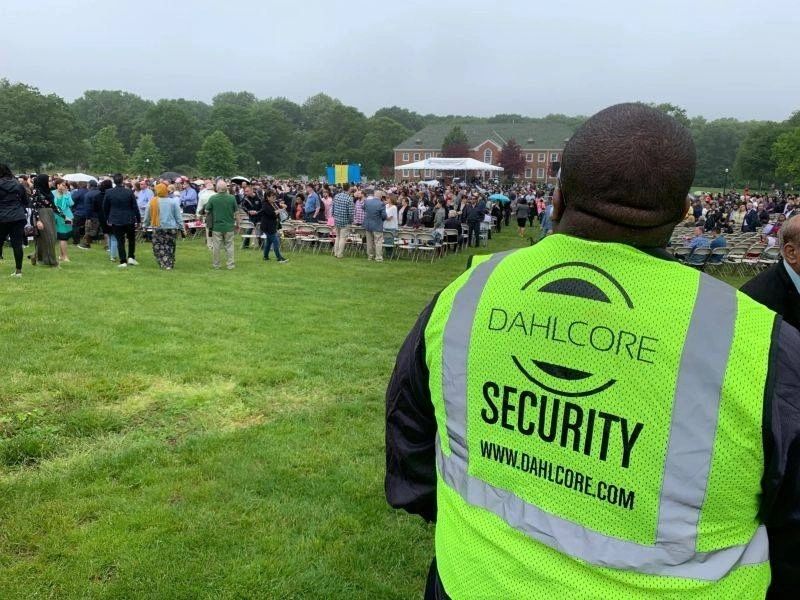
Adapting Security Strategies for Both Dispensary Types
Adapting security strategies in the context of different dispensary types is a nuanced art that involves tailoring security measures to suit the specific requirements and vulnerabilities of each establishment. By amalgamating the best practices from various sectors, such as retail and healthcare, dispensaries can develop a more comprehensive and cohesive security approach. This integration enables them to address not only the typical security concerns related to theft and vandalism but also the unique challenges associated with the controlled substances they handle, ensuring a more effective and well-rounded security framework.
Physical Security Measures
Physical security measures are crucial for dispensaries, serving as the fundamental safeguard for their products and premises. To begin with, secure product storage is imperative to protect valuable inventory, including medical and recreational cannabis products. Additionally, reinforced building security, such as robust access control systems, surveillance cameras, and alarm systems, further fortifies the overall safety of the facility, assuring both customers and regulators that security is a top priority in the cannabis industry.
Cybersecurity Concerns for Dispensaries
In today’s digital landscape, where data breaches have become a frequent occurrence, safeguarding sensitive customer and patient information is of paramount importance. Cybersecurity measures must be both robust and adaptive as the threat landscape constantly evolves. Organizations must prioritize regular updates and enhancements to their security protocols, including employing advanced technologies like encryption, multi-factor authentication, and intrusion detection systems, while also educating employees and users about best practices to mitigate potential cyber threats and ensure the safety and confidentiality of sensitive data.
Emergency Response and Crisis Management
Effective emergency response and crisis management are critical for ensuring safety and minimizing damage during unforeseen events. An optimal approach involves several vital strategies:
- Preparedness: Establishing emergency protocols and training staff is essential. Regular drills and simulations should be conducted to ensure readiness.
- Communication: Clear and timely communication channels must be established, both internally within the organization and externally with emergency services and stakeholders. This includes utilizing social media, emergency alert systems, and traditional media outlets.
- Resource Management: It is vital to identify and allocate resources, such as first aid supplies, emergency shelters, and evacuation routes. It is also crucial to maintain an inventory of these resources and ensure they are easily accessible during a crisis.
- Risk Assessment: Regular risk assessments help in identifying potential hazards and vulnerabilities. These assessments should inform the development of crisis management plans.
- Response Coordination: During a crisis, a central command center should coordinate the response efforts. This center is responsible for making critical decisions, directing response teams, and disseminating information.
- Post-Crisis Evaluation: After an emergency, conducting a thorough review of the response and management process is necessary. This evaluation helps identify areas for improvement and prepare for future incidents.

Community Relations and Security
Fostering positive community relations is integral to adequate security. The following strategies are essential:
- Community Engagement: Actively engaging with the community through meetings, forums, and social events helps in building trust and understanding. It also provides valuable insights into community concerns and expectations.
- Transparency: Being transparent about security policies and procedures reassures the community and builds trust. This includes openly discussing security measures, objectives, and challenges.
- Collaboration: Working with local law enforcement, neighborhood groups, and other stakeholders enhances security effectiveness. Collaborative efforts can include joint patrols, information sharing, and coordinated response plans.
- Cultural Sensitivity: It is crucial to understand and respect the community’s cultural dynamics. This involves training security personnel in cultural competence and adapting security measures to be culturally sensitive.
- Community Feedback: Regularly soliciting and responding to community feedback about security practices helps in aligning security measures with community needs and perceptions.
- Social Responsibility: Participating in and supporting community initiatives demonstrates a commitment to the community’s well-being. This can include sponsoring local events, volunteering, and engaging in social welfare projects.
Cost Management in Security Implementation
Effective cost management in security implementation involves balancing financial constraints with the need for adequate protection. Key strategies include:
- Budget Planning: Developing a comprehensive budget that covers all aspects of security, including personnel, technology, and training, is critical. This should also account for unexpected expenses.
- Cost-Benefit Analysis: Regularly conducting cost-benefit analyses of security measures ensures that investments are justifiable and effective. This involves assessing the value of security initiatives relative to their cost.
- Technological Integration: Utilizing technology, such as surveillance systems and access control, can enhance security while potentially reducing long-term costs. However, the initial investment and maintenance costs should be carefully evaluated.
- Outsourcing: Outsourcing certain security functions to specialized agencies can be cost-effective. This approach allows for expertise and efficiency in specific areas without the overhead of maintaining a full-time in-house team.
- Training and Development: Investing in staff training enhances the effectiveness of security personnel, potentially reducing the need for additional staff. Regular training also minimizes risks, which can be costly in terms of liability and damage.
- Regular Review and Adjustment: Continually reviewing and adjusting security measures in response to changing circumstances helps in avoiding unnecessary expenses. This includes scaling back measures that are no longer necessary or investing in areas that require more attention.
Legal and Ethical Considerations in Security
Dispensaries operating in the legal cannabis industry face a multifaceted challenge in maintaining both legal compliance and ethical security practices. Firstly, they must constantly monitor and adapt to the ever-evolving legal landscape surrounding cannabis, which can vary significantly from one jurisdiction to another.
Secondly, dispensaries must strike a delicate balance between ensuring robust security measures to protect their assets and customers while respecting individual rights and privacy. This entails implementing safeguards like surveillance systems and access control in a way that respects customer confidentiality and privacy laws, thus demonstrating a commitment to both compliance and ethical responsibility in their operations.

Future Trends in Dispensary Security
As the dispensary industry continues to evolve, businesses must anticipate and prepare for emerging security challenges proactively. With advancements in technology, such as the increasing use of online ordering and delivery services, dispensaries must adapt their security protocols to safeguard sensitive customer data and prevent cyber threats.
Moreover, as the legal landscape for cannabis evolves, dispensaries may face new regulatory requirements and compliance issues, necessitating a robust security infrastructure to ensure adherence to changing laws. To stay ahead of potential risks, dispensaries should invest in ongoing security training and the adoption of cutting-edge security technologies to ensure the safety of both their products and customers.
FAQs
What are the main differences in security needs between medical and recreational dispensaries?
Medical dispensaries prioritize patient privacy and adherence to healthcare regulations, while recreational dispensaries focus more on customer experience and compliance with recreational laws.
How can technology enhance security in dispensaries?
Advanced technologies like surveillance systems and access control provide enhanced monitoring and security management, which is crucial for protecting against theft and unauthorized access.
What role do staff play in maintaining dispensary security?
Staff are integral to dispensary security, providing vigilant oversight and ensuring adherence to security protocols, with specialized training essential for managing potential threats and maintaining safety.
How important is community relations in dispensary security?
Strong community relations foster trust and support, which can significantly enhance the overall security and reputation of a dispensary in its local area.
What are some cost-effective security solutions for dispensaries?
Implementing scalable tech solutions, training staff effectively, and utilizing community-oriented security measures are cost-effective ways to maintain robust security in dispensaries.
How can dispensaries stay ahead of future security challenges?
By staying informed about technological advancements, evolving legal landscapes, and adapting to emerging security trends, dispensaries can proactively manage future security challenges.
Conclusion: Achieving Balance in Dispensary Security
In conclusion, adapting security strategies for medical and recreational dispensaries is about finding the right balance. It involves a blend of technology, human resources, community relations, and an understanding of the unique challenges faced by each type of dispensary. As the industry grows, so will the need for innovative, effective, and comprehensive security solutions.
Check other blogs
Loss Prevention: Strategies & Examples
Safety and Security: Key Protocols for Large-Scale Hotel Events
