

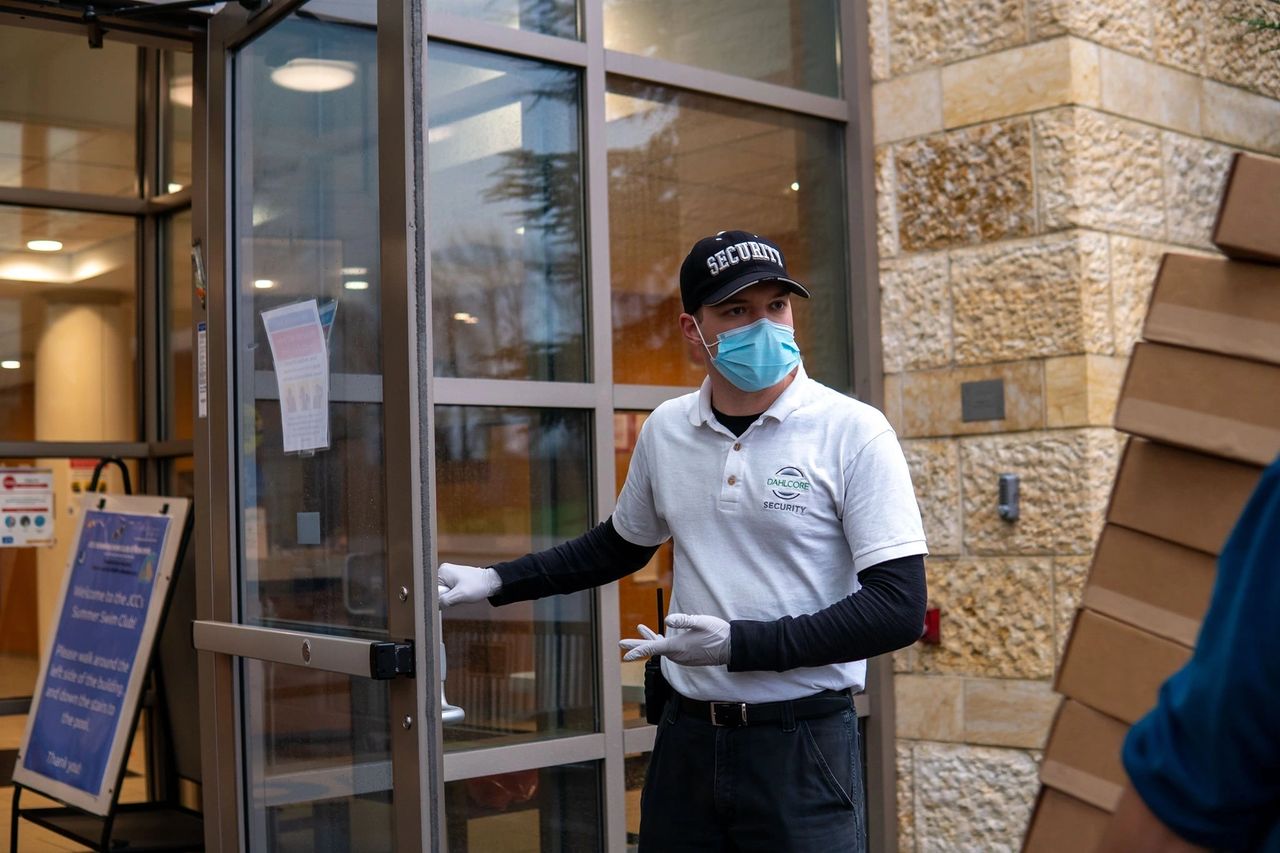
Understanding the Importance of Security in Hospitals
In today’s world, the significance of robust security measures in healthcare settings cannot be overstated. Hospitals, being centers of healing and care, are also home to sensitive areas where privacy, confidentiality, and safety are of utmost importance. This article delves into the myriad of security protocols designed to protect these vital spaces.
Brief Overview of the Article Content
We will explore various aspects of hospital security, from advanced surveillance technologies and access control systems to data security and emergency response planning. Our journey will uncover how these protocols are pivotal in safeguarding not just the physical premises but also the invaluable data and privacy of patients and staff.
Security Protocols for Protecting Sensitive Hospital Areas
Defining Sensitive Hospital Areas
Sensitive areas in a hospital encompass spaces like patient records rooms, pharmacies, psychiatric wards, and intensive care units. These areas require heightened security due to their vulnerability and the critical nature of their functions.
Overview of Essential Security Protocols
The security of these areas is maintained through a combination of physical, digital, and human-centric measures. This includes controlled access, surveillance, and rigorous data protection protocols, ensuring a holistic security approach.
Risk Assessment in Hospital Security
Identifying Potential Threats
The initial step in strengthening hospital security is conducting a comprehensive risk assessment to pinpoint potential vulnerabilities and threats. This entails identifying areas where unauthorized access could occur, evaluating the potential for data breaches, and recognizing internal threats that may arise from employees or contractors with malicious intent or negligence, all of which are crucial in devising effective security strategies to safeguard sensitive patient information and ensure the safety of both patients and staff.
Evaluating Vulnerabilities in Sensitive Areas
A comprehensive assessment is essential as it allows organizations to identify vulnerabilities and gaps in their current security infrastructure. By meticulously analyzing the existing systems, companies can develop customized and adequate security measures that address specific weaknesses, ultimately enhancing their overall security posture and minimizing potential risks.
Advanced Surveillance Technologies
Integration of CCTV and Monitoring Systems
Modern hospitals have incorporated cutting-edge CCTV (Closed-Circuit Television) and monitoring systems that offer comprehensive real-time surveillance capabilities. These systems not only bolster security measures by continuously monitoring access points and critical areas but also enable healthcare professionals to remotely observe patient conditions, ensuring timely interventions and enhancing overall patient care and safety.
The Role of AI and Machine Learning in Security
Artificial Intelligence (AI) and machine learning are playing a pivotal role in the realm of security by enabling the automated analysis of surveillance data. These technologies can quickly process vast amounts of video footage, identifying unusual patterns, behaviors, or anomalies that human operators might miss, thus enhancing the early detection of potential security breaches and threats. Additionally, AI-driven predictive models can forecast potential security risks based on historical data, allowing security professionals to address vulnerabilities and better protect critical assets and infrastructure proactively.
Access Control Systems
Implementing Biometric and Card-based Access
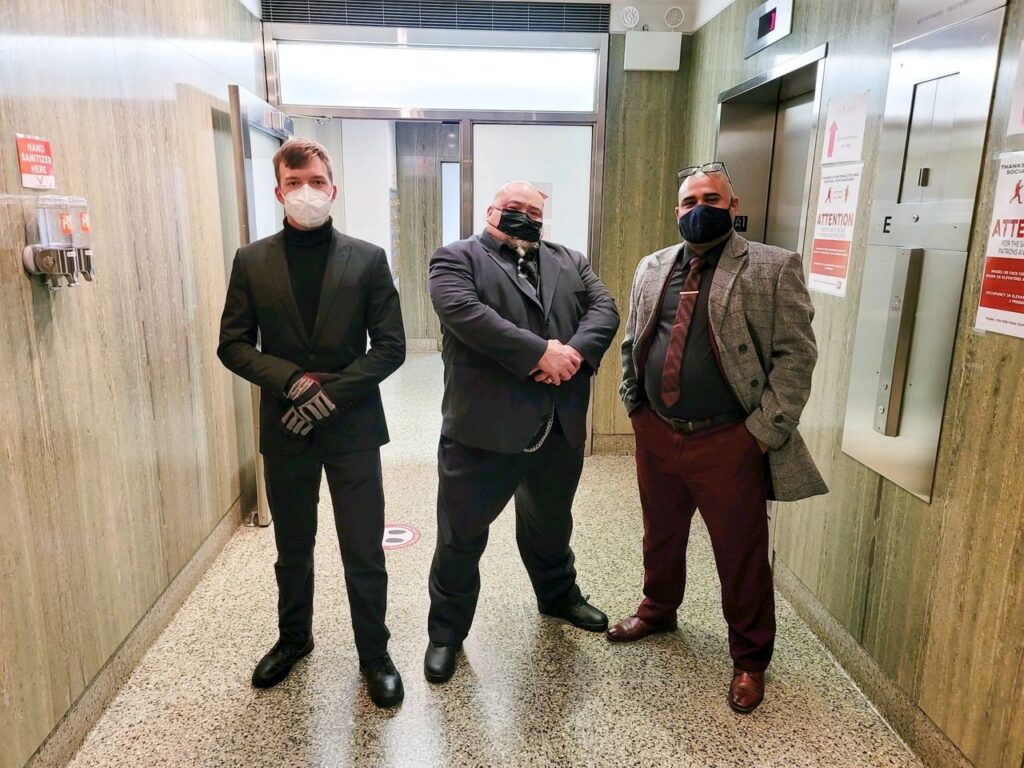
Access to sensitive areas is commonly managed through a combination of biometric and card-based security systems, employing advanced technology to enhance security measures. Biometrics, such as fingerprint or iris scans, provide a highly accurate and unique means of verifying a person’s identity. At the same time, card-based systems offer an additional layer of access control by requiring authorized individuals to present a valid access card for entry, collectively ensuring that only authorized personnel can gain access to restricted areas.
Managing Visitor and Staff Access Efficiently
Effective access control not only encompasses the implementation of secure entry systems and authentication measures but also involves meticulously managing the movement of both visitors and staff within a facility. This includes maintaining a record of individuals entering and exiting specific areas, verifying their authorization, and promptly addressing any unauthorized access, ultimately enhancing security and accountability within the premises.
Data Security and Patient Privacy
Safeguarding Electronic Health Records
In the digital age, safeguarding electronic health records (EHRs) is of utmost importance, as they contain sensitive patient information. Hospitals employ a multifaceted approach to cybersecurity, including robust encryption protocols, access controls, regular system updates, and employee training to prevent unauthorized access and protect EHRs from potential cyber threats and data breaches.
Compliance with HIPAA and Other Regulations
Compliance with regulations such as the Health Insurance Portability and Accountability Act (HIPAA) is of paramount importance in the healthcare industry as it ensures the safeguarding of patient privacy and the security of sensitive medical data. Adhering to HIPAA guidelines not only helps healthcare organizations avoid legal and financial penalties but also fosters trust among patients, assuring them that their personal health information is being handled with the utmost care and confidentiality.
Emergency Response Planning
Developing and Testing Emergency Protocols
Hospitals are required to develop comprehensive emergency response plans to effectively address a wide range of critical situations, such as natural disasters like hurricanes, earthquakes, and floods, as well as security breaches such as active shooter incidents or cyberattacks. These plans ensure that healthcare facilities can swiftly mobilize resources, coordinate staff, and provide necessary medical care to protect patients, staff, and the community during emergencies, ultimately safeguarding public health and safety.
Coordination with Local Law Enforcement
Collaboration with local law enforcement and emergency services is essential for ensuring a coordinated and effective response to security incidents. By working together, these agencies can pool their resources, expertise, and information, which not only enhances the overall response capability but also helps in the rapid identification, containment, and resolution of security threats, ultimately safeguarding the community and its assets.
Physical Security Measures
Reinforcing Security with Architectural Design
The design and layout of a hospital can significantly influence its security by strategically placing entry and exit points to control the access and flow of individuals. Additionally, the implementation of secure barriers, such as controlled access points, surveillance systems, and well-defined visitor policies, are essential elements in enhancing the overall security of the healthcare facility and ensuring the safety of patients, staff, and visitors.
Utilizing Security Personnel and Patrols
Trained security personnel and regular patrols play a crucial role in enhancing security by deterring potential threats and intruders through their visible presence and vigilance. Additionally, their presence ensures a rapid response to any security incidents that may occur, minimizing the potential damage or harm and helping maintain a safe and secure environment.
Cybersecurity in the Healthcare Sector
Protecting Against Cyber Threats and Data Breaches
In today’s rapidly evolving digital landscape, hospitals face an increasing risk of data breaches and cyberattacks due to the valuable patient information they store and the interconnected nature of healthcare systems. To safeguard patient privacy and the integrity of medical data, hospitals must implement advanced cybersecurity measures such as robust firewalls, intrusion detection systems, regular security audits, and employee training to stay one step ahead of ever-evolving cyber threats.
Implementing Robust Network Security Measures
Robust network security is essential for hospitals to protect sensitive patient data and ensure the integrity of their healthcare systems. Firewalls help prevent unauthorized access to the network, intrusion detection systems identify and respond to potential threats, and regular security audits help identify vulnerabilities that could be exploited by malicious actors, collectively creating a layered defense strategy to safeguard hospital networks from external threats and maintain patient privacy and safety.
Involving Patients and Visitors in Security
Encouraging Vigilance and Reporting of Suspicious Activities
Educating patients and visitors about the importance of security is crucial as it empowers them to contribute actively to a safer environment. By raising awareness about potential risks and emphasizing the role of vigilant reporting, healthcare facilities can create a culture of collective responsibility, enhancing overall security by fostering a community that actively participates in identifying and addressing security threats.
Balancing Openness and Security
Balancing stringent security protocols with maintaining a welcoming and accessible hospital environment is crucial for creating a safe yet inviting atmosphere for patients and visitors. Implementing discreet security measures such as ID checks and surveillance while also providing clear signage, friendly staff, and comfortable waiting areas can help strike this delicate balance, ensuring that individuals feel both secure and cared for during their time at the hospital.
Future Trends in Hospital Security
Anticipating Changes and Innovations
The field of hospital security is in a constant state of evolution as new technologies and strategies emerge to address the ever-changing threats and challenges faced by healthcare facilities. From advanced access control systems and surveillance technologies to cybersecurity measures and staff training programs, hospitals are continuously adapting to ensure the safety and security of their patients, staff, and sensitive medical data.
Preparing for Future Challenges
Hospitals must proactively adjust their security protocols to effectively address emerging challenges, such as cybersecurity threats and evolving healthcare needs. Embracing these changes is essential to maintain the safety of patient data, medical devices, and overall healthcare infrastructure in the face of continuously evolving threats and technological advancements.
FAQs
How do hospitals ensure the privacy and security of patient data?
Hospitals use a combination of cybersecurity measures like encryption, secure networks, and strict access controls to protect patient data. Compliance with legal frameworks like HIPAA further ensures that patient privacy is maintained at all times.
What role does technology play in hospital security?
Technology, including advanced surveillance systems, access control, and cybersecurity tools, plays a crucial role in monitoring, preventing, and responding to security threats in hospitals.
How can patients and visitors contribute to hospital security?
Patients and visitors can enhance hospital security by remaining vigilant, reporting any suspicious activities, and adhering to the hospital’s security protocols and guidelines.
What are the challenges in maintaining security in large hospital complexes?
Large hospital complexes face challenges such as managing access across multiple buildings, monitoring extensive premises, and ensuring consistent security practices among a large number of staff and visitors.
How frequently should security protocols in hospitals be reviewed and updated?
Security protocols in hospitals should be reviewed and updated regularly, at least annually, or whenever there are significant changes in the threat landscape or hospital operations.
What is the impact of staff training on hospital security?
Effective staff training significantly impacts hospital security by ensuring that all personnel are aware of security protocols, can identify potential threats, and know how to respond appropriately in various situations.
Conclusion
Emphasizing the Importance of Ongoing Security Efforts
The ongoing effort to maintain and enhance security in hospitals is a critical aspect of healthcare management. By staying vigilant, continuously updating security measures, and involving all stakeholders, hospitals can ensure a safe and secure environment for everyone.
Check other blogs
Best Commercial Building Security Systems: Trends for 2023
Security Guard Services & VIP Protection: Ensuring Clients Safety
The Ultimate Guide to Writing a Termination Letter to an Employee
