


Updated Date: December 2, 2025
In many U.S. states, a felon can become a security guard, but it depends on the type of felony, how much time has passed, and your state’s private security licensing rules. This guide focuses on U.S. state‑level private security guard licensing (not police, corrections, or federal law‑enforcement roles), and every state sets its own standards for background checks, disqualifying offenses, and “guard card” or security guard license approval.
Short answer: It depends on your record and state
For most people asking “can a felon be a security guard,” the real answer is: sometimes yes, but never guaranteed. Many states allow applicants with older, non‑violent felonies to get a security guard license or guard card if they pass a background check, complete training, and show rehabilitation, while recent or violent convictions are much more likely to be disqualifying.
Licensing decisions usually consider four big factors:
- State licensing authority and background checks – Every state uses fingerprint‑based checks and criminal record reviews before issuing a security guard license or guard card.
- Type of felony – Violent, weapons, sex‑offense, and major theft/fraud felonies are treated most strictly for both unarmed and armed security roles.
- Time since conviction and completion of sentence – Older convictions with a clean recent history are viewed more favorably than recent cases or repeated offenses.
- Evidence of rehabilitation – Steady work history, training, clean probation/parole record, and strong references can all help show you are low‑risk and serious about security work.
Definition of a Felon
A felon is an individual who has been convicted of a felony, a category of crime deemed more severe than a misdemeanor. In legal terms, felonies typically include offenses such as murder, arson, rape, burglary, and certain forms of fraud. The classification of a felony can vary depending on the jurisdiction. Still, it generally involves crimes that are punishable by imprisonment for more than one year or by death in some instances. Felonies are often distinguished from misdemeanors based on the severity of the punishment, the nature of the crime, and the societal impact of the offense. A felony conviction carries significant legal and social consequences, including the potential loss of voting rights, exclusion from certain professions, and a lasting impact on the individual’s public record and reputation.
Does a Felony Automatically Disqualify You From Security Work?
No, a felony does not automatically disqualify you from all private security jobs in every state, but it makes the process stricter and more case‑by‑case. Some licensing boards have absolute bans for certain violent or weapons‑related felonies, while others allow waivers or review boards to consider rehabilitation, time elapsed, and the specific facts of the case.
This article focuses on private security guard licensing in the United States, including unarmed and armed roles with private security companies, contract guard firms, and event security providers—not sworn law‑enforcement, corrections, or federal positions that follow much tighter rules.

What Felonies Usually Disqualify You?
Licensing boards and private security companies care most about felonies that directly relate to violence, weapons, dishonesty, or vulnerable people. While rules vary by state, the following types of felonies are most likely to block a security guard license or guard card:
- Violent crimes (assault, robbery, aggravated battery, homicide)
- Weapons crimes (illegal firearm possession/use, armed robbery)
- Sex offenses (especially those requiring sex‑offender registration)
- Serious theft, burglary, robbery, or major fraud schemes
- Crimes against vulnerable populations (elder abuse, child abuse)
Many states also look at patterns of crime—multiple felonies or repeated similar offenses may be treated more harshly than a single, older conviction. Even if your state allows a license on paper, individual private security companies can set stricter hiring standards to manage liability and client trust.
Recently Convicted Vs. Older Felonies
If you were recently convicted:
- Expect much more difficulty getting a security guard license or guard card in the first few years after your conviction or release, especially for violent or weapons‑related felonies.
- Use this period to focus on rehabilitation: complete any court‑ordered programs, maintain perfect compliance with probation or parole, and build a track record of steady work in non‑security roles where possible.
If your felony is 5–10+ years old:
- Many states and employers are more open to applicants whose felony is older and who have stayed crime‑free for a significant period.
- This is often the point to explore record relief (such as expungement or sealing where available) with a criminal defense attorney and to complete formal security guard training before you apply for a license or guard card.
Unarmed Vs. Armed: What’s Realistic For Felons?
In most cases, unarmed security guard roles are more realistic for applicants with a felony than armed roles, because armed positions add firearm laws, federal restrictions, and higher liability. Even where a state technically allows a felon to get licensed, separate gun‑possession laws may prevent them from holding an armed guard registration.
Unarmed vs. armed possibilities (general trends, not legal advice):
Unarmed security guard
- How felonies usually affect eligibility: Some states allow felons to get a basic security guard license or guard card if the felony is older, non‑violent, and the applicant shows rehabilitation and clean recent history.
Armed security guard
- How felonies usually affect eligibility: Felonies involving violence, weapons, or drugs often create permanent or long‑term bars on carrying a firearm or obtaining an armed guard authorization, even if unarmed work might be possible.
Because these lines are different in every state, your first step should always be to confirm both security guard licensing rules and firearms restrictions where you live.
Steps Felons Can Take to Work in Security
1. Check your state licensing rules
- Visit your state’s security guard licensing board or Department of Public Safety website to see how they handle felony convictions, disqualifying offenses, and waiting periods.
- Look specifically for terms like “security guard license,” “guard card,” “registration,” and “criminal history guidelines.”
2. Obtain your records and talk to a lawyer
- Get certified copies of your court records and your state criminal history so you know exactly what appears on background checks.
- Consult a criminal defense attorney or legal aid about expungement, sealing, or rights restoration options that might improve your chances with the licensing board. (This article is not legal advice—always confirm details with your attorney and state agency.)
3. Complete security guard training first
- In most states, you must finish an entry‑level security guard training course before applying for a license or guard card, and some states approve specific training schools.
- Training normally covers the role of a security guard, powers and limits, report writing, emergency response, and conflict management—crucial topics when you have a record and need to demonstrate professionalism.
4. Build a clear rehabilitation story
- Gather character references from employers, supervisors, community leaders, or program coordinators who can speak to your behavior since the conviction.
- Be ready with a concise written explanation of your offense, what you learned, and the steps you have taken to stay crime‑free—licensing boards and private security companies often ask for this in writing or during interviews.
5. Apply for your security guard license or guard card
- Complete the application honestly, submit fingerprints for a criminal background check, and include any supporting documents the board allows (references, certificates, court records).
- If your state allows it, attend a hearing or appeal if you are initially denied and you believe your case shows strong evidence of rehabilitation.
6. Apply strategically with private security companies
- Start by targeting unarmed security guard jobs and companies that advertise opportunities for applicants with records or second‑chance hiring policies.
- Highlight your training, clean recent history, and reliability, and be upfront but concise about your record when asked—many employers see honesty as critical for security roles.
Employment of Individuals with Felony Convictions
Government agencies have established specific guidelines regarding the employment of individuals with felony convictions. For instance, the U.S. Department of Homeland Security’s Transportation Security Administration (TSA) outlines certain disqualifying offenses that can affect eligibility for security-related positions. These include permanent disqualifications for crimes such as espionage, treason, and murder, as well as interim disqualifications for offenses like extortion, bribery, and smuggling, depending on the time elapsed since the conviction.
Similarly, the U.S. Office of Personnel Management specifies that individuals with criminal records are generally eligible to apply for most federal jobs. However, specific statutes or laws may prohibit employment for certain positions, particularly those related to national security or involving firearms. The nature of the crime, the time elapsed since the conviction, and evidence of rehabilitation are critical factors considered during the hiring process.
About Dahlcore And Why This Guide Exists
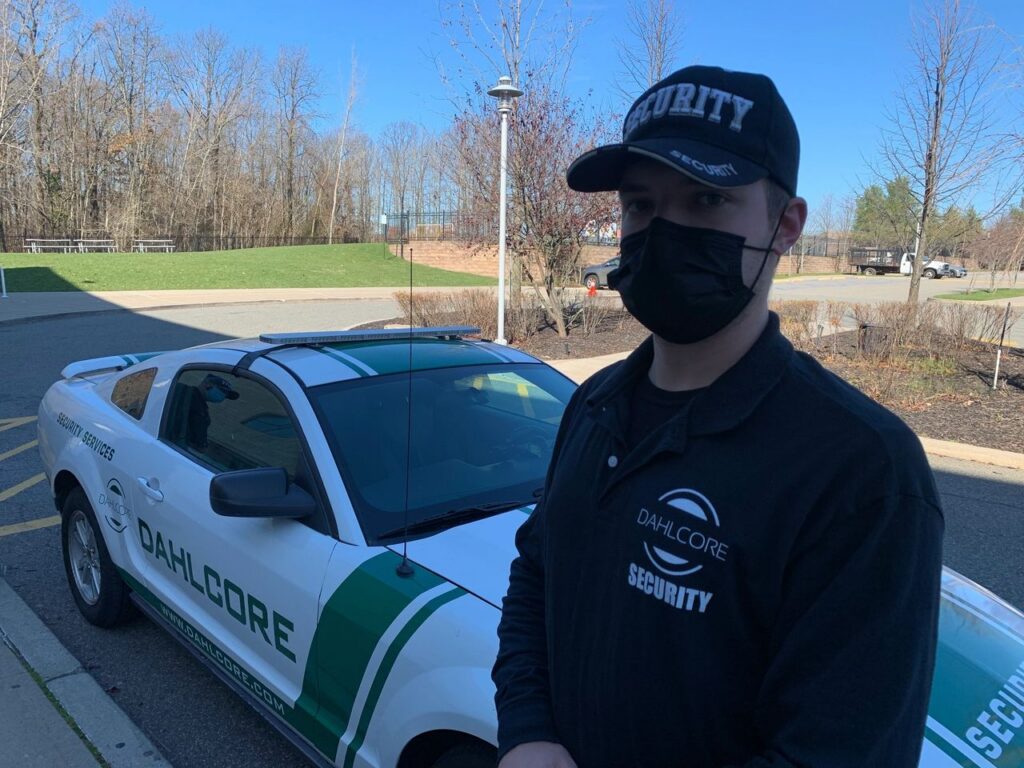
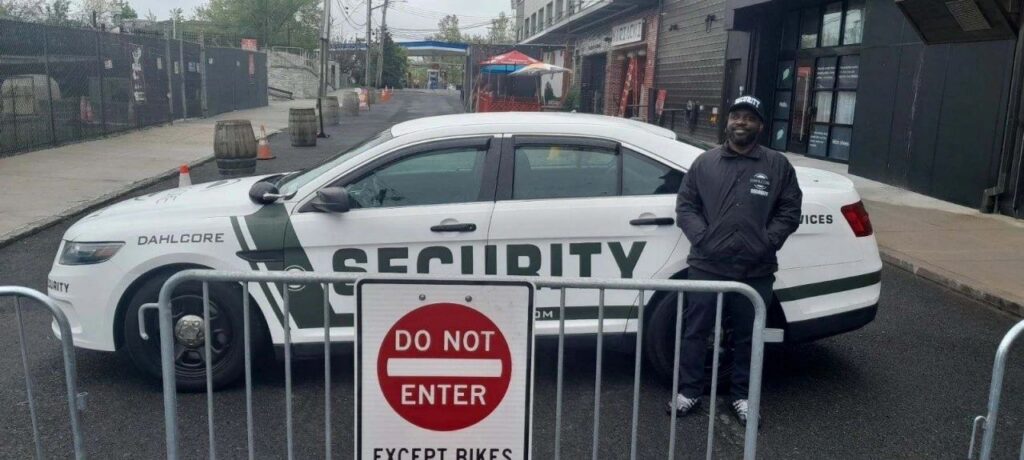
Dahlcore is a licensed, insured private security company providing commercial, event, unarmed, and armed security guard services, and publishing educational content on security guard licensing and training. Dahlcore is also listed among approved security training providers in New York State and actively helps candidates complete required courses such as the 8‑hour pre‑assignment and 16‑hour on‑the‑job training for security guards.
Because Dahlcore regularly screens, trains, and hires guards, the team works directly with state licensing rules, background checks, and “guard card” processes, including applicants who have prior convictions. This article is based on that practical experience, but it is not legal advice—always confirm your specific situation with your state licensing board and a qualified attorney.
If you have a record and are serious about security work, consider:
- Reading Dahlcore’s related guides on getting a guard card with a felony, what disqualifies you from being a security guard, and how to get a security guard card fast for more detailed steps and examples.
- Contacting Dahlcore for a confidential consultation about training options and realistic pathways into unarmed or, where legally possible, armed security roles in your state.
FAQs: Felons and Security Guard Licenses
Q1. Can a felon be a security guard?
In many states, a felon can be a security guard, especially in unarmed roles, if the felony is not recent, does not involve violence or weapons, and the person passes state background checks and shows rehabilitation. However, each state’s licensing board has its own list of disqualifying offenses and procedures, so there is never a universal “yes” or “no.”
Q2. Can I be a security guard if my felony was 10+ years ago?
Older felonies—especially non‑violent ones with no repeat offenses—are often viewed more favorably, and some states only look back a certain number of years when evaluating criminal records for non‑sensitive roles. You still must pass the background check and meet all training and licensing requirements, but a decade of clean living usually strengthens your case.
Q3. What types of felonies usually block a security guard license?
Felonies involving violence, weapons, serious theft, fraud, or sex offenses are most likely to disqualify you from getting a license or guard card, either permanently or for a long waiting period. Some state rules also treat multiple felonies or repeated similar crimes as automatic denials for security licensing.
Q4. Can a felon be an unarmed security guard?
In some states, yes—felons can work as unarmed security guards if they meet licensing standards and their offenses are not on the list of automatic disqualifiers. Even where the state allows licensing, private employers may still apply their own background check criteria, so hiring is never guaranteed.
Q5. Can I be an armed security guard with a felony?
Armed security jobs are much harder to get with a felony because they involve legal firearm possession and additional state and sometimes federal rules. Many jurisdictions prohibit felons from owning or carrying firearms at all, which usually makes armed guard cards inaccessible even if unarmed licenses are possible.
Explore our other blog posts here
Event Security Costs 2026: Complete Pricing Guide & Budget
Building a Comprehensive Maritime Security Program
Maritime Security: Strengthening Cooperation for Law Enforcement
Training for Cross-Cultural Challenges in International Waters
