

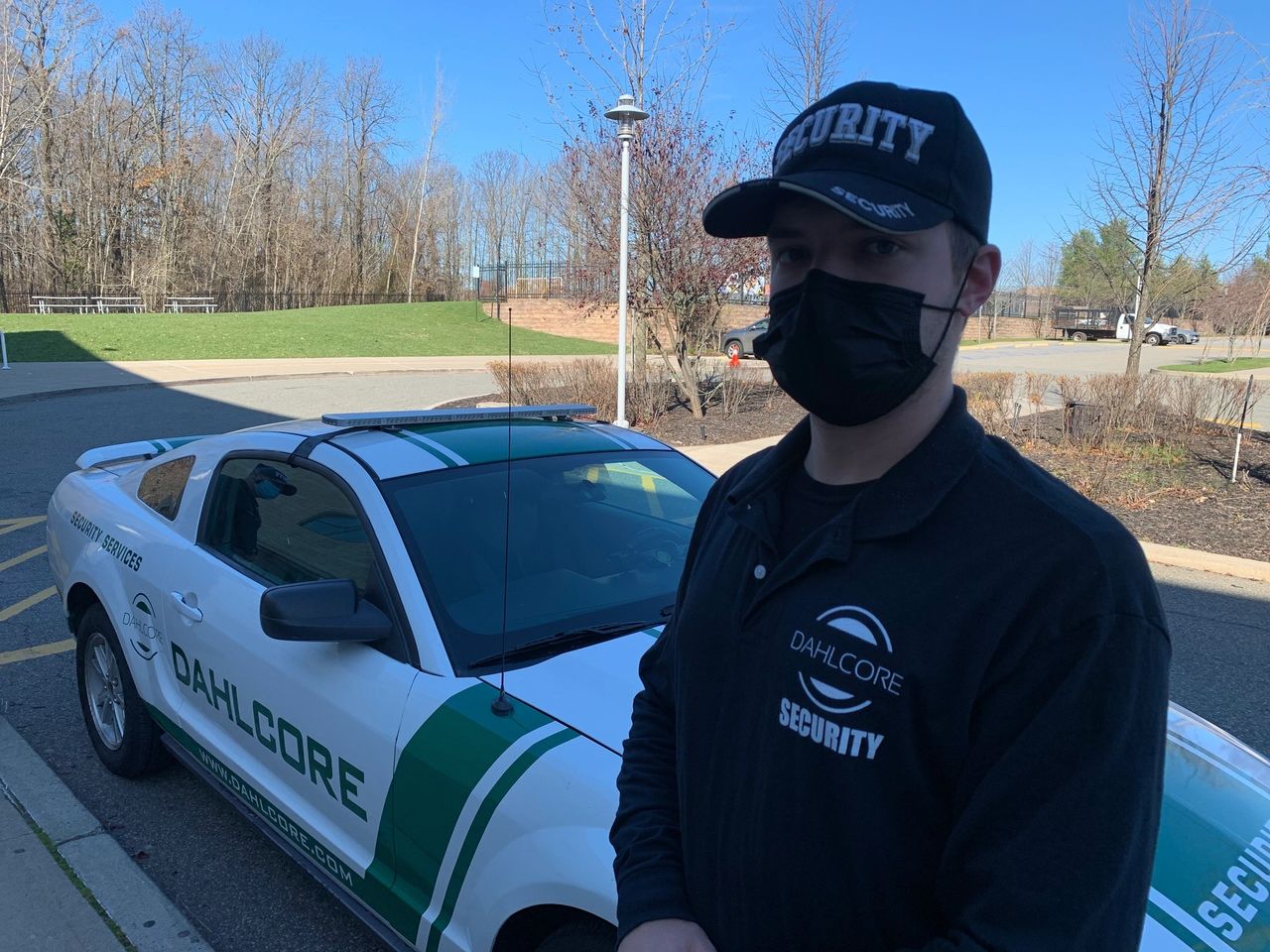
When it comes to high-risk construction areas, the importance of having well-trained security personnel cannot be overstated. These sites are hotbeds for potential dangers, not only from the standpoint of construction risks but also from the perspective of unauthorized access and possible theft. Training security guards for such environments is crucial to ensure the safety and security of both the construction site and its workers. This article explores the multi-faceted approach required to adequately prepare security guards for the challenges they may face in high-risk construction areas.
Understanding High-Risk Construction Areas
Definition and Characteristics of High-Risk Construction Sites
High-risk construction sites are areas where the likelihood of accidents, theft, or unauthorized access is significantly higher than in other settings. These sites often feature:
- Extensive use of heavy machinery and equipment.
- High volumes of foot and vehicular traffic.
- Multiple levels of construction activity are co-occurring.
- Storage of valuable materials and tools.
- Open or unsecured perimeters.
These areas have characteristics such as frequent changes in layout, limited visibility due to structures or stored materials, and the presence of numerous subcontractors or temporary workers.
Common Security Threats and Challenges Faced in These Areas
High-risk construction areas face a variety of security threats and challenges, including
- Theft of tools, equipment, and materials.
- Vandalism and property damage.
- Unauthorized access leads to potential safety hazards.
- Accidents resulting from the misuse of construction machinery.
- Conflicts between workers or with trespassers.
Essential Skills and Knowledge for Security Guards
Basic Security Protocols and Procedures
Security guards must be proficient in basic security protocols and procedures, including
- Patrolling and inspection routines.
- Identification and documentation of irregularities.
- Access control and visitor management.
- Incident reporting and response protocols.
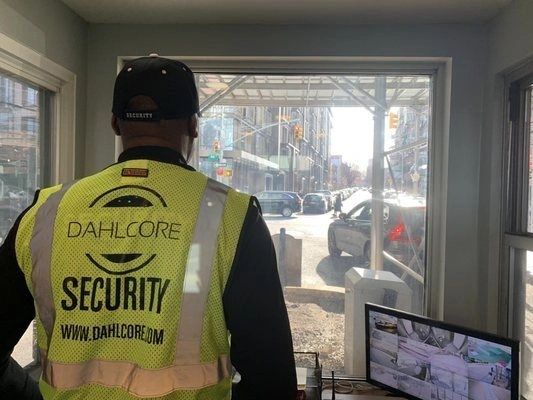
- Use of security technology, such as cameras and alarms.
Understanding of Construction Site Layout and Potential Vulnerabilities
Guards should understand the construction site layout and recognize potential vulnerabilities, including:
- Unsecured entry and exit points.
- Locations of valuable materials and equipment.
- Blind spots in surveillance coverage.
- Areas susceptible to unauthorized access or accidents.
- Evacuation routes and safety zones.
Handling Emergency Situations
In emergencies, security guards should be prepared to:
- Respond to accidents by providing first aid or summoning medical assistance.
- Investigate and report thefts or security breaches.
- Manage trespassing incidents calmly and effectively.
- Coordinate with emergency responders and site management.
- Evacuate personnel safely in case of fire or other dangers.
Communication Skills for Effective Collaboration
Practical communication skills are crucial for:
- Coordinating with construction personnel to enhance security.
- Reporting incidents accurately to law enforcement or emergency services.
- Guiding workers and visitors during emergencies.
- Resolving conflicts without escalation.
- Maintaining logs and documentation for security incidents.
Training Security Guards for High-Risk Construction Areas
Understanding the specific challenges associated with high-risk construction areas is the first step toward practical security guard training. These sites often involve heavy machinery, hazardous materials, and high volumes of personnel and visitors. Security guards need to be equipped with knowledge and skills that go beyond standard security training. This includes specialized training in hazard recognition, access control, and emergency response tailored to the unique demands of construction sites.
Security Measures and Protocols
Security measures in high-risk construction areas need to be robust and comprehensive. This entails establishing strict access control to prevent unauthorized entry and ensuring that all personnel and visitors are accounted for. Surveillance techniques, including CCTV monitoring and regular patrols, play a crucial role in deterring theft and vandalism. Security guards should be trained in the use of these technologies and in the protocols for reporting and escalating security incidents.
Emergency Response and Crisis Management
The potential for accidents or emergencies is heightened in high-risk construction areas. Security guards must be prepared to respond effectively to a variety of situations, from minor injuries to major incidents like fires or structural collapses. Training should cover emergency response procedures, including evacuation plans and first aid, as well as crisis management skills to maintain order and safety during high-pressure situations.
Legal and Ethical Considerations
Security guards must be aware of the legal and ethical frameworks that govern their actions on construction sites. This includes understanding privacy laws related to surveillance, labor laws affecting construction workers, and the ethical considerations involved in handling potentially sensitive situations. Training should provide guards with the knowledge to navigate these complex issues while maintaining the highest standards of professionalism and integrity.
Technology and Equipment
Advancements in security technology have introduced a range of tools and equipment that can enhance safety on construction sites. Security guards should be familiar with the latest security gadgets, from body cameras to drone surveillance, as well as the proper use and maintenance of protective gear. Hands-on training with this equipment will ensure guards are comfortable and practical in using it to enhance site security.
Communication and Teamwork
Effective communication and teamwork are essential components of security operations in high-risk construction areas. Security guards must be able to communicate clearly and efficiently with each other, construction staff, and emergency services. Training should emphasize the importance of clear communication channels and protocols, as well as the skills needed to work effectively as part of a security team.
Assessing and Managing Risks
Identifying and assessing potential risks is a crucial aspect of security in high-risk construction areas. Security guards need to be trained in risk assessment techniques, including how to recognize and evaluate the severity of potential threats. This includes understanding the specific risks associated with construction sites, such as theft of materials or equipment, and developing strategies to mitigate these risks.
Training Success Stories
Incorporating real-world examples and success stories into training can provide security guards with valuable insights and inspiration. These stories can highlight best practices and demonstrate the positive impact that well-trained security personnel can have on the safety and efficiency of construction sites.

FAQs
What qualifications are needed for security guards working in high-risk construction areas?
Security guards in these areas typically need to have basic security training, a valid security license, and specialized training relevant to construction site hazards and emergency procedures.
How often should security training be updated for high-risk construction areas?
Security training should be updated regularly, at least once a year, to ensure that guards are informed about the latest security practices, emergency protocols, and technological advancements.
Can security guards detain individuals on a construction site?
Security guards can detain individuals if they witness a crime being committed on the site; however, they must comply with local laws and regulations regarding detention and are advised to contact law enforcement immediately.
What should be done if a security breach occurs in a high-risk construction area?
In the event of a security breach, security guards should follow the pre-established incident response plan, which typically includes securing the area, documenting the incident, and notifying appropriate authorities and site management.
How can security guards effectively manage large groups of people in emergencies?
Security guards can manage large groups by staying calm, communicating clearly, using established evacuation routes, and coordinating with other security personnel and emergency responders.
Are security guards responsible for monitoring safety hazards on construction sites?
While their primary role is to ensure security, guards are also trained to spot safety hazards and report them to site management to prevent accidents and provide a safe working environment.
Conclusion
The training of security guards for high-risk construction areas is an investment in safety and security. By equipping guards with the knowledge, skills, and tools they need, construction sites can become safer, more efficient environments. Remember, the ultimate goal is to create a secure atmosphere where construction can proceed without interruption and where everyone on site feels protected.
Check other blogs
How Do Police Get into Gated Communities? Unlocking the Secrets
Things to Consider Before You Hire Security Guard for House
Access Control in Commercial Security:Boosting Business Integrity
