


Hiring a professional security guard service is a crucial investment in safeguarding your property, business, or events, ensuring both safety and peace of mind. With a vast number of options available, selecting the right service can be a daunting task. To make an informed decision, it is essential to consider several key qualities that distinguish an ideal security guard service. Here are ten important attributes to look for when evaluating potential providers:
1. Experience and Expertise
Professional security guard services should be staffed with individuals who have accumulated years of experience, equipping them with the expertise necessary to handle a wide range of scenarios efficiently. Their extensive experience ensures they can anticipate potential issues and respond appropriately, providing a higher level of safety and security. Additionally, selecting a service with a proven track record specific to your industry or event type guarantees that they are familiar with the unique challenges and requirements relevant to your situation.
2. Licensed and Insured
Ensure the security guard service you hire adheres to all legal and industry standards to mitigate potential liability issues and guarantee compliance with regulations. Verify that their guards undergo comprehensive training programs that include emergency response protocols, which will enable them to act effectively in urgent situations. Regularly review and update these requirements to keep pace with any changes in laws or best practices in the industry.
3. Highly-Trained Security Guards
Professional security guard services must ensure their guards undergo a comprehensive training program that covers essential areas such as patrolling techniques, conflict resolution skills, first aid knowledge, and emergency response procedures. This rigorous training equips guards with the necessary skills to effectively manage and mitigate potential security threats. As a result, well-trained security guards are better prepared to respond swiftly and efficiently, enhancing both safety and the quality of service provided.
4. Reliability and Responsiveness
Choose a security guard service that is not only dependable but also highly responsive to your specific requirements. Look for a provider that offers 24/7 support to ensure continuous protection and immediate assistance. The ability to quickly address emergencies or concerns is crucial for maintaining safety and security. Ensure that the service has a proven track record of reliability and prompt action to effectively handle any situation that may arise.
5. Customized Security Solutions
Every property, business, and event has distinct security needs that require specialized attention. A professional security guard service should assess the specific risks and vulnerabilities associated with each unique situation. By offering customized security solutions, these services ensure that appropriate measures are implemented to protect assets and people. This personalized approach not only enhances overall safety but also provides peace of mind tailored to the particular context of the client.
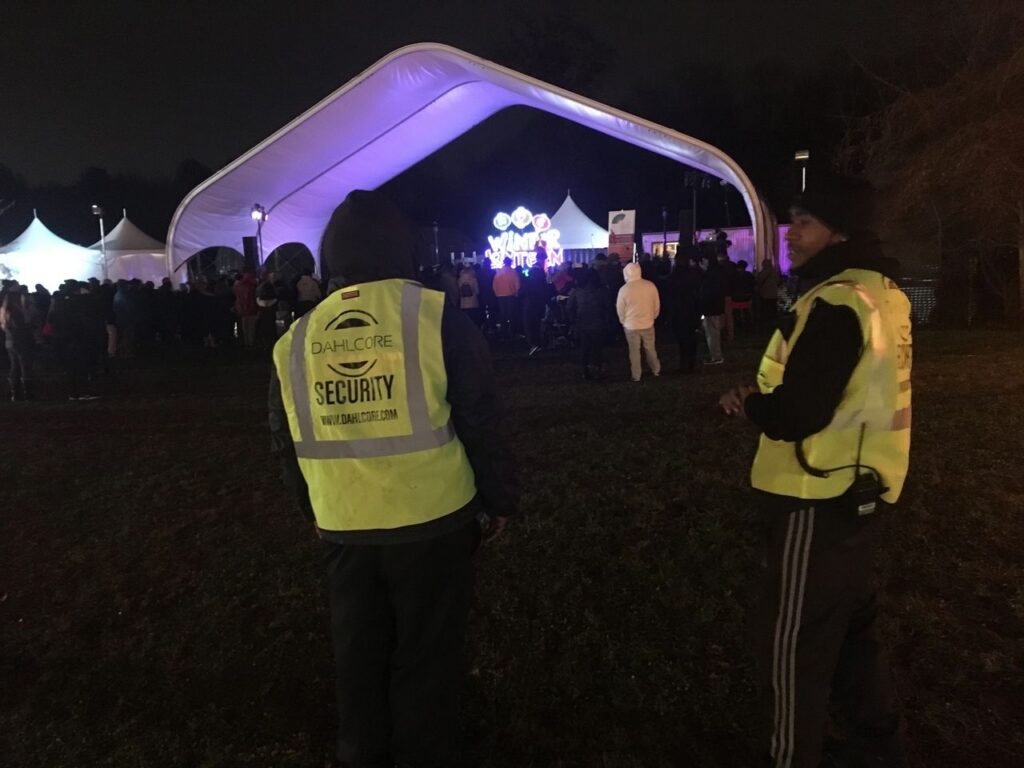
6. Advanced Technology
Top-of-the-line security guard services should employ cutting-edge technologies, such as advanced surveillance cameras, sophisticated access control systems, and state-of-the-art alarm systems, to significantly enhance their security capabilities. By integrating these technologies, security personnel can maintain vigilant monitoring of your property and respond quickly to any potential threats or breaches. This comprehensive approach ensures that your property is not only well-protected but also continuously monitored by highly trained professionals.
7. Excellent Communication Skills
Security guards must possess exceptional communication skills to interact effectively with clients, staff, and visitors, ensuring that their presence is both reassuring and professional. These skills are crucial for relaying important information accurately and promptly, particularly in high-stress situations. Additionally, clear and direct communication with their team and supervisors during emergencies can make the difference between swift resolution and escalation of a crisis.
8. Professional Appearance and Conduct
Professional security guards are expected to embody authority and professionalism, which is reflected in their immaculate appearance and adherence to conduct standards. They must maintain a composed and steady demeanor, even when faced with high-pressure or challenging situations. This combination of visual presentation and behavior ensures they command respect and effectively manage security concerns.
9. Adaptability and Flexibility
Security guards need to be highly adaptable and flexible, able to quickly adjust to new developments or emergencies as they occur. They must think on their feet, making prudent decisions under pressure to ensure safety and security. In high-stress situations, their ability to remain calm and make sound choices is crucial for effectively managing and resolving incidents.
10. Positive Reputation and Client Testimonials
Professional security guard services should boast an impressive track record and numerous glowing customer testimonials to reassure you of their reliability. Such a reputation indicates their ability to deliver exceptional protection for your property, business, or event. These endorsements reflect their commitment to safety and effectiveness in handling various security needs.
By considering these top 10 qualities when selecting a professional security guard service, you can ensure you’re investing in your property’s safety and security – be it a business, event, or both. A reliable security service will give you peace of mind, knowing all your security needs will be handled effectively.
Security Guards—What Can Go Wrong?
Security guards are essential in maintaining safety and order, but several issues can arise when their roles are not appropriately managed. Here are some common problems:
- Inadequate Training: With proper training, security guards may respond effectively to emergencies, potentially leading to dangerous situations.
- Poor Communication: Security teams require clear, consistent communication. A breakdown in this area can lead to inadequate responses to incidents or misunderstandings with law enforcement.
- Lack of Supervision: With adequate oversight, security guards might perform their duties as expected, which can result in negligence or misconduct.
- Insufficient Equipment: Guards need appropriate tools to perform their duties safely and effectively. Items like radios, flashlights, or proper uniforms can significantly improve their ability to work efficiently.
- Burnout and Fatigue: Long hours and the demanding nature of security work can lead to burnout, reducing vigilance and potentially increasing the likelihood of errors.
These risks underscore the importance of careful planning and management in the deployment of security personnel to prevent potential lapses in safety.

How can I improve my security guard service?
Improving your security guard service requires a combination of training, management, and advanced technology. First, ensure that your guards are properly trained in essential skills, including emergency response, conflict de-escalation, and customer service. Invest in ongoing training programs to keep them updated on industry best practices and new security threats.
- Regular Performance Reviews: Hold routine evaluations to assess the effectiveness of your guards, identify areas for improvement, and offer feedback on their performance.
- Clear Communication Channels: Establish strong communication between guards, supervisors, and clients to ensure any issues are addressed quickly.
- Advanced Technology: Use surveillance systems, access control systems, and GPS tracking to enhance the guard’s ability to monitor and report security threats efficiently.
- Professional Appearance and Behavior: A well-groomed, professional security guard instills confidence and trust. Make sure they adhere to dress codes and maintain a polite, courteous demeanor at all times.
- Emergency Preparedness: Ensure guards are trained in emergency procedures for various situations, such as fire, medical emergencies, or active shooter incidents.
By addressing these key areas, security guard services can become more reliable, efficient, and trusted by clients.
Uniformed vs Non-Uniformed Security Guards
The choice between uniformed and non-uniformed security guards depends on the specific needs and goals of the security plan. Each type has its advantages:
- Uniformed Security Guards:
- Visibility: A uniform makes the security presence known, which can deter potential criminals.
- Authority: Uniforms can convey a sense of authority and professionalism, reassuring staff and visitors.
- Quick Identification: In emergencies, uniforms allow quick identification, enabling faster responses from law enforcement and emergency services.
- Non-Uniformed Security Guards:
- Discretion: Non-uniformed guards are less conspicuous in environments where a visible security presence might be intimidating or undesirable.
- Surveillance: They can blend in with the crowd to monitor for unusual activities without drawing attention.
- Flexibility: Non-uniformed guards can perform duties without affecting the ambiance of the setting, ideal for luxury environments or private events.
Choosing the correct type of guard should align with the overall security strategy and the specific context of the environment.
The Impact of High-Quality Training
High-quality training for security guards significantly impacts their effectiveness and the overall security of the premises they protect. Here are the key benefits:
- Enhanced Response to Emergencies: Well-trained guards are equipped with the skills needed to handle various emergencies, including medical crises, fires, and active shooter situations.
- Legal Compliance: Comprehensive training ensures that guards understand the laws and regulations applicable to their roles, reducing the risk of legal issues stemming from their actions.
- Improved Decision-Making: Training programs that include scenario-based learning enhance decision-making abilities under pressure.
- Customer Service: Security guards often serve as the first point of contact for visitors. Training in customer service can improve interactions and help maintain a positive environment.
- Use of Technology: Modern security involves various technologies, from surveillance systems to electronic reporting. Training helps guards operate these tools effectively, ensuring robust security coverage.
Investing in high-quality training programs is essential for developing a competent and confident security team capable of handling both routine duties and unexpected challenges.

How can I improve my security system?
To improve your security system, a thorough assessment of current capabilities and vulnerabilities is essential. Start by identifying weak points, such as outdated hardware or insufficient monitoring. Then, invest in modern technology to create a more secure environment.
- Upgrade Hardware: Replace outdated security cameras, locks, and alarms with more advanced models offering better resolution, reliability, and remote access.
- Use Smart Technology: Integrate smart systems that allow for automation and remote monitoring, such as smart locks, motion detectors, and cameras that can be accessed from mobile devices.
- Regular Maintenance: Perform routine checks and maintenance on your system to ensure everything is working as intended. This includes checking battery backups and testing sensors.
- Employee Training: Ensure staff are trained on how to use the security system effectively, from operating cameras to understanding alarm responses.
- Improve Access Control: Implement biometric or keycard access systems to limit unauthorized entry and monitor who enters and exits your premises.
These upgrades will enhance both the effectiveness and efficiency of your security system, minimizing vulnerabilities.
What are the 5 C’s for security guards?
The 5 C’s are essential principles that security guards should follow to perform their duties effectively and professionally. These include:
- Control: Maintaining control of situations, whether it’s preventing unauthorized access or managing an emergency, ensures that threats are neutralized quickly.
- Caution: Always approach situations with caution to avoid unnecessary risks. Observing the environment carefully and assessing potential threats is crucial.
- Communication: Clear communication with colleagues, supervisors, and the public is vital. Security guards should be able to convey information quickly and accurately, especially in emergencies.
- Courtesy: Even in difficult situations, it’s important to be polite and respectful to others. Courtesy helps build trust and professionalism.
- Confidence: Security guards should act with confidence when dealing with incidents. Having the self-assurance to make decisions and take action is crucial for effective security.
By embodying these principles, security guards can handle a variety of scenarios with professionalism and efficiency.
Enhancing Security Through Professionalism and Training
Ensuring the safety of your property, business, or event requires a security guard service that embodies professionalism and expertise. According to the U.S. Department of Labor, security guards are responsible for patrolling property, enforcing rules and regulations, monitoring alarms and video-surveillance systems, responding to emergencies, deterring criminal activity, controlling building access, conducting security checks, and writing reports on their observations. Bureau of Labor Statistics
Additionally, the U.S. Department of the Interior emphasizes that security guards must possess integrity, accountability, and independent problem-solving abilities. They should be proactive, responding to security and safety emergencies both independently and as part of a team when necessary. U.S. Department of the Interior Careers
By selecting a security guard service that prioritizes these qualities, you invest in a safer environment for all.

FAQs about Top 10 Qualities to Look for in a Professional Security Guard:
Q: What is the most essential quality for a security guard to possess?
A: While all qualities are essential, many argue that vigilance or situational awareness is among the most critical since it directly relates to the guard’s ability to detect and respond to threats.
Q: How important are interpersonal skills for a security guard?
A: Extremely important. A security guard often serves as the first point of contact between the public and the establishment they’re guarding. Good interpersonal skills ensure positive interactions and can de-escalate potentially volatile situations.
Q: Do all security guards need to be physically fit?
A: Physical fitness can be beneficial, especially in situations requiring a rapid response, but it’s not the only essential quality. Mental sharpness, decision-making, and communication skills are equally important.
Q: How do technical skills play into a security guard’s role?
A: As technology becomes more integrated into security systems, guards must be familiar with surveillance equipment, alarm systems, and other tech tools to perform their duties effectively.
Q: Can soft skills like communication and empathy be trained or innate?
A: While some individuals may naturally possess these qualities, training and experience can also develop and enhance them.
Q: Why is integrity considered a vital quality for a security guard?
A: Integrity ensures that the guard will perform their duties honestly, without succumbing to temptations or misconduct, thus upholding the trust placed in them by their employer and the public.
Conclusion
When hiring a professional security guard, it’s imperative to consider a combination of both hard and soft skills. The ideal candidate will not only be well-versed in the technical aspects of security but will also possess the interpersonal skills necessary to interact and communicate effectively with the public and team members. By prioritizing the top 10 qualities outlined above, employers can ensure they choose a candidate who will protect their assets, uphold the company’s reputation, and foster a sense of safety and trust within the community.
Check other blogs
Concert Security Procedures: Implications & Actions
8 Proven Forms of Construction Site Security
Efficient Manufacturing Security Guard Replacement Services
7 Revolutionary Techniques in Loss Prevention for Modern Security
