

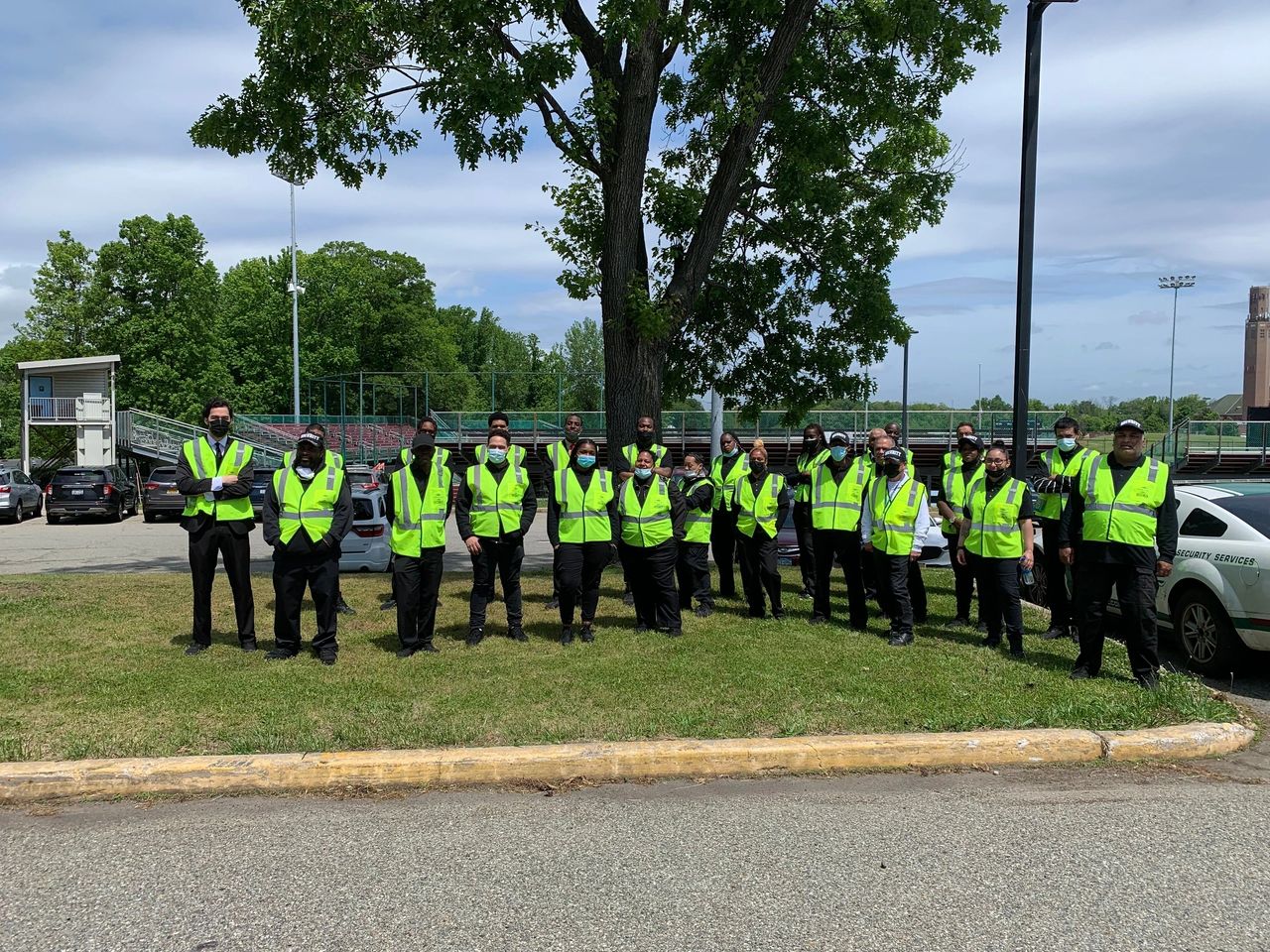
The hospitality industry faces unique challenges during peak seasons, with increased guest flow demanding heightened security measures. This article delves into best practices for hotel security, ensuring both guest safety and smooth business operation.
The Importance of Enhanced Security in Hotels During Peak Seasons
The bustling peak seasons in the hotel industry bring not only a surge in guests but also an increased need for rigorous security measures. During these times, hotels are bustling hubs of activity, making them more susceptible to security breaches, from unauthorized access to potential safety hazards. Enhanced security during peak seasons is not just about safeguarding property; it’s about ensuring the safety and peace of mind of every guest who walks through the doors.
Hotels must be vigilant in identifying and mitigating potential risks. This involves a comprehensive approach that spans physical security, cybersecurity, and staff training. The goal is to create an environment where guests feel secure without feeling overwhelmed by security presence. It’s a delicate balance but one that’s essential for maintaining the hotel’s reputation and ensuring that guests return season after season.
Comprehensive Security Assessment: The First Step
Prior to the onset of peak seasons, hotels must undertake a thorough security assessment. This process involves scrutinizing every aspect of the hotel’s security apparatus. It’s about identifying vulnerabilities — whether it’s an outdated surveillance system, gaps in staff training, or areas of the hotel that are particularly susceptible to unauthorized access.
The assessment should be exhaustive and cover all areas of the hotel, including guest rooms, public areas, back-of-house operations, and digital platforms. This proactive approach not only highlights current security strengths but also pinpoints areas needing improvement. By addressing these issues beforehand, hotels can ensure that they are well-prepared to handle the increased demand and potential security challenges of the peak season.
Staff Training: Frontline of Hotel Security
Staff are the frontline defenders of hotel security. Their ability to recognize and respond to security threats is crucial. Regular training sessions are vital in keeping the staff updated on the latest security protocols and emergency response procedures. These training sessions should cover a wide range of topics, from handling suspicious behavior to emergency evacuation protocols.
Moreover, staff needs to understand the role they play in creating a secure environment. They should be trained to be vigilant, to recognize potential security threats, and to know how to respond in various scenarios. A well-trained staff is a hotel’s best defense against security breaches.
Advanced Surveillance Systems: Eyes Everywhere
In today’s technologically advanced world, surveillance systems have become more sophisticated and effective. High-definition cameras, motion detectors, and access control systems are just a few examples of how technology can enhance hotel security. These systems act as a deterrent to potential wrongdoers and provide valuable evidence in the event of a security incident.
Hotels must stay abreast of the latest surveillance technologies and incorporate them into their security strategy. This might mean upgrading outdated systems or integrating new technologies that offer better coverage and more efficient monitoring. The goal is to have a set of “eyes” everywhere, ensuring that all areas of the hotel are under constant surveillance.

Access Control: Key to Prevent Unauthorized Entry
Effective access control is fundamental to hotel security. It’s about ensuring that only authorized individuals have access to certain areas of the hotel. This can be achieved through a variety of means, such as key cards, biometric systems, or access codes. These systems not only prevent unauthorized entry but also track who enters and leaves the hotel, providing a record that can be invaluable in the event of a security breach.
Access control systems should be regularly updated and tested to ensure they are functioning correctly. Additionally, hotels should consider implementing layered access control, with more sensitive areas of the hotel having stricter access requirements.
Access Control
Guest Room Key Card Security
Encryption and Authentication:
Encrypting key card data is essential to safeguard against unauthorized access and thereby fortifying its security against potential breaches. Additionally, implementing robust authentication mechanisms ensures that only individuals with authorized access can program or reprogram critical cards, bolstering overall system integrity.
Access Logs:
To monitor usage effectively, detailed access logs for each key card must be consistently updated with information such as the date, time, and location of every use. Regular reviews of these logs are essential to promptly detect any irregularities or suspicious activity, enabling timely intervention and security measures if necessary.
Key Card Expiration:
An effective expiration policy for critical cards could involve automatically deactivating them after a predetermined timeframe, such as six months or a year, to mitigate the risk of unauthorized use due to loss or theft. This proactive measure enhances security by minimizing the window of opportunity for exploitation while also prompting users to regularly review and update their card information.
Lost Key Card Protocols:
To ensure transparency and efficiency in reporting and deactivating lost vital cards, implement a centralized online platform accessible 24/7 where individuals can report lost cards with immediate deactivation and request re-issuance. Utilize automated notifications to alert relevant authorities and streamline the process of issuing new cards, prioritizing security measures to safeguard sensitive information throughout the entire process.
Secure Entrances and Exits
Physical Barriers:
Installing physical barriers such as turnstiles, security gates, or revolving doors at main entrances significantly enhances security measures by effectively preventing unauthorized entry into a facility. These barriers serve as formidable deterrents and provide controlled access, ensuring only authorized individuals gain entry while mitigating the risk of unauthorized access or intrusion.
Access Control Points:
Limiting the number of access control points reduces a system’s potential vulnerabilities, making it easier to monitor and manage effectively. Implementing technologies such as card readers, biometrics, or PIN codes enhances security by ensuring only authorized individuals gain entry, mitigating the risk of unauthorized access or breaches.
Emergency Exits:
To ensure safety, it’s imperative to prominently display clear signage indicating emergency exits and equip them with audible alarms to deter inappropriate usage. Additionally, instituting strict policies that discourage unauthorized access to these exits helps maintain order and minimize potential risks during emergencies.
Visitor Passes:
Temporary visitor passes can be issued with a predetermined expiration time to regulate access to secured areas, ensuring visitors possess proper authorization during their permitted timeframe. This approach enhances security measures by limiting unauthorized access while accommodating legitimate visitors within designated timeframes.

Visitor Management Protocols
Check-In Procedures:
The structured visitor check-in process begins with the visitor presenting a valid form of identification, such as a driver’s license or passport, which is then verified by the receptionist or security personnel against a database or guest list. Once verified, the visitor is issued a temporary visitor badge or key card that grants them access to designated areas within the facility, ensuring secure and controlled entry for all visitors.
Escort Policy:
Implementing a policy mandating that all visitors must be accompanied by authorized personnel within secure areas significantly mitigates the potential for unauthorized access and enhances overall security measures. By ensuring constant supervision, this measure effectively minimizes the likelihood of breaches or incidents that could compromise sensitive information or resources.
Record Keeping:
Accurately documenting all visitor details, such as their purpose for visiting, entry and exit times, and the names of their hosts, is essential for efficient record-keeping and security management. These records enable thorough tracking of visitor activities, aiding in both accountability and the facilitation of any necessary follow-up actions.
Pre-Approved Visitors:
Implement a pre-approval system for frequent visitors, allowing them expedited access while still ensuring security protocols are followed.
By addressing these critical areas of access control, businesses and organizations can enhance security measures and protect sensitive areas from unauthorized access, ensuring the safety of both guests and staff.
Cybersecurity: Protecting Digital Assets
In the digital age, cybersecurity is an aspect of hotel security that cannot be overlooked. Hotels store vast amounts of sensitive guest data, from personal information to payment details. A breach in cybersecurity can have severe consequences, both for the guests affected and for the hotel’s reputation.
Hotels must implement robust cybersecurity measures, such as firewalls, secure Wi-Fi networks, and regular security audits. Staff should also be trained in cybersecurity best practices, such as recognizing phishing attempts and securing personal devices. Protecting digital assets is just as crucial as securing physical ones.
Emergency Response Plan: Preparation is Key
No hotel wants to face an emergency, but being prepared for one is crucial. An effective emergency response plan outlines the steps to be taken in various scenarios, from natural disasters to security threats. It should be comprehensive, covering evacuation procedures, communication protocols, and coordination with local authorities.
Regular drills and training sessions should be conducted to ensure that all staff are familiar with the emergency response plan. This preparation can make a significant difference in the event of an actual emergency, potentially saving lives and minimizing damage.
Collaboration with Local Law Enforcement
Collaborating with local law enforcement agencies can significantly enhance a hotel’s security. This partnership allows for a quicker response in the event of a security incident and provides valuable resources and expertise. Hotels can work with local authorities on security assessments, staff training, and emergency response planning.
Such collaborations also foster a sense of community engagement and can act as a deterrent to potential security threats. Knowing that a hotel works closely with law enforcement can give guests an added sense of security.
Guest Awareness: Educating on Safety Practices
Guests play a crucial role in maintaining hotel security. Educating them on safety practices and hotel security protocols is essential. This can be done through welcome packets, in-room information, and signage throughout the hotel. Guests should be made aware of things like emergency exits, how to secure their valuables, and whom to contact in case of a security concern.
Hotels can create a more secure environment by involving guests in the security process. Informed guests are more likely to adhere to security protocols and report any suspicious activity, contributing to the overall safety of the hotel.

Regular Security Audits: Keeping Standards High
Regular security audits are essential for maintaining high-security standards in hotels. These audits involve a thorough examination of all security measures, from physical security to cybersecurity. They help identify any weaknesses or areas for improvement and ensure that all security systems are functioning optimally.
Experienced professionals should conduct security audits, which should be seen as an ongoing process rather than a one-time event. Continuous improvement is critical to staying ahead of potential security threats.
Tailoring Security Measures to Different Seasons
Different peak seasons may present different security challenges. For example, the security needs during a primary holiday season may differ from those during a significant local event. Hotels must tailor their security measures to meet these varying demands.
This might involve adjusting staffing levels, changing surveillance priorities, or implementing specific protocols for particular events. By customizing their security approach based on seasonal needs, hotels can ensure they are prepared for whatever the peak season brings.
Balancing Hospitality and Security
One of the biggest challenges for hotels is balancing the need for stringent security with the desire to provide a welcoming, hospitable environment. Guests should feel safe, but not at the expense of their comfort or the hotel’s ambiance. This balance requires a thoughtful approach to security, one that is firm but not intrusive.
Staff play a vital role in this balance. Their interactions with guests should be friendly and welcoming while also being vigilant and professional. Security measures should be integrated seamlessly into the hotel’s operations, providing safety without being overtly conspicuous.
Innovative Security Solutions: Staying Ahead of Threats
The security landscape is constantly evolving, and hotels must stay ahead of the curve. This involves adopting innovative security solutions that address emerging threats. From artificial intelligence-powered surveillance systems to advanced cybersecurity protocols, staying up-to-date with technological advancements is crucial.
These innovative solutions can provide a competitive edge and demonstrate a hotel’s commitment to guest safety. By being proactive and forward-thinking in their security approach; hotels can not only protect their guests and staff but also enhance their reputation and appeal.
FAQs on Hotel Security During Peak Seasons
What extra security measures should hotels take during peak seasons?
Hotels should increase staff training, upgrade surveillance and access control systems, and tailor their security approach based on the specific challenges of the peak season.
How can guests contribute to hotel security?
Guests can contribute by being aware of security protocols, securing their valuables, and reporting any suspicious activity to hotel staff.
What role does technology play in hotel security?
Technology plays a crucial role, from advanced surveillance systems to cybersecurity measures, in ensuring comprehensive security in hotels.
How do hotels balance security with guest comfort?
By seamlessly integrating security measures into hotel operations and ensuring friendly yet professional staff interactions, hotels can balance security with hospitality.
What should a hotel’s emergency response plan include?
It should include evacuation procedures, communication protocols, and coordination with local authorities tailored to various emergency scenarios.
Can hotels benefit from collaborating with local law enforcement?
Yes, collaboration with law enforcement can enhance response times, provide additional resources, and act as a deterrent to potential threats.
Conclusion
Implementing the best practices for hotel security during peak seasons is not just a matter of complying with industry standards; it’s about creating an environment where guests can relax and enjoy their stay, knowing they are in a safe and secure place. By embracing comprehensive security measures, training staff effectively, and staying ahead of technological advancements, hotels can provide a secure, comfortable experience that guests will remember fondly. Remember, the goal is not just to protect guests but also to ensure that their stay is as enjoyable and worry-free as possible.
Check other blogs
Professional Traffic Control Services
Inside Disney World Security: Keeping Guests Safe
How Much Does an Armed Security Guard Earn? 7 Shocking Insights!
Check also our Hotel Security
