

Last Updated: March 17, 2026
Choosing the right security guard company in New York City is not easy—there are dozens of firms, a complex regulatory environment, and high stakes for safety, liability, and reputation. Businesses, property managers, hotels, and event organizers need licensed security guards in NYC who understand local risks, building norms, and city regulations, not just generic “guards in uniforms.”
Instead of starting with a list of company names, it’s more effective to use a clear, repeatable framework so you can consistently identify top‑tier security partners that fit your specific site, risk profile, and budget.
Step 1: Define Your Risks and Coverage Needs
Before you contact any security firm, get clear internally on what you actually need.
- Identify locations and assets: Commercial building, retail store, hotel, event venue, construction site, residential property, logistics yard, or executive/VIP coverage.
- Decide on coverage: 24/7 posts, nights and weekends, seasonal or event-based security, or temporary trial coverage for a new site.
- Clarify risk level: High-traffic public spaces, cash handling, high‑value inventory, high‑profile guests, or prior incident history (theft, vandalism, trespassing, workplace issues).
- Choose armed vs unarmed: Align with your risk profile, insurance requirements, lease obligations, and building rules.
Having this written scope makes it easier to compare proposals side by side and avoid paying for unnecessary services.
Step 2: Verify Licensing, Compliance, and Insurance
In New York, security providers are tightly regulated, so licensing and compliance are non‑negotiable.
- Company license: Confirm the firm is properly registered as a watch, guard, or patrol agency with the New York State Department of State (DOS), Division of Licensing Services.
- Individual guard licenses: Verify that every guard assigned to your site holds a valid NYS security guard license, which requires background screening and mandated training.
- Required training: Look for proof of the 8‑hour pre‑assignment course, at least 16 hours of on‑the‑job training within the first 90 days, and ongoing annual in‑service training.
- Insurance coverage: Request certificates of insurance for general liability, workers’ compensation, and (if applicable) armed guard coverage, and make sure limits meet your landlord and vendor requirements.
Any hesitation or delay in providing license and insurance documentation is a red flag.
Step 3: Assess Training, Experience, and Supervision
Two providers can offer “guards,” but their training standards and supervision models can be very different.
- Guard background: Ask about prior experience with commercial buildings, hotels, residential communities, events, construction sites, or VIP protection in NYC.
- Formal training: Confirm guards receive site‑specific post orders, emergency procedures, use-of-force guidelines, customer‑service training, and periodic refreshers.
- Supervisory structure: Ask how often supervisors visit or audit posts, how they respond to incidents, and what tools they use (digital tour systems, incident reporting apps, GPS checks).
- Turnover and staffing: Request information on guard turnover rates, backup staffing plans, and how quickly they can provide replacements for call‑outs or additional coverage.
Top security companies in NYC usually have clear, documented supervision processes and can explain them in detail.
Step 4: Match Services to Your Property Type
“Security guard services in NYC” covers a wide range of specialties, so you want a company whose core strengths match your property and industry.
- For office towers and mixed-use properties, commercial security services can include lobby security, ID checks, visitor badging, elevator and loading-dock control, and after-hours access management.
- Retail and mall security (all boroughs): Theft deterrence, floor patrols, CCTV monitoring, inventory protection, and coordination with NYPD for incidents.
- Event and nightlife security (Brooklyn, Queens, Manhattan): Crowd control, ticket line management, bag checks, stage and backstage protection, and VIP escorts.
- Construction site security in NYC: Perimeter patrols, equipment and material protection, access control, and fire watch to satisfy Department of Buildings and insurance requirements.
- Residential, HOA, and condo security: Front desk coverage, concierge support, package and visitor management, and patrols of parking garages and amenities.
- VIP and executive protection: Plainclothes or low‑profile details, secure transport, advance site surveys, and coordination with venues and hotels.
Ask each provider for examples of similar NYC sites they currently secure and how long they’ve held those contracts.
Step 5: Evaluate Technology, Reporting, and Transparency
The best security guard companies in NYC combine trained personnel with technology and clear reporting.
- Integrated technology: Look for firms that can tie guard services into CCTV, access control, video analytics, and GPS‑verified patrols.
- Reporting tools: Request sample incident reports, daily activity reports, and dashboards so you can see how guard activity, incidents, and response times are documented.
- Real‑time alerts: Ask whether supervisors or clients receive notifications for critical incidents, missed patrols, or alarm activations.
- Data for decision‑making: Confirm you can export reports for insurance, risk management, and internal security reviews.
Technology should make your security more transparent and measurable, not add complexity.
Step 6: Compare Pricing, Contracts, and Value
NYC guard rates vary widely depending on risk, duties, and schedule, so you’ll want to understand what’s behind each number.
- Typical ranges: In NYC, unarmed guards often bill in a range that reflects wages, supervision, benefits, insurance, and overhead, while armed or high‑risk posts sit at a higher hourly rate due to licensing, firearms training, and insurance costs.
- Line‑item breakdown: Request clear proposals that show hourly rates, overtime rules, holiday rates, minimum hours, and any technology or equipment fees.
- Contract terms: Review contract length, cancellation policies, rate‑increase clauses, and conditions for replacing guards or supervisors.
- Pilot periods: Prefer providers that allow a pilot or trial period before a long‑term commitment, so you can review performance and tenant feedback.
The goal is not the cheapest quote, but the best risk‑adjusted value for your specific property and exposure.
Step 7: Check Reputation, Responsiveness, and Fit
How a security company behaves before you sign is usually how they will behave after you sign.
- Local reputation: Read reviews, ask for references from similar NYC properties, and check how the company handled real incidents or emergencies.
- Site walk quality: During walkthroughs, notice whether they ask detailed questions about building procedures, existing systems, and prior incidents, or just rush to submit a quote.
- Responsiveness: Track how quickly they return calls, send proposals, and answer specific questions about NYC security regulations and building requirements.
- Culture and communication: Make sure their supervisors communicate clearly with property management, building staff, and tenants or guests.
A strong cultural fit and proactive communication often matter just as much as the hourly rate—especially for commercial security engagements where guards interact with tenants, vendors, and executives daily.
Types of Security Guard Services in NYC
Under this umbrella, “New York City security guard services” typically include:
- Commercial building security in Manhattan: Lobby security, ID checks, visitor badging, elevator and loading dock control, and after‑hours access management for Class A and B office towers.
- Retail and mall security (all boroughs): Theft deterrence, floor patrols, CCTV monitoring, inventory protection, and coordination with NYPD for incidents.
- Brooklyn and Queens event security: Crowd control, ticket line management, bag checks, stage and backstage protection, and VIP escorts for concerts, festivals, and nightlife events.
- Construction site security in NYC: Perimeter patrols, equipment and material protection, after‑hours access control, and fire watch to satisfy DOB and insurance requirements.
- Residential and HOA/condo security: Front desk security, concierge support, package and visitor management, and patrols of parking garages and amenities.
- VIP and executive protection: Plainclothes or low‑profile details, secure transport, advance site surveys, and coordination with venues and hotels.
How to Evaluate Security Guard Companies in New York City
When NYC businesses compare “NYC private security firms” or “security guard companies in NYC,” they are typically weighing risk, cost, and service quality. To make a defensible decision, it helps to use a structured checklist instead of choosing solely on price.
Key Factors to Compare NYC Security Guard Companies
Licensing and compliance
- Confirm the company is registered as a watch, guard, or patrol agency with the New York State Department of State (DOS), which regulates private security providers.
- Verify that individual guards hold valid NYS security guard licenses, which require age and background screening, plus mandated training.
Training, experience, and supervision
- Look for guards who have completed the state‑mandated 8‑hour pre‑assignment course and at least 16 hours of on‑the‑job training within the first 90 days, along with annual in‑service training.
- Ask how supervisors are assigned, how often they visit sites, and what tools (e.g., digital tour systems, incident reporting apps) they use to monitor performance.
Services and industries served
- Match the company’s core strengths to your use case: commercial building security in Manhattan, Brooklyn event security, hotel security, residential buildings, logistics yards, or VIP protection.
- Confirm they can provide both armed and unarmed security guards if your risk profile, insurance, or tenant mix requires it.
Technology and reporting
- Prioritize firms that integrate CCTV, access control, video analytics, and GPS‑verified patrols into their guard programs for more transparent, data‑driven protection.
- Review sample incident reports and dashboards to ensure you can track guard activity, trends, and response times.
Reputation, reviews, and responsiveness
- Read reviews, ask for references from similar NYC properties, and check how the company handled past incidents and emergencies.
- Evaluate responsiveness by how quickly they provide proposals, conduct site walks, and answer detailed questions about NYC security regulations and building procedures.
How NYC Businesses Choose a Security Guard Company
For most New York City organizations, the decision process follows a similar path:
- Clarify risks and scope: Identify whether you need 24/7 coverage, nights/weekends, seasonal or event‑based security, or a temporary trial.
- Shortlist NYC providers: Focus on companies with proven experience in your borough, building type, or industry—such as a firm that already secures nearby properties.
- Verify licenses and insurance: Use New York State and NYC business resources to confirm security guard registration, general liability coverage, and workers’ compensation.
- Compare proposals: Evaluate staffing plans, post orders, technology, supervision, pricing, contract terms, and cancellation policies side by side.
- Pilot and review: Start with a defined pilot period, then review incident logs, tenant feedback, and KPIs before committing long‑term.
Frequently Asked Questions About NYC Security Guard Companies
What are the best security guard companies in NYC for small businesses?
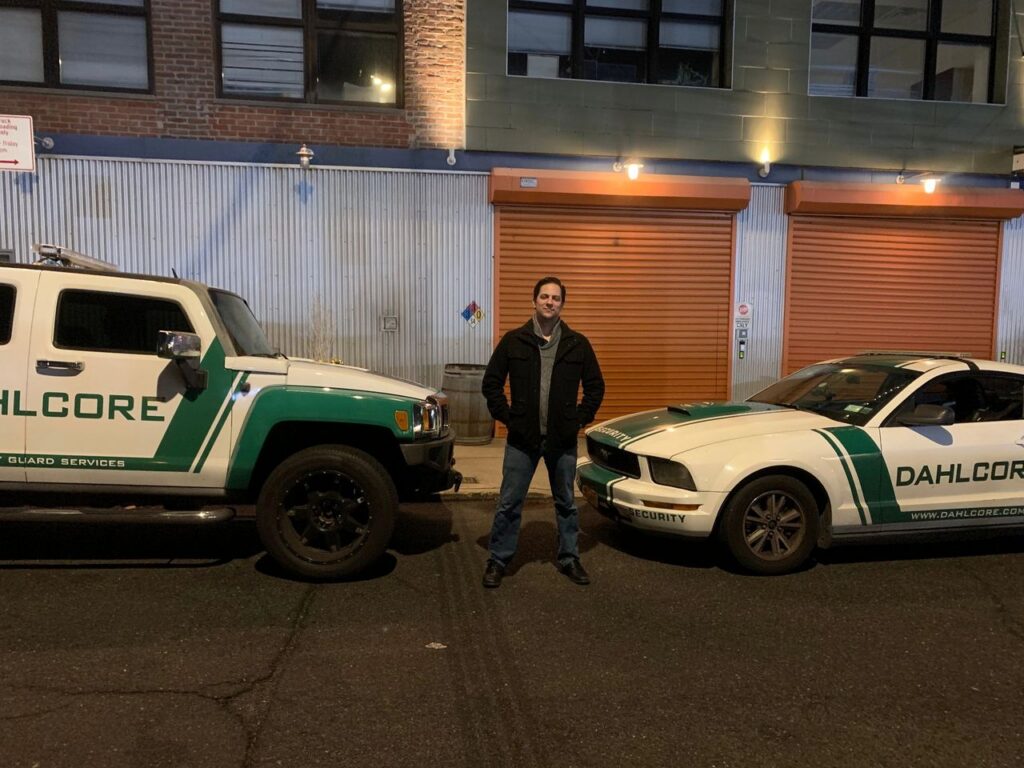
For small offices, retail shops, medical practices, or small residential buildings, “best” usually means a licensed NYC private security firm that offers flexible scheduling, responsive supervisors, and guards experienced with similar properties in the same borough. You might compare local providers like Dahlcore Security Guard Services and other NYC‑focused firms alongside larger brands, weighing licensing, reviews, response time, and ability to support both unarmed and armed coverage as your needs grow.
How much does a security guard cost per hour in NYC?
In New York City, unarmed security guards often earn around the high‑teens per hour in wages, but businesses typically pay significantly more per hour to cover supervision, benefits, insurance, and company overhead. For many commercial and event clients, this translates into billed ranges roughly in the 30–50 dollars per hour range for unarmed guards and 40–70+ dollars per hour for armed or higher‑risk posts, with exact pricing depending on risk, schedule, and contract length.
What licenses do NYC security guards need?
To work legally as a security guard in NYC, individuals must register with the New York State Department of State as a security guard, pass a background check and fingerprinting, and meet age and residency requirements. They must also complete the mandated 8‑hour pre‑assignment training course before being placed on duty and at least 16 hours of on‑the‑job training within 90 days, plus annual in‑service training to maintain their registration under the New York State Security Guard Act.
How do I compare security guard companies in New York City?
Start by confirming that each company is properly registered as a watch, guard, or patrol agency with the New York State Department of State and that its guards are individually licensed. Then compare proposals by services offered, industry experience (e.g., commercial building security in Manhattan vs Brooklyn event security), supervision model, technology and reporting, contract terms, and real‑world references from similar NYC clients.
What types of security guard services are most common in NYC?
Common services include commercial building lobby security, access control and visitor management, residential and condo security, hotel and hospitality security, construction site security, event and nightlife security, retail loss prevention, and VIP/executive protection. Many NYC security guard companies also provide mobile patrols, alarm response, and fire watch to meet city and insurance requirements.
Check other blogs
Innovative Security Technologies for Modern Construction Sites
How Access Controls, Alarm, CCTV, and Monitoring Shape Our Safety
Why Private Security Guards are a Necessity at the Beach
10 Shocking Facts About the Most Dangerous Part of New York City
