

High-rise buildings are iconic structures that dominate city skylines, offering numerous benefits such as space efficiency and stunning views. However, with these benefits come unique security challenges that necessitate specialized security services to ensure the safety of occupants and the protection of property.
Introduction
The importance of security in high-rise buildings cannot be overstated. These structures house numerous individuals and businesses, making them potential targets for various security threats. Ensuring robust security measures is vital to protecting residents, employees, and assets and maintaining a secure environment.
Understanding High-Rise Building Security
High-rise buildings are defined as structures that extend significantly above the average building height, typically requiring elevators for efficient vertical transportation. Due to their height, density of occupants, and complex infrastructure, these buildings face unique security challenges. Addressing these challenges requires a multifaceted approach to security.
Types of Security Services
High-rise building security encompasses various types of services, each designed to address specific threats and vulnerabilities.
Physical Security
Physical security encompasses a range of strategies aimed at preventing, detecting, and responding to unauthorized access or breaches in physical spaces. These strategies often involve the deployment of trained security personnel to monitor and control access points, the implementation of sophisticated access control systems such as keycards or biometric scanners, and the use of surveillance cameras to monitor activities in real time. By combining these measures, organizations can create robust defenses to safeguard their premises and assets from potential threats.
Electronic Security
Electronic security systems play a pivotal role in safeguarding premises by actively monitoring access points, detecting unauthorized entries through advanced motion detection technology, and promptly alerting relevant parties in real time to ensure timely responses.
This comprehensive category encompasses a variety of devices, such as alarm systems, which signal potential breaches, motion detectors that sense movement, and smart locks that offer enhanced control over access permissions. Collectively, these systems ensure robust security measures are in place. These systems not only deter intrusions but also provide a proactive defense mechanism against potential threats, bolstering overall safety and peace of mind for users.
Cybersecurity
As high-rise buildings incorporate more smart technologies, robust cybersecurity measures are imperative. Safeguarding the building’s network, sensitive data, and interconnected IoT devices is crucial for preventing potential cyber threats. This approach not only enhances the overall security of the building but also protects the privacy and safety of its occupants and stakeholders.

Physical Security Measures
Security Personnel
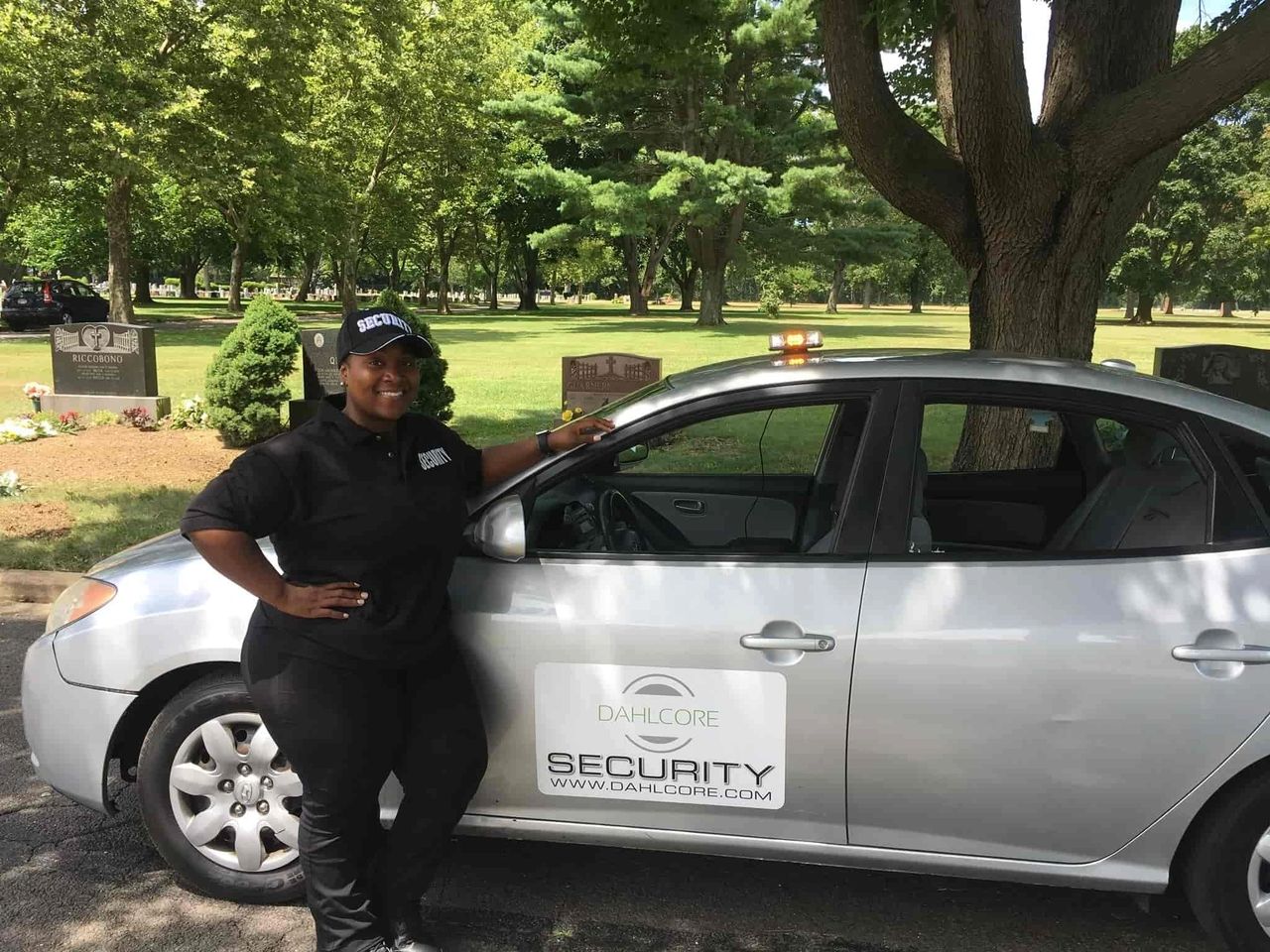
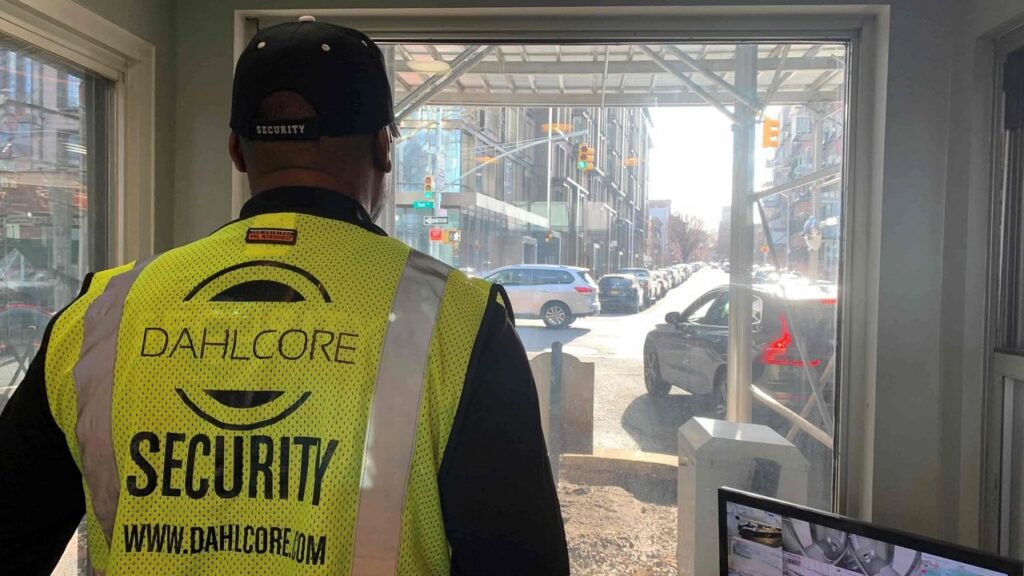
Trained security personnel are indispensable in maintaining robust physical security measures. They conduct regular patrols to monitor premises, oversee access points to enforce security protocols, and swiftly respond to any incidents that may arise, thus ensuring a vigilant and secure environment. Their proactive presence and quick responses are critical in deterring threats and maintaining the safety of the premises they protect.
Access Control Systems
Access control systems are pivotal in managing entry permissions to different sections of a building, ensuring only authorized individuals can access designated areas. They encompass a spectrum of technologies, from basic keycard mechanisms to cutting-edge biometric identification systems, each tailored to varying security needs and operational requirements. By employing these systems, organizations can enhance security measures effectively and streamline access management processes, safeguarding both physical assets and sensitive information.
Surveillance Cameras
CCTV cameras play a crucial role in maintaining security by continuously monitoring critical locations, thereby discouraging potential criminal behavior and assisting in the investigation of incidents when they occur. Their presence ensures a constant vigilance that enhances overall safety and security measures, providing valuable footage that can be reviewed and analyzed to understand and resolve any security breaches or incidents promptly. As a result, CCTV systems are integral components of comprehensive security strategies, offering both proactive deterrence and reactive support in maintaining a secure environment.
Electronic Security Systems
Alarm Systems
Alarm systems serve as crucial tools in safeguarding premises by promptly notifying security personnel of any unauthorized access or potential threats, enabling them to respond swiftly and effectively. These systems are designed to detect intrusions or disturbances, triggering immediate alerts that help mitigate risks and prevent potential security breaches. By integrating advanced sensors and monitoring technologies, alarm systems enhance overall security measures, ensuring proactive protection against various security challenges.
Motion Detectors
Motion detectors play a crucial role in bolstering security measures by swiftly detecting any movement within designated zones, promptly alerting security personnel, or activating surveillance systems as a precautionary measure. This technology effectively minimizes the risk of unauthorized access or intrusion by providing real-time alerts and enabling rapid response to potential threats. By leveraging motion detectors, security protocols can be significantly reinforced, ensuring heightened vigilance and safeguarding of sensitive areas.
Smart Locks
Smart locks leverage cutting-edge technology to provide sophisticated access control capabilities that enable remote management and real-time monitoring of access logs. These locks empower users to conveniently grant or revoke access permissions from anywhere, enhancing security and convenience in both residential and commercial settings. By integrating seamlessly with smart home systems, they offer users peace of mind and greater control over their property’s security.
Cybersecurity in High-Rise Buildings
Network Security
Protecting the building’s network infrastructure from cyber threats is paramount, ensuring that all aspects of security are meticulously addressed. This involves implementing robust measures such as securing Wi-Fi networks with strong passwords and encryption protocols, configuring firewalls to filter incoming and outgoing traffic effectively, and regularly updating software to patch vulnerabilities. By maintaining vigilance across these areas, the building can fortify its defenses against potential cyber-attacks, safeguarding sensitive data and ensuring uninterrupted operations.
Data Protection
Sensitive data, including resident information and building management systems, requires robust protection to prevent breaches and unauthorized access. Implementing stringent security measures such as encryption, access controls, and regular audits is essential to ensure data integrity and confidentiality. Organizations must also educate employees and stakeholders about the importance of data security to maintain a secure environment and comply with relevant regulations.
Role of IoT in Building Security
The Internet of Things (IoT) empowers smart devices to bolster security measures through enhanced connectivity and automation. However, this interconnectedness also exposes these devices to potential vulnerabilities, necessitating diligent management of security risks. Effective IoT security protocols are crucial to mitigate these new threats and ensure the integrity and privacy of data transmitted and processed by these devices.
Importance of Access Control
Types of Access Control Systems
Access control systems encompass a spectrum of security solutions, ranging from basic lock-and-key setups to advanced biometric technologies. These systems are designed to regulate entry into physical spaces, ensuring varying levels of security based on their complexity and implementation. While traditional methods rely on physical keys, modern solutions utilize biometrics such as fingerprints or facial recognition to authenticate access, enhancing both convenience and security.
Benefits of Access Control
Effective access control systems play a crucial role in ensuring that only authorized individuals can enter the premises, thereby mitigating the potential for theft or vandalism. By limiting access to designated personnel, these systems significantly bolster overall building security, providing peace of mind to occupants and administrators alike. Implementing robust access control measures helps maintain order and safety within facilities, fostering a secure environment conducive to productivity and asset protection.
Surveillance and Monitoring
CCTV Cameras
CCTV cameras play a crucial role in maintaining continuous surveillance and recording activities within buildings. Their presence not only acts as a deterrent against potential security breaches but also serves as a valuable tool for investigating incidents after they occur. By providing a constant monitoring capability, CCTV systems enhance overall security measures and assist in maintaining a safe environment for occupants and assets alike.

Remote Monitoring
Remote monitoring enables security personnel to supervise building security operations from a distance, ensuring continuous surveillance and swift response to any incidents. This capability enhances overall security by providing real-time oversight and proactive intervention, thereby safeguarding premises effectively even without physical presence on-site. Such remote monitoring systems utilize advanced technology to monitor various aspects of security, including surveillance cameras, access control systems, and alarms, contributing to a comprehensive security strategy.
Video Analytics
Advanced video analytics utilizes sophisticated algorithms to detect and analyze suspicious behavior, significantly boosting threat detection capabilities. This technology not only identifies potential security risks but also accelerates response times by alerting security personnel promptly. By leveraging machine learning and real-time processing, it enhances overall security effectiveness across various environments.
Emergency Response and Management
Fire Safety Measures
Due to their height and occupancy density, fire safety is crucial in high-rise buildings. Effective measures such as smoke detectors, fire alarms, and sprinkler systems are essential to promptly detect and suppress fires, minimize potential damage, and ensure the safety of occupants. These systems work together to provide early warning and rapid response, which is crucial in preventing the spread of fires and facilitating safe evacuation procedures.
Evacuation Procedures
Clear and practiced evacuation procedures are crucial because they establish a structured framework for safely managing emergency evacuations. They help mitigate chaos and confusion by providing clear instructions that everyone can follow swiftly and effectively. Without such procedures, there’s a higher risk of delays, accidents, and a breakdown in communication during critical moments.
Role of Security Personnel in Emergencies
Security personnel are essential in overseeing emergencies, offering crucial direction, and maintaining the security of everyone present. They provide critical support by implementing safety protocols, communicating effectively during crises, and coordinating with emergency responders. Their presence and preparedness are integral to safeguarding individuals and minimizing risks in various environments.
Technological Advancements in Security
AI and Machine Learning
Artificial Intelligence and machine learning technologies are pivotal in advancing security management by significantly bolstering threat detection capabilities. Through sophisticated algorithms and continuous learning, these technologies enable organizations to predict and preempt potential security breaches more effectively. By leveraging AI and machine learning, security professionals can proactively address vulnerabilities and optimize their response strategies, ultimately fortifying overall security measures.
Biometric Systems
Biometric systems, including technologies like fingerprint and facial recognition, provide robust security measures and enhance convenience in managing access control. These systems verify individuals based on unique biological traits, offering superior reliability compared to traditional methods like passwords or ID cards. By accurately identifying authorized personnel through biometric data, organizations can significantly bolster their security protocols while streamlining user authentication processes.
Integration of Security Systems
Integrating various security systems into a unified platform enables organizations to centralize monitoring, control access more effectively, and streamline incident response. This consolidation reduces complexity, enhancing operational efficiency by providing a cohesive view of security events and vulnerabilities. Ultimately, such integration fosters better coordination among security teams, optimizing resource allocation and strengthening overall defense against threats.

Role of Security Personnel
Training and Skills Required
Security personnel are extensively trained in handling diverse situations, such as emergency response, conflict resolution, and administering first aid. This training equips them with the necessary skills and knowledge to manage incidents effectively and ensure the safety of individuals and property under their protection. By undergoing rigorous training, security personnel are prepared to respond promptly and appropriately to any challenging scenario they may encounter in their duties.
Responsibilities of Security Guards
Security guards perform several key duties, including patrolling designated areas to ensure the safety of the premises, actively monitoring security systems to detect potential threats or breaches, and promptly responding to any incidents or emergencies that may arise. Their role is crucial in maintaining a secure environment by enforcing rules and regulations and deterring criminals.
Coordination with Law Enforcement
Effective security personnel play a crucial role by collaborating closely with local law enforcement agencies, enabling them to anticipate and effectively manage potential threats. This cooperation facilitates a rapid and coordinated response during emergencies, ensuring that incidents are contained and resolved promptly to maintain safety and security in the community. This partnership underscores the importance of proactive communication and preparedness in safeguarding public and private spaces from various security risks.
Challenges in Implementing Security
Cost Considerations
Implementing comprehensive security measures, despite their initial expense, is essential for safeguarding assets and personnel from potential threats. The long-term benefits of risk reduction and protection of valuable resources outweigh the upfront costs of security implementation. Therefore, organizations must prioritize security investments to mitigate vulnerabilities and maintain operational integrity.
Balancing Security and Privacy
Finding the right balance between robust security measures and respecting the privacy of occupants presents a significant challenge in various domains, from technology to urban planning. Implementing stringent security protocols often involves intrusive surveillance methods that may compromise individual privacy rights. Therefore, achieving an equilibrium where security measures are effective without excessively infringing on personal privacy requires thoughtful consideration and innovative approaches in policy-making and technology development.
Maintenance of Security Systems
Regular maintenance and updates are crucial for security systems to maintain their effectiveness and reliability over time. Without consistent attention, vulnerabilities can emerge that compromise their ability to protect against threats. By staying proactive with maintenance, organizations can mitigate risks and ensure their security systems operate at optimal levels.
Best Practices for High-Rise Building Security
Regular Security Audits
Regular security audits are crucial for identifying vulnerabilities within systems and networks. By conducting these audits, organizations can pinpoint weaknesses and promptly implement necessary improvements to bolster their security posture. This proactive approach not only enhances overall security but also minimizes the risk of potential breaches or cyberattacks.
Staff Training Programs
Ongoing training programs for security personnel and staff are essential for continually updating their skills and knowledge to effectively address new and evolving threats and technologies. These programs play a crucial role in maintaining a proactive and adaptive security posture within the organization.
Resident Awareness and Participation
Educating residents about security protocols, such as access control and emergency procedures, not only increases their awareness but also fosters a sense of responsibility among them, thereby significantly bolstering overall building security measures. Encouraging residents’ active participation through regular drills and feedback mechanisms further solidifies a proactive approach to maintaining a safe living environment.
Future Trends in High-Rise Building Security
Emerging Technologies
New technologies like drones and autonomous security robots are poised to fundamentally transform the landscape of high-rise building security by offering advanced surveillance capabilities and rapid response times, thereby enhancing overall safety and efficiency. These innovations promise to redefine traditional security measures by integrating cutting-edge technology to monitor and protect buildings more effectively than ever before.
Predictive Security Analytics
Predictive analytics harnesses historical data and statistical algorithms to forecast future security risks, enabling preemptive strategies to mitigate threats before they manifest. This proactive approach enhances organizational resilience by identifying vulnerabilities and implementing preemptive countermeasures based on predictive insights.
Evolving Threat Landscapes
As threats evolve, the strategies and technologies employed to counter them must also evolve, ensuring that security measures continually advance to meet new challenges. This iterative process of adaptation and enhancement is essential for maintaining effective defenses against evolving threats in today’s dynamic landscape.

FAQs
What are the primary security concerns for high-rise buildings?
Primary concerns include unauthorized access, theft, vandalism, and emergencies such as fires or natural disasters.
How does access control improve building security?
Access control systems restrict entry to authorized individuals, reducing the risk of unauthorized access and potential threats.
What role do security personnel play in high-rise buildings?
Security personnel patrol the premises, monitor security systems, respond to incidents, and coordinate with law enforcement during emergencies.
Why is cybersecurity critical in high-rise buildings?
Cybersecurity protects the building’s network and data from cyber threats, ensuring the integrity and confidentiality of sensitive information.
How do surveillance cameras enhance security?
Surveillance cameras deter criminal activity, provide real-time monitoring, and aid in investigations by recording events.
What are some emerging technologies in high-rise building security?
Merging technologies include AI, machine learning, biometric systems, drones, and autonomous security robots.
Conclusion
High-rise building security is a complex and ever-evolving field. By implementing comprehensive security services and staying abreast of technological advancements, building managers can ensure the safety and well-being of all occupants. The future of high-rise building security looks promising, with emerging technologies and innovative solutions paving the way for safer, more secure environments.
Check other blogs:
Top 11 Reasons to Become a Security Guard
Security Supervisor: Roles, Duties, and Responsibilities
