

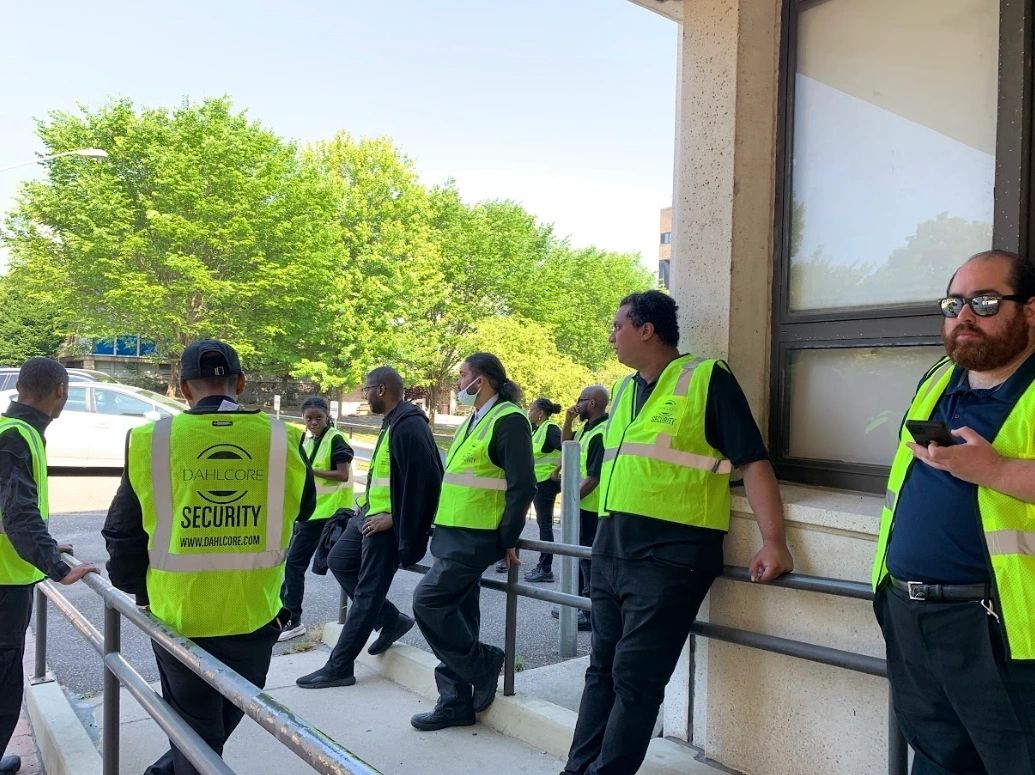
In the dynamic environment of hotel security, being prepared for various challenging situations is paramount. This article delves into the world of hotel guards, focusing on training and strategies to handle complex scenarios. It’s not just about enforcing rules; it’s about ensuring safety, managing crises, and maintaining the hotel’s reputation.
Understanding the Role of a Hotel Guard
The Balance between Hospitality and Security
Hotel guards are the unsung heroes of the hospitality industry. They strike a delicate balance between welcoming and ensuring security. They are responsible for creating a safe environment where guests can relax without worry. This dual role requires guards to be vigilant yet approachable, ready to switch from a friendly demeanor to a protective stance in a heartbeat.
Essential Skills and Responsibilities
A well-trained hotel guard must possess a range of skills, including excellent observational abilities, quick decision-making, and effective communication. Their responsibilities extend from patrolling the premises to managing access controls, monitoring surveillance systems, and responding promptly to any security breaches or emergencies.
Identifying Potential Threats in a Hotel Environment
Common Security Challenges
Hotels confront a multitude of security challenges, encompassing theft, vandalism, and the looming specter of more severe incidents like terrorism or natural disasters. Security personnel must be adept at recognizing and addressing the unique vulnerabilities inherent within their environment, such as managing access control for numerous entry points and ensuring the safety of guests during emergencies. To effectively mitigate these risks, guards require comprehensive training in crisis management protocols, surveillance techniques, and proactive threat assessment strategies.
Proactive Measures for Threat Identification
In the realm of hotel security, proactivity stands as a cornerstone for ensuring guest safety and property protection. Guards must undergo comprehensive training to adeptly identify subtle indicators of potential threats, such as unusual behavior or abandoned belongings, thereby preempting security breaches. Conducting routine security audits and thorough threat assessments allows hotel management to pinpoint vulnerabilities and implement effective measures to neutralize risks before they evolve into critical incidents, thus upholding the integrity and trust of the establishment.
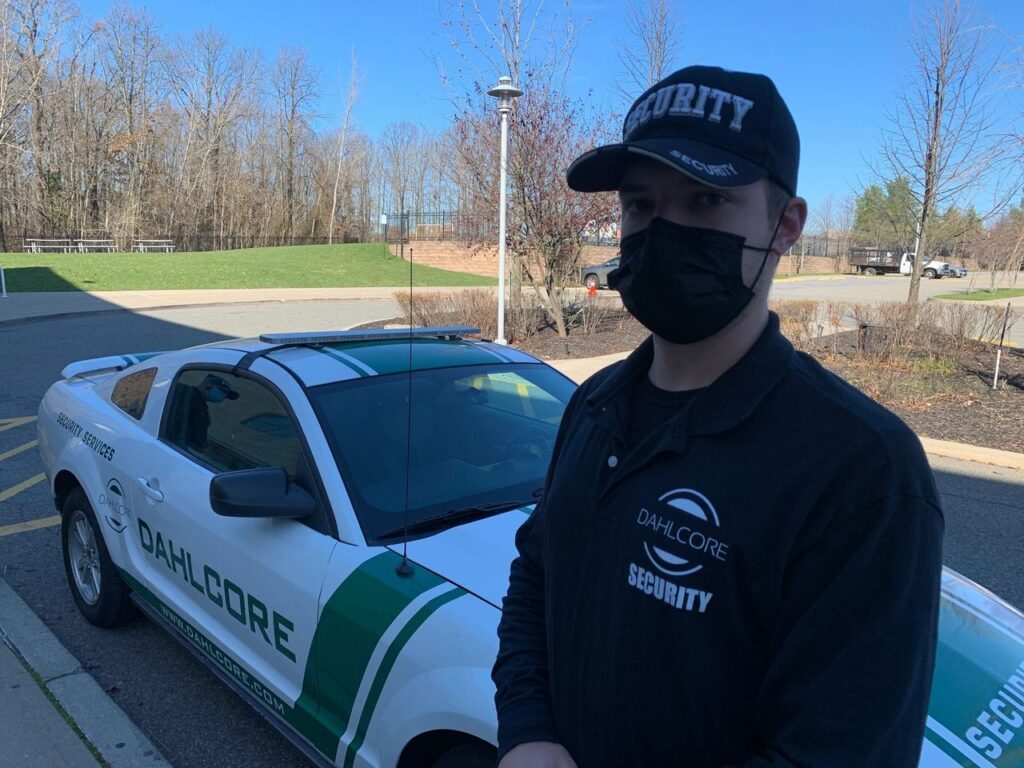
Practical Communication Skills for Crisis Management
Verbal and Non-verbal Communication Techniques
In crises, a guard’s communication style can be the difference between escalation and resolution. Beyond the words spoken, non-verbal cues, tone of voice, and body language carry immense weight in influencing the atmosphere of a situation. By adopting a calm demeanor, maintaining open body language, and using a reassuring tone, guards can effectively de-escalate tension and guide situations toward peaceful outcomes.
Building Rapport with Guests and Staff
Building a rapport with both guests and staff fosters a sense of trust and community within the hotel environment. When security guards are approachable and accessible, individuals feel more comfortable reporting any unusual or suspicious behavior they may observe. This proactive approach to security encourages timely intervention and enhances the overall safety and security of the hotel premises.
Physical Training and Defensive Tactics
Fitness Requirements and Defensive Techniques
Physical fitness is crucial for hotel guards as it enables them to respond effectively to security threats and emergencies. By being in good physical shape, they can quickly and confidently employ defensive tactics, such as restraint techniques, to protect the safety of both guests and staff while also possessing the necessary skills to judiciously apply non-lethal force when required, ensuring a secure and welcoming environment within the hotel premises.
Use of Non-lethal Weapons
The utilization of non-lethal weapons, such as pepper spray and tasers, plays a crucial role in enhancing security and minimizing potential harm in various situations. Proper training in their safe and lawful application is imperative, as it equips security personnel with the knowledge and skills necessary to protect themselves and others while also preventing the unnecessary escalation of violence.
Legal Aspects of Hotel Security
Understanding Local Laws and Regulations
Hotel security personnel must possess a comprehensive knowledge of the legal aspects inherent to their position to ensure the safety and well-being of guests and staff. This entails a thorough understanding of local laws governing privacy, the judicious use of force when necessary, and the proper procedures for detaining individuals.
Adhering to these legal guidelines can result in serious legal repercussions. Ignorance of the law is not a valid defense, and any improper actions can lead to legal consequences that may harm both the security personnel and the hotel’s reputation.
Legal Limitations and Liabilities
Hotel guards must comprehend the scope of their authority to effectively navigate legal complexities. This includes understanding protocols for handling evidence to ensure adherence to legal standards and avoiding potential liabilities. Additionally, being knowledgeable about laws regarding minors is essential for maintaining a safe and lawful environment within the hotel premises.
Technology in Enhancing Hotel Security
Surveillance and Access Control Systems
In today’s digital age, technology plays a pivotal role in hotel security. Surveillance cameras and access control systems act as vital tools in monitoring and controlling who enters and exits the premises. These technologies not only deter criminal activities but also provide valuable evidence in case of incidents.
Utilizing Modern Tech for Security
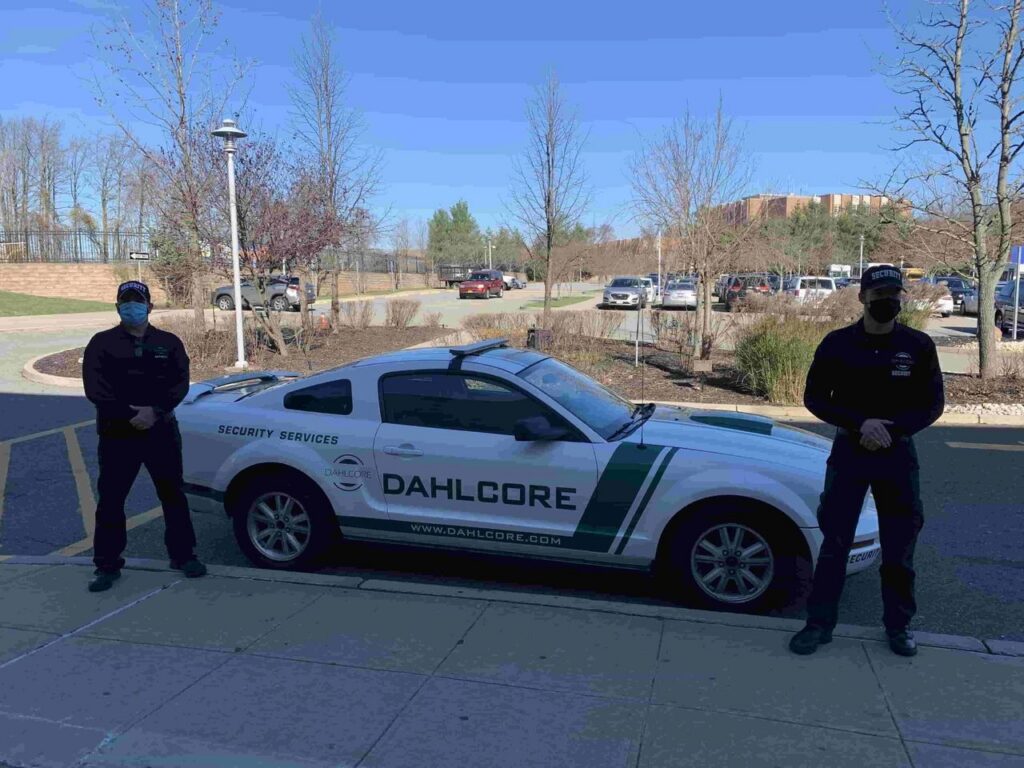
The integration of advanced technologies such as biometric scanners, motion detectors, and AI-powered surveillance systems can significantly enhance a hotel’s security measures. Training guards to proficiently use these technologies ensures a more robust security infrastructure.
Handling Difficult Guests and De-escalation Techniques
Strategies for Calming Agitated Individuals
Hotel guards often encounter demanding guests, and they need to undergo thorough training in de-escalation techniques to handle such situations effectively. This training not only involves acquiring a deep understanding of the psychology behind aggressive behavior but also learning how to employ diplomatic and verbal strategies to defuse potentially volatile situations, ensuring a safe and peaceful environment within the hotel premises.
When to Involve Law Enforcement
Hotel security personnel should undergo comprehensive training not only in identifying potential security threats but also in recognizing when a situation escalates beyond their capacity to manage effectively. This training should emphasize the importance of promptly and efficiently contacting law enforcement authorities to ensure the safety of guests, staff, and any other individuals present on the hotel premises.
Emergency Response and Evacuation Procedures
Planning for Natural Disasters and Fires
Emergency response training is of paramount importance for hotel security guards as it equips them with the necessary skills and knowledge to handle a wide range of critical situations effectively.
This comprehensive training encompasses mastering evacuation protocols and administering first aid, as well as the vital ability to liaise and coordinate seamlessly with local emergency services, ensuring the safety and well-being of hotel guests and staff during emergencies such as natural disasters and fires.
Coordinating with Emergency Services
In the event of an emergency, hotel guards play a crucial role as the initial point of contact for emergency services. Effective coordination and clear communication with these services are vital to ensure a swift and well-coordinated response that can ultimately lead to the successful resolution of the situation, safeguarding the lives and well-being of hotel guests and staff.
Cultural Sensitivity and Diversity Training
Respectful Interaction with Guests of All Backgrounds
Training guards in cultural sensitivity within hotels is paramount for creating an environment where guests feel respected and valued, regardless of their background. By understanding and respecting the customs, traditions, and norms of various cultures, guards can effectively navigate interactions with guests and address any potential misunderstandings or conflicts sensitively. This not only enhances the overall guest experience but also contributes to promoting inclusivity and diversity within the hospitality industry.
Overcoming Language Barriers
Language barriers can often hinder effective communication between individuals from different linguistic backgrounds. By providing training in basic phrases of multiple languages or utilizing translation devices, businesses and organizations can greatly enhance their ability to interact with guests from various parts of the world. This not only improves customer service but also fosters inclusivity and understanding in multicultural environments, ultimately leading to more positive and enriching experiences for everyone involved.
Mental Health and Stress Management for Guards
Recognizing Signs of Stress and Burnout
Working as a hotel guard often involves long hours, unpredictable situations, and high levels of responsibility, all of which can contribute to significant stress and potential burnout. Hotel management needs to recognize the signs of stress and burnout in their guards, such as increased irritability, decreased performance, and physical symptoms like headaches or insomnia. Implementing regular mental health check-ups and providing access to support resources can help mitigate these risks and ensure the well-being of the guards, ultimately promoting a healthier and more productive work environment.
Techniques for Mental Wellness
Hotel guards often face high-pressure situations that can lead to stress and burnout. Providing them with access to stress management resources and training, such as mindfulness techniques, relaxation exercises, and professional counseling, can significantly contribute to maintaining their mental health and well-being. By equipping guards with these tools, hotels can ensure that they are better equipped to handle challenging situations effectively, ultimately enhancing the safety and security of both guests and staff.
Customer Service and Hospitality Training
Balancing Security Duties with Guest Experience
Guards in hotels are not just security personnel; they are also part of the hospitality team. Training in customer service is essential to ensure that security measures stay within the guest experience. Guards should be skilled in providing assistance and information to guests, contributing positively to their overall experience.
Enhancing Guest Satisfaction
Guards play a pivotal role in shaping guests’ perceptions of a hotel through their interactions. By embodying traits of courtesy, helpfulness, and efficiency, guards not only ensure the safety and security of guests but also contribute positively to their overall experience. Through prompt and effective resolution of security-related concerns, guards can foster a sense of trust and comfort, thereby bolstering the hotel’s reputation and fostering guest loyalty.
Teamwork and Leadership in Hotel Security
Building Effective Security Teams
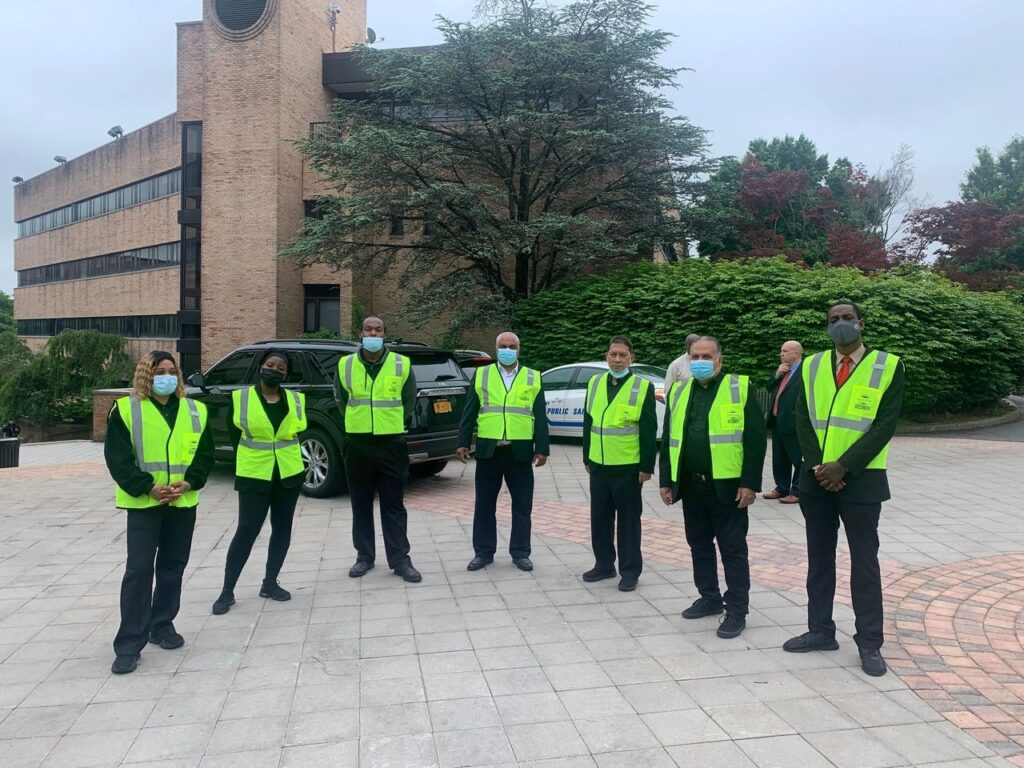
In the hotel industry, effective security hinges on seamless teamwork among guards. By fostering a culture of collaboration and communication, security teams can ensure comprehensive coverage of all hotel areas. Training programs that focus on team dynamics and collaborative strategies are vital for cultivating a unified and efficient security force capable of addressing any security challenges that may arise.
Leadership Skills for Security Heads
In leadership roles, strategic planning enables individuals to anticipate future challenges and opportunities, charting a course for organizational success. Effective decision-making ensures that leaders navigate uncertainties with clarity and purpose, fostering trust and stability within their teams. By motivating teams through inspiration and setting high standards of professionalism, leaders cultivate an environment of excellence where individuals are empowered to tackle challenges with confidence and resilience.
Ongoing Training and Skill Development
Keeping Up with Industry Trends
Regular training sessions for hotel guards are essential to keep them updated on the latest trends and threats in the evolving security landscape. By participating in these sessions, guards can acquire new skills and knowledge necessary to handle various situations that may arise within the hotel environment effectively. This proactive approach not only enhances the guards’ effectiveness in their roles but also ensures the safety and security of hotel guests and staff.
Importance of Regular Training Sessions
Continuous education plays a pivotal role in upholding stringent security standards by ensuring that security personnel remain well-versed in the latest advancements in security technologies, pertinent legal regulations, and enhanced operational protocols. Through regular training sessions, guards are equipped with the knowledge and skills necessary to adapt to evolving threats and effectively mitigate risks. This proactive approach not only enhances the effectiveness of security measures but also instills confidence in clients and stakeholders regarding the capability of the security team to address emerging challenges competently.
Frequently Asked Questions
What are the primary responsibilities of a hotel guard?
The primary responsibilities include ensuring the safety of guests and staff, monitoring security systems, responding to emergencies, and enforcing hotel policies.
How can hotel guards effectively manage agitated guests?
Effective management involves using de-escalation techniques, maintaining calm and respectful communication, and knowing when to involve higher authorities or law enforcement.
What role does technology play in hotel security?
Technology, such as surveillance cameras and access control systems, plays a crucial role in monitoring activities, deterring criminal actions, and providing evidence when needed.
How should hotel guards respond to emergencies like fires or natural disasters?
Guards should initiate and manage evacuation procedures, provide first aid if necessary, and coordinate with emergency services to ensure the safety of all guests and staff.
What is the importance of cultural sensitivity in hotel security?
Cultural sensitivity is vital for respectful interaction with guests from diverse backgrounds, ensuring a welcoming and inclusive environment for everyone.
How can hotel guards maintain their mental health under stress?
Maintaining mental health can be achieved through regular mental wellness programs, stress management techniques, and seeking professional help when necessary.
Conclusion
Training hotel guards to deal with difficult situations is an ongoing and multifaceted process. It encompasses a broad range of skills and knowledge, from physical and legal aspects to technological proficiency and emotional intelligence. By continually honing these skills, hotel guards can ensure a safe, secure, and welcoming environment for guests and staff alike, reinforcing the hotel’s reputation as a haven.
Check other blogs
Things to Consider Before You Hire Security Guard for House
Access Control in Commercial Security:Boosting Business Integrity
Comprehensive Guide: Retaining Employee Records After Termination
Check also our Hotel Security
