

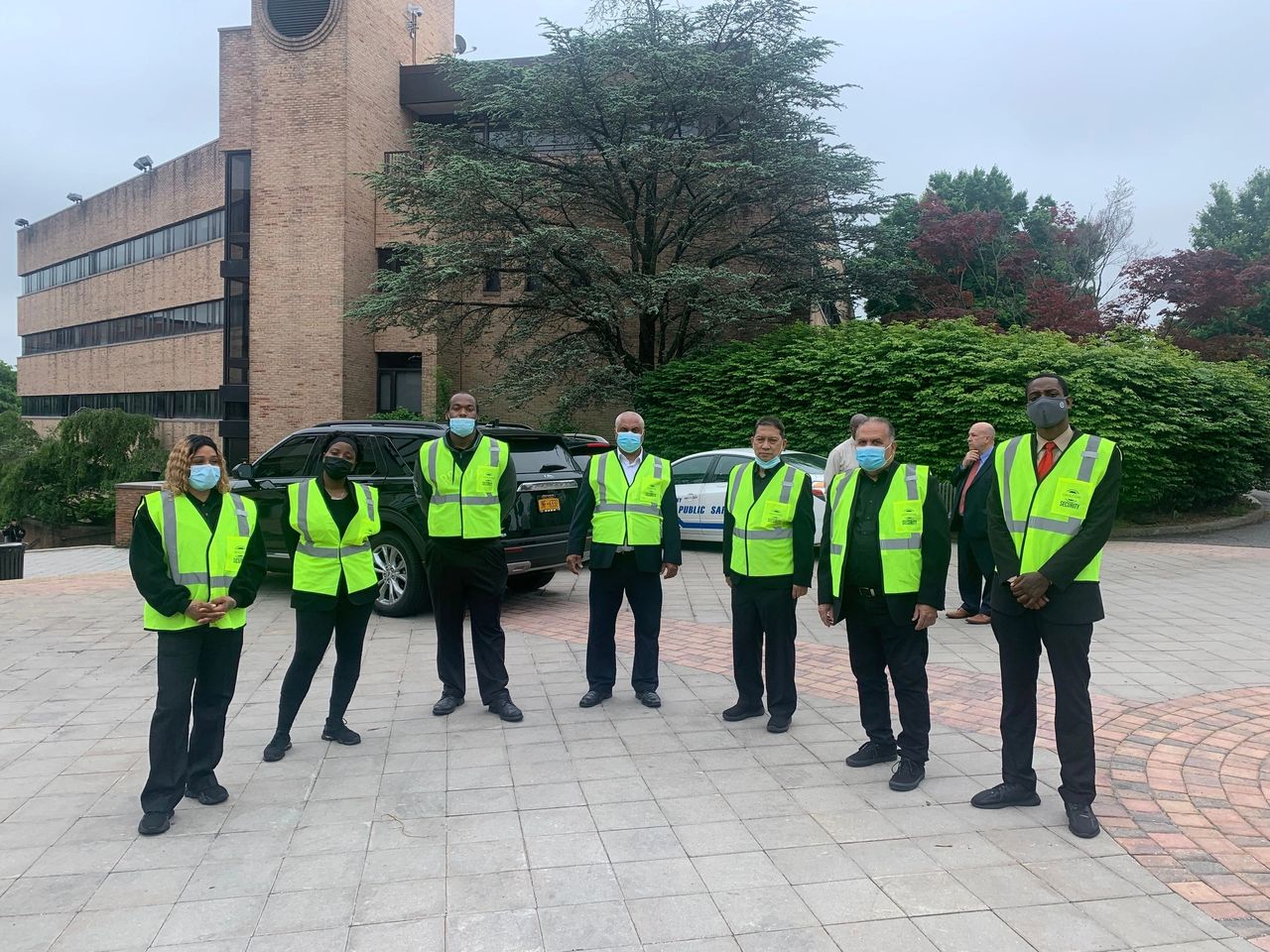
Security is a top priority for businesses and individuals alike, and choosing between unarmed and armed security guards is a critical decision that can significantly impact safety. The right type of security depends on several factors, including the nature of your business, the specific threat level you face, and your available budget. Unarmed guards are often suitable for environments with low to moderate risks, focusing on deterrence and customer service. In contrast, armed guards are necessary for high-risk situations where immediate protection may be required. This guide will explore the key differences between unarmed and armed security guards, providing insights to help you make an informed decision that aligns with your security needs.
Understanding Unarmed Security Guards
Unarmed security guards play an essential role in maintaining safety and order in various environments. These guards are often found in retail stores, hospitals, schools, and office buildings. Although they don’t carry firearms, they are well-trained in conflict resolution and de-escalation techniques, making them highly effective in preventing incidents without using force.
Roles and Responsibilities of Unarmed Security Guards
Unarmed guards are typically responsible for tasks such as monitoring surveillance systems, patrolling designated areas, controlling access to premises, and handling minor disturbances. They may also be the first point of contact in case of an emergency, alerting law enforcement or other authorities when necessary. Their presence deters potential criminals and offers the public a sense of security.
Training and Certification for Unarmed Security Guards
Unarmed security guards must undergo rigorous training programs that focus on situational awareness, communication skills, and customer service. Many jurisdictions require certification, which may include background checks, basic security training, and sometimes CPR or first aid courses. Their training emphasizes preventing incidents through observation and reporting rather than physical confrontation.
Advantages of Hiring Unarmed Security Guards
One of the major benefits of hiring unarmed security guards is cost-effectiveness. Since they don’t carry firearms, they require less specialized training and insurance, which makes them more affordable for businesses with limited security budgets. Additionally, their presence can make customers feel more comfortable, as unarmed guards are perceived as non-threatening and approachable.
Understanding Armed Security Guards
Armed security guards are specifically trained to handle high-risk situations that may involve violence or serious threats. These guards are typically employed in areas where the stakes are higher, such as banks, high-value retail stores, and government buildings. Their primary role is to protect property and individuals from dangerous threats that could escalate beyond the capabilities of an unarmed guard.
Roles and Responsibilities of Armed Security Guards
In addition to the duties of unarmed guards, armed security professionals are responsible for handling situations where the presence of a weapon may be necessary. They protect against armed robberies, violent attacks, and other critical incidents. Armed guards must maintain a high level of readiness and have the authority to use deadly force if needed.

Training and Certification for Armed Security Guards
Armed guards undergo more extensive training than their unarmed counterparts. They must be proficient in the safe handling and use of firearms, understand local laws regarding the use of force, and demonstrate excellent judgment under pressure. Licensing requirements for armed guards are often more stringent, involving detailed background checks, firearms certification, and psychological evaluations to ensure they are fit for the job.
Advantages of Hiring Armed Security Guards
The main advantage of hiring armed security guards is their ability to respond effectively to high-level threats. Their presence alone can act as a powerful deterrent to criminals. In high-risk environments, such as locations dealing with large amounts of cash or valuable assets, the added security that armed guards provide can prevent catastrophic losses.
Unarmed vs Armed Security Guards: What’s the Difference?
Unarmed and armed security guards serve the fundamental purpose of protecting assets and ensuring safety, but their roles, responsibilities, and equipment differ significantly based on their armament status.
Unarmed Security Guards are typically deployed in environments perceived as lower-risk, such as schools, shopping centers, and residential buildings. Their primary role is to provide a visible security presence, deter crime through their presence alone, and handle minor disturbances or conflicts. They are trained in conflict resolution, emergency response, and sometimes in providing customer service.
Armed Security Guards take on roles that involve higher risks, such as banks, cash transport, and high-stakes events. These guards are equipped to handle severe threats to security, including armed robbery and violent assaults. Their training includes firearm handling, tactical defense, and often law enforcement techniques. Due to the lethal nature of their equipment, they must also meet higher physical and psychological standards.
Here’s a breakdown of the environments typically suited to each type of guard:
- Unarmed Security Environments:
- Schools and universities
- Hospitals
- Shopping malls
- Residential complexes
- Armed Security Environments:
- Banks and financial institutions
- Governmental buildings
- Large-scale events or concerts
- High-crime areas
Choosing between unarmed and armed security guards depends on the specific security needs, the perceived level of threat, and the overall security strategy of the property or event being protected.

When to Choose Unarmed Security Guards
Suitable Industries for Unarmed Security
Unarmed security guards are well-suited for industries where the risk of violent crime is low. This includes retail stores, hospitals, corporate offices, and educational institutions. In these environments, the primary goal is to maintain a safe and welcoming atmosphere for customers, employees, or visitors.
Common Scenarios for Unarmed Guards
Unarmed guards excel in environments that require keen observation, timely reporting, and effective management of minor disturbances. For instance, in shopping malls, they actively monitor for suspicious behaviors, such as shoplifting, and can intervene or report incidents to maintain security. Similarly, in hospitals, their presence is vital for managing crowds, ensuring compliance with facility protocols, and maintaining a calm atmosphere in waiting areas.
When to Choose Armed Security Guards
Suitable Industries for Armed Security
Armed guards play a crucial role in industries with heightened risks of violence or theft, ensuring the safety of personnel and property. Sectors such as banking, armored car services, government buildings, and high-end retail environments often face threats that necessitate enhanced security measures. The visible presence of armed security not only deters potential criminals but also provides a rapid response capability to protect valuable assets and maintain a secure environment.
Common Scenarios for Armed Guards
Armed security guards are frequently utilized in high-stakes environments, including the protection of cash transfers, high-profile events, and facilities that terrorists may target. Their extensive training in weaponry, tactical maneuvers, and emergency response equips them to handle potential threats effectively. In these high-risk situations, their presence not only deters criminal activity but also ensures a rapid response to any incidents, thereby enhancing overall safety and security.
Legal Considerations for Armed Security Guards
Licensing Requirements for Armed Guards
Armed security guards must comply with rigorous licensing standards that differ depending on local laws and regulations. These requirements usually encompass comprehensive background checks to screen for criminal history, along with extensive firearms training to ensure proficiency and safety in handling weapons. Additionally, guards are often mandated to participate in ongoing education programs, which help them stay updated on legal regulations, safety protocols, and best practices for responsible weapon use.
Liability and Legal Risks
Hiring armed guards introduces significant liability risks for businesses, as they may be held accountable for any use of force by the guards they employ. In the event that an armed guard is involved in an incident requiring force, the business could face legal repercussions, including lawsuits or regulatory scrutiny. Therefore, companies must comprehend the legal implications of employing armed security personnel and ensure that these guards receive comprehensive training to minimize the risk of unnecessary force and protect both the company and its clients.

Insurance Requirements for Armed and Unarmed Security
Insurance Costs for Armed Security
Due to the heightened risks associated with armed security personnel, insurance companies often charge higher premiums for businesses that employ armed guards. These increased costs arise from the potential for liability claims and the need for more comprehensive coverage. As a result, companies must carefully consider this expense when developing their overall security budget to ensure they can adequately protect their assets and operations.
Insurance Costs for Unarmed Security
Insurance costs for unarmed security are generally lower due to the reduced risk associated with guards not carrying firearms, which decreases the potential liability for violent incidents. This makes unarmed security a more financially viable option for businesses that do not face significant security threats, as it minimizes both insurance premiums and overall operational costs. Additionally, the presence of unarmed security can still effectively deter crime and enhance safety without the complexities and expenses related to armed security measures.
What Do Unarmed Security Guards Carry?
Unarmed security guards are equipped with tools and devices that help them perform their duties effectively without the use of lethal force. Here is a list of typical equipment carried by unarmed guards:
- Communication Devices: Handheld radios or smartphones for quick communication with other security personnel and emergency services.
- Flashlights: Essential for patrolling poorly lit or night-time environments to navigate and identify individuals or hazards.
- Notebook and Pen: For taking notes about observed incidents or unusual activities that may need to be reported or followed up on.
- Security Baton: In some jurisdictions, unarmed guards are permitted to carry a baton as a means of self-defense and to gain compliance without lethal force.
- Pepper Spray: Also subject to local laws, pepper spray can be carried for self-defense to temporarily incapacitate a threatening individual.
- Personal Protective Equipment (PPE): Depending on the setting, this can include gloves, masks, and even body armor to protect against physical threats without involving weaponry.
- First Aid Kit: To provide immediate medical assistance in case of injury, which is crucial in maintaining safety until professional medical help arrives.
By utilizing these tools, unarmed security guards maintain order and safety, responding to various situations with non-lethal measures. This equipment helps them to perform their roles effectively while adhering to legal and organizational guidelines regarding force and engagement.
Safety Protocols for Unarmed Security Guards
De-escalation Tactics Used by Unarmed Guards
Unarmed security guards are specifically trained to employ effective communication and de-escalation techniques aimed at preventing potential conflicts from escalating into violent situations. By remaining calm and composed, they can actively listen to individuals’ concerns and complaints, fostering a sense of understanding and trust. Utilizing verbal persuasion and conflict resolution skills, these guards work diligently to find peaceful solutions to disputes, ensuring a safer environment for everyone involved.
Preventive Measures and Communication Skills
Unarmed guards utilize strong communication skills to foster positive relationships with both the public and staff, enabling them to identify and address potential issues proactively. By establishing trust and rapport, they create an environment where individuals feel comfortable reporting concerns, which can help prevent conflicts or safety incidents before they escalate. This approach is particularly effective in settings where safety relies on keen observation and diplomatic conflict resolution rather than the use of force.

Safety Protocols for Armed Security Guards
Use of Firearms and Weapon Safety
Armed security guards are required to adhere to stringent firearm safety protocols, which are designed to prevent accidental discharges and ensure that weapons are deployed only when absolutely necessary to protect life or property. To maintain a high level of readiness, these guards undergo regular training sessions and drills, which focus on various scenarios they may encounter, helping them refine their skills and decision-making abilities under pressure. This ongoing education not only enhances their proficiency in handling firearms but also reinforces their understanding of legal and ethical responsibilities associated with armed security.
Emergency Response Procedures
Armed guards undergo rigorous training to ensure they can respond swiftly and effectively to a variety of emergency scenarios, including robberies and active shooter incidents. This training equips them with the skills to assess threats accurately, enabling them to make informed decisions under pressure. By acting decisively in high-stress situations, armed guards play a vital role in minimizing potential harm and safeguarding the lives of individuals in their vicinity.
Impact of Armed and Unarmed Guards on Public Perception
Community Trust and Armed Guards
While armed guards may enhance security and deter potential threats, their presence can create an atmosphere of tension or discomfort among the public. This unease is particularly pronounced in environments such as shopping malls or schools, where individuals expect a welcoming and safe atmosphere. Therefore, it’s crucial to strike a balance between ensuring safety and maintaining a sense of comfort and trust within the community.
Public Perception of Unarmed Guards
Unarmed security guards are often perceived as friendlier and more accessible, fostering a sense of safety without causing fear or anxiety among patrons. This approachability is particularly beneficial in settings such as retail stores, hotels, and schools, where creating a welcoming environment is crucial for customer satisfaction and comfort. Additionally, their presence can encourage positive interactions with the public, enhancing the overall experience while still maintaining a level of security.
Armed vs Unarmed Guards for Small Businesses
Cost-Effective Options for Small Business Security
Small businesses frequently operate with constrained security budgets, which makes employing unarmed guards a more feasible choice for many. Nonetheless, in high-risk areas where the potential for theft or violence is elevated, the need for enhanced protection can justify the investment in armed security personnel. Ultimately, the decision between armed and unarmed guards should be based on a careful assessment of the specific risks and assets that need protection.
Risk Management for Small Business Owners
For small businesses, assessing the level of risk is essential when choosing between unarmed and armed security options. In low-risk areas, unarmed guards can effectively deter crime and maintain a safe environment without the intimidation factor of firearms. Conversely, businesses that operate in higher-risk contexts, particularly those handling cash or high-value merchandise, may benefit significantly from the added protection and presence of armed security personnel.

Armed vs. Unarmed Guards for Large Businesses
Tailored Security Solutions for Large Enterprises
Large enterprises often face intricate security challenges that necessitate a tailored approach, blending both armed and unarmed guards to mitigate risks effectively. In a corporate office setting, unarmed guards may be sufficient for routine monitoring and access control, ensuring a secure environment without escalating tensions. However, for facilities that handle sensitive or high-value assets, such as data centers and research laboratories, the presence of armed personnel becomes crucial to deter potential threats and respond to emergencies swiftly.
Security Strategies for High-Risk Environments
In high-risk industries, the presence of armed guards plays a crucial role in safeguarding valuable assets while also prioritizing the safety of both employees and customers. To bolster their security measures, large businesses frequently allocate significant resources toward implementing advanced security systems alongside hiring and training skilled personnel. This multifaceted approach not only enhances immediate security but also fosters a safer environment, ultimately promoting trust and confidence among stakeholders.
How to Choose the Right Security Guard for Your Needs
Assessing Your Business’s Threat Level
The first step in choosing the proper security solution is to assess the specific risks your business faces, which involves a thorough evaluation of both internal and external threats. Consider factors such as your location—are you situated in a high-crime area where theft or vandalism is prevalent? Additionally, take into account the nature of your business, including whether you handle valuable products or large sums of money, as this will guide your decision on whether unarmed or armed guards are necessary to ensure adequate protection.
Balancing Budget and Security Needs
While armed guards provide a robust level of security, their services often entail significant expenses that may only fit within some budgets. Therefore, it is crucial to assess your specific security requirements and evaluate the potential risks your organization faces. By striking a balance between the desired level of protection and the available financial resources, you can ensure that you are making a sound investment in security that meets your needs without unnecessary overspending.
Frequently Asked Questions
What are the key differences between unarmed and armed security guards?
Unarmed guards focus on preventing incidents through surveillance and de-escalation, while armed guards are trained to respond to high-risk situations that may involve violence or serious threats.
When should I hire armed security guards?
You should hire armed guards in high-risk environments, such as banks, high-end retail stores, or government facilities, where the presence of a weapon may be necessary for protection.
Are armed security guards more expensive?
Yes, armed guards generally cost more due to additional training, licensing, and insurance requirements.
Can unarmed security guards handle emergencies?
Unarmed security guards are trained to handle emergencies by alerting law enforcement or emergency services, but they are not equipped to respond to violent situations directly.
What kind of training do armed guards undergo?
Armed guards receive extensive training in firearms, the use of force, and emergency response procedures. They must also pass background checks and maintain ongoing certifications.
Is hiring armed guards worth the extra cost?
If your business faces significant risks, such as potential violence or theft, the additional cost of armed guards may be justified by the increased level of protection they provide.
Conclusion
Choosing between unarmed and armed security guards is a critical decision that hinges on your specific security needs, budget constraints, and the level of risk your business faces. Unarmed guards excel in environments where customer service and a welcoming atmosphere are prioritized, as they rely on observation and conflict de-escalation techniques. In contrast, armed guards are essential in high-risk areas where the potential for violence or theft is significant, offering a stronger deterrent against criminal activity. By thoroughly understanding the distinctions between the two options and carefully evaluating your security requirements, you can make an informed decision that effectively protects your business.
Check other blogs
Firearm Safety: 10 Rules for Safe Gun Handling
Unmonitored Home Security Systems: Affordable Safety Solutions
Security Surveillance & Guards: Effective Loss Prevention
Fire Cable Ratings and Fire Protection: A Comprehensive Guide
