


In today’s fast-paced world, security has become a crucial component of every sector, from corporate settings to public events. The role of security guards goes far beyond just a visible presence—they act as the first line of defense in safeguarding people, property, and information. Security guards and safety measures are intertwined, ensuring that both preventative and reactive protocols are in place to tackle potential threats. This article explores the diverse roles of security guards, essential safety practices, and how modern technology influences security operations.
Security Guards & Safety
Security guards play a crucial role in maintaining safety and order in various settings, such as malls, office buildings, and events. Their responsibilities are diverse and depend heavily on practical training and situational awareness. Here are key elements that contribute to the effectiveness and safety of security guards:
- Training: Security guards undergo rigorous training programs that include physical security, emergency response, surveillance techniques, and conflict resolution. This training ensures they are well-prepared to handle a variety of situations, from deterring crime to responding to emergencies.
- Vigilance: Guards must remain alert at all times to detect any suspicious activities or potential threats. Constant vigilance helps prevent incidents before they escalate.
- Communication: Effective communication skills are essential for security guards. They need to report incidents clearly, coordinate with law enforcement, and provide instructions or assistance to people in the area they are guarding.
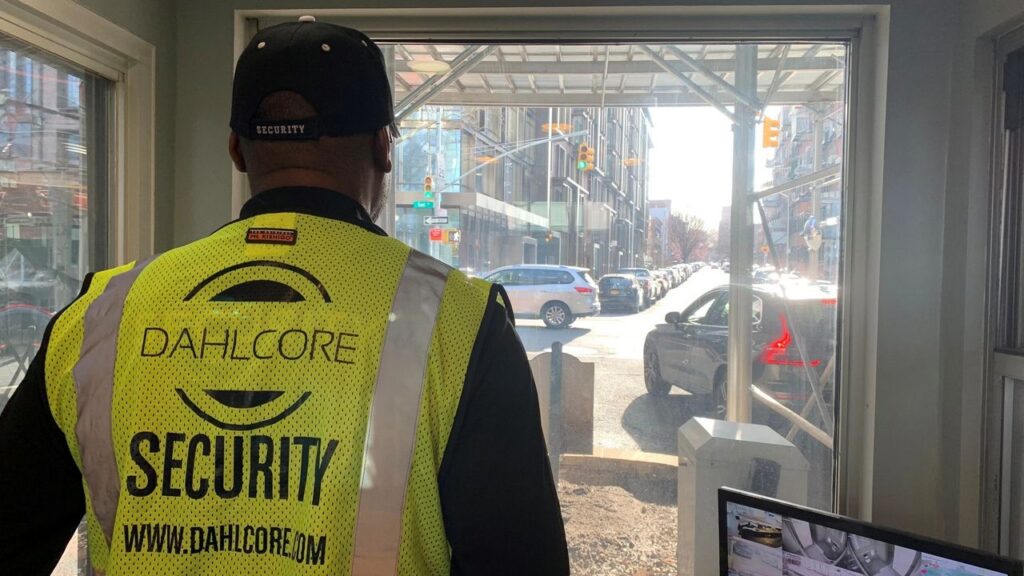
- Technology Use: Modern security guards are equipped with technology such as CCTV cameras, radios, and sometimes body cameras. These tools enhance their ability to monitor environments and communicate swiftly with other security personnel and emergency responders.
- Physical Presence: Security guards’ presence can deter criminal activities. Their ability to patrol and visually monitor an area is a critical aspect of their role.
By focusing on these areas, security guards play an indispensable role in preventing crime and ensuring public safety.
The Role of Security Guards in Ensuring Safety
Security guards perform a wide array of duties, from maintaining a secure environment to responding to incidents quickly and efficiently. Their main objective is to deter, detect, and respond to threats, making them a vital aspect of overall security measures.
Whether stationed at a corporate building or an event, security guards monitor activities, control access points, and, in some cases, manage crisis situations. Their ability to act decisively under pressure helps in preventing accidents and crimes, making them indispensable in maintaining a safe environment.
Types of Security Guards
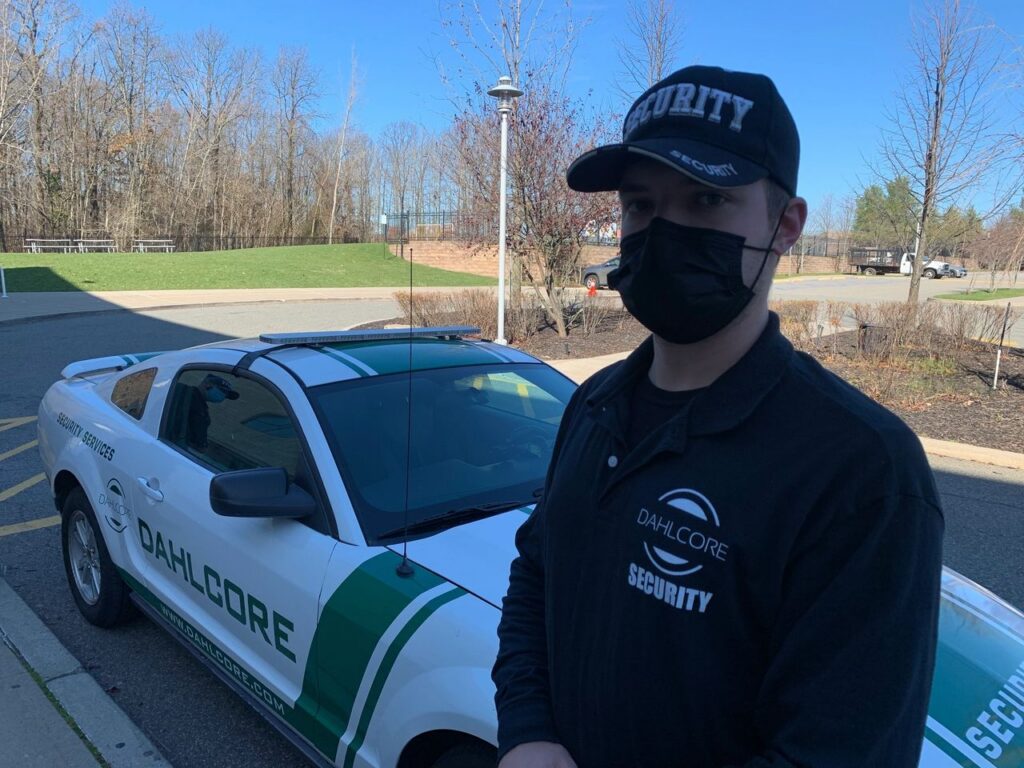
Security guards take different forms depending on the work environment. One key distinction is between armed and unarmed guards. Armed guards are typically employed in high-risk areas where the threat of violence is more significant. In contrast, unarmed guards are more common in retail settings, corporate offices, and residential complexes.
Additionally, specialized roles such as corporate security guards focus on protecting company assets and personnel, while event security personnel handle crowd control and ensure the safety of large groups during gatherings like concerts, festivals, or sports events.
Security Guards Protective Gear
The protective gear of security guards is designed to ensure their safety while they perform their duties. This gear may vary depending on the specific risks associated with their work environment. Here’s a list of common protective gear used by security guards:
- Body Armor: Often worn by guards in high-risk areas, body armor can protect against bullets and other weapons. The level of protection varies, with some vests designed to stop handgun bullets and others equipped to handle rifle rounds.
- Footwear: Durable, comfortable footwear is crucial for guards who must stand or walk for long periods. Shoes should also provide an excellent grip to handle quick movements during an emergency.
- Gloves: Protective gloves prevent cuts and abrasions, especially when handling potentially dangerous equipment or in the event of an altercation.
- Flashlights and Headlamps: These are essential for night shifts or low-light conditions, allowing guards to maintain visibility and awareness of their surroundings.
- Communication Devices: Earpieces, radios, and sometimes smartphones are used for quick and discreet communication with fellow security staff or emergency services.
- Rain Gear and Cold Weather Apparel: Weather-appropriate clothing ensures guards can perform effectively in all conditions, whether it’s rain, snow, or extreme temperatures.
This equipment not only protects the guards but also enhances their ability to respond effectively to security challenges, thereby maintaining a safe environment for everyone.
Essential Safety Measures for Security Guards
Training is paramount for security guards to perform their duties safely and effectively. In most regions, security guards must undergo training and certification programs that cover everything from emergency procedures to the ethical use of force.
Moreover, the use of technology in security operations is becoming more prevalent. Guards now rely on advanced surveillance tools like CCTV, drones, and even AI systems to improve their situational awareness and response times. Understanding their legal authority and the implications of their actions ensures that they operate within the bounds of the law while keeping everyone safe.

Workplace Safety Measures for Security Guards
A secure work environment also means that security guards must have access to the right equipment. Personal protective equipment (PPE) such as bulletproof vests, helmets, and gloves can significantly reduce the risk of injury, especially in high-risk areas.
Beyond physical gear, guards must be versed in emergency response planning. Clear protocols for handling medical incidents, fires, and even bomb threats are essential to minimize harm and ensure everyone’s safety.
Patrol Methods and Monitoring Techniques
Security guards monitor their assigned areas in various ways. Foot patrols allow for a close inspection of a specific location, while vehicle patrols cover larger areas efficiently. Monitoring technologies like CCTV, drones, and motion sensors also enhance surveillance.
Combining patrol methods with strategic surveillance ensures that potential threats are spotted early, allowing guards to take preventive action before a situation escalates.
The Importance of Communication in Security
Effective communication is at the heart of a well-functioning security team. Security guards must stay connected via radio communication systems to coordinate responses across different areas quickly. This is especially important during emergency situations where real-time communication can save lives.
Furthermore, maintaining accurate records by reporting incidents and maintaining logs ensures transparency and accountability in security operations.
Physical Security Measures
Security guards often work in tandem with physical security systems, such as access control systems, to prevent unauthorized entry. Tools like electronic key cards, security gates, and biometric scanners are common in high-security zones.
Additionally, CCTV and alarm systems serve as both deterrents and immediate alert systems, giving security personnel an extra layer of protection and awareness.
Cybersecurity Considerations for Security Guards
In our increasingly digital world, cybersecurity is also becoming a key responsibility for security guards. Protecting sensitive digital information and preventing cyber-attacks at physical locations, such as servers or data centers, is now part of the security paradigm.
Guards need to be aware of the protocols in place to safeguard digital assets and report any suspicious online activity or breaches to the relevant authorities.
Challenges Faced by Security Guards
Security guards often encounter difficult and stressful situations. Managing conflict and de-escalation are crucial skills for ensuring that potentially dangerous situations do not spiral out of control.
The long hours and constant vigilance required can also lead to psychological stress, making mental health awareness and support systems important for their well-being.

Training and Development for Security Guards
Given the changing landscape of security, continuous on-the-job training is essential to keep security personnel effective. Guards need to stay updated on the latest security technologies, protocols, and strategies to address the evolving nature of risks. Regular continued education allows them to adapt to new challenges, from cyber threats to physical vulnerabilities. This ongoing training ensures they remain vigilant, proactive, and prepared to handle any potential dangers.
Safety Protocols During Emergency Situations
Security guards are frequently the first to arrive during medical emergencies, making it essential for them to be trained in basic first aid and CPR. Their quick response can save lives while waiting for professional medical help. In addition to medical emergencies, security guards play a critical role in fire safety by managing orderly evacuations and ensuring that fire safety protocols are followed. They also serve as vital liaisons between the personnel and emergency services, helping to coordinate a swift and effective response during crises.
Security Guards and Customer Service
In addition to ensuring safety, security guards often represent the first point of contact for visitors and clients, making their role highly visible and influential. They must balance strict security protocols with customer service, creating a welcoming and safe environment for everyone. This requires a blend of professionalism, approachability, and clear communication skills to manage both security concerns and customer inquiries. By acting as a liaison between management and the public, security personnel help maintain order while enhancing the overall customer experience.
Technology’s Impact on Modern Security Guard Practices
Technology is reshaping the way security guards work, from drones to AI. Drones can cover vast areas quickly, while AI systems can analyze surveillance footage in real-time, alerting guards to anomalies or potential threats.
As technology continues to evolve, security guards’ roles will increasingly integrate with automated systems, making them more efficient and effective in their duties.
Legal and Ethical Responsibilities of Security Guards
Understanding the limits of authority is critical for security guards. While they play a key role in safety, they are not law enforcement and must be mindful of their legal boundaries. Overstepping these boundaries can lead to legal consequences and breaches of trust with the public.
Important ethical considerations also exist, particularly regarding surveillance and the use of force. Ensuring that guards act with integrity and respect for people’s privacy is essential for maintaining trust and accountability.
Evaluating the Effectiveness of Security Measures
Lastly, it’s crucial to regularly assess the effectiveness of security measures to ensure ongoing protection. By conducting security audits, organizations can thoroughly evaluate existing protocols and uncover potential gaps or vulnerabilities. These audits provide critical insights that enable informed decisions on necessary adjustments to enhance security. Regular evaluations not only improve overall safety but also help maintain compliance with industry standards and evolving threats.
FAQs
What are the primary responsibilities of a security guard?
A security guard’s primary duties include monitoring premises, controlling access, and responding to incidents or emergencies. They help prevent crimes by providing a visible deterrent and ensuring a safe environment for people and property.
How do security guards handle emergency situations?
In emergencies, security guards follow pre-established protocols, such as contacting law enforcement or medical services and guiding people to safety. They are trained to stay calm under pressure and manage situations effectively until further help arrives.
What are the legal limits of a security guard’s authority?
Security guards can observe, report, and detain individuals when necessary but are not law enforcement officers. They cannot arrest or use force beyond what is legally allowed. Their authority typically extends only to the property they are protecting.
How has technology changed the role of security guards?
Technology like CCTV, drones, and AI-powered surveillance tools have enhanced a security guard’s ability to monitor large areas and detect threats more effectively. It allows guards to respond more efficiently and makes their work more data-driven.
What types of training are required for security guards?
Most regions require security guards to complete formal training programs covering basic safety, emergency response, communication skills, and legal regulations. Continuous education on new technologies and security strategies is also essential for staying up-to-date.
How can security guards balance safety and customer service?
Security guards must maintain a professional, approachable demeanor while enforcing rules and ensuring safety. Strong communication skills help them interact with customers in a respectful and firm manner.
Conclusion: Enhancing Security through Vigilance and Preparedness
Security guards play a crucial role in maintaining the safety and security of modern society. Equipped with the proper training, tools, and mindset, they are able to adapt to various environments and evolving threats, ensuring comprehensive protection. Their constant vigilance helps to deter potential incidents, making them the first line of defense against security breaches. In doing so, they safeguard not only people and property but also sensitive information, contributing to a secure and stable environment.
Check other blogs
Reliable Fire Watch: Key Factors for Choosing a Guard Company
Maritime Security Contractor: Safeguarding Our Oceans
Ensuring Safety and Privacy via Security-Based Access Control
