

Updated Date: October 7, 2025
What is the Graveyard Shift?
The graveyard shift refers to work shifts that occur during the nighttime, often running from midnight to the early morning hours, such as from 12:00 a.m. to 8:00 a.m. While it’s a staple in industries that require 24/7 operations, like healthcare, security, and transportation, it comes with unique benefits and challenges. In this guide, we’ll explore everything you need to know about the graveyard shift: what it is, which industries use it, the pros and cons, and essential tips to thrive if you find yourself working this late-night shift.
Why Are Night Shifts Called Graveyard Shifts?
The term graveyard shift likely derives from the quiet, eerie, and somewhat ominous atmosphere associated with working during the late-night hours. Historically, shifts at night were seen as somewhat lonely and even dangerous, much like graveyards are perceived. It’s a time when most of the world sleeps, leaving workers to monitor areas with little support or attention.
This symbolism carries over today, where night shift work is often associated with higher levels of isolation and fatigue.
Common Industries That Use the Graveyard Shift
Healthcare
Healthcare workers, including nurses, doctors, and hospital staff, often work graveyard shifts to ensure 24/7 patient care. Emergency rooms and intensive care units require round-the-clock monitoring, making night shifts an essential part of the healthcare system.
Security
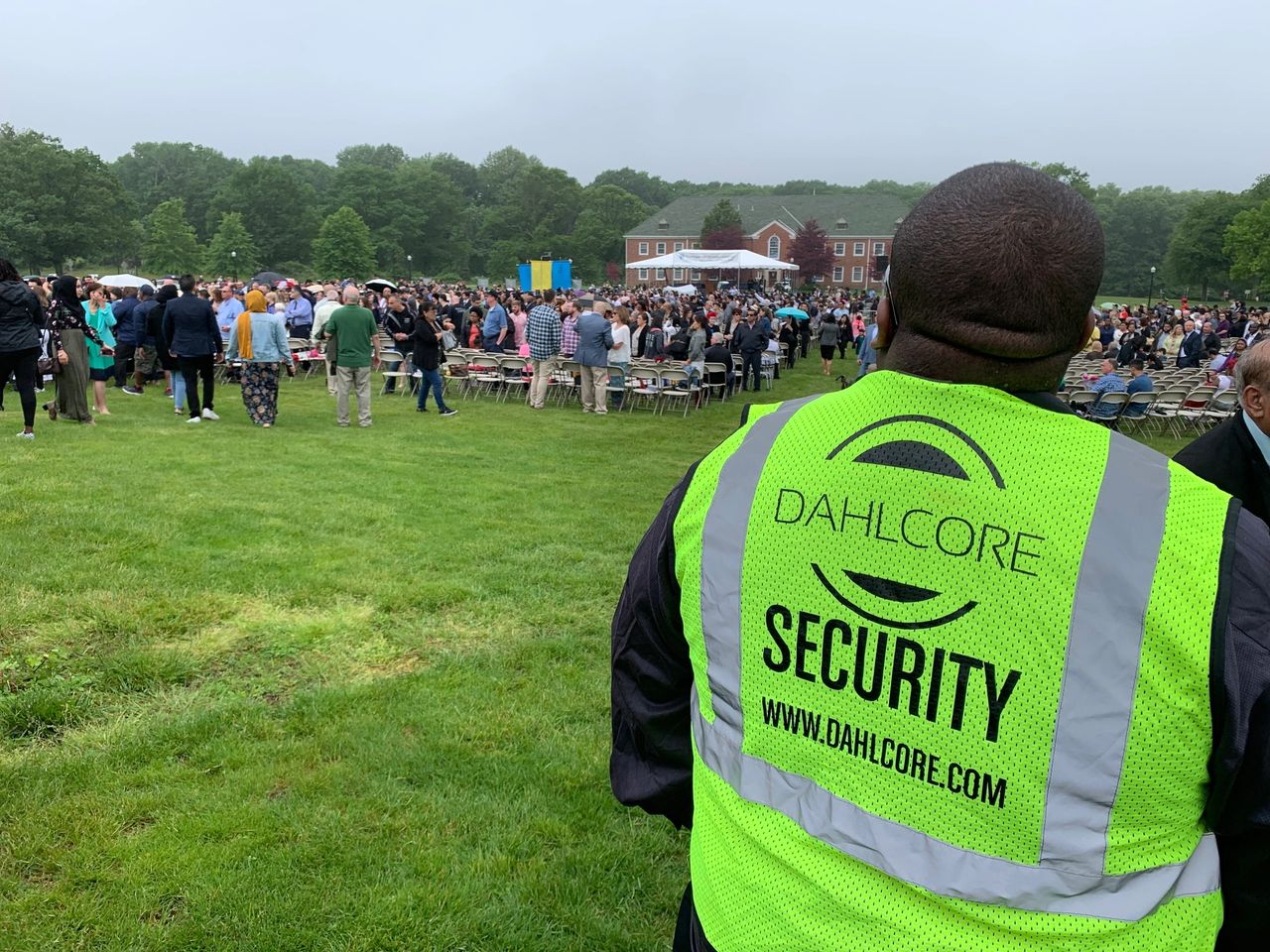
Security guards, particularly those working in large buildings, warehouses, or residential areas, often work graveyard shifts to monitor activity and ensure the safety of the premises. Security during nighttime hours is crucial as fewer people are around.
Transportation
Night shifts are critical in the transportation industry, especially for truck drivers, public transit workers, and airport personnel. For truckers, the graveyard shift provides fewer traffic delays and quicker delivery times.
Retail & Customer Service
Many retail stores and 24-hour service centers (such as supermarkets or customer support centers) need employees to work graveyard shifts to serve customers at night.
Why Do Employers Use the Graveyard Shift?
- 24/7 Operations: Certain industries, such as healthcare and security, need to function around the clock to serve people who require assistance at any hour of the day or night.
- Cost Efficiency: Graveyard shifts can save businesses money. For example, manufacturing plants may run more efficiently and save costs by utilizing fewer workers at night while still keeping operations running smoothly.
- Global Business: Companies with international clients may require staff to work graveyard shifts to accommodate different time zones.

Pros of Working the Graveyard Shift
Financial Benefits
- Higher Pay: One of the biggest advantages of working the graveyard shift is the shift differential, or extra pay for working during off-hours. Employers often offer higher wages to compensate for the inconvenience of working during the night.
- Overtime Opportunities: Working night shifts can sometimes lead to overtime opportunities, further boosting your income.
- Cost Savings: Since the graveyard shift allows for more free daytime hours, many workers can save money on commuting and childcare, which can make a significant financial difference.
Less Traffic and Crowds
- Faster Commute: For workers who need to commute, graveyard shifts often mean less traffic, allowing for quicker and less stressful travel to and from work.
- Fewer Distractions: The workplace is generally quieter at night. With fewer people around, you can focus more on tasks and avoid the distractions of a typical busy workday.
Flexibility for Personal Activities
- Free Daytime Hours: If you’re a night owl, working the graveyard shift offers the benefit of having your days free for personal activities. Whether it’s running errands, exercising, or pursuing hobbies, having free time during the day can provide great flexibility.
- Pursue Education or Side Gigs: Some workers use their daytime hours to take classes, work on side projects, or develop additional skills, making the graveyard shift an excellent opportunity for personal growth.
Calm Working Environment
- Reduced Workplace Noise: With fewer people around, the workplace environment can be peaceful and calm. For roles that require deep concentration, such as security, this quiet atmosphere can be a bonus.
- Focus: Without the constant buzz of a typical office environment, many workers find that their productivity improves during night shifts, as they can focus more on their tasks without interruption.
Cons of Working the Graveyard Shift
Disruption of Sleep Cycle
- Health Risks: Working the graveyard shift can significantly disrupt your natural circadian rhythm. This misalignment between your internal body clock and your work hours can lead to insomnia, poor sleep quality, and an overall decrease in energy.
- Difficulty Adjusting: The adjustment period can be long and tough, as your body may struggle to adapt to a nocturnal schedule, especially if you’re used to working during the day.
Health Implications
- Increased Risk of Chronic Diseases: Night shift workers are at an increased risk of heart disease, obesity, and diabetes due to irregular sleep patterns and poor eating habits. This can lead to long-term health problems if not managed properly.
- Weakened Immune System: Working at night can affect your immune system, making you more susceptible to illnesses.
Social Isolation
- Missing Social Events: The graveyard shift can cause workers to miss family events, social gatherings, and community activities, as most of these take place during the day when you’ll be sleeping.
- Loneliness: Since night shift workers tend to work alone or with a small team, there can be a sense of isolation. This can lead to feelings of loneliness, especially if you’re not able to interact with others during your free time.
Safety Concerns
- Higher Risks of Crime or Accidents: Security workers and others in roles requiring physical presence at night might face a higher risk of encountering dangerous situations. In many cases, graveyard shifts take place in isolated environments where there are fewer people around to offer help if needed.
- Fatigue: Working long hours at night increases the risk of fatigue, which can lead to accidents on the job. This is particularly concerning in industries that require physical labor or constant vigilance.

Tips for Surviving the Graveyard Shift
Manage Your Sleep Schedule
- Consistency: Stick to a consistent sleep schedule to reduce fatigue and regulate your internal clock. Maintaining the same routine even on days off helps your body adjust more smoothly to night work.
- Create a Sleep-Friendly Environment: Invest in blackout curtains and white noise machines to block out daylight and external noise. A dark, quiet, and cool room signals your body that it’s time to rest, even during daytime hours.
Stay Healthy
- Exercise: Regular physical activity improves circulation, reduces stress, and combats the sluggishness common in night shifts. Even light exercise, like walking or stretching, can help increase alertness and mood.
- Eat Well: Avoid heavy, greasy meals before or during your shift, as they can cause drowsiness and digestive discomfort. Instead, choose light, nutrient-rich foods that keep energy stable throughout the night.
Stay Social
- Keep in Touch: Make time to connect with friends or family during your off-hours to maintain strong relationships. Social interaction prevents isolation, which can be common when working non-traditional hours.
- Join Online Communities: Online forums and groups for night shift workers provide a space to share tips and encouragement. Being part of a community helps you feel understood and less alone in your schedule.
Use Technology to Your Advantage
- Productivity Apps: Use apps to organize your tasks, manage your time, and stay focused during long hours. Digital reminders and planners can help reduce stress and prevent missed responsibilities.
- Relaxation Tools: Relaxation or meditation apps can ease the transition from work mode to rest mode after a shift. Guided breathing, sleep sounds, or mindfulness tools improve the quality of daytime sleep.
The Graveyard Shift and Mental Health
Working the graveyard shift can take a toll on mental health. The combination of disrupted sleep, loneliness, and fatigue can contribute to mental fatigue, burnout, and even depression. Mental health support is crucial, so make time for self-care, social interactions, and relaxation. Therapy, mindfulness techniques, and keeping a healthy work-life balance can all help alleviate the psychological effects of working at night.
How to Adjust to the Graveyard Shift Effectively
- Gradual Transition: If possible, start adjusting your bedtime and wake-up schedule little by little before beginning your night shift. This gradual shift helps minimize shock to your body and makes the transition smoother.
- Consistency is Key: Once you’re working the graveyard shift, stick to the same sleep and wake times—even on days off. A consistent routine helps regulate your internal clock and improves overall energy levels.
- Be Patient: Adjusting to overnight hours doesn’t happen instantly, and it may take a few weeks before you feel fully comfortable. Give yourself grace during this period and focus on building healthy habits to support your new schedule.

Conclusion: Is the Graveyard Shift Right for You?
The graveyard shift offers a range of benefits, including higher pay, more free time during the day, and a quieter work environment. However, it also comes with challenges like disrupted sleep cycles, health risks, and social isolation. Ultimately, the decision to work a graveyard shift depends on your personal preferences, health, and lifestyle.
By following the tips in this guide, you can manage the challenges of the graveyard shift and make it a successful part of your career.
FAQ Section
How can I get enough sleep while working the graveyard shift?
Create a sleep-friendly environment, stick to a consistent sleep schedule, and avoid caffeine or heavy meals before bed.
Does working the graveyard shift affect your long-term health?
Long-term night shifts can lead to health problems like heart disease, obesity, and diabetes if not managed properly. Regular exercise and good nutrition can help mitigate some of these risks.
What industries require graveyard shifts?
Healthcare, security, transportation, retail, and customer service industries commonly require graveyard shifts.
Can I work a graveyard shift and maintain a healthy lifestyle?
Yes, with proper sleep management, nutrition, and exercise, it’s possible to stay healthy while working the graveyard shift.
Check other blogs:
Effective Communication and Coordination During Fires
Difference Between Protesters and Rioters
Security Guards’ Authority for Searching Individuals and Vehicles
How to Become a Personal Protection Officer (PPO): Step-by-Step
