

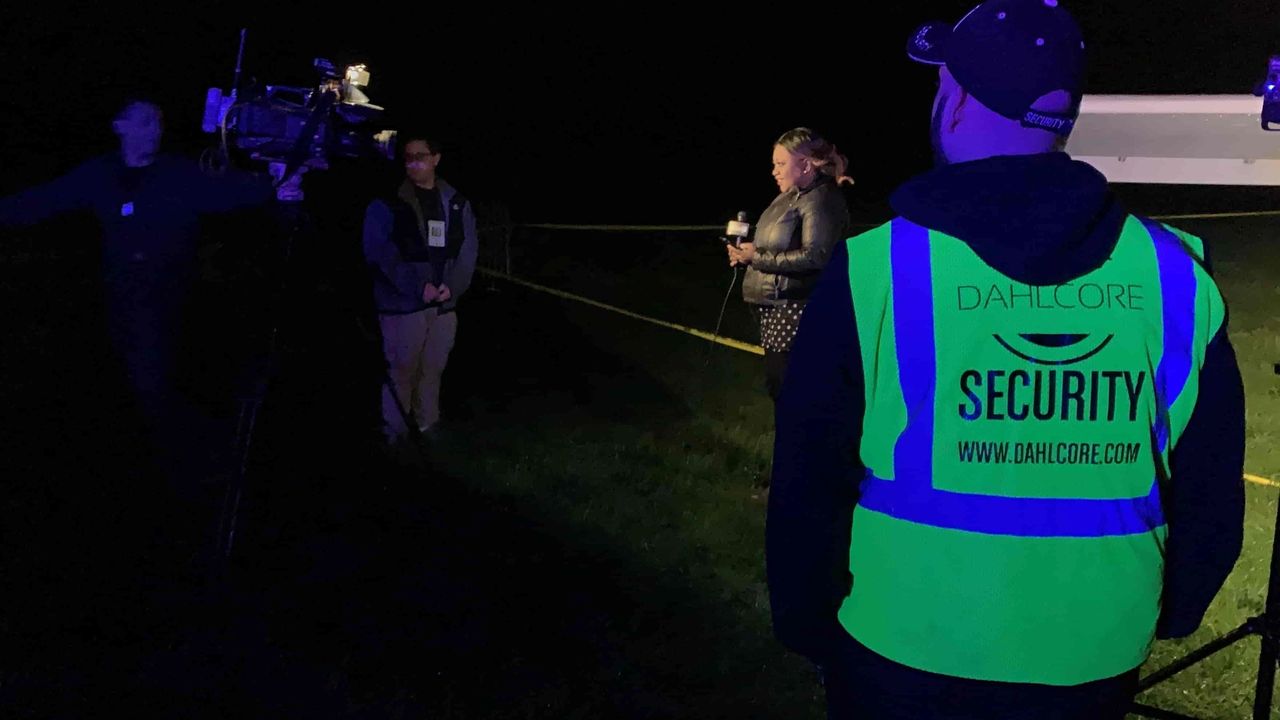
Nighttime at construction sites presents a unique set of challenges and risks. The absence of natural light and reduced human activity can make these areas prime targets for theft, vandalism, and unauthorized access. This article delves into comprehensive strategies and modern solutions to enhance security measures during the vulnerable night hours, ensuring a safer environment for construction assets and personnel.
Enhancing Nighttime Security at Construction Sites
Enhancing nighttime security at construction sites is about more than just installing more lights or locks. It’s a multifaceted approach involving strategic planning, technological integration, and community involvement. By assessing risks, employing advanced surveillance, and fostering a culture of vigilance, construction sites can become less attractive targets for criminal activities.
Understanding the Risks
Potential threats to construction sites at night:
Construction sites face various threats after dark, including theft, vandalism, and unauthorized entry. Typical targets include expensive machinery, construction materials, and tools. The lack of visibility and reduced human activity make these sites more vulnerable to intruders. Additionally, the presence of unfinished structures and unsecured building materials can attract trespassers and lead to potential accidents or property damage.
Impact of security breaches on construction projects:
Security breaches can significantly impact construction projects. They can lead to delays in project timelines, increased costs due to theft or damage, and higher insurance premiums. Moreover, such incidents can damage the reputation of construction firms and erode client trust. The loss of sensitive information, such as building plans or client data, can also have long-term consequences.
Analysis of common vulnerabilities during nighttime hours:
Nighttime exposes construction sites to additional risks due to reduced visibility and the absence of workers. Common vulnerabilities include inadequately secured perimeters, lack of proper lighting, and insufficient surveillance measures. These gaps provide easy access for intruders and can lead to increased instances of theft or vandalism. Additionally, the absence of a robust response mechanism to incidents during off-hours can exacerbate the situation.

Lighting Solutions
Adequate lighting serves as a cornerstone for nighttime security by not only deterring potential intruders but also bolstering the effectiveness of surveillance systems. LED floodlights offer powerful illumination, effectively banishing dark corners and reducing potential hiding spots. Additionally, motion-activated lights provide a dynamic approach, instantly illuminating areas of activity, further enhancing the security perimeter and deterring unwanted trespassers.
Surveillance Systems
The integration of surveillance technology like CCTV and thermal imaging cameras offers construction sites significant advantages in nighttime security, bolstering safety and deterring potential intruders. These systems can be seamlessly integrated with mobile monitoring platforms, enabling real-time alerts and remote access to footage for immediate response to any security breaches. To ensure optimal functionality, construction sites must follow best practices in installation and maintenance, including strategic camera placement, regular equipment checks, and updates to software for enhanced performance and security measures.
Access Control
Secure fences, gates, and turnstiles serve as crucial physical barriers, deterring unauthorized access to a site and enhancing its overall security posture. By establishing clear boundaries and entry points, these elements create a controlled environment, minimizing the risk of intrusions or security breaches, particularly during non-operational hours. Integrating advanced technologies such as biometric readers and electronic keycards adds layers of authentication, ensuring that only authorized personnel with proper credentials can gain entry, thus bolstering the effectiveness of access control systems.
Current Security Measures
Overview of existing security protocols:
Current security measures for construction sites typically include physical barriers, such as fences and locks, along with surveillance systems like CCTV cameras. Many sites also employ security personnel to conduct regular patrols and monitor surveillance feeds. Warning signs and lighting are used to deter trespassers, and access to the site is often restricted to authorized personnel only.
Evaluation of strengths and weaknesses in current systems:
While existing measures provide a basic level of security, they often need to catch up in several areas. Physical barriers can be breached, surveillance systems may have blind spots or be ineffective without monitoring, and security personnel cannot cover all areas at all times. Additionally, the reliance on manual processes and lack of integration between different security components can lead to gaps in coverage.
Identification of areas for improvement:
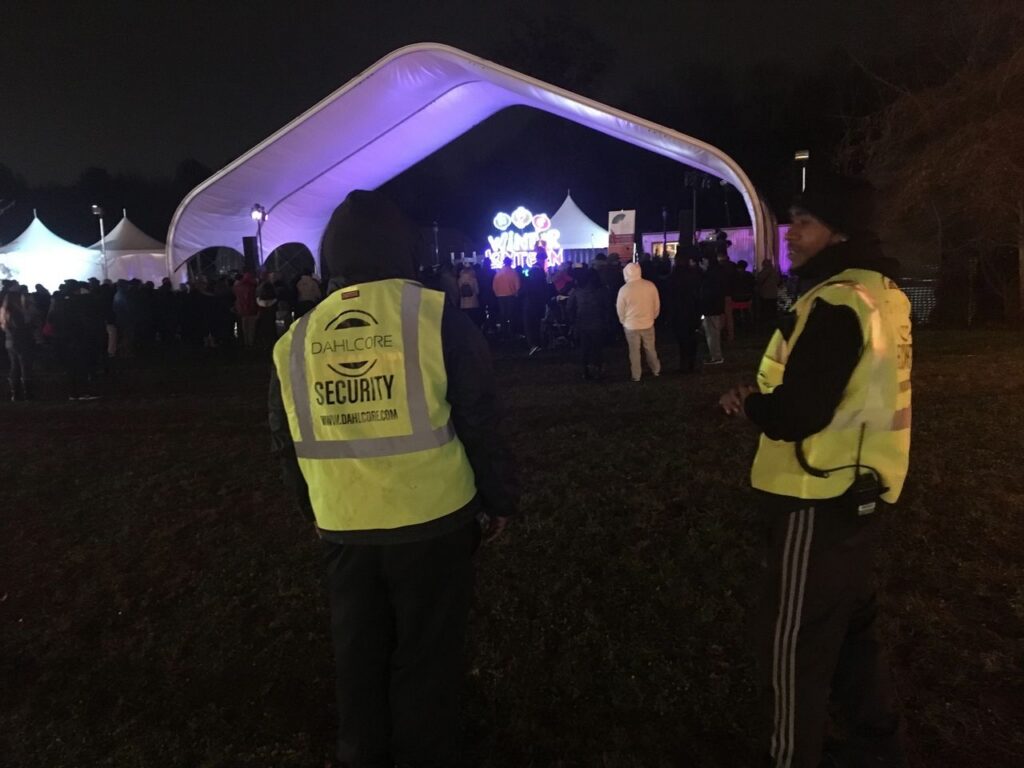
Enhancing physical security measures, upgrading surveillance technology, and increasing the presence of security personnel can improve site security. Integrating security systems and automation can help address gaps in coverage and response times. Training construction site staff on security protocols and emergency procedures is also crucial for enhancing overall site security.
Patrols and Response Teams
Organizing regular security patrols involves establishing designated routes, schedules, and responsibilities for security personnel to cover all vulnerable areas effectively. These patrols not only serve as a visible deterrent to potential intruders but also ensure a rapid response to any security incidents that may arise. Clear communication protocols with local law enforcement are crucial for seamless coordination during emergencies, enhancing the overall security presence and response capability at the site.
Alarm Systems
Alarm systems tailored for construction sites typically include a variety of sensors, such as motion detectors, perimeter alarms, and vibration sensors, to cover different areas and potential points of entry. When these alarms are triggered, on-site security personnel or designated authorities should respond promptly according to predefined procedures, which may involve investigating the cause of the alarm, contacting law enforcement if necessary, and ensuring the safety and security of the site and its assets. Regular testing and maintenance of these alarm systems are crucial to ensure their reliability and effectiveness in deterring unauthorized access and mitigating security threats on construction sites.
Employee Training and Awareness
Conducting regular security briefings ensures that employees are equipped with the latest knowledge on security best practices, emerging threats, and protocols for reporting suspicious behavior. By emphasizing the importance of vigilance and creating a culture where staff feel empowered to report any unusual or potentially harmful activity, organizations can effectively mitigate security risks. Encouraging open communication channels and providing avenues for anonymous reporting can further enhance the effectiveness of staff involvement in maintaining a secure environment.
Strategies for Enhancing Nighttime Security
Implementation of advanced surveillance technologies:
- CCTV cameras with night vision capabilities provide continuous monitoring and can capture clear footage in low-light conditions.
- Motion sensors and infrared detectors can alert security personnel to unauthorized activity, enabling quicker response to potential threats.
Utilization of manned security patrols:
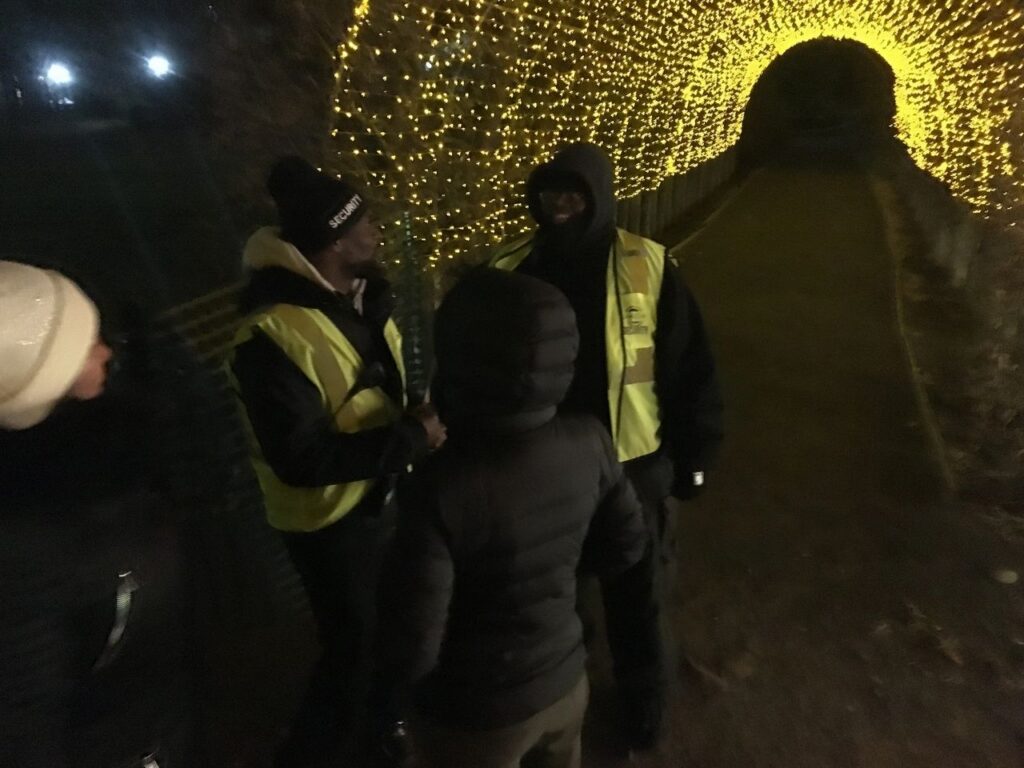
- The presence of human security personnel acts as a significant deterrent to potential intruders.
- Effective scheduling and coordination ensure that patrols cover all areas of the site, particularly high-risk zones, during vulnerable hours.
Installation of perimeter fencing and access control systems:
- Durable fencing materials, such as chain-link or metal bars, prevent unauthorized access and can be enhanced with barbed wire or alarm systems.
- Access control technologies, like key card systems or biometric scanners, ensure that only authorized personnel can enter the site, reducing the risk of theft or vandalism.
Utilizing lighting solutions for improved visibility:
- Strategic placement of lights around the perimeter and key areas of the site can deter intruders and improve surveillance effectiveness.
- Motion-activated lighting conserves energy while still responding to potential security breaches.
Technological Innovations
Emerging technologies such as drones equipped with infrared cameras and AI-powered surveillance systems are revolutionizing nighttime security on construction sites. Drones can conduct regular patrols autonomously, providing real-time footage of the site and detecting any unauthorized activity. AI algorithms analyze the video feeds to identify potential threats or breaches, allowing for immediate response and enhanced overall security measures. However, construction companies must consider privacy concerns, regulatory compliance, and the potential limitations of these technologies when deploying them for nighttime security purposes.
Community Engagement
Building a positive relationship with the surrounding community not only enhances site security but also fosters a sense of collective responsibility for safety. By actively engaging residents and encouraging them to report any unusual or suspicious activities, a network of vigilant community members can effectively supplement security measures. Participation in neighborhood watch programs further strengthens this collaborative effort, creating a cohesive and vigilant community that is proactive in ensuring the safety and security of the area.
Legal and Regulatory Compliance
Ensuring compliance with local laws and industry regulations is paramount in maintaining the integrity and security of any operation. Failure to adhere to these legal obligations not only exposes organizations to legal ramifications, such as fines and lawsuits but also undermines trust with stakeholders and customers, potentially tarnishing reputation and credibility. By prioritizing compliance within security planning, businesses demonstrate their commitment to ethical practices, safeguarding both their interests and those of the broader community.
Cost Management
Investing in security measures may initially seem costly, but the potential losses incurred from theft or damage often outweigh the expenses. When budgeting for security, it’s essential to prioritize measures that mitigate risks effectively while aligning with available resources. Calculating the return on investment (ROI) for security expenditures involves assessing potential savings from prevented losses, improved operational efficiency, and enhanced reputation, helping justify the spending in safeguarding assets and operations.
Frequently Asked Questions
How can construction sites ensure compliance with nighttime security regulations?
Construction sites can ensure compliance by staying updated with local laws, conducting regular security audits, and engaging with security consultants to adhere to industry standards and regulations.
What role do employees play in enhancing nighttime security at construction sites?
Employees contribute significantly by remaining vigilant, adhering to established security protocols, and promptly reporting any suspicious activities or breaches they observe during the night.
Can wireless security cameras withstand harsh construction site conditions?
Yes, many wireless security cameras are designed to be robust and weather-resistant, making them suitable for the varying conditions of construction sites.
What is the importance of having a layered security approach at construction sites?
A layered security approach, combining physical barriers, surveillance, lighting, and access control, ensures multiple lines of defense against unauthorized access or activities, enhancing overall site security.
How effective are motion sensors in deterring intruders at construction sites?
Motion sensors are highly effective as they can detect unexpected movement, instantly alerting security personnel and deterring intruders by triggering lights or alarms.
What are the best practices for security lighting at construction sites?
The best practices include using energy-efficient LED lights, ensuring adequate coverage of all areas, and integrating lights with motion sensors for enhanced effectiveness.
Conclusion
Enhancing nighttime security at construction sites requires a comprehensive approach that combines technology, human vigilance, and community cooperation. By assessing risks, implementing the right solutions, and fostering a culture of security awareness, construction managers can protect their sites from potential threats and ensure a safe and secure environment for all involved.
Check other blogs
Physical vs. Logical Access Control: Unraveling the Mystery
Becoming a Successful Loss Prevention Agent
Tips for Tailoring Security Protocols for Boutique Dispensaries
