


Fire protection services are an integral component of protecting people and properties from harm, making understanding all their aspects and benefits essential for property owners and managers. With this ultimate guide on fire protection services spanning prevention, detection, suppression, and emergency response – everything will be covered!
What are Fire Protection Services?
Fire protection services involve various components designed to prevent, detect and suppress fires. These components include:
Fire Prevention
Fire prevention entails reducing fire risk through proper building design, implementation of fire safety codes, and regular inspections. It includes proper storage and handling of flammable materials and clear exit routes with updated electrical systems to meet the code.
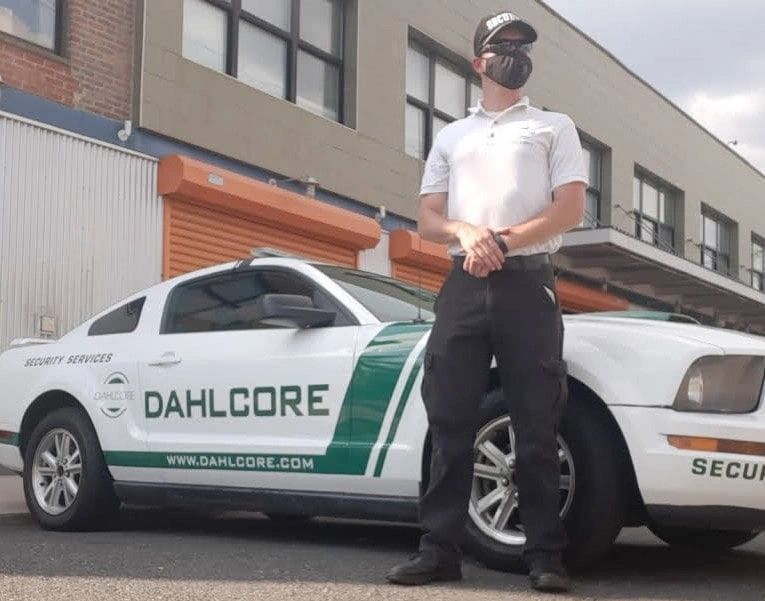
Enhance the safety and protection of your premises with the leading Security Guard Company in NYC! Our expertly trained security personnel are dedicated to safeguarding your business, property, and peace of mind. Whether it’s corporate offices, residential complexes, events, or retail spaces, our professional team employs cutting-edge strategies to prevent incidents and ensure a secure environment. Don’t compromise on security – choose Security Guard Company NYC and experience unparalleled peace of mind. Contact us now to fortify your safety measures!
Fire Detection
Fire detection systems such as smoke and heat sensors notify building occupants and emergency services of a fire, thus helping reduce property damage and save lives. Early detection is essential to mitigating risks such as fire.
Fire Suppression
Fire suppression systems are designed to control and extinguish fires quickly. They include sprinklers, clean agent systems, and foam systems which all play an essential part in maintaining and extinguishing fires and limiting their spread and overall damage.
Emergency Response
Emergency response refers to the actions taken by firefighters and other emergency personnel to extinguish fires, rescue trapped individuals, and provide medical aid.
Choosing the Right Fire Protection System
Assessing Your Needs
A comprehensive analysis must be conducted to select an effective fire protection system for your property. A range of factors must be considered, such as size, occupancy level, and presence of flammable materials – consulting a fire protection professional could assist in making more informed decisions regarding fire safety measures.
Types of Fire Protection Systems
There are different kinds of fire protection systems designed to meet specific needs and environments:
Sprinklers
Water sprinkler systems use water to effectively contain and extinguish fires on different properties – including residential, commercial, and industrial structures – thus protecting from potential disasters in every setting. They’re an efficient means of mitigating risks.
Clean Agent Systems
Clean agent systems utilize inert gases or chemical agents to extinguish fires without damaging delicate equipment, making them perfect for data centers, server rooms, and other places that contain expensive equipment.
Foam Systems
Foam systems combine water with foam concentrate to produce fire-suppressing foam for use in environments that contain flammable liquids, such as refineries, chemical plants, and aircraft hangars. These systems offer reliable fire protection in such settings.
Regular Maintenance
For your protection and to remain effective, it is essential to set aside time for regular inspection and maintenance of your fire protection system. A professional service provider can ensure it complies with local regulations and operates correctly in an emergency.
Fire Safety Tips for Businesses and Homeowners
As well as installing an effective fire protection system, it is equally essential to implement effective fire safety practices to help reduce fire risks:
Fire Extinguishers
Make sure that fire extinguishers are readily available and in top condition before providing training to employees and family members on how to use them in an emergency.
Smoke Detectors
Install smoke alarms throughout your property and test them regularly, replacing batteries as necessary and purchasing an entirely new unit every ten years.
Escape Plans
Create and practice escape plans for your home and business, ensuring everyone understands them and knows the locations of emergency exits and fire alarms.
Regulations and Standards
Fire protection services must adhere to various regulations and standards:
NFPA
The National Fire Protection Association (NFPA) creates and enforces fire safety codes and standards for fire protection systems, equipment, and procedures.
OSHA
OSHA oversees workplace safety regulations and fire safety standards for businesses.
Local Regulations
Local regulations may vary by city or state, so it’s essential to consult with a fire protection professional to ensure compliance with all relevant codes and standards.
Conclusion
Fire protection services are essential to the well-being of both lives and properties. By understanding its components, selecting an ideal system suited to your needs, and following safety tips, you can minimize the risk of fires and their devastating results. Be sure to consult professionals, adhere to regulations and maintain your fireproofing systems to ensure their continued efficiency.
Click here to learn more: How Hospitals Can Improve Their Security Protocols
FAQs
Q1. What is the Difference Between Fire Prevention and Suppression?
Fire prevention refers to efforts that reduce risk, while suppression seeks to control or extinguish existing blazes.
Q2. How often should fire protection systems be inspected?
Inspection frequencies will depend on your system and local regulations but are usually conducted annually, with more complex systems requiring more frequent checks.
Q3. What types of buildings require fire protection systems?
Residential, commercial, and industrial buildings all benefit from fire protection systems. Requirements vary based on factors like building size, occupancy rate, and the presence of flammable materials within a structure.
Q4. Are there any fire protection systems that do not use water?
Yes, clean agents and foam systems are fire protection systems that do not rely on water to extinguish fires.
Q5. Can I install and maintain my fire protection system myself?
Fire protection systems such as smoke alarms and extinguishers may be managed independently. However, it’s recommended to consult a professional when operating more complex systems to comply with regulations.
Check other blogs
Advanced Training Techniques for Maritime Security Personnel
Enhance Hospital Security: A Detailed Job Description Guide
Level 4 Security License Explained: Training, Jobs, and Earnings
