

Collaboration in Retail Security
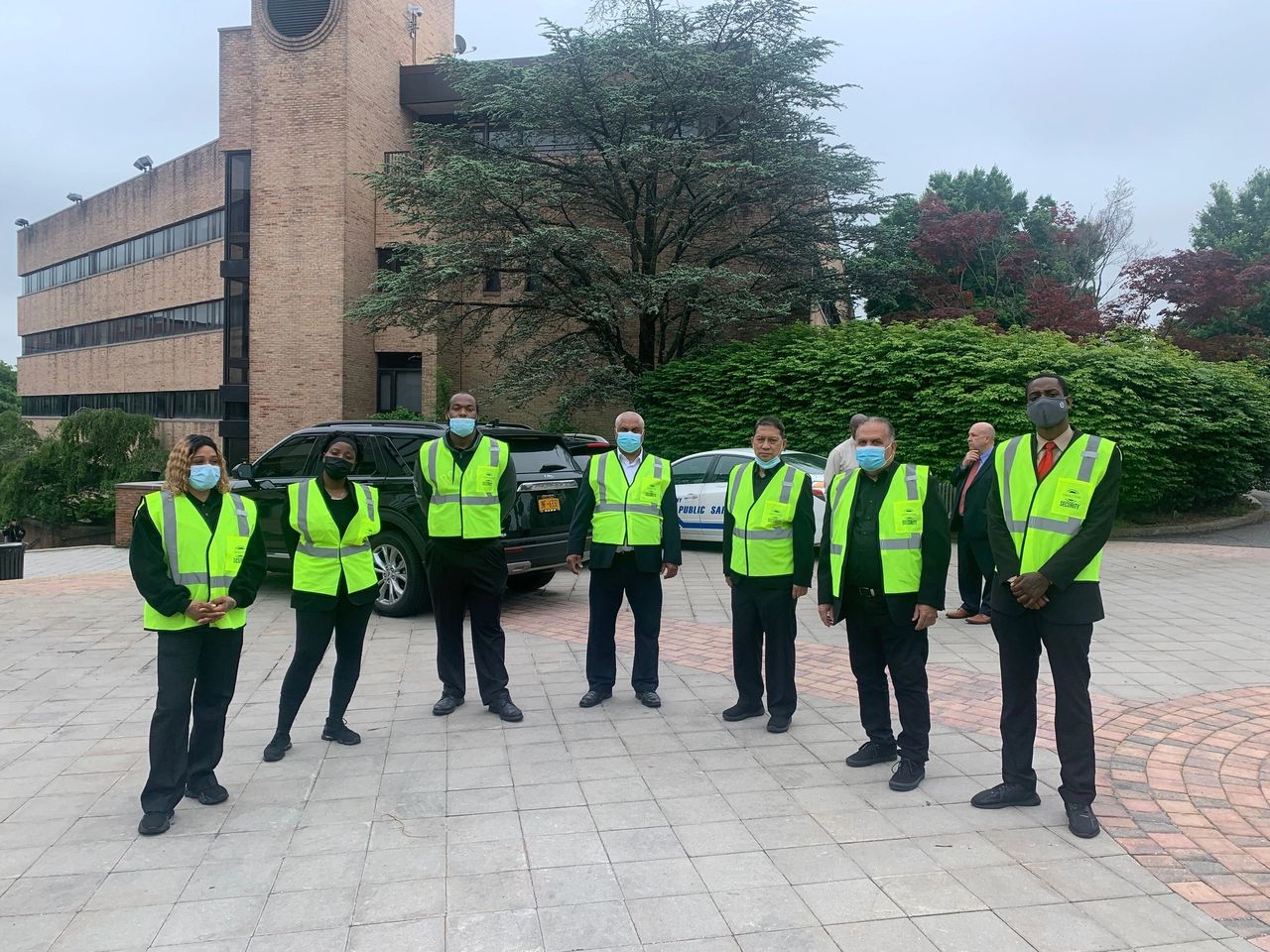
In today’s retail environment, the importance of effective collaboration between security guards and retail staff cannot be overstated. As the frontline defense against loss and crime, understanding how these teams can work together harmoniously is essential for maintaining a safe, welcoming, and profitable retail space. Through shared goals, mutual respect, and clear communication, these groups can significantly reduce retail losses and enhance the overall customer experience.
Defining Roles and Responsibilities
For any collaboration to be successful, clarity in roles and responsibilities is crucial. Security guards, with their specialized training in surveillance and crisis management, are the watchful eyes ensuring safety and responding to incidents. Retail staff, on the other hand, are the customer-facing team, providing service and sales while being vigilant about suspicious activities. Understanding and respecting the unique contributions of each group forms the basis for effective teamwork.
Communication Strategies
Effective communication is the backbone of any successful collaboration. Implementing efficient channels for regular and emergency communication ensures that both security guards and retail staff are informed, alert, and responsive. From daily briefings to integrated communication systems, a robust framework for sharing information is essential for coordinated efforts.
Training and Development
Joint training sessions help align security guards and retail staff on common objectives, procedures, and crisis response protocols. Tailoring programs that address the specific scenarios they might face in the retail environment ensures both teams are prepared and confident in their roles, leading to more effective collaboration.
Technology Integration
Utilizing technological tools can significantly enhance the coordination between security guards and retail staff. From CCTV systems to integrated communication apps and incident reporting software, technology can provide real-time insights, streamline operations, and foster a more cohesive working relationship.
Conflict Resolution Techniques
Addressing disputes effectively and preventing them from disrupting collaboration is crucial. Providing conflict resolution, negotiation, and de-escalation training to both teams fosters a harmonious work environment by equipping them with the skills needed to manage conflicts constructively.
Legal and Ethical Considerations
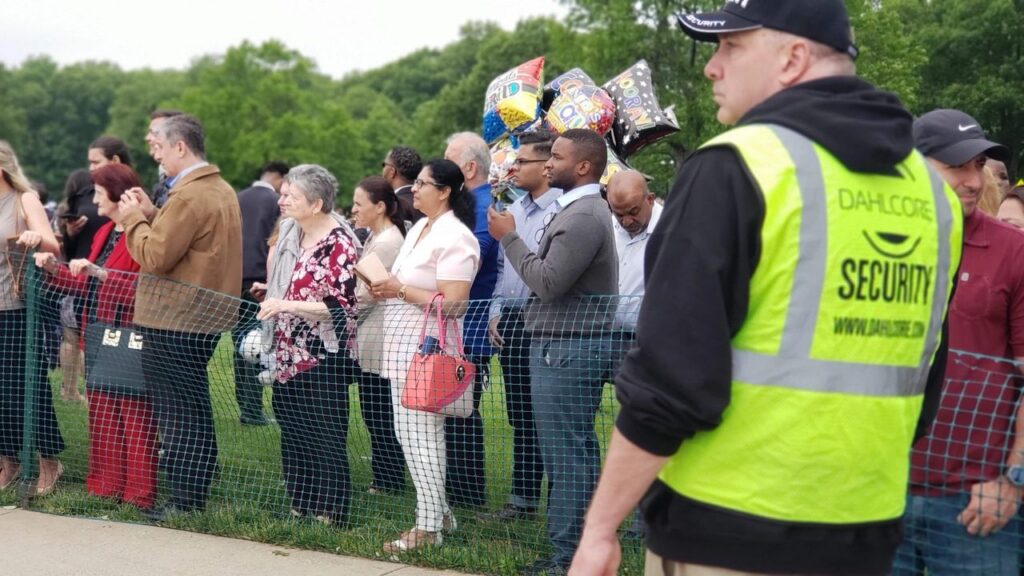
Adhering to legal standards and ethical practices is non-negotiable. Both security guards and retail staff must be aware of and comply with relevant laws, regulations, and ethical guidelines to ensure their collaboration not only reduces loss but also upholds the highest standards of legal and moral conduct.
Risk Assessment and Management
Identifying potential risks and implementing strategies to mitigate them is a collaborative effort that involves the collective responsibility of individuals and organizations. By conducting regular risk assessments and actively engaging in proactive planning and management, the likelihood of vulnerabilities and losses can be substantially minimized, fostering a safer and more secure environment.
Customer Experience and Safety
Balancing the primary objective of minimizing losses with a solid commitment to customer service is crucial to creating a harmonious and effective operational environment. Collaboration between the two teams is essential to ensure that safety measures not only protect the business but also contribute positively to the overall customer experience.
Reporting and Documentation
Keeping accurate and detailed records is crucial for tracking incidents, understanding trends, and making informed decisions. Both security guards and retail staff should be trained in proper reporting and documentation practices.
Continuous Improvement
The retail landscape is constantly evolving, and so should the collaboration strategies between security guards and retail staff. Regular reviews, feedback mechanisms, and adaptation to new challenges or technologies ensure ongoing enhancement of their joint efforts.
Building a Culture of Collaboration
Fostering a team spirit and a culture of collaboration makes every member feel valued and part of a larger goal. Celebrating successes, recognizing contributions, and encouraging teamwork go a long way in building a positive and effective collaborative environment.
Measuring Success
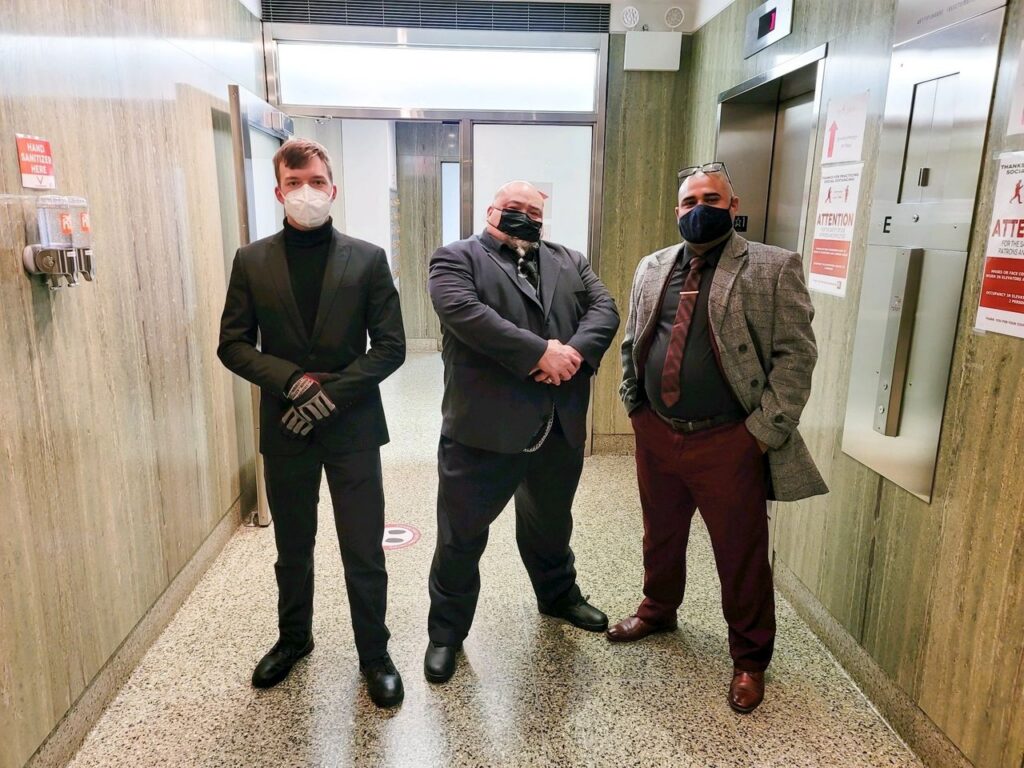
Setting clear, measurable objectives and regularly evaluating key performance indicators helps both teams understand their impact and identify areas for improvement. Success metrics should align with the overall goals of loss reduction and improved safety.
Effective Collaboration Between Security Guards and Retail Staff for Loss Reduction FAQs
What are the key benefits of effective collaboration between security guards and retail staff?
- Enhanced Safety and Security: A collaborative effort leads to a more vigilant and responsive team, significantly reducing theft and other security incidents.
- Improved Customer Experience: When staff and security work seamlessly, it creates a safer and more welcoming environment for customers.
- Efficient Incident Management: A united front allows for quicker and more effective responses to security incidents, minimizing potential losses.
- Shared Knowledge and Skills: Collaboration fosters an exchange of knowledge and skills, enhancing the capabilities of both teams.
How can technology enhance the collaboration between these teams?
- Real-time Communication: Devices and apps allow instant communication between team members, crucial in emergencies or when immediate action is needed.
- Integrated Surveillance Systems: CCTV and other surveillance technologies provide a live feed of activities, helping both teams monitor and react swiftly to suspicious behavior.
- Data Analysis Tools: These tools help analyze trends, predict potential risks, and formulate strategies for loss prevention.
What are some common challenges in fostering collaboration, and how can they be overcome?
- Differing Objectives: Aligning the goals of security personnel and retail staff is essential. Regular meetings and shared training sessions can help unify their objectives.
- Communication Gaps: Implementing standardized communication protocols and encouraging open dialogue can bridge any gaps.
- Resistance to Change: Change can be met with resistance. Addressing concerns, highlighting benefits, and gradual implementation can ease the transition.
How does effective collaboration impact the overall customer experience?
- An atmosphere of safety and professionalism enhances the shopping experience. Customers are more likely to return to a store where they feel secure and well-attended.
What training is necessary for both security guards and retail staff to collaborate effectively?
- Joint Security Training: Covering basics of security awareness, response protocols, and legal considerations.
- Communication Workshops: Focusing on effective communication techniques, especially in emergencies.
- Conflict Resolution: Teaching methods to de-escalate situations and resolve disputes amicably.
How can success in collaboration be measured and improved over time?
- Regular Performance Reviews: Assessing how the collaboration is impacting loss rates, safety incidents, and customer feedback.
- Feedback Mechanism: Encouraging input from both teams to understand challenges and make necessary adjustments.
- Continuous Learning: Adapting to new threats and incorporating best practices from industry standards and case studies.
Conclusion and Future Outlook
Reflecting on the journey of collaboration and projecting future trends and opportunities can provide a roadmap for sustained improvement. The commitment to working together more effectively should be an ongoing endeavor, adapting to new challenges and innovations in the retail industry.
Explore our other blog posts here
How Much Do Fire Watchers Make?
How Construction Site Security Guards Protect NJ Projects
