

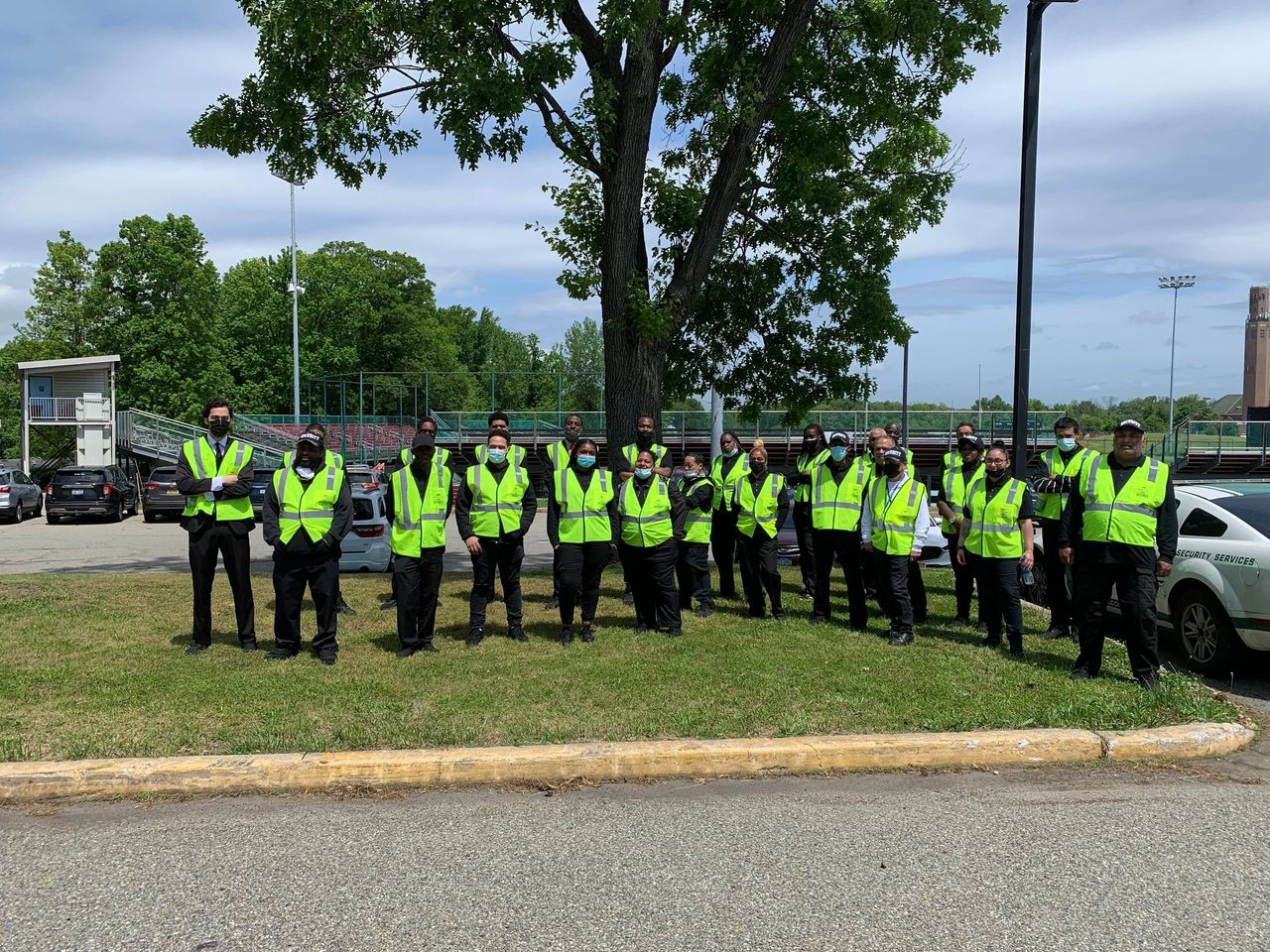
Fire protection service professionals play a crucial role in ensuring the safety of individuals and properties. Their expertise and dedication help prevent and mitigate the devastating impact of fires. This article will delve into these professionals’ daily activities and responsibilities, offering a glimpse into their work’s demanding yet fulfilling nature.
Morning Routine: Preparing for the Day Ahead
As the sun rises, fire protection service professionals begin their day by reviewing their schedules and preparing for the tasks ahead. This may include conducting inspections, performing maintenance on fire safety systems, or responding to service calls. They ensure their equipment and tools are correctly working, which is vital for their daily operations.
Inspections: Assessing Fire Safety Measures
One of the primary responsibilities of a fire protection service professional is conducting inspections to assess the effectiveness and compliance of fire safety measures. They conduct inspections on various buildings, such as residential complexes, commercial properties, and industrial facilities, to assess the functionality and efficiency of fire alarms, sprinkler systems, fire extinguishers, and other fire protection equipment.
During inspections, they carefully examine the equipment, checking for any signs of damage, wear, or malfunction. They verify that the systems are installed correctly, maintained according to regulations, and meet the necessary safety standards. They recommend repairs or upgrades to ensure optimal fire safety if any deficiencies or issues are identified.
Maintenance: Keeping Fire Safety Systems in Top Shape
Regular maintenance ensures fire safety systems’ reliability and functionality. Fire protection service professionals perform routine maintenance tasks, such as testing alarms, inspecting sprinkler heads, replacing batteries, and cleaning equipment.
They follow manufacturer guidelines and industry best practices to conduct thorough inspections and make necessary adjustments or repairs. By keeping fire safety systems in top shape, they minimize the risk of system failure during an emergency, ensuring the safety of occupants and properties.
Service Calls: Responding to Emergency Situations
Fire protection service professionals are always ready to respond to emergency service calls. When an alarm is triggered or a fire incident occurs, they swiftly reach the location, equipped with the necessary tools and expertise to assess the situation.
In emergencies, they prioritize the safety of individuals and property. They work with firefighters and other emergency personnel, offering vital details about fire safety systems and aiding in the control and extinguishing of the fire.
Midday Challenges: Problem-Solving and Upgrades
The midday period often presents fire protection service professionals with various challenges that require problem-solving skills and technical expertise. Let’s explore some common scenarios they encounter during this time.

Troubleshooting: Identifying and Resolving System Issues
Sometimes, fire safety systems may experience malfunctions or false alarms. In such cases, fire protection service professionals troubleshoot the problems. They use diagnostic tools and techniques to identify the root cause of the issue and devise appropriate solutions.
Whether it’s a faulty sensor, a wiring problem, or a software glitch, these professionals employ their knowledge and experience to rectify the situation efficiently. Their ability to think critically and troubleshoot effectively ensures that fire safety systems are restored to optimal functioning.
System Upgrades: Staying Up to Date with Technology
Fire protection technology is constantly evolving, with innovations being introduced regularly. Fire protection service professionals stay current with the latest advancements and upgrades.
They attend training sessions and workshops to enhance their knowledge and skills. This enables them to recommend system upgrades and improvements, ensuring their clients benefit from the most advanced fire protection technology.
Afternoon Priorities: Training and Documentation
The afternoon period allows fire protection service professionals to focus on training and documentation, both essential aspects of their work.
Training: Continuous Learning for Professional Growth
Professionals in fire protection services are committed to ongoing learning and training, ensuring their expertise remains up-to-date with the latest industry advancements. They actively participate in certification programs, workshops, and seminars, constantly expanding their knowledge and refining their skills.
The training sessions encompass a broad spectrum of subjects, such as the latest fire safety regulations, emerging technologies, and the most effective approaches to fire protection. These experts guarantee they can offer their clients the utmost service by staying knowledgeable and updated.
Documentation: Recording and Reporting Findings
Accurate documentation is vital to a fire protection service professional’s responsibilities. After conducting inspections or completing maintenance tasks, they meticulously record their findings, including any deficiencies, repairs, or recommendations for further action.
This documentation serves multiple purposes. It provides a historical record of the fire safety systems’ performance, enables tracking of maintenance schedules, and ensures compliance with regulatory requirements. Furthermore, these reports serve as a valuable resource for clients, allowing them to make informed decisions about fire safety improvements.
Evening Reflection: Reviewing the Day’s Work
As the day draws to a close, fire protection service professionals take some time to reflect on the day’s work. They review the tasks completed, ensuring that all documentation is accurate and up to date. They may also evaluate any challenges encountered during the day and consider ways to overcome them more effectively.
Additionally, they prepare for the following day, organizing their equipment, restocking necessary supplies, and reviewing the schedule for the next day.

FAQs
Q: What does a fire protection service professional do?
A: A fire protection service professional is responsible for ensuring the safety and prevention of fires in various settings. They inspect buildings for potential fire hazards, install fire detection and suppression systems, and educate individuals on fire safety measures.
Q: What qualifications are required to become a fire protection service professional?
A: The qualifications to become a fire protection service professional may vary, but a high school diploma or equivalent is generally required. Some professionals pursue further education or certifications in fire protection engineering or related fields to enhance their knowledge and skills.
Q: What are the typical tasks a fire protection service professional performs?
A: A fire protection service professional performs tasks such as inspecting fire alarm systems, testing fire sprinkler systems, conducting fire safety drills, troubleshooting system issues, repairing or replacing faulty equipment, and ensuring compliance with fire safety regulations.
Q: Where do fire protection service professionals work?
A: Fire protection service professionals can work in various settings, including commercial buildings, residential complexes, industrial facilities, educational institutions, hospitals, and government agencies. They may be employed by fire protection service companies or engineering firms or work directly for organizations as in-house fire safety experts.
Q: What are the essential skills and qualities of a fire protection service professional?
A: Key skills and qualities for a fire protection service professional include strong knowledge of fire safety codes and regulations, technical expertise in fire alarm and suppression systems, problem-solving abilities, attention to detail, physical stamina, communication skills, and a commitment to ensuring public safety.
Q: How does a typical day in the life of a fire protection service professional look like?
A: A typical day in the life of a fire protection service professional involves a mix of office-based and fieldwork activities. They might start by reviewing service requests, planning inspections or installations, and preparing necessary equipment. Fieldwork includes visiting client sites, conducting inspections, performing system tests, and responding to emergencies. Paperwork, documentation, and interacting with clients or team members may also be part of their routine.
Conclusion
A day in the life of a fire protection service professional is filled with responsibilities, challenges, and opportunities to make a meaningful impact on fire safety. From conducting inspections and performing maintenance to responding to emergency calls and staying up to date with industry advancements, these professionals play a crucial role in safeguarding lives and properties from the devastating effects of fires. Their expertise, dedication, and continuous learning contribute to creating safer environments and promoting fire prevention and protection.
Check other blogs
What Does CCTV Stand for in Security & Why You Need It?
How Much Does It Cost to Hire Security for an Event?
Who is Responsible for Leading an Emergency Chain of Command?
