

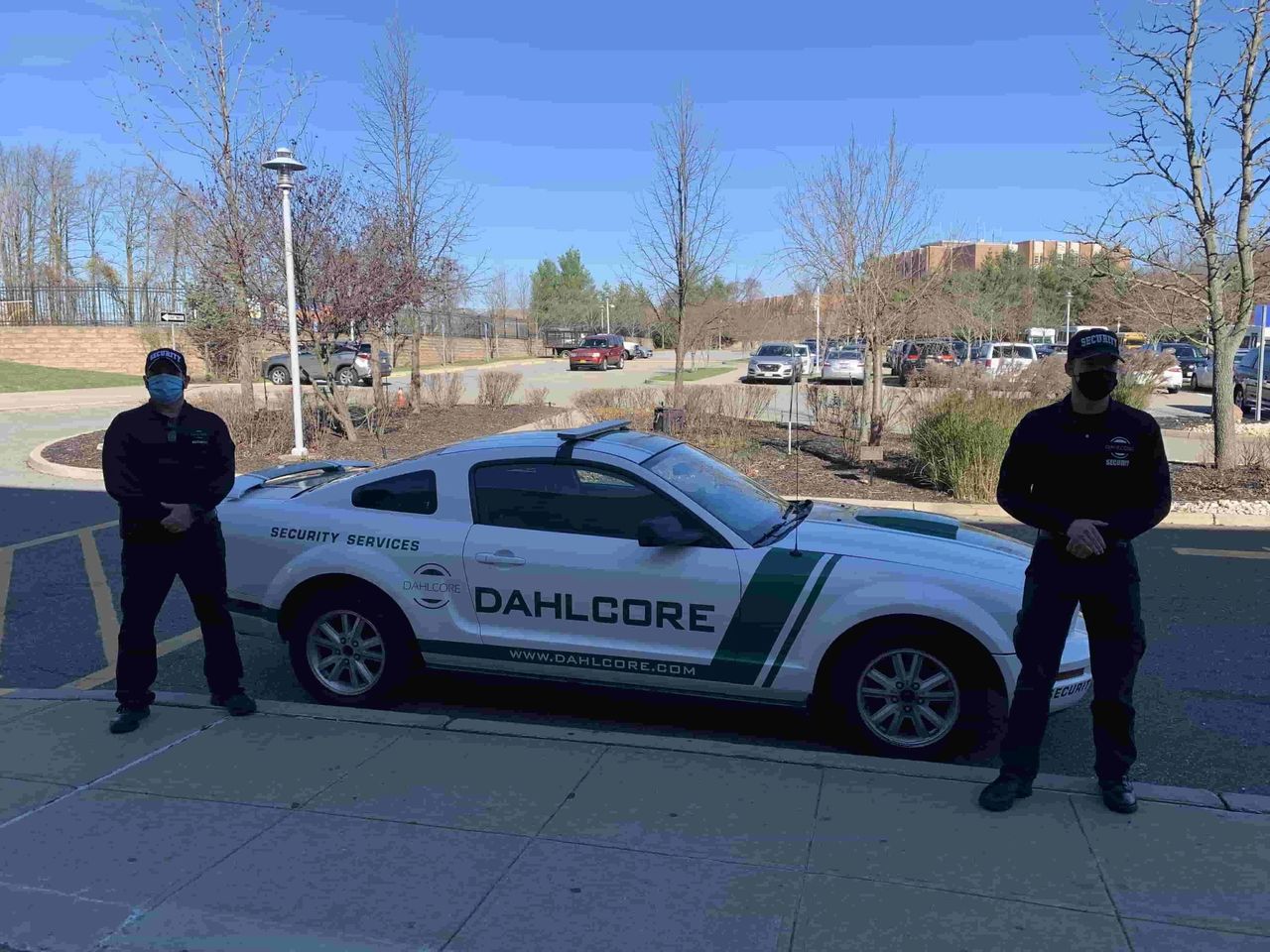
An airport/aviation security guard in New York is a licensed security professional who protects passengers, staff, facilities, and aircraft at major airports like JFK, LaGuardia, and Newark by enforcing strict security rules and responding to potential threats. This role supports safe, efficient airport operations in one of the busiest air travel markets in the United States.
In New York City’s airports, airport or aviation security guards typically work for private security companies, the Port Authority of New York and New Jersey, airlines, or federal agencies such as the Transportation Security Administration (TSA). They operate in both landside and airside areas, control access to secure zones, support passenger screening, and coordinate closely with airport police and federal law enforcement when incidents occur. Because New York is a major international gateway, these guards regularly interact with a highly diverse mix of travelers and staff.
What Does an Airport / Aviation Security Guard Do in New York?
An airport/aviation security guard in New York focuses on preventing security breaches, screening people and items, and maintaining order in busy terminal environments. Their work blends physical security, technology use, and customer service to keep passengers moving safely through the airport.
Day‑to‑day responsibilities at New York airports commonly include:
- Screening passengers and cabin baggage at checkpoints, following federal and airport‑specific protocols.
- Operating security equipment such as X‑ray machines, walk‑through metal detectors, and explosive trace detection devices.
- Controlling badge access to restricted areas like gates, baggage rooms, cargo facilities, and ramp areas, and challenging anyone without proper identification.
- Patrolling terminals, parking structures, access roads, and airfield perimeters to deter trespassing, theft, and vandalism.
- Responding to unattended baggage, alarms, or suspicious behavior using established procedures and escalation paths.
- Writing incident and daily activity reports that can be used for audits, investigations, or internal reviews.
- Providing directions and basic customer support to travelers while maintaining firm, professional enforcement of security rules.
Work Environment and Conditions at New York Airports
Airport/aviation security guards in New York work in fast‑paced, high‑traffic environments where flights operate almost around the clock. This means schedules regularly include early mornings, late nights, weekends, and holidays to maintain continuous coverage.
On a typical shift at JFK, LaGuardia, or Newark, a guard may spend long periods standing at access posts or screening checkpoints, walk significant distances across large terminals, and work outdoors near roadways or aircraft stands in changing weather. The noise level can be high due to aircraft, vehicles, and crowded terminals. Because New York airports see heavy domestic and international traffic, guards must stay alert despite frequent distractions. The job can be stressful at peak travel times, but clear procedures, strong teamwork, and ongoing training help manage that pressure.
Core Skills and Personal Qualities
To succeed as an airport/aviation security guard in New York, you need a mix of security awareness and people skills. Employers value candidates who can stay calm under pressure, communicate clearly, and follow rules without losing sight of customer service.
Important skills and qualities include:
- Strong observation and situational awareness to notice unusual behavior, suspicious items, or potential safety issues in busy terminals.
- Clear verbal communication for giving directions, explaining rules, and de‑escalating conflicts with frustrated passengers.
- Good judgment and the ability to make quick decisions in time‑sensitive situations or emergencies.
- High ethical standards, reliability, and respect for confidential information and secure processes.
- Physical stamina for standing, walking, and occasional rapid response across large airport areas.
- A professional, approachable attitude that balances safety, security, and a positive passenger experience.
These traits help guards maintain both effective security and a welcoming environment in high‑profile New York airports.
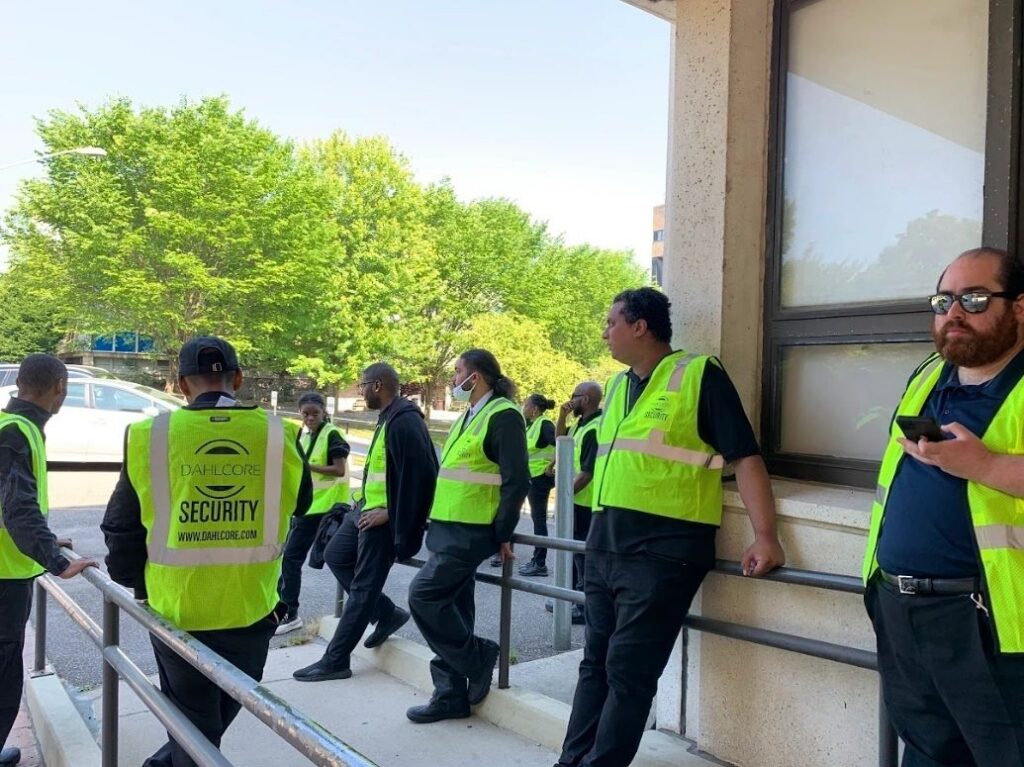
What Qualifications do you Need to Work as an Airport / Aviation Security Guard in New York?
To work as an airport/aviation security guard in New York, you must meet basic legal, educational, and background standards. Exact requirements depend on whether you apply for a state‑licensed security guard role with a private or Port Authority contractor, or for a federal TSA position.
Common baseline qualifications include:
- Age: At least 18 years old to obtain a New York State security guard license; some posts or peace‑officer‑style roles may require you to be 21 or older.
- Education: A high school diploma or GED is typically required for both New York State–licensed guard positions and TSA Transportation Security Officer roles.
- Legal status: Authorization to work in the United States; federal positions usually require U.S. citizenship or national status.
- Background: Ability to pass fingerprint‑based background checks, criminal history reviews, and employment verification; many airport roles also require a 10‑year verifiable work or address history for secure badging.
- Drug and medical screening: Pre‑employment drug tests and medical evaluations are common, especially for federal jobs and airside or safety‑sensitive posts.
Meeting these baseline requirements positions you to pursue New York State licensing, TSA hiring, and airport‑specific training.
New York State Security Guard License Requirements
If you plan to work as an airport/aviation security guard for a private security company or a Port Authority–permitted contractor at JFK or LaGuardia, you generally need a New York State security guard license. This license is managed by the New York State Department of State and the Division of Criminal Justice Services.
Key steps and requirements for the New York State security guard license include:
- Completing an approved 8‑hour Pre‑Assignment Training Course before you apply for the license.
- Getting fingerprinted for a state‑run background check and paying the required state and fingerprint fees.
- Submit the security guard application form to the New York Department of State, either online or by mail, and wait for approval.
- Completing a 16‑hour On‑the‑Job Training Course within 90 days of being hired by a security employer.
- Attending an 8‑hour Annual In‑Service Training Course each year to keep your registration active and in good standing.
Once you hold a valid New York State security guard license, you can be considered for airport security positions that require state registration plus airport‑specific badging and training.
TSA Transportation Security Officer (TSO) vs private airport security roles
In New York, there are two main paths if you want to work in airport/aviation security: becoming a TSA Transportation Security Officer or joining a private or Port Authority–contracted security team. Each path has different hiring processes, duties, and career options.
TSA Transportation Security Officers are federal employees who focus primarily on passenger and baggage screening at checkpoints. They are hired through federal job listings, must pass agency‑specific testing and assessments, and receive standardized federal training and benefits. Private or Port Authority–contracted aviation security guards, by contrast, may handle access‑control posts, patrol duties, secure area escorts, and terminal security beyond TSA checkpoints. These roles usually require a New York State security guard license, plus airport badging and employer training. Some people choose to start in private security and later apply to TSA, while others go directly into the federal track.
Mandatory Training for Aviation Security in New York
Training for airport/aviation security guards in New York is structured to meet both state and aviation standards. Once you meet baseline qualifications, you can expect to complete several layers of training, depending on the employer and role.
For New York State–licensed guard roles, the core courses are the 8‑hour pre‑assignment, 16‑hour on‑the‑job training, and annual 8‑hour refreshers. On top of that, airport employers usually provide aviation security training that covers topics like airport security zones, prohibited items, and how to use screening and access‑control equipment. If you work for TSA, you will attend agency training that focuses on federal screening procedures, advanced security technology, threat recognition, and customer service. Many airport positions also require recurring refresher sessions and drills so that staff stay current with updated procedures and emerging threats.

How to Become an Airport / Aviation Security Guard in New York
Becoming an airport/aviation security guard in New York involves several clear steps, from meeting basic requirements to completing licensing and employer training. The process varies slightly depending on whether you pursue state‑licensed guard roles, TSA positions, or both.
A simple path for state‑licensed airport security jobs might look like this:
- Confirm that you meet the age, education, and background requirements and that you are eligible to work in the United States.
- Enroll in and complete the 8‑hour New York State security guard pre‑assignment course with an approved training provider.
- Get fingerprinted for the state background check, then submit your security guard license application and required fees to the New York Department of State.
- Once licensed, apply for airport‑focused security positions at JFK, LaGuardia, Newark, or nearby airports through security companies, the Port Authority, or airline vendors.
- After being hired, complete the 16‑hour on‑the‑job training course, employer‑specific aviation security training, and all airport badging requirements.
- Continue taking your annual 8‑hour in‑service course and any additional aviation or equipment training to remain in good standing and qualify for promotions.
If you choose the TSA route instead, you will create a federal job account, apply for Transportation Security Officer openings, and go through TSA exams, assessments, and training before working at New York airports.
Career Path at New York Airports
Once you are licensed, trained, and badged, there are multiple ways to grow your airport/aviation security guard career in New York. With experience and strong performance, you can move into roles with more responsibility and better pay.
A typical career path for New York airport security might include an entry‑level post as an aviation security officer, screener, or terminal guard. After gaining experience, you may advance to a senior officer role, taking on more complex posts, mentoring new staff, or working across multiple terminals. From there, you can move into supervisor or lead positions, where you manage shift staffing, monitor compliance with regulations, and handle incident reporting. Over time, some professionals progress into site manager or security operations manager roles, overseeing contracts and performance. Others shift into related fields such as law enforcement, customs, emergency management, or broader transportation security.
Advanced and Specialized Aviation Security Roles in New York
Beyond general guard positions, New York airports offer various specialized roles for experienced security professionals. These positions usually require extra training, certifications, or proven performance.
Examples of advanced roles include security operations center operators who monitor cameras, alarms, and access‑control systems and dispatch field officers when issues arise. Some security officers train as canine handlers, working with detection dogs to identify explosives or narcotics in baggage and cargo. Others become trainers, responsible for delivering security courses and refreshers to new and existing staff. There are also opportunities in risk assessment and security planning, where you help design and review airport security procedures. As airports and airlines increasingly rely on digital systems, some professionals move toward cybersecurity roles that protect critical airport infrastructure and networks.
Pay and Job Outlook for Airport / Aviation Security Guards in New York
Pay for airport/aviation security guards in New York is influenced by location, employer type, union agreements, and whether the role is state‑licensed or federal. Because New York is a high‑cost area with busy airports, compensation often starts higher than in many other regions.
Recent job postings for airport security positions in the New York metro area commonly show entry‑level hourly rates in the low‑to‑mid‑20 dollar range, with higher pay for specialized posts, unionized roles, or positions that require additional certifications or overnight shifts. TSA Transportation Security Officers receive federal pay scales plus locality adjustments, benefits, and opportunities for overtime, which can increase total earnings over time. Demand remains steady due to ongoing aviation security requirements and the consistent passenger traffic at airports like JFK and LaGuardia, giving motivated guards room to advance their careers locally.
Pros and Cons of Working as an Airport / Aviation Security Guard in New York
Working as an airport/aviation security guard in New York offers both attractive benefits and real challenges. Understanding both sides can help you decide if this path fits your goals and lifestyle.
On the positive side, airport security roles provide strong job stability, clear procedures, and a sense of purpose because your work directly protects travelers and staff. There are also diverse opportunities for advancement and specialization at major hubs like JFK and LaGuardia. On the challenging side, the cost of living in the New York area can stretch entry‑level wages, especially before promotions. Schedules often include nights, weekends, and holidays, which can affect work‑life balance. The work can also be stressful during peak travel seasons or major delays, when terminals are crowded, and tensions can run high.

FAQs About Airport / Aviation Security Guard Careers in New York
What does an airport/aviation security guard do in New York?
An airport/aviation security guard in New York screens passengers and baggage, monitors access to restricted areas, patrols terminals and perimeters, and responds to security incidents at airports like JFK, LaGuardia, and Newark.
What qualifications do I need to become an airport/aviation security guard in New York?
You generally need to be at least 18, hold a high school diploma or GED, pass background and drug checks, and obtain a New York State security guard license or meet TSA hiring standards, depending on the role.
How do I become an airport/aviation security guard in New York?
Start by confirming you meet age and education requirements, complete the 8‑hour pre‑assignment course, apply for your New York State security guard license, then apply for airport security jobs and complete on‑the‑job and aviation‑specific training.
What is the difference between TSA and private airport security jobs in New York?
TSA jobs are federal positions focused on screening at checkpoints, with federal training and benefits, while private or Port Authority–contracted roles use New York State–licensed guards for access control, patrols, and other airport security duties.
Is working as an airport/aviation security guard in New York stressful?
The job can be stressful due to irregular hours, high passenger volumes, and the need for constant vigilance, but clear procedures, strong teamwork, and regular training help guards manage pressure effectively.
Can airport/aviation security guard experience in New York lead to other careers?
Yes, many people use New York airport security experience as a stepping stone into supervisory roles, law enforcement, customs and border positions, emergency management, or broader transportation security careers.
Explore our other blog posts here
Workplace Emergency Action Plan (EAP): What to Include + Roles
Uniformed vs Plainclothes Security in NY/NJ: Pros, Cons, & Cases
GPS Tracking Laws in NY/NJ: What’s Legal for Vehicles & Employers
