

Uniformed vs plainclothes security in NY/NJ really comes down to one big question: do you want to stop trouble by being seen, or quietly catch it as it unfolds? In the real world, most New York and New Jersey properties do best with a mix of both, especially as 2026 threats push owners to take safety and loss prevention more seriously. From Manhattan office towers and Midtown retail to Newark warehouses and Jersey City waterfront condos, each site needs its own balance of visible deterrence and discreet observation. Thinking in terms of “deterrence posts” and “detection posts” makes your choices much clearer and easier to defend to stakeholders.
What is Uniformed Security in NY/NJ?
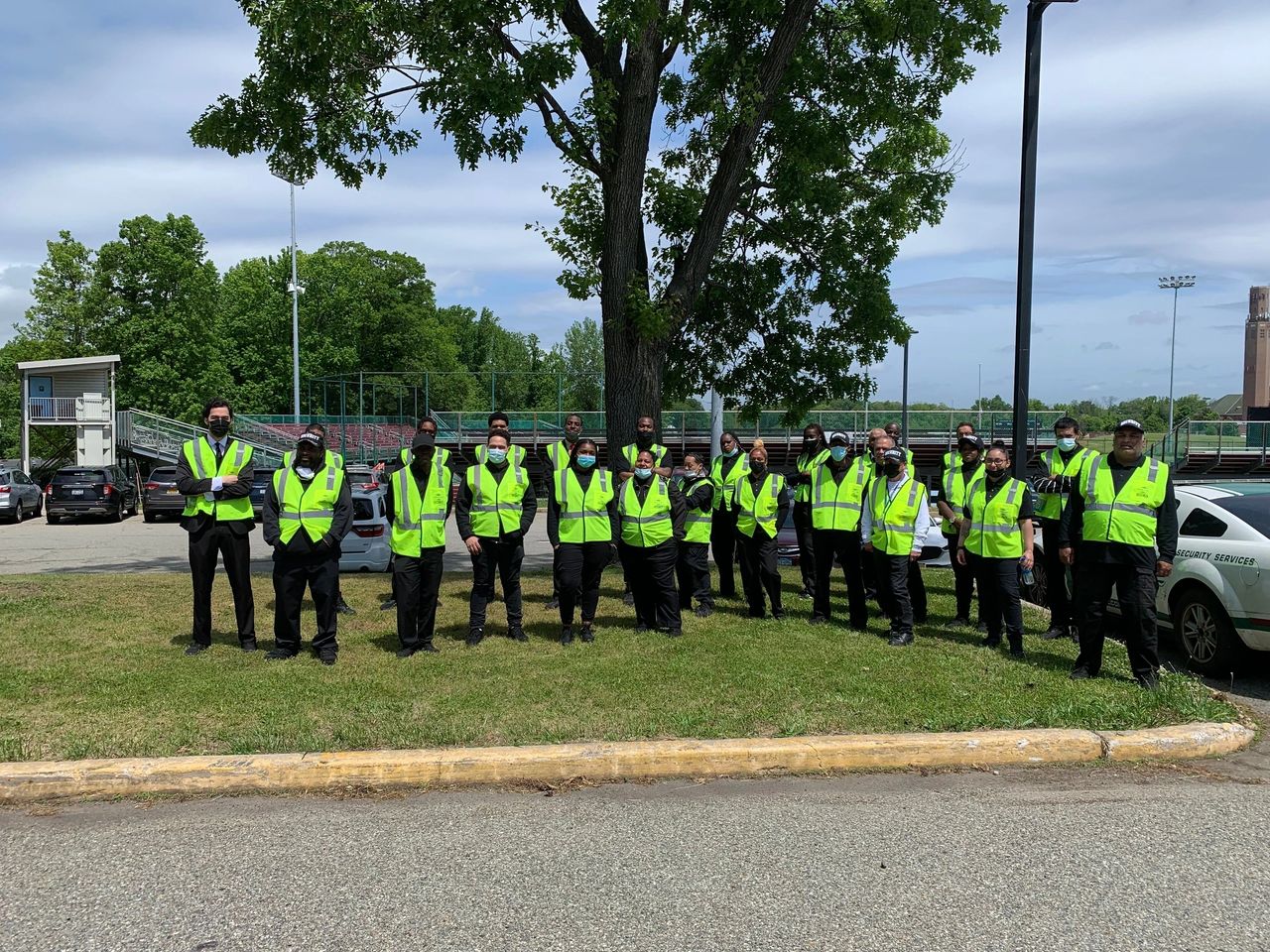
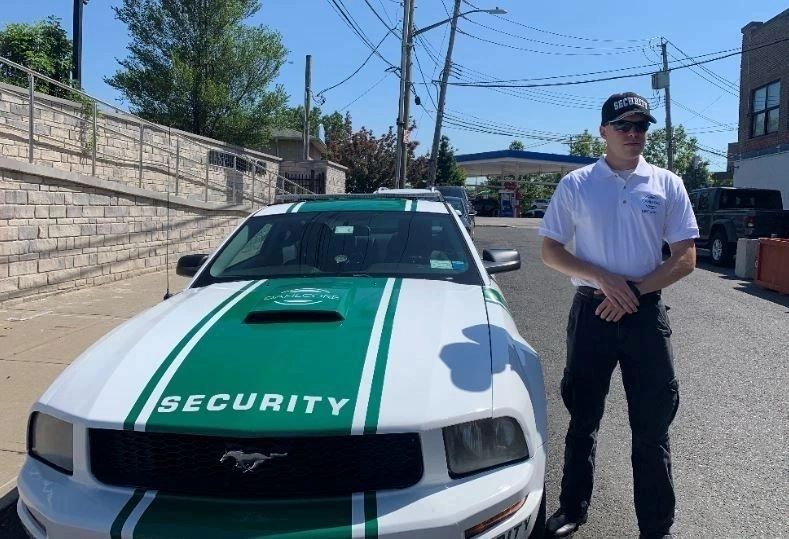
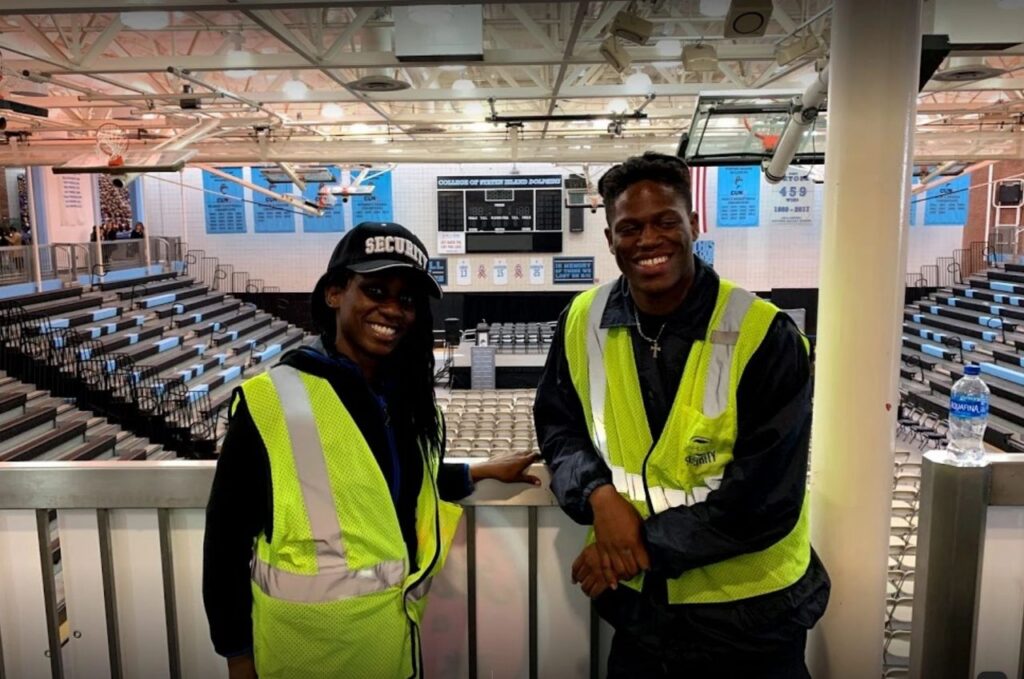
Uniformed security officers wear clearly marked shirts or jackets, badges, and often duty belts, making them instantly recognizable as security to tenants, visitors, and the public. In New York and New Jersey, that visible presence tells people, “Someone is watching this space,” which can calm crowds and discourage bad behavior before it starts. Because they’re easy to spot, uniformed guards become the natural go‑to people for directions, questions, complaints, and emergency help.
On the ground, uniformed security in NY/NJ typically handles lobby posts, front desk concierge roles, parking and entry control, elevator and hallway patrols, and event access points. Think of places like Midtown Manhattan corporate lobbies, Queens shopping centers, Hudson County residential buildings, and Essex County municipal sites. When something goes wrong—an argument in a lobby, a medical issue on the sidewalk, a suspicious person near a loading dock—uniformed officers are expected to step in first, stabilize the situation, and coordinate with management or police.
What is Plainclothes Security in NY/NJ?
Plainclothes security operates in regular business or casual clothing, blending in with employees, guests, and shoppers while quietly monitoring behavior. Instead of acting as a visible “stop sign,” these officers play the role of sharp, observant insiders who look and move like everyone else. Their job is to notice patterns, follow their instincts, and document what others might miss, without broadcasting that security is watching.
Across New York City and New Jersey, plainclothes security is common in luxury retail, hotels, casinos, nightlife venues, and corporate offices, where an obvious guard might hurt the experience or tip off would‑be thieves. A plainclothes officer might walk the sales floor in a SoHo boutique, sit in a Midtown hotel lobby with a laptop, or blend into a Jersey City call center environment while monitoring for internal issues. Because they fly under the radar, these guards are especially useful for identifying repeat offenders, organized theft groups, or sensitive HR‑related problems.
Uniformed vs Plainclothes Security: Key Differences
Pros of Uniformed Security
The biggest strength of uniformed security is deterrence. When people see a professional guard at a Midtown office entrance, a Bronx clinic, or a Newark logistics yard gate, many will think twice before causing trouble. That simple visual signal can reduce petty theft, vandalism, and disorder without a single confrontation. Uniformed officers also make it crystal‑clear who’s in charge of basic rules, like badge checks, visitor sign‑ins, or “no trespassing” policies around sensitive entries.
Another major advantage is clarity during emergencies. In a crowded Manhattan lobby fire drill or a busy Jersey mall evacuation, people naturally look for someone in uniform to tell them where to go. Staff, visitors, and vendors all know exactly who to approach for help. This is especially important in schools, houses of worship, and event venues, where parents and guests want to see obvious, active security in place and ready to act the moment something feels off.
Cons of Uniformed Security
The same visibility that makes uniformed guards effective can sometimes backfire. In upscale hospitality, high‑end retail, or relaxed community spaces, a strong security presence can feel too heavy or “police‑like,” making guests and customers uncomfortable. Some New York City hotels and restaurants, for example, prefer a softer, more discreet feel in front‑of‑house areas, especially when they cater to tourists or high‑spend clients.
Uniforms also make it harder to catch people who are determined to avoid detection. Once shoplifters or trespassers see where the guards stand, they adjust their routes and timing. Uniformed officers have limits on how easily they can follow someone through a crowd without being noticed. And in states like New Jersey, private uniforms must follow rules designed to avoid looking too close to local law enforcement, which narrows style and branding choices and may create extra compliance work for your team.
Pros of Plainclothes Security
Plainclothes security shines in situations where you need to observe, document, and build cases quietly. In a Manhattan flagship store, for example, a plainclothes loss‑prevention officer can stand right next to a suspected shoplifter without raising suspicion. In a North Jersey distribution center, an undercover guard can confirm whether internal theft is happening on certain shifts before HR takes action. That ability to get close, listen, and watch is priceless when you’re dealing with organized or repeated problems.
Another advantage is atmosphere. A hotel in Times Square, a casino in Atlantic City, or a trendy rooftop bar in Brooklyn may want strong security without turning the space into something that feels like an airport checkpoint. Plainclothes officers give you that “invisible net” of protection while letting the brand experience stay smooth and welcoming. When there is an incident, they can quickly identify themselves, step in, and coordinate with uniformed or external responders so the situation is handled quickly but discreetly.
Cons of Plainclothes Security
The trade‑off with plainclothes security is weaker visual deterrence. Because guests, shoppers, and potential offenders don’t see obvious security, some issues that might have been prevented can actually go ahead. That means more hands‑on work catching and documenting incidents instead of discouraging them beforehand. In some high‑risk environments, that’s simply not acceptable on its own, especially where violence or public safety is a concern.
Recognition during emergencies is another concern. In a chaotic situation—an evacuation in a Brooklyn office tower or a fight in a Newark nightclub—people may not immediately understand who is in charge if the responder doesn’t “look” like security. Plainclothes guards must move fast to identify themselves clearly and safely. This requires higher‑level training, strong communication with local law enforcement, and clear protocols from your security vendor so there’s no confusion when seconds matter and tensions are high.
Legal and Regulatory Notes in New York and New Jersey
When you compare uniformed vs plainclothes security in NY/NJ, you can’t ignore licensing and uniform rules. New Jersey has specific regulations around security guard uniforms and badges, especially for armed officers, to make sure they are not mistaken for local or state police. Armed NJ guards typically must meet clear standards for uniforms, ID display, and holster types, even if they sometimes operate in plain clothes when a client requests a less obvious presence.
New York State has its own licensing framework for security guards, including background checks and required training for both unarmed and armed roles. While private guards can’t present themselves as NYPD, they still must follow strict conduct and identification standards that protect both the public and the client. For you as a property manager, HR lead, or business owner, this means one practical thing: always confirm that your security vendor keeps every guard properly licensed, trained, and compliant, whether they wear a uniform or not.
2026 Security Trends Shaping Your Choice
In 2026, physical security in the NY/NJ region is becoming more technology‑driven and data‑driven. For a formal framework, many teams align their guard operations and technology stack to a physical asset protection (PAP) program. Many guard companies now bundle uniformed and plainclothes officers with tools like remote video monitoring, body cameras, AI‑assisted analytics, and mobile reporting apps. These upgrades change how both types of guards work on site: uniformed officers may spend more time managing access systems and reviewing alerts, while plainclothes officers may get real‑time intel about suspicious patterns sent straight to their phones.
Budgets are shifting, too. Owners are willing to invest more in specialized roles where they see a direct impact on loss prevention, liability reduction, and tenant or guest satisfaction. That’s why you’re seeing more guarded school campuses, better‑protected religious facilities, enhanced event security, and tighter protection around high‑value retail and warehouse inventory in and around New York City. A well‑designed mix of uniformed and plainclothes security can plug into these trends and give you stronger results for every dollar spent.
Best Use Cases for Uniformed Security in New York
In New York City, uniformed security is almost non‑negotiable in certain environments. These include:
- Class A and B office towers in Midtown and Downtown Manhattan
- Residential high‑rises in Brooklyn, Queens, and the Bronx
- Busy transit‑adjacent retail near hubs like Penn Station and Grand Central
- Schools, medical centers, and government buildings across the five boroughs
- Large public events, parades, concerts, and sports venues
In all of these settings, you want tenants and visitors to immediately see that security is present, trained, and in control. Uniformed guards manage access, screen visitors, help with deliveries, and provide instant help if there’s a fire alarm, medical issue, or disorderly behavior. For many New Yorkers, that visible presence is part of feeling safe enough to live, work, and shop in dense urban spaces that never really slow down.
Best Use Cases for Plainclothes Security in New York
Plainclothes security in New York is ideal, where experience and brand image are just as important as safety. Common examples include:
- High‑end retail and boutiques in SoHo, Fifth Avenue, and Madison Avenue
- Luxury hotels and private clubs in Manhattan, Brooklyn, and Long Island City
- Nightlife venues, rooftop bars, and event spaces across the city
- Corporate offices dealing with sensitive information or insider‑risk concerns
In these places, an obvious guard at every corner might send the wrong message. Instead, you might see what looks like a regular guest or staff member paying close attention to the room, quietly documenting incidents, and tracking specific individuals. This approach is especially valuable when dealing with organized retail crime, high‑profile guests, or sensitive workplace situations where discretion matters as much as security.
Best Use Cases For Uniformed Security in New Jersey
On the New Jersey side, uniformed security is common in both urban and suburban settings. You’ll often find uniformed guards at:
- Corporate campuses in Jersey City, Hoboken, and Newark
- Warehouse and logistics corridors along the Turnpike and I‑78/I‑80
- Shopping centers and malls in Bergen, Essex, and Middlesex counties
- Schools, religious facilities, and healthcare campuses across the state
Here, uniformed guards help anchor a sense of order on properties that might otherwise feel exposed or isolated—like remote warehouses—or heavily trafficked, like suburban malls. Because of New Jersey’s training and uniform expectations, especially for armed roles, many businesses rely on uniformed officers for perimeter posts, entry control, and visible patrols in parking lots and common areas that need a stronger physical presence.
Best Use Cases for Plainclothes Security in New Jersey
Plainclothes security in New Jersey is especially useful where you need to confirm what’s really happening behind the scenes. Common use cases include:
- Loss prevention in regional and outlet malls
- Casino and hospitality environments where guest experience is critical
- Corporate and industrial sites with suspected internal theft or policy violations
- HOA and multi‑family properties dealing with ongoing nuisance or safety complaints
A plainclothes officer in a New Jersey mall can blend in with Saturday shoppers while monitoring known problem areas or repeat offenders. In a warehouse or plant, they might quietly observe processes on different shifts to verify where shrinkage or safety issues truly start. In these settings, plainclothes work ties directly to better documentation, stronger management decisions, and, ultimately, tighter cost control and risk reduction.
When To Combine Uniformed vs Plainclothes Security in NY/NJ
For many NY/NJ properties, the smartest move isn’t choosing one or the other, but building a hybrid model. This means using uniformed guards for strong front‑of‑house deterrence and customer support, while deploying plainclothes officers for deeper detection and investigation. The two roles support each other and cover more ground together than either can alone.
Imagine a Hudson County mall that has seen an uptick in organized retail theft. Uniformed guards stand at main entrances, patrol the parking lot, and respond quickly to visible disturbances. At the same time, plainclothes officers walk the corridors, blend in with crowds, and coordinate with store staff to spot and track suspicious groups. A similar hybrid setup works beautifully in Manhattan office towers, New Jersey campuses, and larger residential complexes where both perception and performance matter.
FAQs About Uniformed vs Plainclothes Security in NY/NJ
What’s the main difference between uniformed vs plainclothes security in NY/NJ?
Uniformed security in NY/NJ is designed to be seen, acting as a visible deterrent and clear authority figure, while plainclothes security blends in to quietly observe, detect, and investigate issues without drawing attention.
Is uniformed or plainclothes security better for crime prevention?
If you only look at prevention, uniformed security usually wins because its visibility discourages a lot of bad behavior upfront. Plainclothes security is better at catching persistent offenders and organized crime than uniformed guards might push into the shadows, but not fully stop.
Are there special rules for uniformed vs plainclothes security in New Jersey?
Yes. New Jersey has specific rules for security guard uniforms, badges, and armed roles that are meant to prevent confusion with law enforcement. Even when some work in plain clothes, armed guards still need to meet licensing, training, and identification requirements set by the state.
When should a New York business choose plainclothes instead of uniformed security?
Plainclothes security makes sense when you want protection without changing the feel of the space—like in luxury retail, hotels, nightlife venues, or sensitive corporate environments. It’s also a smart choice when you suspect internal theft, organized shoplifting, or other issues that require careful observation and documentation.
Can a mix of uniformed vs plainclothes security in NY/NJ save money?
A balanced mix often gives you a better return than relying on just one type. Uniformed guards cut down on everyday problems and reassure people, while plainclothes guards focus on higher‑risk, higher‑impact issues. Together, they can reduce loss, incidents, and liability in ways that justify the investment.
How do I decide which model is right for my property?
Start by ranking your main risks: public safety, theft, internal issues, and brand impact. Sites like schools and public events lean toward uniform visibility, while luxury retail or corporate HQs blend in more plainclothes roles. Then, work with a licensed NY/NJ security provider to map specific posts and responsibilities to each area.
How to Choose the Right Setup for Your NY/NJ Property
To choose between uniformed vs plainclothes security in NY/NJ, follow a simple step‑by‑step approach. First, list your top three risks by location: lobby, parking, back‑of‑house, sales floor, and so on. Second, ask which risk is better handled by deterrence (being seen) and which needs detection (quiet observation). Third, sketch a basic coverage plan: where do uniformed guards stand, and where should plainclothes officers move to see what cameras might miss?
Finally, bring in a licensed security partner who knows New York and New Jersey environments well. They can stress‑test your plan, adjust posts, and layer in technology like video, access control, and reporting tools. You can also apply Physical Security Best Practices to reduce everyday opportunity-driven incidents. With that combination of local knowledge and a clear mix of visible and undercover protection, you’ll be far closer to the ideal security setup for your property.
Explore our other blog posts here
GPS Tracking Laws in NY/NJ: What’s Legal for Vehicles & Employers
CCTV Recording Retention Policies NY/NJ: How Long to Keep Footage
Security Guard Benefits & Unions in NYC: 32BJ Contracts and Pay
