

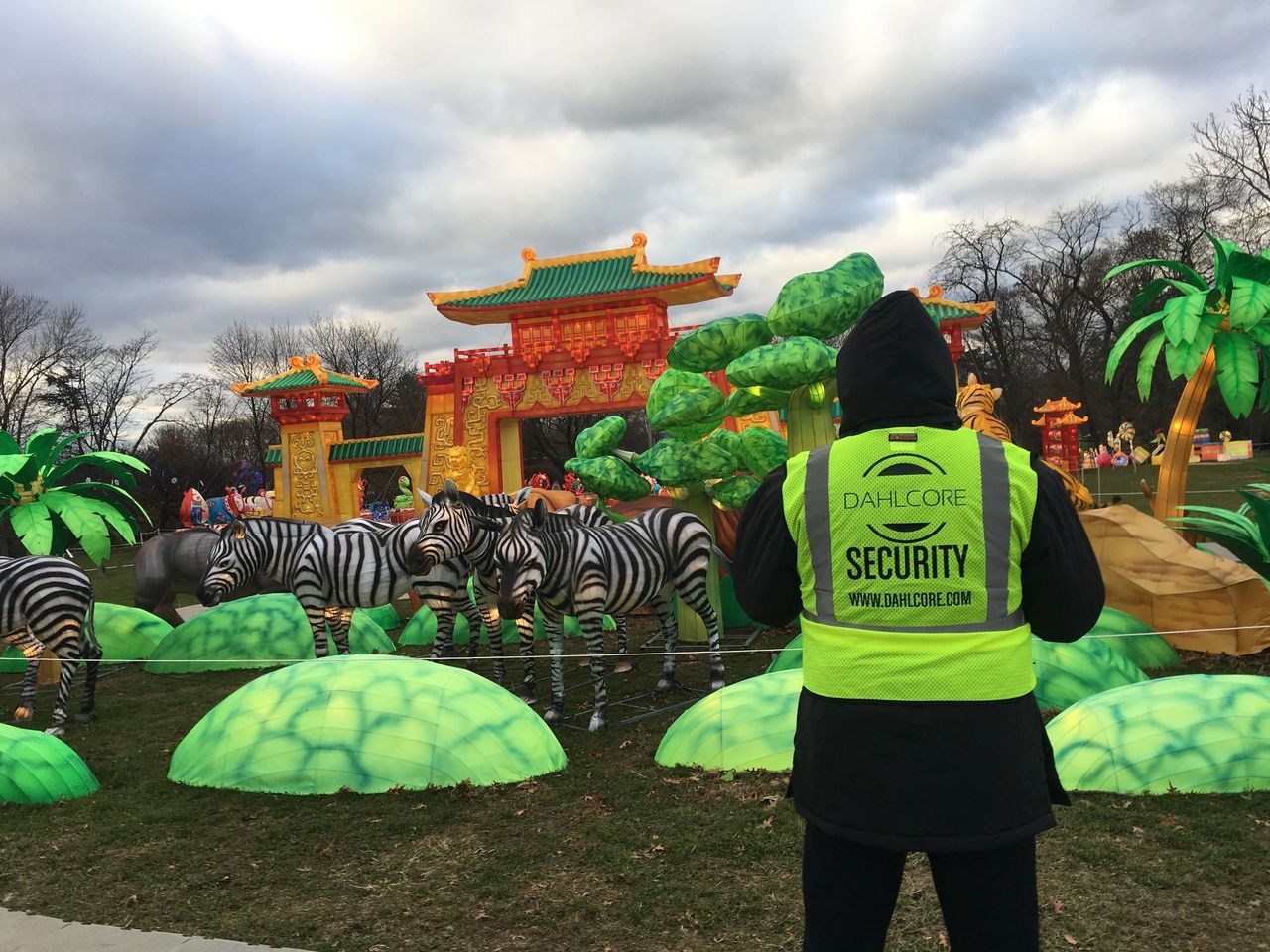
Concerts are a place of joy, music, and memories. However, there’s a rigorous process behind the scenes to ensure everyone’s safety. From the artists on stage to the last person in the audience, security remains paramount.
The importance of security at concerts
From unforeseen emergencies to the unfortunate reality of potential threats, concerts, like any large gathering, require top-notch security. After all, the memories should be of the music, not mishaps!
Overview of different security roles
While private security guards play a significant role, the presence of police officers offers an added layer of assurance due to their training, authority, and equipment.
The Role of Police Officers at Concerts
Not just any guard in uniform, police officers bring unique skills to the table.
Distinctive duties compared to private guards
Whereas private security might handle ticket validation and crowd control, police officers typically deal with more severe threats and coordinate with external emergency services.
Coordination with event organizers
Police don’t work in isolation. They collaborate with event planners to ensure seamless operations, from traffic control to potential evacuations.
Factors Determining the Number of Police
So, how many police officers for concert security do you need?
Expected audience size
Naturally, a concert with 50,000 attendees will need more officers than a gig in a cozy venue 500.
Venue layout
A sprawling outdoor festival across acres might require more police patrol than a confined indoor arena.
History of the event
Has the event witnessed disturbances in the past? Past experiences can guide present decisions.
Type of artists performing
Some artists might attract a rowdier crowd, necessitating increased police presence.
Balancing Costs with Security Needs
While safety is non-negotiable, there’s also a budget to consider.
Budget constraints
Every event has financial limits, but skimping on safety can prove costly in the long run.
Leveraging technology for efficiency
Modern tech, like surveillance cameras, can complement human efforts, ensuring comprehensive coverage without stretching the workforce too thin.
Benefits of Adequate Police Presence
It is more than just numbers; it’s about creating an environment of security.
Deterrence of criminal activities
A visible police presence can deter potential troublemakers right from the outset.
Handling emergencies efficiently
Whether a medical emergency or a lost child, trained officers can handle situations quickly and efficiently.
Potential Risks of Understaffing
Cutting corners on security can have dire consequences.
Increased vulnerability
Fewer officers could mean delayed response times or missed threats.
Potential PR nightmares
Security mishaps can quickly become headlines, tarnishing the reputation of organizers.
Comparative Analysis: Police vs. Private Guards
It’s not about one being better but understanding their unique strengths.
Training levels
Police officers undergo rigorous training, from handling weapons to crisis negotiation.
Authority and jurisdiction
Police have a more comprehensive range of powers, including arrest, which private guards might lack.
Factors Affecting Security Requirements
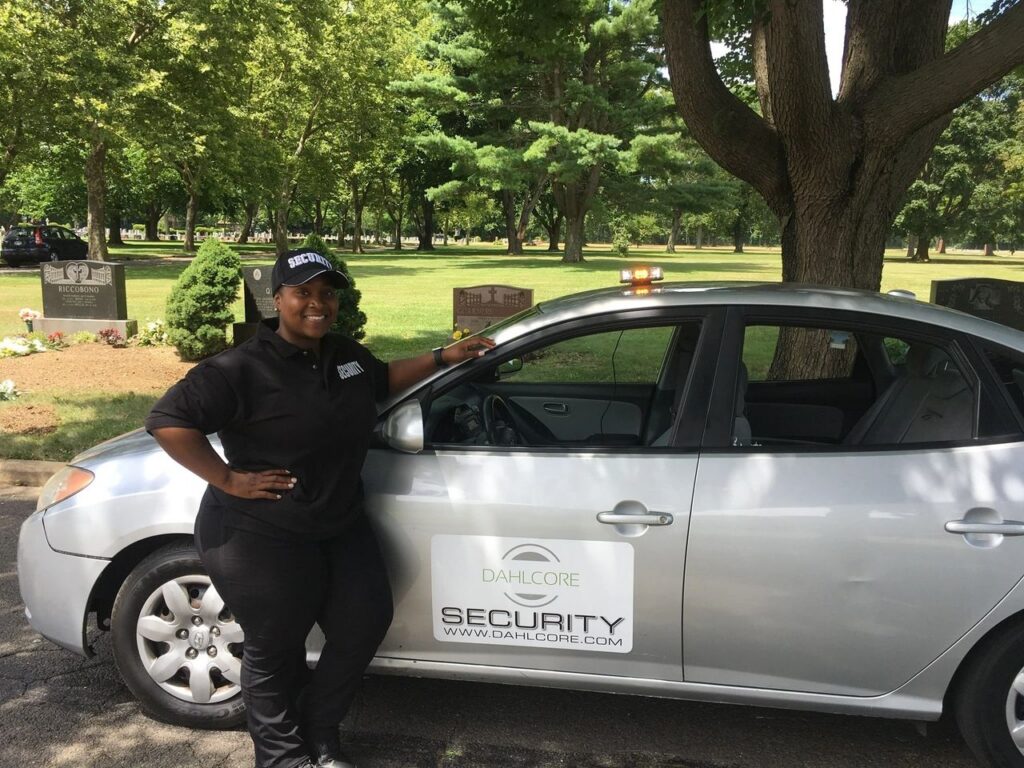
When it comes to ensuring the safety of concertgoers, the number of security personnel required can vary significantly based on several factors. Here are key considerations that affect security requirements:
Venue Size
The size of the concert venue plays a pivotal role in determining security needs. Larger venues with higher seating capacities typically require more security personnel. Large crowds are harder to monitor, making it essential to have adequate officers to maintain order and respond swiftly to incidents.
Event Type
The type of event being hosted also influences security requirements. High-profile concerts featuring international artists may attract more significant crowds and potentially more security threats. Additionally, different types of events may have unique security needs. For example, an outdoor festival may require various security measures than an indoor arena concert.
Attendee Demographics
Understanding the demographics of the attendees is crucial. Events that attract a diverse audience may necessitate more security, as varying backgrounds and interests can increase the risk of conflicts. Age groups, past incidents, and the potential for alcohol consumption should all be considered when determining security staffing.
Historical Incidents
Analyzing past incidents at similar events can provide valuable insights. If there have been security issues or disruptions in the past, it’s a clear indicator that heightened security measures are necessary for future events. Learning from past mistakes and adapting security strategies is a proactive approach to ensuring safety.
Local Regulations
Local regulations and laws can impact security requirements. Some cities or venues may have specific security guidelines that organizers must adhere to. These regulations can dictate aspects like the number of security officers, the use of metal detectors, and emergency response plans.
In conclusion, determining security requirements for a concert involves thoroughly assessing these factors. A one-size-fits-all approach doesn’t work, and event organizers must collaborate with security experts to create a tailored security plan that addresses the unique characteristics of each event.
Case Studies: Successful Security Implementation
Examining real-life examples of successful security implementation at concerts provides valuable insights into effective strategies. Here are a few case studies highlighting instances where security measures made a significant impact:
The SuperSafe Stadium Concert
Security personnel were strategically positioned in a massive stadium concert featuring a world-famous artist throughout the venue. They conducted thorough bag checks and utilized technology like metal detectors and surveillance cameras. The result was a smooth, incident-free event, with attendees feeling safe and secure.
The Festival of Harmony
An annual music festival known for its peaceful atmosphere implemented a comprehensive security plan. This included a visible security presence, a designated medical team, and communication strategies to address any concerns swiftly. The festival’s commitment to attendee safety earned it a positive reputation and a loyal following.
The Swift Response at Small Venue
Even smaller, more intimate concerts can benefit from adequate security. In one case, an altercation broke out between attendees during a performance in a small club. Security personnel swiftly intervened, preventing the situation from escalating and ensuring the safety of all present.
These case studies illustrate that successful security implementation goes beyond just the number of security officers. It involves strategic planning, communication, and a commitment to creating a safe environment for concertgoers. By learning from these examples, event organizers can enhance their security strategies and better protect attendees.
Effective Security Strategies
Creating an effective security strategy for a concert involves careful planning and adopting proven tactics. Here are some strategies that can significantly enhance concert security:
Threat Assessment
Conduct a thorough threat assessment before the event. Identify potential risks and vulnerabilities, considering factors like the artist’s popularity, the venue’s location, and the audience’s demographics. This assessment will help in tailoring security measures accordingly.
Trained Security Personnel
Hiring well-trained and experienced security personnel is crucial. They should be proficient in crowd management, conflict resolution, and emergency response. Regular training and drills can keep them prepared for various scenarios.
Access Control
Implement effective access control measures, such as ticket verification and bag checks. This ensures that only authorized individuals enter the venue, reducing the risk of unauthorized items or individuals causing disruptions.
Communication Systems
Establish robust communication systems among security personnel, venue staff, and local law enforcement. Quick and efficient communication is vital in responding to incidents promptly.
Surveillance Technology
To monitor the venue, utilize advanced surveillance technology, including CCTV cameras and metal detectors. These tools can help identify potential threats or disturbances before they escalate.
Emergency Response Plan
Have a well-defined emergency response plan in place. This includes evacuation procedures, medical assistance protocols, and explicit roles and obligations for all personnel involved.
Crowd Management
Implement crowd management techniques to ensure a smooth flow of attendees and prevent overcrowding. Proper signage, barriers, and designated areas for different activities can contribute to a safer environment.
Public Awareness
Promote public awareness of security measures in place. Clear signage and announcements can inform attendees what to expect and how to cooperate with security personnel.
Continuous Evaluation
Regularly evaluate and update security strategies based on feedback and evolving threats. Flexibility and adaptability are critical to dwelling ahead of possible risks.
Collaboration
Collaborate with local law enforcement agencies and emergency services to establish a coordinated emergency response.
Incorporating these strategies into your security plan can significantly enhance the safety of concert attendees. It’s essential to balance providing a secure environment and preserving the enjoyable experience of live music.
FAQs
Why is police presence crucial at concerts?
They bring authority, training, and equipment that can address various security concerns.
Can we rely solely on private security?
They play an essential role, combining personal protection and police ensures comprehensive coverage.
What other security measures can complement police presence?
Technologies like CCTV, metal detectors, and even drones can provide an added layer of safety.
How can organizers ensure the safety of concertgoers after the event?
Coordination with police for traffic control and designated safe zones can help.
Is there a legal requirement for police presence?
It varies by location and event size. Consultation with local authorities is advisable.
How can we determine if we have enough officers for an event?
Assessing potential threats, past experiences, and guidance from law enforcement experts can provide clarity.
Conclusion: Ensuring Safe Concert Experiences
Concerts are meant to be enjoyed; a robust security setup ensures that. While the number of police officers needed might vary, their role in safeguarding attendees remains indispensable. Here’s to safe, memorable nights of music!
