


Access Control
Access control is crucial for safeguarding organizational assets by regulating who can view or use resources within a system. It involves mechanisms like authentication, authorization, and auditing to ensure that only authorized individuals have access to sensitive information. This system not only protects against unauthorized access but also helps track and monitor user activities to maintain security and compliance.
Basics of Access Control
Despite its technical jargon, access control essentially involves managing who can or cannot use a system or resource. It’s similar to a bouncer at a club who decides which guests are allowed entry and which are turned away. This mechanism ensures that only authorized individuals have access to specific areas or information.
Significance in Modern Times
In today’s world, where information drives value and innovation, safeguarding data and physical environments has become critical. Implementing robust access control measures ensures that sensitive information remains protected from unauthorized access. This proactive approach is essential to maintaining security and privacy in both digital and physical realms.
Physical Access Control
Physical access control systems provide a direct and observable method of regulating who enters a space, making it easier to identify and respond to potential security breaches. Unlike digital systems, which operate through software and networks, physical systems involve visible components like locks, badges, and barriers that we interact with daily. This tangible nature offers a clear, immediate sense of security and control that is often more reassuring and easier to manage on a day-to-day basis.
Definition and Overview
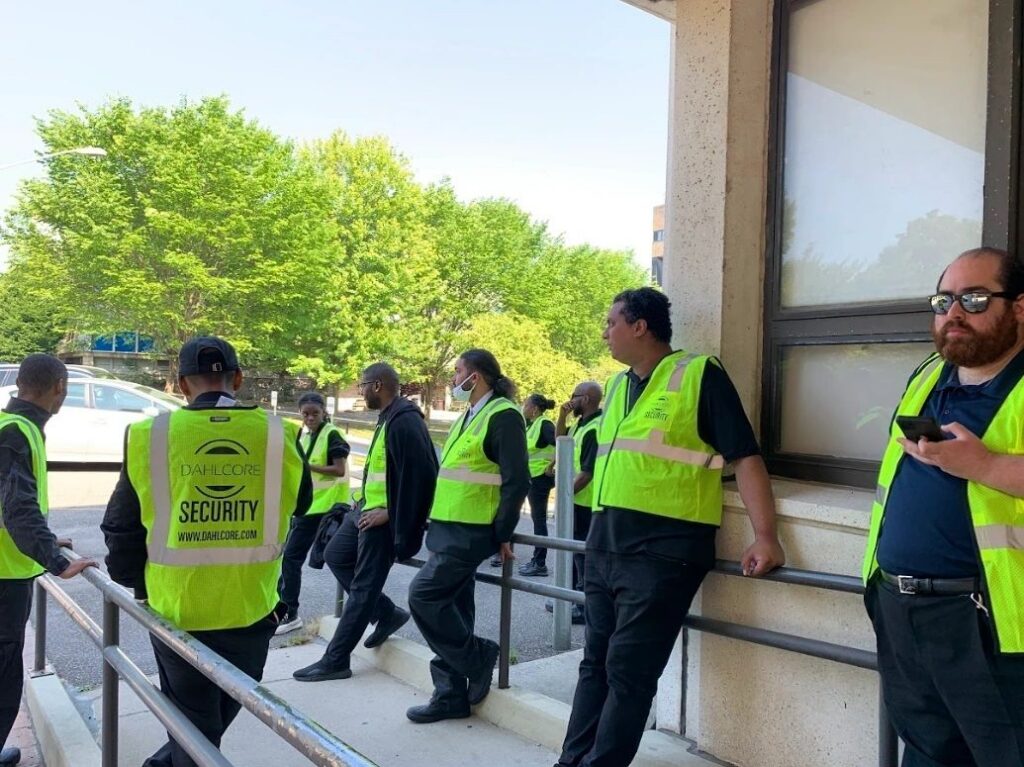
Physical access control involves mechanisms and protocols designed to prevent unauthorized individuals from gaining entry to designated physical spaces. This can include various methods such as key cards, biometric scanners, and security guards. The goal is to protect sensitive areas from unauthorized access and enhance overall security.
How Physical Access Control Systems Work
Physical Access Control Systems (PACS) are designed to secure environments by regulating who can enter or exit specific areas within a facility. Here’s how they typically work:
- Identification: The first step involves identifying an individual attempting to access the area. This is usually done through credentials like access cards, key fobs, or biometric recognition.
- Authentication: Once identification is presented, the system verifies whether it matches an authorized user. This could involve checking a PIN, verifying a fingerprint, or scanning a card.
- Authorization: After authentication, the system checks if the user has permission to access the requested area during the given time. Permissions are typically managed by a central database.
- Access: If all checks are validated, the system allows access. This usually involves unlocking a door or a turnstile.
- Audit: The system records the event, detailing who accessed the area and when. This data is crucial for security audits and monitoring.
Integrated hardware and software systems facilitate these steps and ensure that only authorized personnel can access secured areas.

Examples of Physical Access Control Systems
Physical access control systems vary widely depending on their application and the level of security required. Examples include:
- Traditional Locks and Keys: The most basic form of access control.
- Electronic Door Locks: These require a code, card, or biometric data to open.
- Turnstiles: These are used in subway systems and some high-security areas to allow one person to pass at a time after verification.
- Mantraps consist of two doors, the first of which must close before the second opens, ensuring a higher level of scrutiny.
- Biometric Systems: These include fingerprint, retina, or facial recognition systems for high-security areas.
Each type serves different security needs, from basic to high-security environments.
Advantages of Physical Access Control
Physical access control systems offer several key advantages:
- Enhanced Security: They provide a significant barrier to unauthorized access, protecting assets and personnel.
- Scalability: Systems can be expanded or customized as security needs evolve or as the facility grows.
- Integration: They can be integrated with other security measures like surveillance cameras and alarm systems for comprehensive protection.
- User Management: Administrators can easily add, remove, or change user access rights, allowing for flexible control.
- Audit Trails: They provide records of entry and exit, which are crucial for compliance, investigations, and security audits.
These systems are essential for maintaining secure environments in various settings, including corporate offices, government buildings, and more.
Importance and Benefits
Without proper physical access control, security is compromised, leading to potential breaches of confidential areas. Unauthorized personnel might gain entry, posing risks to both safety and sensitive data. The result could be significant harm to individuals and the loss of valuable intellectual property.
Limitations
But it’s not without its flaws. Lost access cards can lead to security breaches or delays, while malfunctioning biometric systems may lock users out or cause frustration. Both issues highlight the need for backup solutions and regular maintenance.
Logical Access Control
On the flip side, logical access control exists in the digital realm, managing permissions and access rights to sensitive data and systems. It ensures that only authorized users can interact with specific digital resources, protecting against unauthorized access and potential breaches. This form of control operates silently but is crucial for maintaining the security and integrity of our virtual worlds.
Definition and Overview
Logical access control manages permissions by defining who can log in, what resources they can access, and what actions they can perform. It involves mechanisms such as passwords, multi-factor authentication, and user roles. Effective logical access control helps protect sensitive information from unauthorized users and potential breaches.
How Logical Access Control Systems Work
Logical Access Control Systems (LACS) focus on protecting data and networks by ensuring only authorized users can access digital resources. Here’s how they operate:
- User Identification: Users are identified by their credentials, such as usernames or email addresses.
- Authentication: Users prove their identity through mechanisms like passwords, security tokens, or biometric data.
- Authorization: The system checks the user’s rights to access specific files, databases, or applications. This is managed through roles or security policies.
- Access Granting: Upon successful authorization, users can access the resources they are permitted to use.
- Monitoring and Logging: All user activities are monitored and logged, providing an audit trail for security purposes.
This process ensures that sensitive information and critical systems are protected from unauthorized access.
Examples of Logical Access Control Systems
Logical access control systems are crucial for IT security. Examples include:
- Firewalls: Regulate the data entering and leaving the network.
- Encryption Software: Protects data integrity and privacy during transmission.
- Antivirus Software: Helps prevent unauthorized access by malware.
- Multi-factor Authentication (MFA): Adds an additional layer of security by requiring multiple forms of verification.
- Virtual Private Networks (VPNs): Secure remote access to a network.
These tools help secure data against cyber threats and unauthorized access.

Importance of Logical Access Control
Logical access control is critical due to the following reasons:
- Data Protection: Protects sensitive information from unauthorized access and breaches.
- Compliance: Helps organizations comply with regulations like GDPR, HIPAA, and others.
- Minimized Risks: Reduces the risk of data theft, financial loss, and reputational damage.
- Remote Access: Secures remote access to resources, which is particularly important in today’s mobile and telecommuting work environments.
- Trust: Builds customer and stakeholder trust by ensuring their data is protected.
Effective logical access control is a cornerstone of modern cybersecurity strategies.
Importance and Benefits
A robust logical access control system safeguards sensitive data by restricting unauthorized access through stringent authentication and authorization protocols. By enforcing these controls, it prevents cyberattacks that could compromise data integrity or confidentiality. This protection is crucial for maintaining business continuity and minimizing operational disruptions.
Limitations
Just as with physical security, logical control systems require constant improvement to remain effective. Weak passwords or outdated software can create vulnerabilities that cyber attackers might exploit. Regular updates and strong password policies are crucial for maintaining robust cyber defenses.
How Does Physical Access Control Differ from Logical Access Control
Key Differences Between Physical and Logical Access Control
Physical and logical access control systems serve different purposes but are complementary in providing security. Key differences include:
- Focus: Physical systems secure physical assets and environments, while logical systems protect data and network access.
- Access Methods: Physical systems use locks and barriers, whereas logical systems use passwords, encryption, and similar digital methods.
- Management Challenges: Physical access involves managing physical keys or cards, while logical access involves managing user accounts and digital credentials.
- Threats: Physical access control combats threats like trespassing or theft, whereas logical access addresses cyber threats like hacking or data breaches.
Understanding these differences is crucial for implementing appropriate security measures.
Best Practices for Implementing Access Control
To effectively implement access control, whether physical or logical, follow these best practices:
- Assessment of Needs: Evaluate what needs protection and the level of security required.
- Layered Security: Use multiple security layers to ensure that breaching one does not compromise overall security.
- Regular Updates: Keep systems updated to protect against new threats.
- Training and Awareness: Ensure all users are aware of security policies and know how to use access control systems properly.
- Incident Response: Have a plan in place for responding to security breaches.
These practices help ensure that access control systems function effectively and adapt to evolving security challenges.

Implementation Considerations
Factors to Consider
When implementing access control, cost is a critical factor as it impacts the overall budget and may affect the choice between different solutions. Scalability ensures that the system can grow with the organization’s needs without requiring a complete overhaul. Ease of use is essential to ensure that both administrators and users can efficiently manage and interact with the system without significant training or complications.
Common Pitfalls and Solutions
Neglecting employee training or failing to update systems can create security gaps, making an organization vulnerable to various threats. Conducting regular audits helps identify and address these weaknesses before they can be exploited. Adopting a proactive approach ensures that systems and practices evolve to meet emerging challenges and protect against potential breaches.
Challenges in Logical Access Control
No system is foolproof, and logical access control is no exception. As cyber threats become increasingly sophisticated, several challenges emerge in maintaining impeccable logical access security.
Cyber Threats and Attacks:
- Phishing Attacks: Cybercriminals masquerading as trusted entities trick users into revealing their credentials.
- Brute Force Attacks: Attackers try multiple combinations to crack a password.
Weak Passwords:
- The simplicity of passwords, like using ‘123456’ or ‘password,’ makes systems susceptible to unauthorized access.
- Lack of regular password updates can also be a vulnerability.
Software Vulnerabilities:
- Outdated software might have loopholes that savvy cyber adversaries can exploit.
- Inconsistent patches or updates to access control software can open the door to breaches.
User Error:
- Accidental sharing of access credentials.
- Failure to log out from public systems.
Integration Challenges:
- Integrating logical access control systems with existing infrastructures without creating weak points can be tricky.
While these challenges are substantial, understanding them is the first step to ensuring that logical access control systems remain robust and effective against ever-evolving threats.

FAQs
What is the main aim of access control?
Access management guarantees that only allowed individuals can access specific resources, be it physical spaces or digital data.
How does logical access control work?
It operates digitally, using mechanisms like passwords, digital certificates, and more to authenticate users and grant or deny access.
Are there overlaps between physical and logical access control?
Yes, especially in modern setups where a physical action (like swiping a card) can lead to logical access (unlocking a computer).
Why is access control crucial in today’s age?
With rising security threats and the value of information sharing, access control is the first defense against unauthorized intrusions.
Can access control systems be hacked?
Like any system, they can be vulnerable if poorly maintained or updated. Regular security checks and updates can minimize this risk.
Which is more critical: physical or logical access control?
Both are crucial. While one safeguards tangible assets, the other protects invaluable digital data.
Conclusion
Physical and logical access controls are akin to the two vigilant sentinels guarding the fortresses of our tangible and intangible assets. By comprehending their distinct roles and interplay, organizations can weave a tight security fabric, ensuring that the treasures within remain uncompromised.
Check other blogs
Essential Reasons Why Your Business Needs Security Guards
How Much Do Celebrity Bodyguards Make?
Can Security Guards Touch You? Know Your Rights & Guards Protocol
Construction Remote Surveillance: Off-Grid Monitoring & Response
