


In an age where threats to businesses come from both external and internal sources, physical security is not just a necessity—it’s a vital investment. Whether it’s safeguarding valuable assets or protecting employees and customers, robust security measures can make all the difference. This is where a physical security consultant steps in, providing specialized expertise to create a safe and secure environment.
What is a Physical Security Consultant?
A physical security consultant is a professional who assesses, designs and implements measures to protect businesses against physical threats such as theft, vandalism, or unauthorized access. These experts conduct thorough evaluations of a company’s premises, identify potential vulnerabilities, and develop customized security plans that include surveillance systems, access control, and emergency protocols. Their recommendations help businesses enhance safety and reduce risks to employees, assets, and operations.
Key Roles and Responsibilities
- Conducting risk assessments to identify potential threats.
- Designing security plans that align with the business’s operations.
- Supervising the installation of security systems like surveillance cameras and access controls.
- Training staff on emergency response and preventive measures.
Why Businesses Need Physical Security Consultants
Businesses face a wide range of risks, including theft, vandalism, workplace violence, and natural disasters, each potentially causing significant financial and reputational damage. A security consultant brings specialized knowledge to assess these risks and develop tailored strategies to minimize their impact. By implementing effective risk mitigation measures, consultants help businesses ensure safety, continuity, and long-term success.
Mitigating Risks and Enhancing Operational Safety
- Reduces the likelihood of financial loss from theft or damage.
- Enhances the safety of employees and customers, boosting morale and trust.
- Ensures compliance with local safety regulations, avoiding potential fines or legal issues.
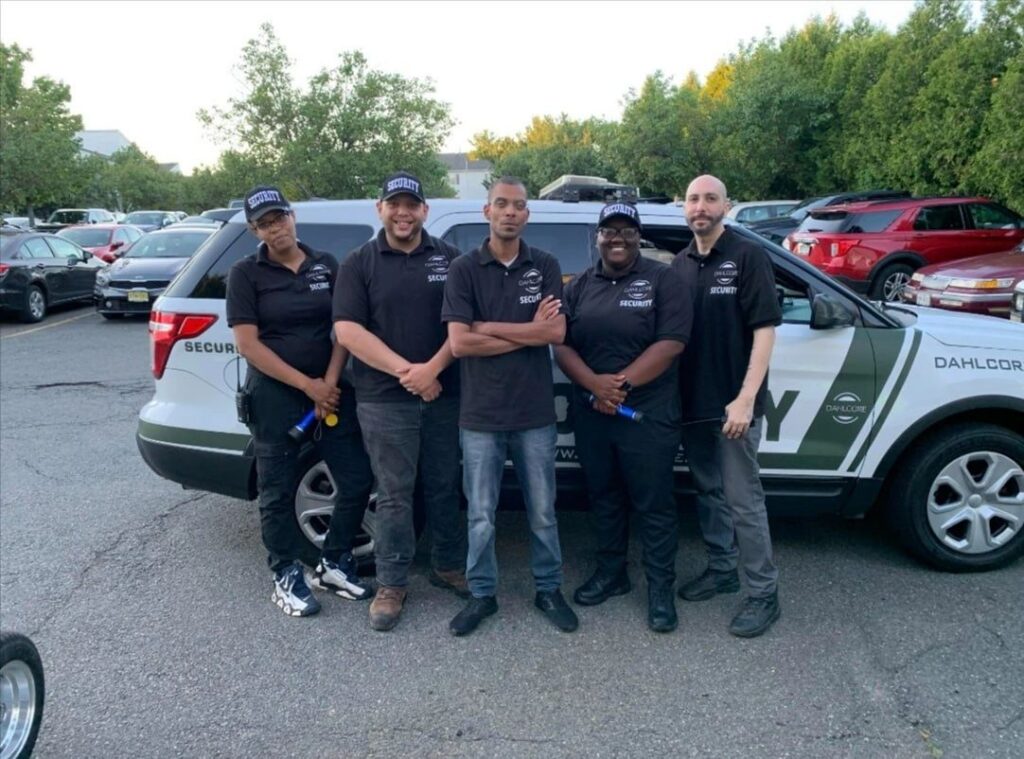
Components of Business Physical Security
Physical security is multi-faceted and involves various components working in harmony to protect a business.
Access Control
Access control systems restrict entry to authorized personnel by utilizing various tools such as keycards, biometric scanners, or security personnel. These systems are designed to ensure that only individuals with proper credentials can gain access to secure areas. They help prevent unauthorized access, enhancing overall security, and protecting sensitive information or assets.
Surveillance Systems
Monitors activities in and around the business premises using a combination of CCTV cameras and motion detectors to ensure continuous surveillance. This technology helps detect any suspicious activity or unauthorized access, providing real-time alerts to security personnel. The system enhances security by recording incidents for review and assisting in identifying potential threats.
Emergency Protocols
Plans for quick evacuation and emergency responses should outline clear procedures for safely exiting the building during fires, natural disasters, or security breaches. These plans must include designated evacuation routes, emergency contacts, and assembly points, ensuring all personnel are aware of their roles and responsibilities. Regular drills and training sessions should be conducted to ensure readiness and effectiveness in real-world emergencies.
How a Physical Security Consultant Protects Your Business
A security consultant offers more than just advice—they provide actionable strategies that can be implemented effectively.
Tailored Security Assessments and Implementation Plans
Every business has its own set of challenges, which can vary depending on factors such as size, location, and industry. A consultant will assess these specific factors to identify potential risks and develop a tailored security plan that effectively addresses your unique needs.
Ongoing Support
Many consultants offer continuous monitoring and assessments of security systems to identify vulnerabilities and ensure they stay up-to-date with emerging threats. They use advanced technologies and industry best practices to adapt to evolving risks, providing clients with peace of mind. This proactive approach helps to maintain a high level of security over time.

Evaluating Physical Security Needs for Businesses
Understanding your business’s security needs begins with identifying potential vulnerabilities, which can include physical, technological, or human factors that may pose risks. Conducting a thorough risk assessment helps pinpoint areas that require attention, enabling you to implement targeted measures to protect your assets and employees. By addressing these vulnerabilities, you can develop a proactive security strategy that mitigates risks effectively.
Identifying Vulnerabilities and Threats
- Are entry points adequately secured?
- Are there blind spots in surveillance coverage?
- Are employees aware of emergency procedures?
These questions guide a comprehensive evaluation, ensuring all bases are covered.
Types of Businesses That Benefit from Security Consulting
Certain industries face heightened risks, making physical security consulting essential.
Retail
Shops and malls need effective theft prevention strategies, such as surveillance systems, security personnel, and loss prevention technologies, to protect merchandise and ensure customer safety. Additionally, crowd management techniques, including clear signage, designated exits, and trained staff, help prevent overcrowding and ensure smooth operations during busy periods or events. These measures work together to create a secure and organized shopping environment.
Corporate Offices
Protecting sensitive data and ensuring employee safety are paramount in creating a secure and trustworthy work environment. Implementing robust cybersecurity measures and workplace safety protocols is essential to safeguarding both company assets and the well-being of staff. These priorities foster a culture of responsibility and vigilance, minimizing risks and promoting overall success.
Warehouses
Ensuring the safety of valuable inventory against theft or damage is critical for maintaining business operations and profitability. Implementing robust security measures, such as surveillance systems, secure storage, and regular audits, helps mitigate potential risks. This proactive approach minimizes losses and ensures the continuity of the business.
Critical Infrastructure
Industries such as power plants and data centers require advanced security measures to safeguard critical infrastructure from potential threats. Without robust security systems in place, they risk facing catastrophic disruptions that could lead to significant financial losses, data breaches, or even safety hazards. Ensuring the protection of these high-stakes environments is essential for maintaining operational continuity and public trust.
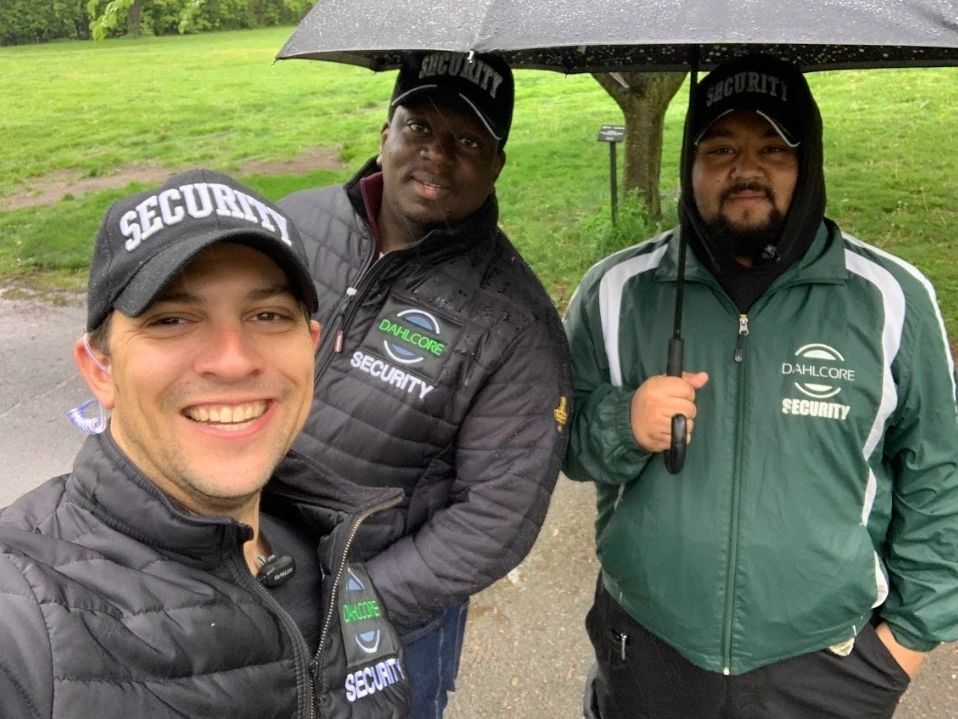
Key Skills and Expertise of a Physical Security Consultant
A top-notch consultant combines technical know-how with strategic insight.
Knowledge of Technology
They possess extensive expertise in utilizing advanced security tools, including biometric systems for precise identification, state-of-the-art alarm systems for rapid response, and sophisticated surveillance technologies for monitoring and prevention. Their knowledge ensures top-tier security solutions tailored to meet specific needs. With their advanced systems, they offer unparalleled protection and peace of mind.
Risk Assessment Expertise
Identifying and analyzing potential threats is their forte, as they excel in recognizing vulnerabilities across various systems. With a keen understanding of evolving risks, they can anticipate and mitigate security challenges before they escalate. This proactive approach ensures effective protection against both known and emerging threats.
Compliance Mastery
They help businesses navigate complex legal and regulatory frameworks to ensure compliance with physical security standards. By staying updated on evolving laws, they provide essential guidance to avoid potential fines or liabilities. Their expertise ensures businesses maintain secure and lawful operations at all times.
Role of Technology in Physical Security
Technology is revolutionizing the way businesses approach security.
Surveillance Cameras
High-definition cameras offer clear, detailed images, allowing for precise monitoring and recording of events as they unfold. These cameras are ideal for surveillance, security, and safety purposes, ensuring that no critical detail is missed. Their real-time functionality enhances immediate response capabilities and improves overall security effectiveness.
Biometric Access
Fingerprint and facial recognition technologies provide a secure, biometric method of verifying identities, ensuring that only authorized personnel can enter restricted areas. These advanced systems enhance security by offering a higher level of accuracy compared to traditional methods, such as ID cards or PINs. As a result, they effectively reduce the risk of unauthorized access and improve overall safety.
Alarm Systems
Sophisticated security systems are designed to detect breaches in real-time, sending immediate alerts to authorities for a swift response. These advanced technologies integrate sensors, cameras, and monitoring software to ensure continuous surveillance. With rapid notifications, authorities can address threats without delay, minimizing potential damage or risk.
Compliance and Legal Considerations in Physical Security
Adhering to security regulations is not just good practice—it’s the law.
Regulations and Standards for Business Security
Failing to comply with regulations can lead to significant financial penalties, reputational damage, or even legal action, which can severely impact a business. Consultants play a crucial role in helping companies navigate complex legal requirements by providing expert guidance and ensuring compliance with relevant laws and standards. This proactive approach helps businesses avoid costly mistakes while maintaining lawful operations.
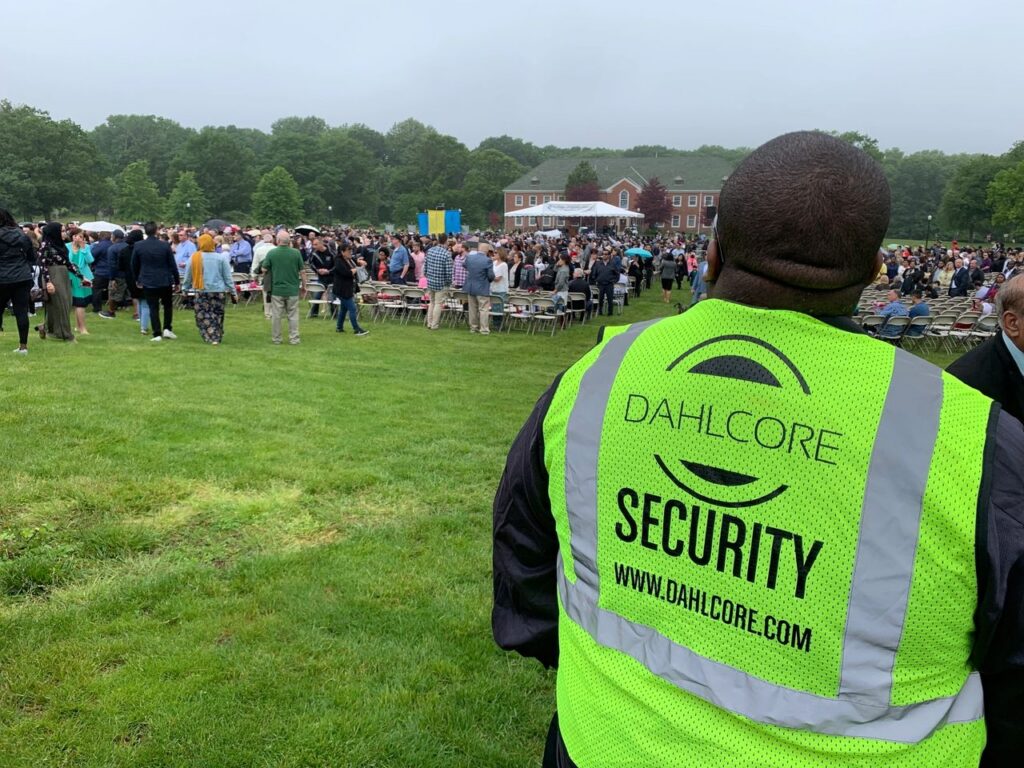
Cost-Benefit Analysis of Hiring a Physical Security Consultant
While hiring a consultant involves an upfront cost, the benefits often outweigh the investment.
Balancing Investment with Risk Mitigation
- Prevents financial losses from theft or damage.
- Avoids costly lawsuits related to inadequate safety measures.
Training and Awareness Programs by Security Consultants
A well-trained workforce is a critical component of business security.
Employee Preparedness and Crisis Management
- Regular drills for fire, evacuation, and lockdown scenarios.
- Training in recognizing and reporting suspicious activities.
How to Choose the Right Physical Security Consultant
Not all consultants are created equal. Selecting the right one requires careful consideration.
Questions to Ask
- What experience do they have in your industry?
- Are they certified by recognized organizations?
Credentials to Verify
When hiring security professionals, look for certifications like the CPP (Certified Protection Professional) or PSP (Physical Security Professional), which demonstrate advanced knowledge and expertise in the field. These certifications are awarded by organizations such as ASIS International and are recognized globally, ensuring that the individual is skilled in security management and risk mitigation. Choosing certified professionals enhances the overall security of your facility and provides peace of mind.
Common Mistakes Businesses Make in Physical Security
Understanding common pitfalls helps you avoid them.
Ignoring Threats
Many businesses fail to recognize the potential risks they face, often assuming that everything will run smoothly. This oversight can lead to significant financial, legal, or reputational damage when unexpected challenges arise. By proactively assessing risks and planning for contingencies, businesses can safeguard their operations and minimize the impact of unforeseen events.
Overlooking Insider Risks
Employees or contractors, whether intentionally or unintentionally, can pose significant threats to an organization’s security and operations. These threats may arise from negligence, carelessness, or even malicious intent, potentially leading to data breaches, theft, or safety hazards. Businesses must establish clear protocols and conduct regular training to mitigate such risks and maintain a secure work environment.
Physical Security Consultant for Business Protection
A physical security consultant brings specialized knowledge to identify vulnerabilities and design comprehensive security strategies tailored to the unique needs of a business. By assessing risks, they implement preventive measures such as surveillance systems, access control, and emergency response plans to mitigate potential threats. Their expertise ensures that a business can operate smoothly without compromising the safety of its employees, customers, or valuable assets.
FAQs
What does a physical security consultant do?
A physical security consultant assesses and designs security measures to protect assets, facilities, and personnel. They analyze risks, recommend solutions, and help implement security systems like surveillance, access control, and alarm systems.
How much does it cost to hire a physical security consultant?
The cost to hire a physical security consultant typically ranges from $100 to $300 per hour, depending on the consultant’s expertise and the scope of the project. Some consultants may charge a flat rate or offer packages for specific services.
Which industries need physical security consulting the most?
Industries such as healthcare, finance, government, and retail require physical security consulting the most due to the high value of assets and the potential for threats. These sectors often face heightened risks from theft, cyberattacks, and physical violence.
What technologies do security consultants recommend?
Security consultants typically recommend technologies such as video surveillance systems, access control systems, and intrusion detection systems. They also advocate for cybersecurity solutions like firewalls, encryption, and multi-factor authentication to protect data.
How can I verify a consultant’s qualifications?
You can verify a consultant’s qualifications by checking their professional certifications, educational background, and relevant experience in the industry. Additionally, contacting references or reviewing client testimonials can provide insight into their expertise and reliability.
Can a consultant help with compliance?
Yes, a consultant can assist with ensuring compliance by providing expertise in regulations and industry standards. They help organizations implement strategies and processes to meet legal and regulatory requirements.
Check other blogs
Neighborhood Security Patrol Cost: What You Need to Know
Essential Reasons Why Your Business Needs Security Guards
How Much Do Celebrity Bodyguards Make?
Concert Security Guards: Authority, Duties, and Legal Powers
