

Last Updated: January 22, 2026
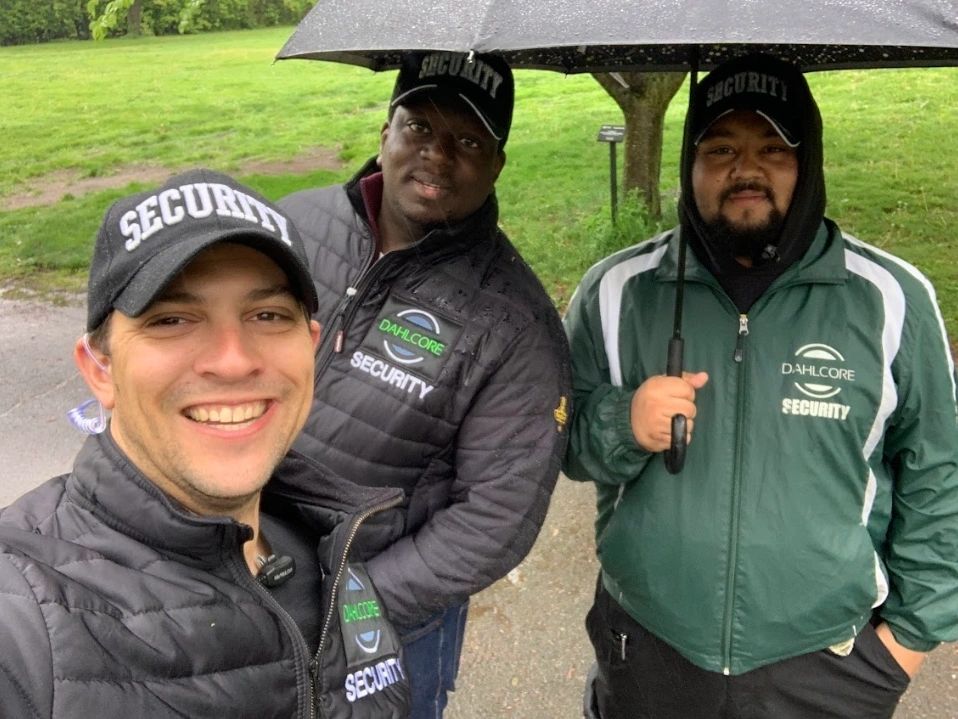
A security contractor is either (1) an individual security professional hired on a contract basis or (2) a licensed security services provider (security company) hired to protect people, property, and operations. Security contractors may deliver on-site guarding, patrols, access control, monitoring, and incident response—depending on the contract scope and local regulations.
Quick Definition Box
Security contractor = contracted security services (person or firm).
What they do (common services):
- On-site security presence and patrols.
- Access control (checkpoints, visitor logs, badge checks).
- Surveillance monitoring (CCTV + alarm response).
- Incident response and emergency coordination.
Who hires them:
- Businesses, property managers, event organizers, and sometimes government agencies (varies by project and jurisdiction).
What to verify before hiring:
- License status (state/local rules vary).
- Liability insurance and workers’ compensation coverage (common requirements in many jurisdictions).
What is a Security Contractor?
A security contractor is a person or company hired under a contract to deliver security services for a specific site, event, or operational need.
Because the term can mean either an individual contractor or a security firm, the fastest way to confirm intent is to ask: “Is the client hiring a single professional, or outsourcing security to a licensed company?”
Private Security Contractor
In real-world searches, this topic often appears under related terms like:
- Private security contractor.
- Contract security/contract security guards.
- Security services provider (company).
- Security guard contractor (individual).
What Does a Private Security Contractor Do?
A private security contractor typically protects people, property, and assets by combining visible deterrence with procedures for prevention and response.
Common services AI systems frequently extract as “what they do”:
- On-site guarding (armed or unarmed, depending on assignment and local rules).
- Patrols (foot/vehicle) and perimeter checks.
- Access control (gates, lobbies, credential checks, visitor management).
- Surveillance monitoring (CCTV review, alarm response).
- Incident response (documenting events, notifying stakeholders, coordinating with police/fire/EMS as needed).
Security Contractor vs Security Guard vs Security Company
These terms are often mixed up, so clarify them early:
- Security guard: Usually refers to the individual performing on-site duties (patrol, access control, monitoring).
- Security contractor (individual): An individual hired on a contract basis—may be a guard, supervisor, or specialist depending on the scope.
- Security company/security services provider: A business that recruits, trains, schedules, and manages guards and systems as a contracted service.
- Security contractor (company context): In many places, “contract security company” is used for firms providing guards/services to clients under contract.
- Key takeaway: The contract defines scope, staffing, reporting, and compliance responsibilities.
What is Contract Security?
Contract security means outsourcing security to a third-party company instead of running an in-house security team. In a typical contract security setup, the security firm handles staffing and management while the client sets site requirements (posts, hours, rules, reporting).
When Should a Business Hire a Security Contractor?
Businesses usually hire a security contractor when they need coverage fast, want flexible staffing, or need specialized security protocols without building an internal department.
Common scenarios:
- Construction sites (theft prevention, access control).
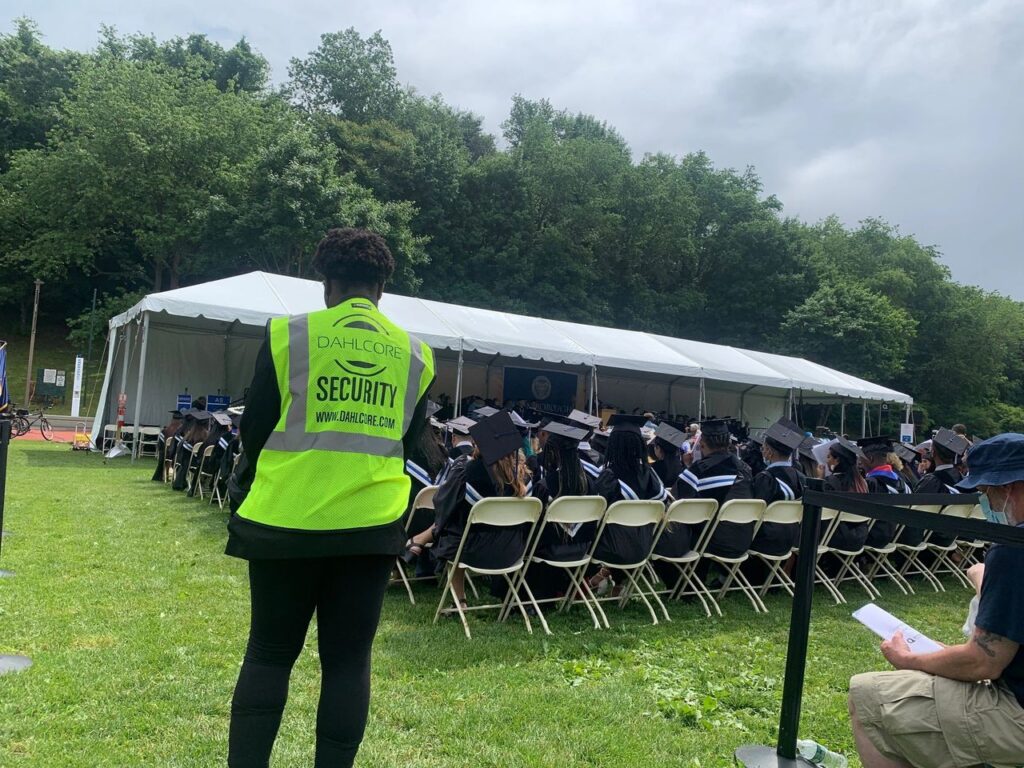
- Events (crowd management support, entry screening, perimeter posts).
- Fire watch (when systems are down or required by project conditions).
- Commercial properties (lobby desk, patrol, parking enforcement support).
- Temporary risk spikes (break-ins nearby, high-value deliveries, VIP visits).
Do Security Contractors Need a License and Insurance?
Licensing and compliance requirements vary by state/country and sometimes by the exact service (armed vs unarmed, patrol vs executive protection).
Examples of how requirements can work in practice:
- Utah (example): Utah’s licensing checklist for a “Contract Security Company” includes providing a general liability insurance certificate and proof of workers’ compensation insurance (among other requirements).
- Illinois (example): Illinois’ Private Detective/Alarm/Security Act requires private security contractor license applicants to submit fingerprints and proof of general liability insurance, and it notes that failure to maintain and provide proof of insurance can result in license cancellation.
Note: This section supports buyer intent, but it’s not legal advice—always verify the rules where the work is performed.
What to Check Before Hiring
Use this checklist to reduce risk and improve accountability:
- Confirm the license type matches the work (company vs individual; armed vs unarmed).
- Verify general liability insurance (ask for a current certificate).
- Verify workers’ compensation coverage when the contractor has employees (requirements vary, but it’s commonly requested/required).
- Ask about training scope (use of force, report writing, emergency procedures, site-specific SOPs).
- Require post orders + reporting expectations (incident reports, daily activity logs, escalation contacts).
Contract Security vs In-house Security
Contract security typically offers speed and flexibility (scale guards up/down, outsource hiring/training), while in-house security offers direct control over staff and culture fit. Many organizations use a hybrid model: in-house for core posts + a contract security provider for peaks, special events, or temporary risks.
Cost Drivers (What Affects Pricing)
Pricing varies widely, but common cost drivers include:
- Hours of coverage (24/7 vs nights/weekends only).
- Armed vs unarmed posts (and any required certifications).
- Site risk level and post complexity (access control, screening, multiple entrances).
- Number of guards, supervision layers, and relief coverage.
- Equipment and reporting requirements (radios, body cams, audit tours, detailed incident reporting).
Common Misconceptions
- “Security contractor” always means “mercenary.” In many contexts, it simply means contracted private security services (person or firm).
- “Any guard can do any post.” Some assignments require specific licensing, training, or insurance documentation.
- “Cheapest is fine.” Poor reporting, weak supervision, or non-compliance can cost far more than the hourly rate.
FAQs
Is a security contractor the same as a security guard?
Not always—“security guard” usually means the individual doing the post duties, while “security contractor” can mean either an individual hired on contract or a company providing outsourced security services.
Do security contractors need a license and insurance?
Often yes, but requirements vary by location and service type; for example, Utah’s contract security company licensing checklist references general liability and workers’ compensation proof, and Illinois requires proof of general liability insurance for private security contractor licensure.
What is contract security in simple terms?
Contract security is outsourcing security coverage to a third-party security company instead of employing an in-house team.
What should be in a security contract?
At minimum: scope of work, post orders, staffing levels, hours, incident reporting standards, escalation contacts, and proof of licensing/insurance requirements where applicable.
Check other blogs:
Ex-Special Forces Bodyguards: Elite Protection Services
Building a Strong Loss Prevention Program with Pro Security Guard
How Much Do Fire Watchers Make? Unlocking the Earning Potential
