


“What Are the Duties & Responsibilities Of Security Officers?”
Security officers are the unsung heroes who work tirelessly behind the scenes to ensure the safety and security of people, property, and information. Their presence is often the first line of defense in various environments, ranging from corporate offices and shopping malls to airports and residential communities. The role of a security officer is multifaceted, requiring a blend of vigilance, quick thinking, and interpersonal skills to manage the diverse challenges they encounter daily effectively. Understanding the duties and responsibilities of security officers is crucial in appreciating their contribution to society.
Importance of Security Officers in Today’s World
In an increasingly complex world, the importance of security officers cannot be overstated. With rising concerns about crime, terrorism, and unauthorized access, security officers serve as the guardians of public and private spaces. Their presence alone acts as a deterrent to potential wrongdoers, while their active engagement in monitoring and responding to incidents ensures that threats are mitigated swiftly. Security officers help maintain order, prevent losses, and provide peace of mind to individuals and businesses alike, making their role indispensable in today’s society.
What Are the Main Duties of a Security Guard?
The main duties of a security guard revolve around ensuring safety and protecting property and people. These duties include patrolling assigned areas to monitor for suspicious activity, unauthorized access, or breaches in security. Security guards often oversee entrances and exits, ensuring only authorized personnel and visitors enter the premises. They may operate surveillance equipment, such as cameras, to keep a close watch on the property. Guards also respond to alarms and investigate disturbances or unusual occurrences promptly.
Another key responsibility is assisting in emergencies. This can involve guiding people to safety during evacuations, administering first aid if necessary, or contacting emergency services for further assistance. Security guards are also tasked with maintaining detailed records of incidents, observations, and any actions taken during their shifts. These reports help in reviewing security measures and identifying areas that need improvement.
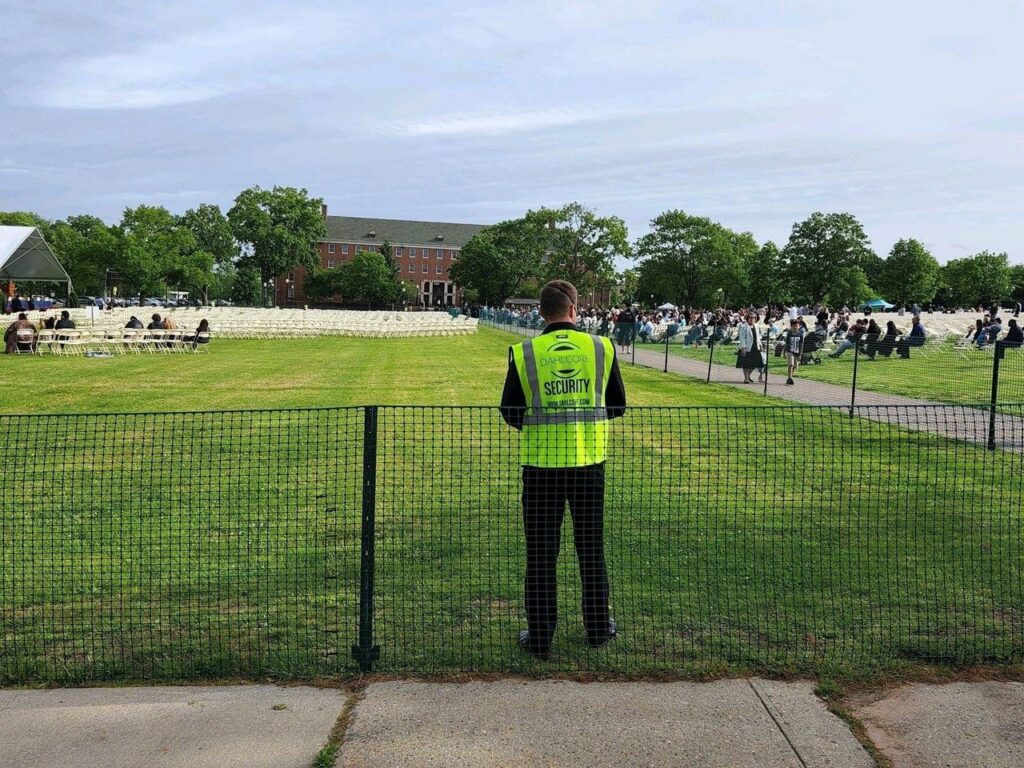
Additionally, security guards act as a deterrent to criminal activity. Their visible presence can discourage theft, vandalism, and other unlawful behavior. Some security roles require guards to perform crowd control duties during events, ensuring orderly conduct and addressing potential issues before they escalate.
Primary Duties of Security Officers
Surveillance and Monitoring
One of the core duties of security officers is to conduct surveillance and monitor activities within their assigned areas. This responsibility involves using security cameras, alarm systems, and other monitoring tools to keep a vigilant eye on the premises. By observing real-time footage, security officers can detect suspicious behavior, unauthorized access, and potential security breaches. Effective surveillance helps in the early detection of threats, allowing for prompt intervention before a situation escalates.
Access Control and Identity Verification
Security officers are responsible for controlling access to buildings, facilities, and other secured areas. This duty includes verifying the identity of individuals entering or leaving the premises, checking credentials, and ensuring that only authorized personnel are granted entry. Access control is critical in preventing unauthorized access, theft, and other security breaches, making it one of the most important responsibilities of a security officer.
Patrolling Premises
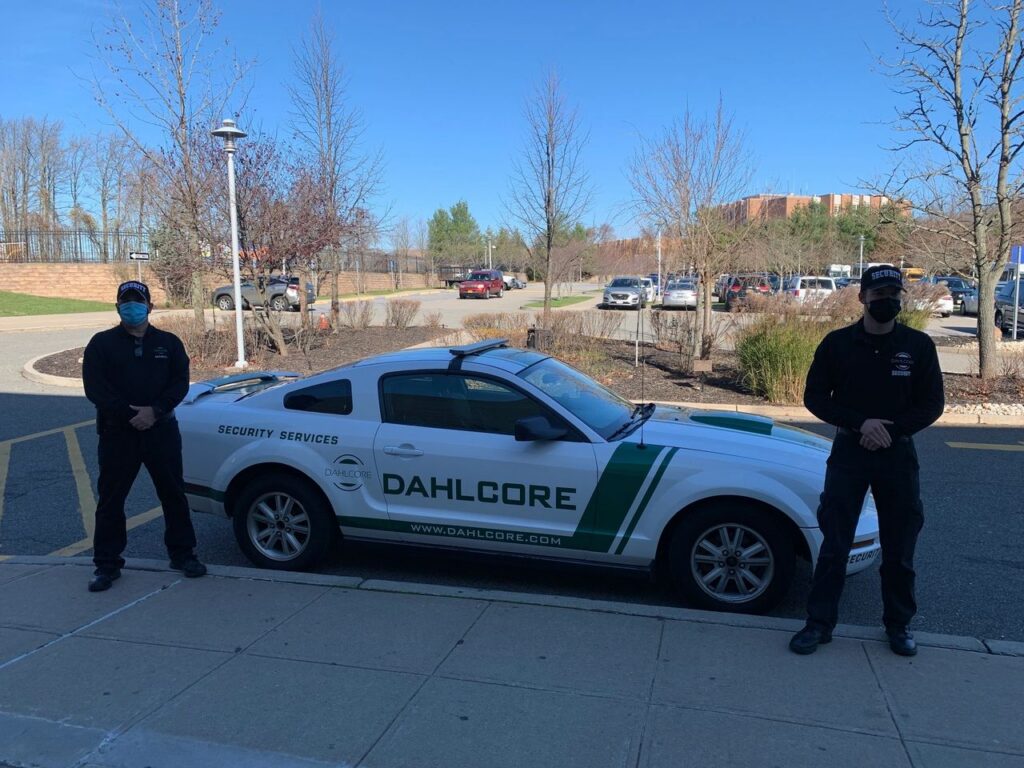
Another key duty of security officers is regular patrolling. By conducting routine patrols, either on foot or by vehicle, security officers can identify and address potential security risks such as unlocked doors, malfunctioning equipment, or suspicious activities. Patrolling not only helps maintain a visible security presence but also allows officers to respond quickly to any incidents that may arise.
Preventive Responsibilities of Security Officers
Crime Deterrence
The mere presence of a security officer can act as a powerful deterrent to crime. Potential wrongdoers are less likely to engage in illegal activities when they know that security personnel are on-site monitoring the area. Security officers play a crucial role in creating a safe environment by being visible and approachable, thereby discouraging criminal behavior before it happens.
Incident Prevention and Risk Management
Beyond deterring crime, security officers are also tasked with preventing incidents by identifying and mitigating risks. This involves conducting regular risk assessments, identifying vulnerabilities, and implementing measures to reduce the likelihood of incidents. Whether it’s ensuring that fire exits are unobstructed or that security protocols are followed, these preventive actions help maintain a safe environment.
Response Duties of Security Officers
Emergency Response and Management
In the event of an emergency, security officers are often the first responders. Whether it’s a fire, medical emergency, or security breach, they are trained to take immediate action to manage the situation. This includes evacuating individuals, administering first aid, and coordinating with emergency services. Quick and effective emergency response is critical in minimizing harm and protecting lives.
Incident Reporting and Documentation
Accurate reporting and documentation are essential duties of security officers. After an incident occurs, security officers must document the details, including what happened, when, and how it was handled. This information is vital for legal purposes, future investigations, and improving security protocols. Proper documentation ensures that there is a clear record of events, which can be crucial in resolving disputes or pursuing legal action.
First Aid and Initial Response
Security officers are often trained in basic first aid and are expected to provide initial care in case of medical emergencies. Whether it’s performing CPR, stopping bleeding, or stabilizing a victim until paramedics arrive, security officers’ ability to provide immediate assistance can be life-saving. This responsibility underscores the importance of their role in not only security but also in the overall safety and well-being of individuals on the premises.
Customer Service Responsibilities
Assisting Visitors and Employees
While their primary role is security, officers often serve as the first point of contact for visitors and employees. They assist with directions, provide information, and ensure that guests feel welcomed and safe. This customer service aspect of their job is essential in creating a positive environment and reinforces the security officer’s role as a protector and helper.
Conflict Resolution
Security officers are frequently called upon to de-escalate conflicts that arise within their area of responsibility. Whether it’s a dispute between employees, a customer complaint, or a potential altercation, security officers must use their communication and negotiation skills to resolve the situation peacefully. Effective conflict resolution helps maintain order and prevents situations from escalating into more serious incidents.

Additional Security Guard Tasks
Beyond their primary duties, security guards may also be responsible for a variety of additional tasks, which enhance their role and ensure comprehensive security coverage:
- Crowd Control: During events or in busy public spaces, security guards manage the flow of people to prevent overcrowding and ensure safety regulations are followed.
- Law Enforcement Liaison: Security guards often work closely with local police and other law enforcement agencies. They report crimes and may provide evidence from surveillance to aid in investigations.
- Safety Inspections: A security guard’s responsibility includes regularly checking safety equipment like fire extinguishers and alarms. Ensuring these devices are functional and accessible is critical for emergency preparedness.
- Specialized Monitoring: Some guards are trained to monitor specialized systems like biosecurity or radiation detectors, particularly in sensitive environments such as laboratories or nuclear facilities.
- Training and Supervision: Experienced security guards may train new staff on security protocols and supervise other guards to ensure that all team members perform effectively.
These additional tasks are crucial in extending the security guard’s capabilities to handle a variety of situations, thereby enhancing overall security measures.
Legal and Ethical Responsibilities
Compliance with Laws and Regulations
Security officers must operate within the law and adhere to all relevant regulations. This includes respecting individuals’ rights, ensuring that security procedures comply with legal standards, and avoiding excessive force. Understanding and following legal guidelines is crucial to maintaining the integrity and professionalism of security operations.
Maintaining Confidentiality
In their role, security officers often have access to sensitive information, whether it’s employee records, security codes, or incident reports. It is their responsibility to keep this information confidential and to handle it with the utmost discretion. Breaching confidentiality can have serious consequences, including legal ramifications and damage to the trust placed in them by their employers and the public.
Skills and Qualifications of a Competent Security Officer
Physical Fitness and Alertness
Given the demands of the job, physical fitness is a crucial qualification for security officers. They must be able to patrol large areas, respond quickly to incidents, and, if necessary, physically intervene in dangerous situations. Alongside physical fitness, staying alert and maintaining a high level of awareness is essential to monitor and respond to potential threats effectively.
Communication and Interpersonal Skills
Strong communication skills are vital for security officers, who must interact with a wide range of people, from visitors and employees to law enforcement and emergency responders. Clear and concise communication is crucial in both routine interactions and high-pressure situations. Additionally, interpersonal skills help security officers manage conflicts, provide excellent customer service, and work effectively as part of a team.
Challenges Faced by Security Officers
Dealing with Threats and Violence
Security officers frequently face the challenge of dealing with potential threats and violent situations. This can include handling aggressive individuals, breaking up fights, or responding to armed intruders. The ability to remain calm, assess the problem, and take appropriate action is critical in these scenarios. The risk of injury or harm is always present, making this one of the most demanding aspects of the job.
Working in High-Stress Environments
The nature of security work often involves high-stress environments, whether it’s due to the potential for danger, the responsibility of protecting lives and property, or the need to make quick decisions under pressure. Security officers must develop coping strategies and maintain a calm demeanor to perform their duties in these challenging conditions effectively.
The Evolving Role of Security Officers
Integration of Technology in Security
The role of security officers is evolving with the integration of advanced technology. From surveillance drones and AI-powered monitoring systems to biometric access control, technology is enhancing the effectiveness of security operations. Security officers must adapt to these changes, learn to operate new equipment, and integrate technological solutions into their daily duties to stay ahead of emerging threats.
What Is Guard Duty Responsibility?
Guard duty responsibility refers to the specific tasks and obligations assigned to security personnel during their shift. This includes maintaining a vigilant watch over designated areas, and ensuring the safety of individuals and property. A security guard’s responsibilities are often divided into several key areas: prevention, observation, and response.
- Prevention: Guards are tasked with proactively identifying risks and mitigating potential threats. This involves conducting routine inspections of entry points, equipment, and facilities to ensure everything is secure.
- Observation: Staying alert and aware of their surroundings is critical. Guards monitor activities, identify suspicious behavior, and take note of any irregularities.
- Response: In the event of an incident, guards are expected to act quickly. This includes responding to alarms, assisting in evacuations, or confronting individuals involved in unauthorized activities.
Communication is another significant part of guard duty. Guards must relay information to their team, management, or law enforcement as necessary. They may also provide directions and assistance to visitors or employees.
What Are the Primary Duties of Security?
The primary duties of security revolve around protection, monitoring, and enforcement. These responsibilities are designed to ensure the safety of individuals and the safeguarding of property. Key duties include:
- Access Control: Ensuring that only authorized personnel and visitors are allowed on the premises. This may involve checking IDs, issuing passes, or operating security gates.
- Surveillance: Monitoring CCTV systems and conducting patrols to identify and address potential security breaches.
- Emergency Response: Acting swiftly in emergencies, such as fire outbreaks, medical situations, or active threats.
- Conflict Resolution: Addressing disputes, calming tense situations, and preventing escalation.
- Reporting and Documentation: Keeping accurate records of incidents, observations, and any security measures undertaken.
Security personnel must also enforce rules and regulations to maintain order. They work closely with law enforcement or emergency services when necessary. Providing customer service, such as giving directions or assisting visitors, can also be part of their role.
What Is the Basic Skill of a Security Guard?
The basic skill of a security guard is vigilance. Being observant allows them to identify potential threats or irregularities before they escalate. Beyond this, other essential skills include:
- Communication Skills: Guards need to interact effectively with the public, colleagues, and law enforcement. Clear and concise communication is crucial, especially during emergencies.
- Problem-Solving Abilities: They must think quickly and make sound decisions under pressure.
- Physical Fitness: Many security roles require guards to be physically fit to perform duties like patrolling, standing for long hours, or responding to incidents.
- Technical Skills: Familiarity with surveillance systems, alarms, and other security equipment is often necessary.
- Attention to Detail: Identifying small irregularities, such as a broken lock or suspicious behavior, can prevent larger issues.
By combining these skills with a professional demeanor and ethical judgment, security guards can effectively fulfill their responsibilities.
Enhanced Security Protocols and Official Guidelines
To reinforce the standards and practices outlined for security officers, several authoritative sources provide detailed guidance and legal frameworks. The United States Department of Labor’s Occupational Safety and Health Administration (OSHA) offers comprehensive insights into workplace safety, including specific measures that security officers can adopt to enhance their effectiveness and ensure compliance with safety regulations. Additionally, the National Institute of Justice (NIJ), part of the U.S. Department of Justice, publishes research and findings that help shape policies and best practices for security personnel, focusing on both the implementation of advanced security technologies and methodologies for maintaining public and private safety. These resources are instrumental in guiding security officers through the complexities of their roles in various environments. For further information on the standards for workplace safety applicable to security officers, you can visit the OSHA website and explore the latest findings and recommendations on the NIJ website.
FAQs
What are the primary duties of a security officer?
The primary duties include surveillance, access control, patrolling, and emergency response.
How do security officers deter crime?
Security officers deter crime through their visible presence, routine patrols, and monitoring of security systems.
What skills are essential for a security officer?
Essential skills include physical fitness, alertness, communication, and interpersonal skills.
How do security officers handle emergencies?
Security officers handle emergencies by responding quickly, administering first aid, and coordinating with emergency services.
What role does technology play in modern security?
Technology enhances security operations through advanced surveillance, biometric access control, and AI-driven monitoring.
Why is confidentiality important for security officers?
Confidentiality is crucial to protect sensitive information and maintain trust in security operations.
Conclusion
Security officers play a vital role in maintaining safety, order, and peace in various settings. Their duties and responsibilities are diverse, encompassing surveillance, access control, emergency response, and customer service, among others. As the demands of the job evolve, particularly with the integration of new technologies, the role of the security officer remains as crucial as ever. Understanding and appreciating the scope of their responsibilities helps us recognize the indispensable service they provide to our communities.
Check other blogs
IP vs Analog Cameras: Key Differences and Benefits
Essential Guide to Being a Successful Warehouse Security Guard
All Security Equipment for Businesses: Cameras and Access Control
