

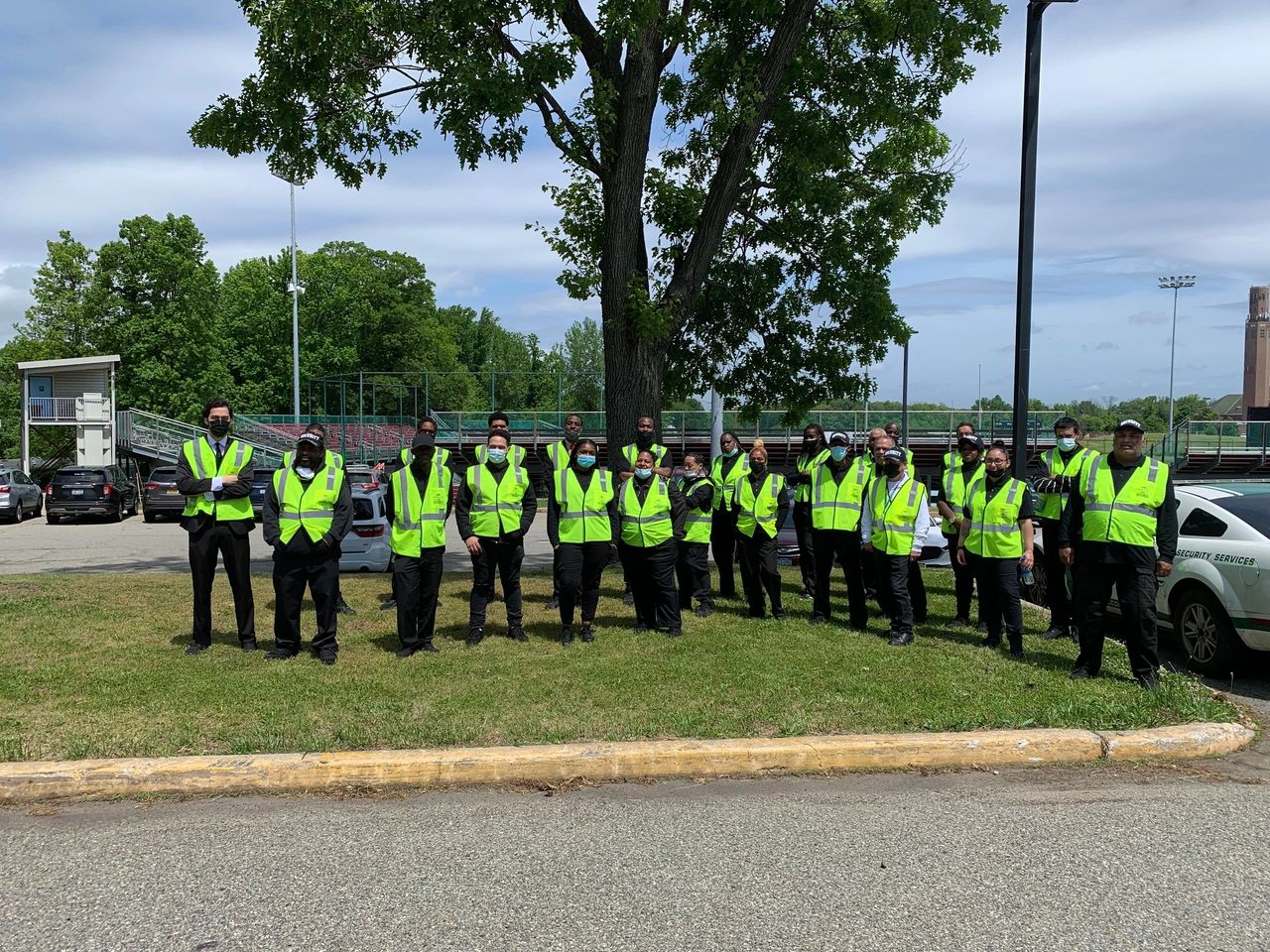
Aspiring private security contractors face a unique set of challenges and opportunities. This field demands a blend of physical prowess, mental acuity, and unwavering dedication. With the growing need for private security services, understanding the intricacies of the profession is crucial for anyone looking to thrive in this demanding yet rewarding career. In this comprehensive guide, we will delve into the essential tips that can help you navigate the path to becoming a successful private security contractor.
Understanding the Role of a Private Security Contractor
Private security contractors (PSCs) protect individuals, property, and information. Their work ranges from providing personal protection to securing sensitive sites. PSCs’ responsibilities can vary widely, including conducting risk assessments, implementing security measures, and responding to security breaches. Understanding the full scope of these responsibilities is the first step toward success in this career.
Essential Skills for Private Security Contractors
Physical Fitness and Combat Skills
Physical fitness is paramount in the world of private security. PSCs must be prepared for physically demanding situations, including confrontations and emergency evacuations. Combat skills, including proficiency in martial arts and firearms, are often necessary to ensure both personal safety and the safety of clients.
Technical Skills
In today’s digital age, technical skills are increasingly important. Familiarity with surveillance systems, cybersecurity measures, and other technology tools can significantly enhance a PSC’s effectiveness. Understanding how to operate and troubleshoot security equipment is essential.
Communication Skills
Effective communication is key in the realm of private security. PSCs must be able to convey instructions clearly, de-escalate tense situations through verbal negotiation, and maintain open lines of communication with clients and colleagues. Strong communication skills can prevent misunderstandings and promote a safer environment.
Educational Requirements and Training Programs
Relevant Degrees and Certifications
Although degrees in criminal justice, law enforcement, or related fields are not always mandatory, they can offer a comprehensive understanding of the field’s principles and practices. Obtaining certifications like the Certified Protection Professional (CPP) or Physical Security Professional (PSP) can further enhance one’s qualifications and demonstrate expertise. Employers highly value these educational credentials and certifications, and they can significantly improve career prospects in the security industry.
Specialized Training Programs
Specialized training programs tailored to private security are invaluable, as they provide focused instruction on key skills necessary for the field. These programs often cover advanced security tactics, emergency response, and crisis management, ensuring participants are well-prepared for various scenarios. Enrolling in such programs can significantly enhance your skill set and marketability, making you a more competitive and capable security professional.
Gaining Relevant Experience
Military or Law Enforcement Background
Many Private Security Contractors (PSCs) come from military or law enforcement backgrounds. The experience gained in these fields is highly transferable, as it provides a strong foundation in discipline, tactics, and operational security. This background equips PSCs with the skills necessary to handle high-pressure situations, maintain safety protocols, and effectively manage security operations in various environments.
Internships and Volunteer Opportunities
For those without a military or law enforcement background, internships and volunteer opportunities in security roles can be highly beneficial. These positions offer practical, hands-on experience, allowing individuals to understand the complexities and responsibilities involved in the field. Additionally, such roles provide networking opportunities and can serve as a stepping stone to more advanced positions within the security industry.
Licensing and Certification
State and Federal Requirements
Licensing requirements for Private Security Companies (PSCs) differ significantly depending on the state or country. To comply with local regulations, it’s crucial to understand the specific prerequisites in your area, which can involve detailed background checks, mandatory training hours, and passing relevant exams. By ensuring all these criteria are met, PSCs can operate legally and effectively within their jurisdiction.
Important Certifications
Certifications like the Personal Protection Specialist (PPS) and Certified Protection Officer (CPO) are critical for establishing credibility and demonstrating expertise. These certifications often require a combination of education, experience, and passing rigorous exams. Holding such certifications can significantly enhance a professional’s career prospects, opening up opportunities for higher-level positions and increased responsibilities in the field of security and protection services.
Building a Professional Network
Industry Events and Conferences
Attending industry events and conferences is an excellent way to build a professional network, providing a platform to connect with influential professionals and industry leaders. These gatherings offer opportunities to meet potential employers, learn about the latest industry trends, and gain insights from expert speakers through keynote sessions and workshops. Additionally, they allow attendees to engage with peers, share experiences, and collaborate on potential projects, fostering a sense of community and support within the industry.

Online Professional Groups
Online platforms like LinkedIn host a wide range of professional groups dedicated to private security, catering to various interests and specializations within the field. By joining these groups, individuals can gain access to exclusive job postings tailored to their expertise, stay updated with the latest industry news, and engage in discussions about emerging trends and challenges. Additionally, these groups offer invaluable networking opportunities, connecting members with industry leaders, potential employers, and like-minded professionals for career growth and collaboration.
Navigating the Job Market
Top Employers
Recognizing the critical players in the private security industry is essential for effectively targeting your job search. Prominent employers in this field include established private security firms known for their comprehensive services, multinational corporations that require extensive security measures for their global operations, and government contractors who offer specialized security solutions for sensitive projects. By focusing on these leading employers, you can align your job applications with the most influential and potentially rewarding opportunities in the industry.
Job Search Strategies
Effective job search strategies encompass several key elements: networking allows you to tap into hidden job markets and gain referrals, online job boards provide access to a wide range of opportunities across industries, and collaborating with specialized recruitment agencies can connect you with roles tailored to your security skills. It’s essential to customize your resume and cover letter for each application, emphasizing pertinent qualifications and achievements to stand out to potential employers.
Writing a Compelling Resume
A compelling resume should prioritize your extensive security experience, highlighting roles where you’ve implemented robust security measures and protocols. Include relevant certifications like CISSP or CEH, which demonstrate your commitment to professional development and expertise in the field. Additionally, showcasing specific skills such as threat analysis, penetration testing, and compliance management further reinforces your qualifications and can differentiate your resume in competitive job markets.
Legal and Ethical Considerations
Understanding the Legal Framework
Public Safety Communications (PSCs) operate within a multifaceted legal environment where adherence to laws governing the use of force, privacy protections, and surveillance practices is crucial. Comprehensive knowledge of these legal frameworks is essential to navigating potential legal challenges, upholding ethical standards, and ensuring operational compliance. By staying informed and implementing policies that align with legal requirements, PSCs can maintain trust, protect individual rights, and effectively fulfill their public safety responsibilities.
Ethical Dilemmas and Best Practices
Ethical considerations play a crucial role in the field of private security, where professionals frequently encounter dilemmas involving the delicate balance between client interests and legal or moral responsibilities. Upholding best practices and maintaining integrity are fundamental in navigating these challenges effectively and responsibly. By adhering to ethical standards, private security contractors can ensure they operate ethically and sustain trust within their professional engagements.

Personal Safety and Risk Management
Identifying and Mitigating Risks
Risk assessment is a fundamental aspect of private security, requiring Private Security Companies (PSCs) to excel in recognizing potential threats and developing effective countermeasures. This process necessitates ongoing surveillance and analysis to stay ahead of evolving risks. Consequently, PSCs must remain flexible and responsive, adjusting their strategies to address new and emerging security challenges.
Personal Safety Strategies
Personal safety strategies encompass situational awareness, which involves being mindful of your surroundings and recognizing potential threats. Defensive tactics, such as self-defense techniques, equip individuals to protect themselves during dangerous encounters. Emergency preparedness ensures that one is ready to respond effectively to various crises, thereby maintaining personal safety and enabling the protection of others.
Essential Equipment and Gear
Standard Equipment
Private security contractors (PSCs) typically use standard equipment such as body armor, firearms, and communication devices to ensure their safety and effectiveness in the field. Being proficient with this equipment is crucial, as it enables PSCs to respond promptly and effectively in high-risk situations. Regular maintenance checks are essential to ensure that all gear functions appropriately and remains reliable during operations.
Advanced Technology Tools
Advanced technology tools, including drones, biometric scanners, and advanced surveillance systems, can significantly improve the efficiency and effectiveness of security operations. These tools enable real-time monitoring, rapid response, and accurate identification, thereby enhancing overall security. Keeping abreast of the latest technological advancements ensures that security measures remain up-to-date and capable of addressing emerging threats.
The Importance of Continuous Learning
Keeping Up with Industry Trends
The security industry is constantly evolving, driven by technological advancements and emerging threats. Professionals in this field must engage in continuous learning and professional development to stay updated with the latest trends and best practices. This ongoing education is crucial for maintaining a competitive edge and effectively safeguarding assets in an ever-changing landscape.
Advanced Training Opportunities
Engaging in advanced training opportunities, such as cyber security courses or advanced combat training, can significantly enhance your skill set and broaden your career prospects. These specialized programs provide in-depth knowledge and hands-on experience, making you more competitive in the job market. Additionally, they demonstrate your commitment to professional growth and your ability to adapt to evolving industry demands.
Work-Life Balance and Mental Health
Managing Stress
The demanding nature of private security work often results in high levels of stress due to long hours, high stakes, and constant vigilance. To maintain long-term success in this field, it is essential to adopt effective stress management strategies. Regular exercise, practicing mindfulness, and seeking support from peers or professionals can significantly alleviate stress and improve overall well-being.
Finding a Healthy Work-Life Balance
Maintaining a healthy work-life balance is crucial to prevent burnout and sustain long-term productivity and well-being. This involves setting clear boundaries between work and personal time, allowing individuals to recharge and engage in activities they enjoy. Prioritizing personal time and ensuring adequate rest are essential components, helping to reduce stress and improve overall health.
Future Trends in Private Security
Emerging Technologies
Emerging technologies like artificial intelligence (AI) and blockchain are poised to revolutionize the security industry by enhancing threat detection, response times, and data integrity. Keeping up-to-date with these advancements enables professionals to anticipate and mitigate potential security risks effectively. By staying informed, individuals and organizations can leverage these technologies to maintain a competitive edge and ensure robust security measures.
Changing Industry Landscape
The industry landscape is continually changing, with new threats and challenges emerging due to technological advancements, market shifts, and evolving consumer preferences. Companies must stay vigilant and proactive, constantly analyzing trends and adjusting their strategies to navigate uncertainties and seize opportunities. Adapting to these changes and remaining flexible is critical to long-term success, as it enables businesses to innovate, stay competitive, and meet the dynamic needs of their customers.
What do PMCs actually do?
Private Military Companies (PMCs) provide a range of specialized services to government agencies, corporations, and non-governmental organizations (NGOs). These companies typically offer military and security solutions in environments where conventional military forces are either unavailable or inappropriate. PMCs operate under various legal frameworks and can be hired to carry out a diverse set of tasks.
- Security Services: PMCs often provide personal protection for high-profile individuals, security for events, and protection for critical infrastructure, such as oil fields or government installations.
- Training and Consulting: Many PMCs offer training programs for military, law enforcement, or private security personnel, helping to enhance tactical and operational skills.
- Logistical Support: PMCs assist in the movement of military personnel, supplies, and equipment, especially in conflict zones. They may be responsible for maintaining supply chains and ensuring the readiness of military units.
- Combat Operations: In some cases, PMCs engage in direct combat, supporting military operations in conflict areas. They may be used to supplement regular forces, offering expertise in specific combat techniques.
- Intelligence Services: Some PMCs provide intelligence gathering and analysis, assisting governments and organizations with strategic decisions in areas like counterterrorism and risk management.
The scope of services provided by PMCs is broad, and they often operate in complex and dangerous environments. This makes them vital players in global security, particularly when traditional military or police forces are not suitable or available.
What is a PMC contractor?
A Private Military Company (PMC) contractor is a professional employed by a PMC to provide specific services related to military, security, or logistical support. Contractors are typically former military personnel, law enforcement officers, or individuals with specialized skills and experience in combat, intelligence, or tactical operations.
PMC contractors can be involved in a variety of roles, depending on their skill set and the needs of the employer. These roles include:
- Security Contractors: These individuals may be tasked with protecting high-value targets, such as diplomats, executives, or critical infrastructure, from potential threats.
- Combat Contractors: They may participate in direct combat operations, providing support to military forces in conflict zones. Their role may involve active engagement in firefights, patrols, or assisting in strategic operations.
- Logistical Support Contractors: Contractors specializing in logistics manage the transportation, supply, and maintenance of equipment and personnel, ensuring smooth operations in challenging environments.
- Training Contractors: Some contractors are hired to train military or security personnel in specialized fields, including weapons training, tactical operations, and survival techniques.
PMC contractors typically work on a contractual basis, with their terms of service and compensation varying widely based on the company and the nature of the assignment. These contractors often operate in high-risk environments, and their work requires a high level of expertise, flexibility, and discipline.
Enhancing Your Path to Becoming a Private Security Contractor
Embarking on a career as a private security contractor requires a blend of specialized skills, comprehensive training, and a deep understanding of the legal frameworks governing the profession. To support your journey, consider the following resources:
1. General Schedule Qualification Standards
The U.S. Office of Personnel Management (OPM) outlines the minimum qualification requirements for various occupational series, including those pertinent to private security contractors. Familiarizing yourself with these standards can provide clarity on the educational and experiential prerequisites for federal positions in the security sector.
2. Security Training Programs by the Center for Development of Security Excellence (CDSE)
The CDSE offers a range of security courses and products tailored for Department of Defense personnel, contractors, and other federal agencies. Engaging with these training programs can enhance your expertise and prepare you for the diverse challenges encountered in the field.
FAQs
What qualifications do I need to become a private security contractor?
Qualifications typically include relevant degrees, certifications, and training programs. Military or law enforcement experience is also highly valued.
How can I gain experience if I don’t have a military or law enforcement background?
Consider internships, volunteer opportunities, and entry-level security positions to gain practical experience.
What are the critical skills required for private security contractors?
Key skills include physical fitness, combat skills, technical proficiency, and strong communication abilities.
How do I stay updated with industry trends and advancements?
Regularly attending industry events, participating in professional groups, and pursuing continuous education can help you stay updated.
What legal considerations should I be aware of?
Understanding the legal framework governing the use of force, surveillance, and privacy is essential. Familiarize yourself with both state and federal regulations.
How can I manage stress and maintain a healthy work-life balance?
Developing stress management strategies and setting boundaries between work and personal life are crucial for maintaining a healthy work-life balance.
Conclusion
Becoming a successful private security contractor requires a combination of skills, experience, and continuous learning. By understanding the role, gaining relevant qualifications, and staying updated with industry trends, aspiring PSCs can navigate the challenges and opportunities of this dynamic field. Maintaining a focus on personal safety, ethical practices, and professional development will ensure a rewarding and impactful career in private security.
Check other blogs
Is a Security Guard Eligible to Be a 1099 Contractor?
Strategies for Enhancing Security on Commercial Shipping Vessels
Reporting Incidents and Suspicious Activities
Why Is Fire Safety Important? | Dahlcore Fire Watch Services NYC
