

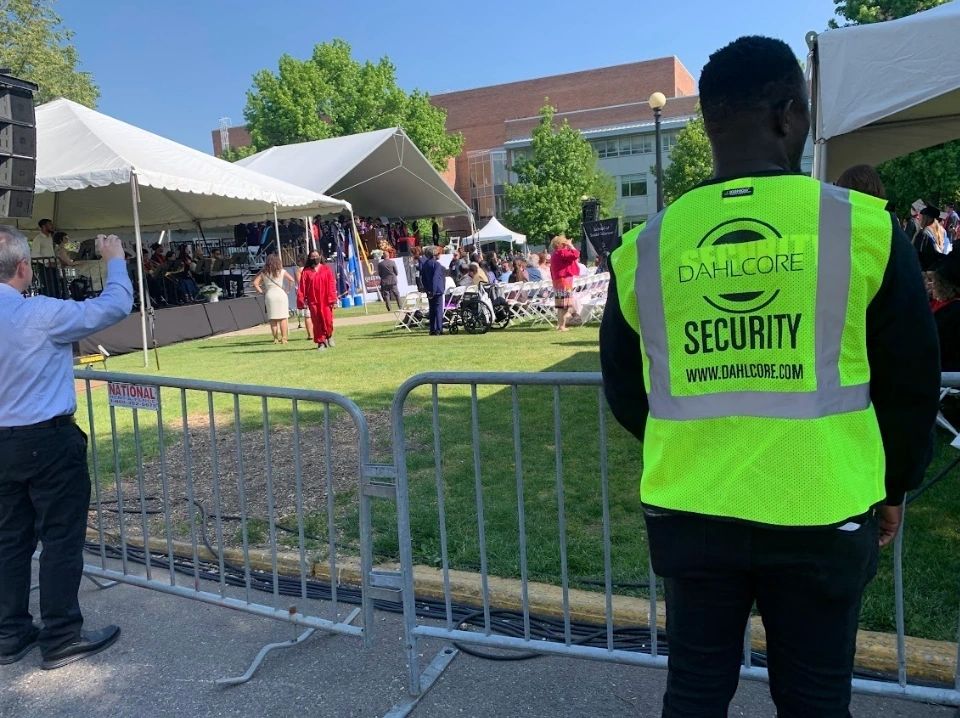
The world of security is vast and varied, with professionals playing a pivotal role in maintaining safety and order. At the heart of this profession lies the guard card, a crucial piece of identification that signifies one’s eligibility and training as a security officer. Understanding the importance of guard cards and the comprehensive requirements set forth for security personnel is essential for anyone looking to venture into this field.
What is the Purpose of a Security Guard?
The primary purpose of a security guard is to ensure the safety and security of individuals, property, and assets. They act as a deterrent to criminal activity, including theft, vandalism, and other potential risks. Security guards are often employed in various environments, including retail stores, corporate offices, warehouses, hospitals, schools, and residential areas. Their role can vary, but generally, they are tasked with monitoring surveillance equipment, patrolling premises, and responding to incidents or emergencies.
A security guard’s responsibilities may include:
- Surveillance: Observing the area through closed-circuit television (CCTV) or physically patrolling the property.
- Emergency Response: Quickly responding to alarms, incidents, or medical emergencies.
- Access Control: Managing entry and exit points, checking identification, and ensuring only authorized individuals enter restricted areas.
- Report Writing: Documenting incidents, suspicious activities, or security breaches.
- Conflict Resolution: Addressing disputes or disturbances calmly and professionally to avoid escalation.
In addition to preventing crime, security guards provide peace of mind to employees, customers, and residents. They often serve as the first point of contact for anyone in need of assistance, and their presence helps create a sense of security. Moreover, security guards contribute to an overall safer environment, making it harder for potential criminals to succeed in their unlawful activities.
Importance of a Guard Card
The importance of a guard card must be balanced in the security industry. First, it provides a level of public assurance, as individuals carrying a guard card have been vetted and trained according to state or national standards. Second, it helps maintain a standard of professional conduct and competence among security personnel. Finally, possessing a guard card often opens up more employment opportunities within the security field, as many employers require this certification for hiring.
What Does a Guard Card Look Like?
Have you ever wondered what sets a guard card apart? It’s not just any ID card; it’s a testament to one’s qualifications and trustworthiness as a security professional. A typical guard card features crucial details such as the holder’s name, photograph, signature, and identification number, alongside state-specific security features to prevent forgery. This section will dive deep into the physical and informational attributes that make guard cards unique and essential.
Physical Appearance
Size and Shape
A guard card’s compact size and shape also make it easy to store and access, ensuring that security personnel can quickly present it when required. Additionally, the uniform design helps create consistency across the industry, ensuring guards across various locations and companies carry an easily recognizable form of identification.
Material
Guard cards are typically constructed from high-quality plastic or a plastic-coated material, ensuring they withstand daily handling and environmental factors. Their robustness is crucial for maintaining their appearance and functionality, as they are often presented or displayed in various security-related situations.
Security Features
Guard cards are equipped with advanced security features like holograms, watermarks, magnetic stripes, and microprinting, all designed to make duplication or forgery extremely challenging. These elements not only enhance the card’s security but also allow for easy and reliable verification of its authenticity by authorized personnel.
Information Displayed
Personal Details
The guard card may also include the cardholder’s license number, expiration date, and the issuing authority to ensure its validity and compliance with regulations. In some cases, the card features a security hologram or barcode for added protection against counterfeiting. These elements combined make the guard card an essential tool for verifying the identity and qualifications of security personnel.
Issuing Authority
The card includes the name and contact details of the issuing authority, such as a state department of public safety or a private licensing agency, ensuring its authenticity. This information not only allows for easy verification of the card’s legitimacy but also serves as a direct point of contact for inquiries. By having these details prominently displayed, it ensures that individuals and organizations can confirm the card’s validity with confidence.
Expiration Date
The expiration date serves as a reminder for security personnel to renew their certification before it becomes invalid. Regular updates help maintain the effectiveness and credibility of the security staff, ensuring they stay compliant with industry standards.

Visual Elements
Logo or Emblem
The logo or emblem often represents the credibility and authority of the issuing organization, ensuring that security guards are recognized as legitimate professionals. This visual element also enhances trust and facilitates seamless verification by employers and the public.
Background Design
The background design of a guard card is typically detailed with patterns, images, or holographic elements that enhance both the card’s aesthetic and its security. These design features help prevent unauthorized duplication, ensuring the card’s authenticity and protecting against fraud.
Color Scheme
The color scheme of a guard card is strategically selected to convey professionalism, ensuring it stands out while maintaining a formal appearance. Additionally, the colors chosen may hold symbolic significance or align with the branding and regional identity of the issuing authority or organization.
Variations by Jurisdiction
State-specific Requirements
In the United States, for example, each state has its own regulations regarding the necessary training, testing, and licensing requirements for security guards to obtain a guard card. Additionally, some states may require ongoing education or periodic background checks to maintain and renew the guard card.
Different Formats or Layouts
The design and structure of guard cards can differ across various jurisdictions, influenced by specific regulatory requirements. Despite these variations, essential details such as the guard’s name, license number, and expiration date are typically maintained to ensure uniformity and compliance.
How to Get Started as a Security Guard?
Getting started as a security guard typically involves fulfilling a few essential requirements, obtaining relevant certifications, and seeking employment. While specific regulations and steps may vary depending on the region, here are the general guidelines:
- Meet the Basic Qualifications: Most security guard positions require candidates to be at least 18 years old, have a clean criminal record, and possess a high school diploma or equivalent.
- Complete Required Training: Depending on the location and the specific type of security work, security guards must complete a training program. This training may cover areas such as emergency procedures, conflict resolution, surveillance techniques, and basic first aid. Training duration can range from a few weeks to a few months.
- Obtain Certification or Licensing: In many areas, security guards are required to obtain a license or certification. This may involve passing a background check, completing additional training, and demonstrating competency in various security tasks. For example, some regions may require guards to be licensed by a state or national body.
- Apply for Jobs: Once training and certification are complete, security guards can start applying for positions. These may be found in a variety of industries, from commercial buildings to events and transportation hubs. Many security companies offer entry-level positions that provide on-the-job experience.
- Advance Your Career: With experience, security guards can specialize in specific areas, such as surveillance monitoring, armed security, or event security. Additional certifications or training can further enhance career prospects.
- Stay Updated on Industry Standards: Security regulations and technology are constantly evolving, so it’s crucial to stay informed about industry trends and maintain ongoing training to remain competitive in the field.
The Application Process for a Guard Card
Applying for a guard card involves several steps to ensure that individuals meet the necessary criteria for security work. Firstly, applicants must complete an initial training program that covers the basics of security work, including powers to arrest and terrorism awareness. This training must be completed before applying for the guard card.
Once the training is complete, applicants can fill out the guard card application provided by the state’s licensing authority. This typically involves providing personal information and fingerprints and passing a background check. The background check helps to ensure that applicants do not have a criminal history that would disqualify them from security work.
The application process also includes paying a fee, which varies by state. After submitting all necessary documentation and fees, applicants must wait for the licensing authority to process their application. This can take several weeks, and once approved, the guard card is issued, and the individual can begin working as a licensed security guard.
Training Requirements for Guard Cards
Training requirements for guard cards typically include a combination of classroom instruction and practical training. The curriculum generally covers:
- Public relations (interacting with the public and de-escalation techniques)
- Observation and documentation (report writing and observing details)
- Communication and its significance (using radios and other communication devices)
- Legal aspects and liabilities (understanding the laws related to security work)
- Handling emergencies (first aid, evacuation procedures, and disaster response)
- Terrorism awareness and response strategies.
In most states, the initial training requirement is around 40 hours, with additional training required within the first six months to one year of employment. Continuing education is also often required to maintain a guard card.

Renewal and Maintenance
Guard card holders must regularly renew their credentials to ensure they remain valid and up-to-date, typically every two years. Regular maintenance includes completing ongoing training and staying informed about changes in security protocols and laws. Failure to renew or maintain a guard card can result in the suspension or revocation of the license, affecting one’s ability to work legally in the security field.
Legal Obligations and Responsibilities
Individuals with a guard card are legally required to adhere to state regulations and standards governing security personnel. They must report any criminal activities or suspicious incidents they witness while on duty. Additionally, they are responsible for maintaining a professional demeanor, respecting the rights and privacy of individuals, and performing their duties without prejudice or discrimination.
Benefits of Holding a Guard Card
Having a guard card provides individuals with the legal authority to work as security officers, enhancing their employment opportunities. It signifies that the holder has met the necessary background checks and training requirements, instilling trust from employers and the public. Furthermore, a guard card can lead to higher wages and career advancement within the security industry.
How to Verify the Authenticity of a Guard Card
To verify the authenticity of a guard card, one can check the unique identification number on the card against the state’s online database of licensed security personnel. It is essential to ensure the card has not expired and that the photo and name match the individual presenting it. Any discrepancies should be reported to the relevant licensing authority for further investigation
What is the Best Salary for a Security Guard Job?
The salary of a security guard can vary widely depending on factors such as location, industry, experience, and level of responsibility. On average, security guards earn between $30,000 and $45,000 annually in the United States. However, the best salary for a security guard depends on several key aspects:
- Location: Salaries tend to be higher in urban areas or regions with a higher cost of living. For example, security guards in cities like New York, Los Angeles, or Chicago typically earn more than those working in smaller towns or rural areas.
- Industry: Security guards working in specialized industries, such as corporate offices, government buildings, or high-risk environments, often earn higher wages. Guards responsible for protecting valuable assets, sensitive information, or high-profile individuals may receive additional compensation.
- Experience: Entry-level security guards typically earn less than those with years of experience. Experienced professionals can command higher salaries, especially if they have advanced certifications, specializations, or supervisory roles.
- Level of Responsibility: Armed security guards or those responsible for more critical security tasks often earn more than unarmed guards. Supervisory or managerial positions also offer higher pay due to the added responsibilities of overseeing teams or operations.
- Certifications: Obtaining specialized certifications, such as firearms training or advanced security certifications, can lead to higher-paying roles. Some security guards may also receive bonuses or raises for demonstrating proficiency in areas like surveillance technology or emergency response.
Considering these factors, the highest-paying security guard roles can range from $50,000 to over $70,000 annually for those in supervisory or specialized positions. Overall, the best salary for a security guard job is one that aligns with the individual’s skills, experience, and the specific demands of the position.
What is the Highest Paid Security Guard?
The highest-paid security guards are typically those in specialized or high-risk roles that require advanced training and certifications. These positions may involve more responsibility, such as protecting high-profile individuals, valuable assets, or government property. The highest-paid security guards often work in sectors where security is critical, such as corporate security, government facilities, and event security for VIPs.
Here are some examples of high-paying security guard positions:
- Executive Protection (Bodyguard): Executive protection specialists, also known as bodyguards, provide personal security to high-profile individuals, such as celebrities, CEOs, or government officials. These positions demand extensive training in physical defense, crisis management, and surveillance. Depending on the client, bodyguards can earn between $50,000 and $150,000 annually.
- Armed Security Guards: Armed security guards, particularly those working in high-risk environments such as banks, jewelry stores, or government buildings, typically earn more due to the dangerous nature of their work. Their salaries can range from $40,000 to $70,000 per year, depending on experience and location.
- Security Managers/Supervisors: Security guards who transition into supervisory roles overseeing teams or managing security operations for large organizations can command higher salaries. In these positions, the average salary is often in the range of $60,000 to $90,000 annually.
- Specialized Security Roles: Some security guards may work in specialized areas like cybersecurity or surveillance monitoring. These roles often require technical skills in addition to traditional security expertise, leading to higher pay. Salaries for these positions can vary but often exceed $80,000 per year.
- Government and Military Security Jobs: Security professionals who work for government agencies or in military settings often earn top-tier salaries due to the complexity and risks associated with their work. For instance, a federal security officer may earn a salary of $70,000 to $100,000 per year or more.
Overall, the highest-paid security guards are those who specialize in complex, high-risk environments and possess advanced skills, certifications, and experience. They are compensated for the specialized nature of their duties, which often involve protecting valuable assets or individuals.
Understanding New York State Security Guard Requirements
In New York, obtaining a guard card is a multi-step process governed by the Department of State. Applicants must submit an application, undergo fingerprinting, pass a criminal background check, and complete mandatory training courses. Additional steps may be required for those seeking to carry firearms, including specialized training and annual recertification.

FAQs
How long does it typically take to obtain a guard card?
Obtaining a guard card can vary by state, but typically, it takes 4-8 weeks after completing all necessary training and passing the background checks.
Is a guard card valid across different states?
A guard card’s validity can vary; some states have reciprocity agreements, while others require you to obtain a new license if you move or work across state lines.
What happens if my guard card is lost or stolen?
If your guard card is lost or stolen, you should report it immediately to the issuing authority and follow their procedures to obtain a replacement.
Can I still work as a security guard if my guard card has expired?
No, you cannot legally work as a security guard with an expired guard card. You must renew your card before it expires to continue working without interruption.
What are the ongoing requirements to maintain a guard card?
Ongoing requirements typically include completing continuing education, adhering to industry standards, and renewing your card before it expires, usually every two years.
How can I verify the authenticity of someone else’s guard card?
You can verify the authenticity of a guard card by checking with the state’s licensing authority, often through their online verification system.
What should I do if I suspect a guard card is counterfeit?
If you suspect a guard card is counterfeit, report it immediately to the local authorities and the state licensing board for investigation.
Conclusion
Embarking on a career as a security guard is a commendable and significant decision. The guard card serves as a foundational element, symbolizing one’s dedication, training, and adherence to the highest standards of safety and professionalism. As we conclude, remember that the journey of a security guard is one of continuous learning, ethical practice, and community service.
Check other blogs
Security Officer Job: Ensuring Safety and Protection
Safe Education: Access Control Solutions for Institutions
