

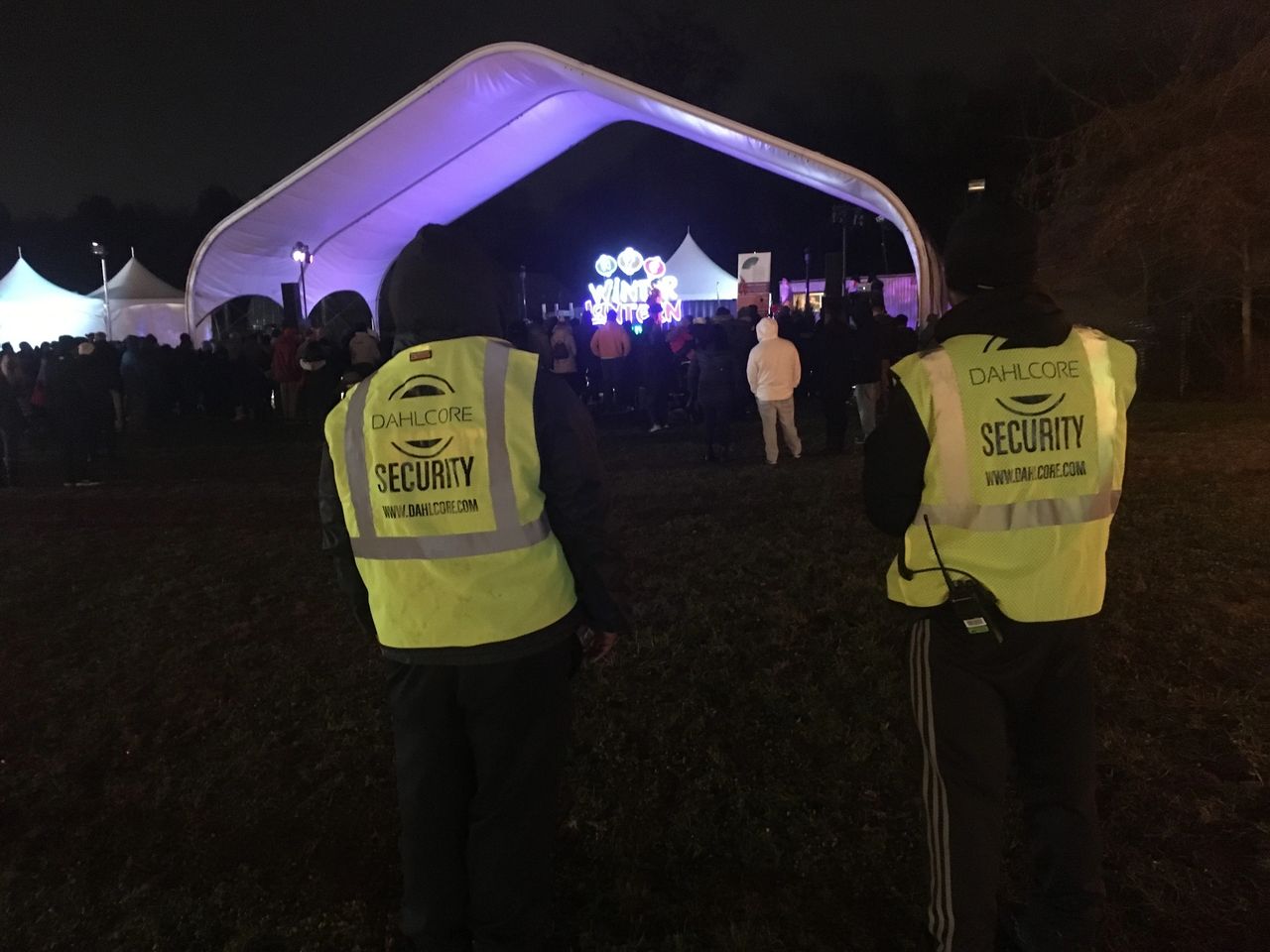
“What is an Executive Protection Agent and How They Operate”
In today’s world, the need for personal security has never been greater, particularly for those in the public eye or holding significant corporate power. This is where Executive Protection Agents (EPAs) come into play. They are the unsung heroes who operate behind the scenes to ensure the safety and security of their clients. But what exactly does an Executive Protection Agent do, and how do they operate?
Understanding Executive Protection
Definition of Executive Protection
Executive protection refers to security and risk mitigation measures taken to ensure the safety of high-profile individuals such as corporate executives, politicians, celebrities, and others who might be exposed to elevated personal risk due to their status, wealth, or affiliations. This specialized form of security goes beyond traditional bodyguard duties to include comprehensive security planning and risk management.
Importance of Executive Protection
The importance of executive protection cannot be overstated. High-profile individuals face a variety of threats, including physical assault, kidnapping, and other forms of harassment. Executive protection agents mitigate these risks through a combination of proactive and reactive strategies, ensuring that their clients can perform their duties without fear of personal harm.
Roles and Responsibilities of an Executive Protection Agent
Personal Security
At the heart of an EPA’s responsibilities lies ensuring personal security, encompassing close protection of clients with a focus on physical safety. This role demands constant vigilance and readiness to swiftly address potential threats, necessitating proximity to deter and react to any immediate dangers effectively. A key aspect of their duties involves proactive risk assessment and strategic planning to mitigate potential security breaches.
Threat Assessment
EPAs, or Executive Protection Agents, undertake meticulous threat assessments to pinpoint potential risks by scrutinizing the client’s daily activities, habits, and existing threats. Using this comprehensive evaluation, they craft personalized security strategies designed to mitigate specific vulnerabilities and ensure optimal protection for their clients. This approach ensures that security measures are finely tuned to address unique circumstances and potential dangers effectively.
Travel Security
Traveling poses unique security challenges. EPAs manage all aspects of their client’s travel security, from securing transportation to ensuring safe routes. This includes planning, securing accommodations, and sometimes accompanying the client on their journeys to ensure their safety throughout.
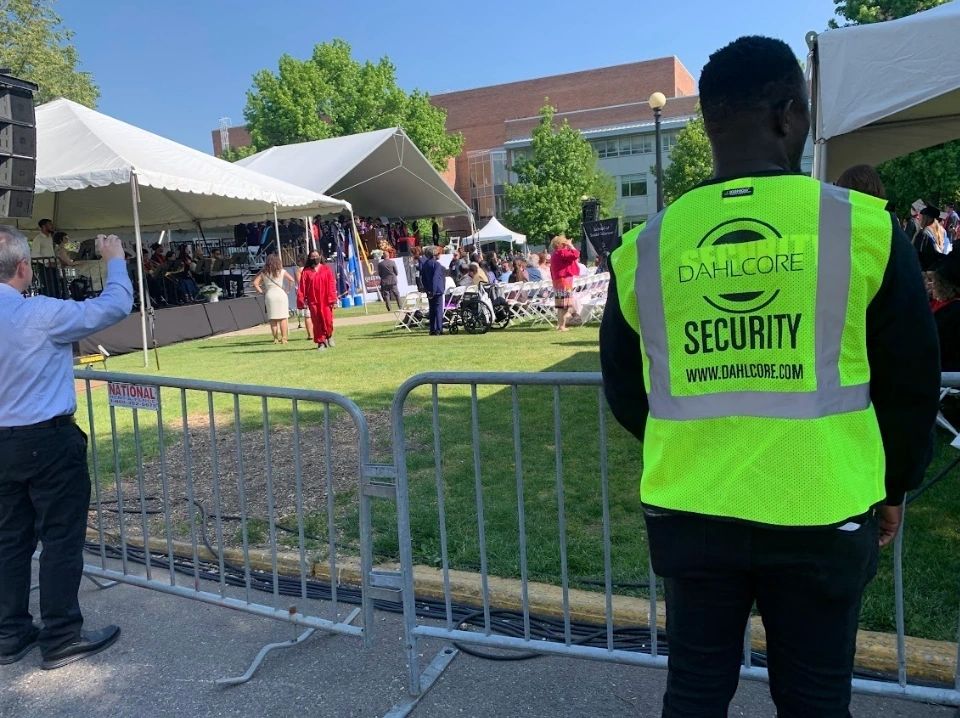
Event Security
Event Protection Agents (EPAs) play a critical role in securing high-profile events by overseeing venue security, collaborating closely with event organizers, and vigilantly observing attendees for any signs of risk. Their primary objective is to safeguard participants and maintain a secure environment, all while allowing the event to proceed smoothly and without interruption. This comprehensive approach helps mitigate potential threats and ensures the safety of all involved.
Crisis Management
In times of crisis, Emergency Preparedness Assistants (EPAs) utilize their specialized training to address and minimize the impact of emergencies swiftly. Whether facing a medical crisis or a security threat, their expertise enables them to maintain composure and effectively lead responses, prioritizing client safety above all else. Through their preparedness and decisive actions, EPAs play a crucial role in safeguarding individuals and managing critical situations with competence and efficiency.
Skills and Qualifications Needed
Physical Fitness
EPA agents must maintain peak physical fitness due to the demanding nature of their role, requiring agility, strength, and endurance for extended periods. Regular physical training is crucial to ensure they can meet the rigorous demands of their job, which often involves long hours of standing and physical exertion. This commitment to fitness supports their ability to perform effectively in various operational scenarios.
Tactical Training
Executive Protection Agents (EPAs) engage in rigorous tactical training, encompassing defensive tactics, firearm proficiency, and advanced driving skills. These preparations equip them to safeguard clients adeptly, especially in volatile or dangerous environments. Their comprehensive training aims to guarantee adequate protection under diverse and challenging circumstances.
Communication Skills
Emergency Preparedness Analysts (EPAs) rely heavily on their adept communication abilities to liaise effectively with clients, team members, and local authorities. Clear and concise communication ensures seamless coordination of security protocols and enables swift responses to emergencies, enhancing overall preparedness and safety measures. These skills are instrumental in mitigating risks and maintaining operational readiness in critical situations.
First Aid and Medical Training
Emergency Medical Assistants (EMAs), crucial in urgent situations, undergo rigorous training in first aid and essential medical procedures. Their expertise enables them to deliver prompt medical assistance, bridging the gap until specialized medical professionals can intervene, ensuring timely care and potentially saving lives. This training equips EMAs with vital skills to manage emergencies effectively, emphasizing rapid response and critical initial medical interventions.
Legal Knowledge
EPAs must grasp the legal ramifications of their decisions, particularly concerning self-defense, use of force, and privacy laws. This understanding is crucial for ensuring their actions align with legal frameworks, allowing them to navigate intricate scenarios while mitigating legal risks. By adhering to these laws, EPAs can operate confidently within established boundaries, safeguarding both themselves and those they serve.

Operational Procedures of Executive Protection Agents
Planning and Preparation
Planning and preparation form the cornerstone of an EPA’s responsibilities, involving meticulous research, threat evaluations, and logistical strategies. These measures are essential to preemptively address and minimize any potential risks that may arise during operations. By undertaking these steps, EPAs ensure comprehensive readiness and effective management of unforeseen challenges.
Route Analysis
EPAs meticulously study travel routes, examining traffic flows and pinpointing potential hazards along the way. They strategically identify safe zones and develop contingency plans to navigate unforeseen emergencies. This meticulous route analysis is crucial for optimizing safety and efficiency throughout their clients’ journeys.
Surveillance and Counter-Surveillance
Environmental Protection Agencies (EPAs) maintain constant vigilance over their surroundings, employing surveillance methods to detect and analyze potential threats. These agencies utilize sophisticated techniques to monitor activities and swiftly identify any suspicious behavior that could endanger environmental stability. Additionally, EPAs implement robust counter-surveillance strategies to thwart attempts by adversaries aiming to monitor their operations covertly.
Coordination with Local Authorities
EPAs, or Environmental Protection Agencies, frequently collaborate with local law enforcement and security agencies to ensure coordinated responses to potential threats. This collaboration facilitates efficient incident management and strengthens overall security strategies. Establishing robust relationships with local authorities further enhances the effectiveness of environmental protection efforts and crisis management initiatives.
Types of Clients and Environments
Corporate Executives
Executive Protection Agents (EPAs) play a crucial role in safeguarding corporate executives, offering security and peace of mind during meetings, events, and everyday routines. Their expertise ensures a secure environment, allowing executives to focus on their responsibilities without concerns about personal safety. This specialized service is essential in mitigating risks associated with high-profile positions and maintaining confidentiality and operational integrity.
Celebrities and High-Profile Individuals
Celebrities, with their high public profiles, encounter distinct security challenges necessitating Executive Protection Agents (EPAs). These professionals safeguard them from intrusive fans, paparazzi seeking sensational photographs, and potential security risks. EPAs coordinate security measures for public appearances and private events and ensure safety throughout their daily activities, mitigating risks that arise from their fame and visibility.
Politicians and Government Officials
Due to their public visibility and policy decisions, politicians and government officials face significant risks from political violence and terrorism. Executive Protection Agencies (EPAs) play a crucial role in safeguarding them during public appearances, political rallies, and in their daily lives. By deploying security measures, EPAs not only mitigate potential threats but also reassure officials and the public, contributing to overall stability and confidence in governance.

Technology in Executive Protection
Surveillance Equipment
Environmental protection agencies (EPAs) extensively utilize advanced surveillance equipment, including cameras and drones, to monitor and assess environmental conditions, ensure compliance with regulations, and safeguard ecosystems. This technology significantly boosts situational awareness, enabling continuous and detailed observation of vast areas that are often challenging to cover manually. Additionally, the integration of real-time data feeds allows for swift and effective responses to emerging threats or incidents, enhancing overall environmental protection efforts.
Communication Devices
State-of-the-art devices such as encrypted radios and smartphones greatly enhance effective communication among EPAs and their teams. These technologies provide a secure and reliable means for coordinating security efforts in various operational scenarios. They ensure that information can be swiftly and confidentially exchanged, bolstering overall operational effectiveness.
Vehicle Technology
EPAs utilize specialized vehicles fitted with advanced security measures such as bulletproofing, GPS tracking systems, and emergency response capabilities. These features ensure safe and secure transportation, particularly in high-risk environments, meeting the stringent security needs of their clients. These vehicles are equipped to swiftly respond to any potential threats or emergencies that may arise during transit.
Challenges Faced by Executive Protection Agents
High-Stress Situations
Environmental Protection Agencies (EPAs) frequently navigate high-stress settings requiring swift decision-making. Maintaining composure is essential as they manage stress to uphold operational efficiency and safeguard client well-being. This balance enables EPAs to execute responsibilities effectively amidst challenging environmental scenarios.
Maintaining Discretion
EPAs, or Executive Protection Agents, face the delicate task of ensuring security without drawing undue notice, necessitating a nuanced approach to their duties. Their effectiveness hinges on maintaining a subdued presence while remaining vigilant and prepared to act swiftly if needed. Achieving this balance demands skill in navigating situations with discretion and sensitivity to potential threats.
Adapting to Different Cultures
Executive Protection Agents (EPAs) frequently accompany clients worldwide, requiring them to adapt to diverse cultural contexts quickly. This adaptability ensures they can navigate and respect various local customs, enhancing the security services they provide. By understanding these norms, EPAs maintain professionalism and ensure their actions align with cultural sensitivities wherever they operate.

Legal and Ethical Considerations
Privacy Laws
Environmental Protection Agencies (EPAs) play a crucial role in adhering to privacy laws to protect the rights of their clients and the public. By navigating these regulations effectively, EPAs ensure they operate within legal boundaries, preventing potential legal complications. This understanding is essential for maintaining ethical standards while fulfilling their responsibilities in environmental protection and regulation.
Use of Force
Executive protection agents (EPAs) undergo rigorous training to judiciously apply force, considering security imperatives alongside legal and ethical boundaries. Their expertise ensures they can respond effectively to potential threats without compromising safety or violating rights, emphasizing a nuanced approach to force application in dynamic scenarios. This preparation equips EPAs to safeguard clients while upholding professional standards and adhering to legal frameworks, fostering trust and security in their protective roles.
Confidentiality Agreements
Estate planning attorneys (EPAs) handle sensitive client information, necessitating stringent confidentiality measures. These agreements safeguard privacy and foster trust between attorneys and clients. Ethically, EPAs prioritize upholding these agreements to maintain confidentiality and uphold professional standards.
Training and Certification
Accredited Training Programs
EPAs, or Executive Protection Agents, undergo intensive training in accredited programs designed to equip them with a diverse skill set. This training encompasses defensive tactics, emergency response protocols, and a comprehensive understanding of legal principles relevant to their duties. By completing these rigorous programs, EPAs are thoroughly prepared to meet the multifaceted challenges inherent in their roles of protecting clients and ensuring their safety in various environments.
Continuous Education
The field of executive protection undergoes constant evolution, demanding ongoing education and training for EPAs to master new techniques, technologies, and best practices. This dedication to learning is crucial for EPAs to maintain the highest standards in security, adapt to emerging threats, and enhance client safety. By staying informed and trained, EPAs uphold their commitment to delivering effective and up-to-date protective services.

FAQs
What is the primary role of an Executive Protection Agent?
The primary role of an Executive Protection Agent is to ensure the safety and security of high-profile individuals by mitigating potential threats and providing comprehensive security measures.
What skills are essential for an Executive Protection Agent?
Essential skills for an Executive Protection Agent include physical fitness, tactical training, communication skills, first aid and medical training, and legal knowledge.
How do Executive Protection Agents assess threats?
Executive Protection Agents assess threats by evaluating the client’s lifestyle, routines, and known risks, then develop tailored security plans to address specific vulnerabilities.
What technology is used in executive protection?
The technology used in executive protection includes advanced surveillance equipment, secure communication devices, and specialized vehicles with security features like bulletproofing and GPS tracking.
What challenges do Executive Protection Agents face?
Executive Protection Agents face challenges such as dealing with high-stress situations, maintaining discretion, and adapting to different cultures while providing security.
What is the future of executive protection?
Trends and innovations, including advances in AI and robotics, are shaping the future of executive protection. These enhance security measures and response capabilities.
Conclusion
Executive Protection Agents are essential for shielding high-profile individuals from diverse and evolving threats worldwide. Their rigorous training encompasses a broad spectrum of skills, including tactical maneuvers and risk assessment, bolstered by cutting-edge technological tools. In today’s dynamic security landscape, these professionals not only mitigate immediate risks but also anticipate and preempt potential dangers. Continual adaptation to emerging threats and advancements ensures that EPAs uphold unparalleled standards of security and safety for their clients.
Check other blogs
Strategies for Protecting Construction Site from Liability Issues
Top Causes of Inventory Shrinkage and Loss Unveiled
Balancing Visibility and Discretion in Construction Security
The Role of Security in Dispensary Customer Experience
Check also our Executive Security
