

In today’s retail environment, ensuring the security of both assets and customers is more critical than ever. With increasing threats such as shoplifting, employee theft, and cyber-attacks, retail stores must adopt comprehensive security strategies. This article delves into practical methods to enhance retail store security, providing a safe shopping experience and safeguarding valuable assets.
Understanding Retail Store Security
Retail store security measures are multifaceted and designed to thwart theft, fraud, and various malicious acts. These efforts combine physical barriers, like surveillance cameras and alarms, with digital defenses, such as encryption and cybersecurity protocols. Comprehensive staff training complements these measures, ensuring a vigilant and responsive approach to maintaining a safe shopping environment.
Common Security Threats in Retail Stores
Shoplifting
Shoplifting, a pervasive issue in retail, drains revenue streams and significantly threatens a store’s profitability. Implementing robust surveillance systems and fostering vigilant staff awareness are essential strategies in combating this persistent problem. By proactively addressing shoplifting through these measures, businesses can safeguard their financial interests and enhance overall security within their premises.
Employee Theft
Internal theft poses a significant risk to businesses, encompassing activities such as unauthorized discounts, fraudulent returns, and outright theft. Implementing rigorous auditing procedures and enhancing access controls are crucial strategies to mitigate these threats effectively. By maintaining vigilant oversight and reinforcing ethical standards, organizations can safeguard their assets and uphold trust among stakeholders.
Fraudulent Returns
Some customers take advantage of lenient return policies, leading to significant financial losses for retailers. To mitigate this issue, retailers can institute stringent return procedures and closely monitor return patterns for suspicious activity. By implementing these measures, retailers can better protect their bottom line and maintain fair policies for all customers.
Vandalism
Acts of vandalism not only damage property but also deter customers, leading to potential financial losses and a tarnished reputation for businesses. Implementing robust physical security measures, such as surveillance cameras, alarm systems, and adequate lighting, can significantly reduce the likelihood of such incidents occurring. By proactively safeguarding their premises, businesses can create a safer environment that encourages customer confidence and protects their assets.

Importance of Enhanced Security Measures
Protecting Assets
Enhanced security measures play a crucial role in protecting inventory and property, thereby minimizing losses due to theft and damage. By implementing advanced surveillance systems, access controls, and alarm systems, businesses can deter potential criminal activities and quickly respond to any security breaches. These proactive strategies not only prevent financial losses but also contribute to a safer and more secure environment for employees and customers.
Ensuring Customer Safety
A secure environment instills confidence in customers, making them more likely to return for future purchases. This sense of security also encourages them to share their positive experiences with others, leading to valuable word-of-mouth promotion. Consequently, businesses benefit from increased customer loyalty and a more substantial reputation.
Reducing Financial Loss
Effective security strategies are essential in reducing losses caused by theft, fraud, and other security breaches. By implementing robust measures, businesses can protect their assets, maintain customer trust, and avoid costly disruptions. This, in turn, leads to improved profitability and a more vital, more resilient organization.
Surveillance Systems
CCTV Cameras
Placing high-definition cameras at critical locations acts as a solid deterrent to would-be thieves, reducing the likelihood of criminal activity. These cameras not only discourage crime but also capture detailed footage that can be crucial for identifying perpetrators and understanding the sequence of events during an incident. Furthermore, the presence of visible surveillance can enhance the overall sense of security for both businesses and residents in the area.
Monitoring Services
Security professionals’ real-time monitoring allows for immediate detection and analysis of any unusual or suspicious activities. This swift identification enables quick decision-making and deployment of appropriate security measures. Consequently, it significantly enhances the overall security and safety of the monitored area, reducing the risk of potential threats.
Integrating with Other Systems
Integrating surveillance with access control and alarm systems establishes a multi-layered security framework, enhancing overall protection. Surveillance cameras provide real-time monitoring, while access control systems regulate entry, ensuring only authorized individuals can access secure areas. Alarm systems add a layer by alerting authorities to potential security breaches, thereby offering a robust and proactive security solution.

Access Control Systems
Electronic Door Locks
These systems ensure that only authorized personnel can access sensitive areas, thereby enhancing security and preventing unauthorized entry. They effectively control access by using various methods, such as key cards, biometric scans, or PIN codes. This not only protects valuable assets and information but also maintains a safe and secure environment.
Employee Access Cards
Issuing access cards to employees enhances security by allowing management to monitor and control their movements within the store. These cards can be programmed to grant entry only to specific areas, ensuring that sensitive or restricted zones are protected. Additionally, the system can track who enters and exits certain areas, providing valuable data for security audits and incident investigations.
Biometric Systems
Advanced biometric systems offer enhanced security by utilizing unique physical characteristics such as fingerprints, facial recognition, and iris scans for access control. These systems reduce the risk of unauthorized access by ensuring that only individuals with verified biometric data can gain entry. Additionally, biometric authentication is more difficult to forge or steal compared to traditional methods like passwords or keycards.
Alarm Systems
Burglar Alarms
Installing burglar alarms ensures that any unauthorized entry triggers alerts to both staff and authorities, effectively deterring potential thefts and enhancing security measures. These systems not only notify relevant personnel immediately upon breach but also provide a crucial deterrent against intruders, thereby safeguarding the premises and its contents from potential theft or damage. By promptly alerting authorities, burglar alarms enable swift response times, minimizing the risk of loss or harm to property and ensuring a safer environment for occupants.
Fire Alarms
Fire alarms play a crucial role in safeguarding both employees and customers by promptly alerting them to potential dangers, thereby facilitating swift evacuation in emergencies. They serve as critical tools in ensuring workplace safety standards are met, providing early warning to mitigate risks and prevent potential harm to individuals and property. Regular maintenance and testing of fire alarms are necessary to ensure their reliability and effectiveness in emergency scenarios.
Panic Buttons
Panic buttons are essential tools that provide immediate access to security or law enforcement in emergencies, ensuring rapid response to threatening situations. They empower staff by allowing them to swiftly notify authorities, enhancing overall safety protocols within various environments. These devices serve as crucial safeguards, offering peace of mind and proactive protection against potential dangers.

Physical Security Measures
Security Personnel
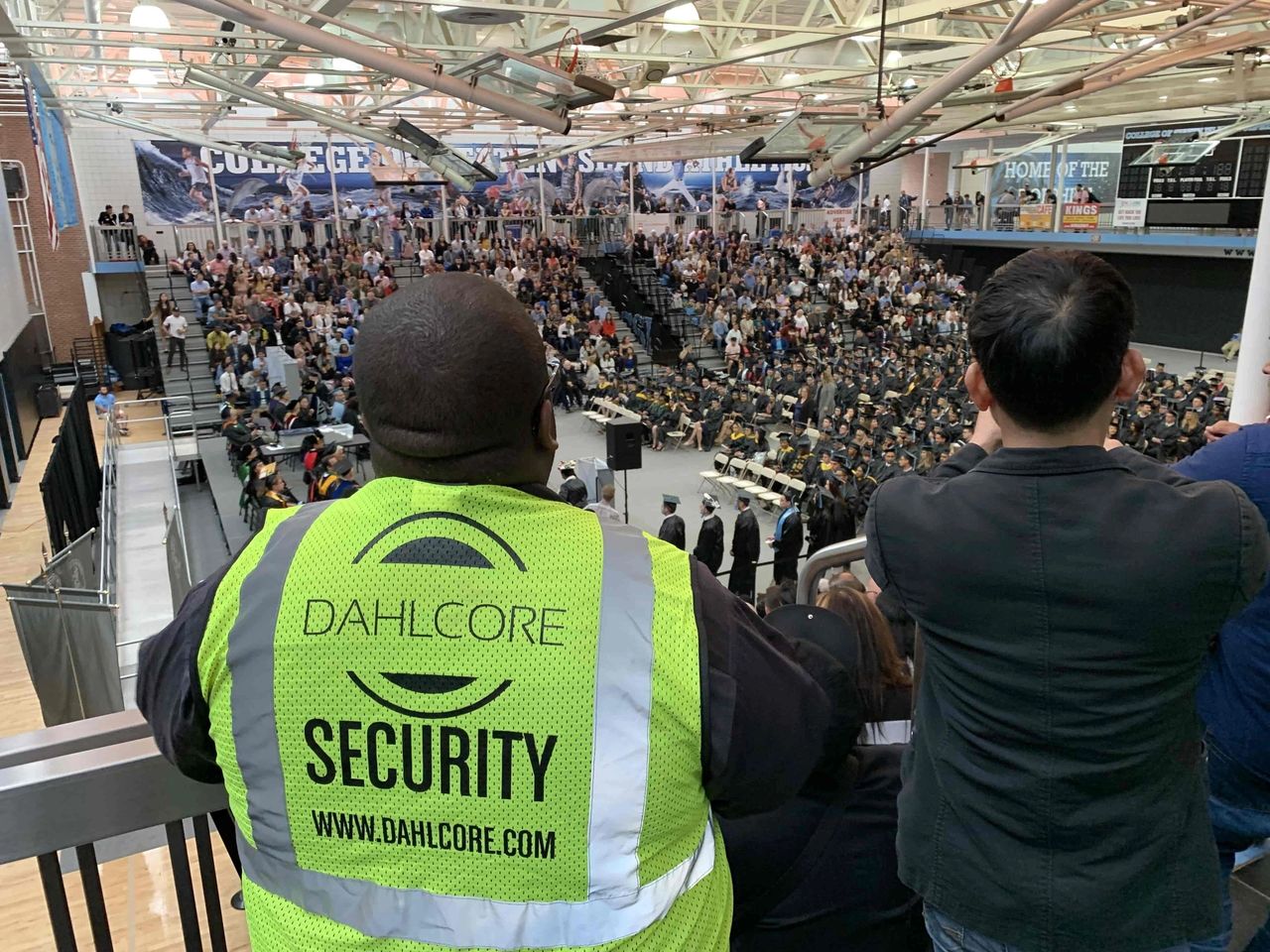
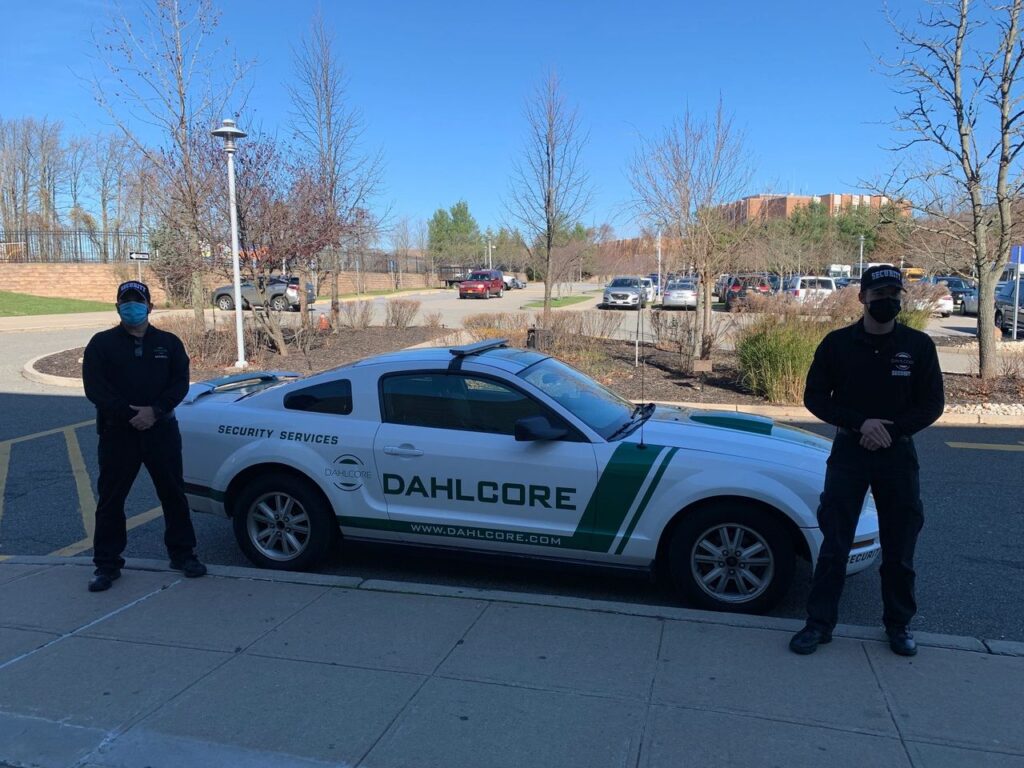
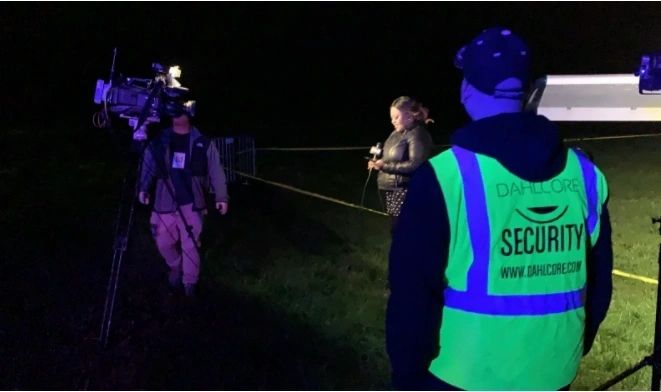
Hiring trained security guards introduces a crucial human element into the store’s security framework, significantly bolstering its overall defense capabilities. These guards not only serve as a visible deterrent to potential threats but also possess the expertise to respond promptly and effectively to security incidents, ensuring a safer environment for both customers and staff. Their presence not only enhances surveillance but also provides a proactive approach to mitigating risks and maintaining order within the premises.
Store Layout Design
Strategic store layout design, such as minimizing blind spots and ensuring clear sightlines, plays a crucial role in preventing criminal activities by enhancing visibility and surveillance capabilities. By optimizing the arrangement of shelves, aisles, and security features, retailers can create a safer environment that discourages theft and other illicit behaviors. This approach not only enhances the safety and security of both customers and staff but also contributes to a more efficient and pleasant shopping experience.
Secure Display Cases
Utilizing secure display cases for high-value items significantly decreases the likelihood of theft by restricting unauthorized access. Additionally, these cases offer protection against accidental damage, preserving the item’s condition. This dual benefit ensures both security and longevity for valuable possessions.
Cybersecurity in Retail
Protecting Customer Data
Implementing robust cybersecurity measures ensures the protection of sensitive customer information from unauthorized access and data breaches. These measures include encryption, multi-factor authentication, and regular security audits to identify and address vulnerabilities. By prioritizing cybersecurity, businesses can maintain customer trust and comply with regulatory requirements.
Securing Payment Systems
Ensuring that payment systems are secure and compliant with industry standards is crucial for protecting sensitive financial information from unauthorized access. This adherence to security protocols and regulations helps prevent data breaches and reduces the risk of fraudulent transactions. By maintaining robust security measures, businesses can safeguard their customers’ trust and financial assets.
Regular Software Updates
Regular software updates are essential to patch security holes that cybercriminals can exploit. These updates often include fixes for known vulnerabilities, reducing the risk of unauthorized access or data breaches. By keeping software up-to-date, users ensure that they benefit from the latest security features and protections against potential threats.
Employee Training and Awareness
Recognizing Suspicious Behavior
Training employees to identify and report suspicious behavior is crucial for preventing security incidents, as it empowers staff to act as the first line of defense. By recognizing potential threats early, employees can help mitigate risks before they escalate. Additionally, prompt reporting ensures that security teams can respond swiftly and effectively to any possible dangers.
Handling Security Breaches
Employees should be thoroughly trained on protocols for handling security breaches to ensure they understand the steps to take in various scenarios. This training will enable quick and effective responses, minimize potential damage, and ensure the organization’s security measures are upheld. Regular drills and updates to training programs are essential to keeping employees prepared for evolving threats.
Regular Training Programs
Continuous training keeps employees informed about the latest security practices and threats, ensuring they are up-to-date with current protocols and vulnerabilities. This proactive approach helps minimize security breaches by empowering staff to recognize and respond to potential threats effectively. Additionally, regular training fosters a culture of security awareness, making it an integral part of the organization’s operations.
Customer Engagement in Security
Reporting Suspicious Activities
Encouraging customers to report suspicious activities fosters a community-driven approach to security by empowering individuals to take an active role in safeguarding their environment. This collective vigilance can lead to quicker identification and resolution of potential threats, enhancing overall safety. Additionally, it builds a sense of shared responsibility and trust between customers and the organization, creating a more secure and supportive community.
Awareness Campaigns
Running awareness campaigns educates customers about the importance of security by providing them with valuable information on potential threats and how to recognize them. These campaigns emphasize the customer’s role in maintaining security, empowering them to take proactive measures such as using strong passwords and being cautious of phishing attempts. Additionally, increased awareness helps build a security-conscious culture, reducing the likelihood of successful attacks and enhancing overall organizational resilience.
Creating a Safe Shopping Environment
Creating a secure environment for customers fosters a sense of safety and trust, which is crucial for a positive shopping experience. When customers feel protected, they are more likely to relax and enjoy their time in the store, leading to increased satisfaction and loyalty. Additionally, a secure setting helps prevent incidents that could tarnish the brand’s reputation and drive away potential shoppers.

Using Technology for Retail Security
Smart Shelving
Smart shelving systems use sensors and RFID technology to monitor product movement in real time, allowing for quick identification of theft and the need for restocking. By tracking inventory levels automatically, these systems can alert staff to low stock and potential shrinkage incidents. This ensures shelves are always stocked and reduces the risk of theft, leading to improved store efficiency and customer satisfaction.
RFID Tags
RFID tags offer a sophisticated method for real-time tracking of products, enhancing overall security by preventing theft and ensuring accurate inventory counts. By embedding RFID tags in items, businesses can quickly locate products within a facility, thereby improving operational efficiency and reducing labor costs associated with manual inventory checks. Additionally, the data collected from RFID systems can provide valuable insights into product movement and stock levels, facilitating better decision-making and supply chain management.
Mobile Security Apps
Mobile apps allow users to monitor and manage their security systems from anywhere, providing real-time updates and alerts. This capability offers significant flexibility, enabling homeowners and business owners to respond quickly to security issues even when they are not on-site. Additionally, the convenience of mobile apps simplifies the overall user experience by integrating control of various security features into a single, accessible platform.
Collaborating with Law Enforcement
Establishing Relationships
Building strong relationships with local law enforcement is crucial for ensuring prompt support and effective communication during incidents. These relationships facilitate mutual understanding and trust, enabling law enforcement agencies to respond more efficiently to community needs. Regular interaction and collaboration foster a safer environment and enhance the overall effectiveness of law enforcement efforts.
Reporting Incidents
Prompt reporting of incidents to law enforcement is crucial as it enables swift action and thorough investigation into the matter. Timely notification allows authorities to gather evidence, interview witnesses, and pursue leads effectively, increasing the likelihood of resolving cases successfully. Additionally, early reporting helps prevent further harm or escalation of the situation, ensuring public safety and promoting community trust in law enforcement’s ability to maintain order.
Participating in Community Programs
Participating in community programs creates a sense of shared responsibility and cooperation, enhancing overall security measures for both the store and the community at large. Involving residents and businesses in these initiatives promotes a proactive stance toward safety and builds stronger community bonds. This collaborative effort not only deters potential security threats but also cultivates a supportive environment where everyone plays a role in maintaining a safe community.
Emergency Preparedness and Response Plans
Creating an Emergency Plan
Developing a comprehensive emergency plan is crucial for ensuring that a store can effectively respond to a variety of unexpected situations. Such planning not only enhances the safety and well-being of employees and customers but also minimizes potential damage to property and assets. By outlining clear protocols and training staff accordingly, businesses can maintain operational continuity and resilience in the face of emergencies.
Regular Drills
Regular drills enable staff to become well-acquainted with emergency protocols, ensuring a swift and coordinated response. This preparation minimizes confusion and panic, enhancing overall safety during real emergencies. Ultimately, frequent practice instills confidence and improves the effectiveness of emergency procedures.
Post-Incident Analysis
Examining incidents post-occurrence allows for a thorough understanding of vulnerabilities and weaknesses in current security protocols. This analysis can uncover patterns or specific threats that may have been previously overlooked. Consequently, these insights can guide the enhancement of future security measures, making them more robust and effective.
Evaluating and Updating Security Measures
Regular Security Audits
Conducting periodic security audits helps in identifying potential vulnerabilities within a system, allowing organizations to address weaknesses before they can be exploited. These audits also highlight areas for improvement, ensuring that security measures remain up-to-date and effective. Regular assessments foster a proactive security posture, reducing the risk of breaches and enhancing overall system resilience.
Adapting to New Threats
Keeping up with emerging threats and trends is crucial for maintaining the efficacy of security measures. It allows for the timely adaptation and enhancement of defenses against new vulnerabilities and attack methods. Additionally, staying informed helps anticipate potential risks, enabling proactive strategies to safeguard assets and information.
Continuous Improvement
Continuous evaluation and improvement of security measures guarantee that the store remains safeguarded against potential threats. Regularly updating protocols and incorporating advanced technologies enhance overall protection. These efforts help maintain a secure environment for both customers and employees.

FAQs
What are the main security threats in retail stores?
Retail stores face various threats, including shoplifting, employee theft, fraudulent returns, and vandalism. Each of these can significantly impact a store’s profitability and reputation.
How can CCTV cameras help in enhancing security?
CCTV cameras act as a deterrent to potential thieves and provide valuable evidence in case of incidents. They also enable real-time monitoring of the store, allowing for quick response to suspicious activities.
What role does employee training play in retail security?
Employee training is crucial for recognizing suspicious behavior, handling security breaches, and ensuring that staff are aware of the latest security practices. Well-trained employees are better equipped to prevent and respond to security incidents.
Why is cybersecurity critical for retail stores?
Cybersecurity protects sensitive customer information and payment systems from breaches and fraud. With increasing digital transactions, robust cybersecurity measures are essential for maintaining customer trust and preventing financial losses.
How can customers contribute to store security?
Customers can contribute to store security by reporting suspicious activities and participating in awareness campaigns. Their vigilance helps create a safer shopping environment for everyone.
What are the benefits of collaborating with law enforcement?
Collaborating with law enforcement ensures quick support during security incidents, effective communication, and participation in community security programs. This collaboration enhances overall store security and fosters a safer community.
Conclusion
Enhancing retail store security is an ongoing process that requires a comprehensive approach. By integrating advanced technologies, training employees, engaging customers, and collaborating with law enforcement, retailers can create a secure and welcoming environment. These strategies not only protect assets and reduce financial losses but also ensure the safety and satisfaction of customers and employees.
Check other blogs
Strategies for Loss Prevention with Professional Guard Services
Effective Communication Strategies for Construction Site Guards
Difference Between a Security Agent and a Security Guard
Video Surveillance Monitoring : Guide to to AI-Powered Security
