


In the dynamic world of hospitality, the fusion of security and customer service plays a pivotal role in shaping guest experiences. Hotels, being the epitomes of service excellence, constantly seek ways to integrate these two crucial aspects seamlessly. This comprehensive guide delves into the art of blending security measures with top-notch customer service, transforming it into an invisible yet powerful presence in hotels.
Integrating Security with Customer Service in Hotels
The concept of integrating security with customer service in hotels isn’t just about installing cameras or training staff; it’s about creating an environment where guests feel both pampered and protected. This unique blend requires a strategic approach, where security measures are implemented in a manner that complements the hotel’s commitment to guest service.
The Role of Technology in Enhancing Hotel Security
Technology has revolutionized the hospitality industry by significantly enhancing security measures. Through the implementation of cutting-edge solutions such as biometric access control and AI-powered surveillance systems, hotels have managed to create a safer environment for guests without compromising their overall experience, ensuring peace of mind and comfort during their stay.
Staff Training: A Dual Focus on Service and Vigilance
Incorporating comprehensive staff training that encompasses both hospitality skills and security awareness is essential for successfully integrating security with customer service. This dual training approach ensures that employees are not only capable of providing excellent customer service but also equipped to identify and effectively respond to potential security threats. Balancing these competencies allows staff to maintain a friendly and inviting atmosphere while proactively safeguarding the well-being of both customers and the business.
Balancing Guest Privacy with Security Measures
Ensuring guest privacy is a complex task for hotels. They must strike a delicate balance between implementing robust security measures and preserving the tranquil and confidential atmosphere that guests expect. This entails discreetly integrating security systems such as key card access, surveillance cameras, and secure data management protocols to safeguard guests’ personal information and maintain their sense of privacy and comfort during their stay.
Emergency Response Protocols: Preparedness and Guest Assurance
Effective emergency response protocols are crucial for ensuring the safety and well-being of both staff and guests in various situations. These protocols should encompass clear and concise procedures that prioritize rapid and coordinated actions by trained personnel while also incorporating communication strategies to keep guests well-informed and reassured, ultimately fostering a sense of security during critical moments.

Design Considerations: Secure Yet Inviting Spaces
The physical design of a hotel is crucial for enhancing security measures while simultaneously providing an inviting and comfortable atmosphere for guests. Strategic layout planning can incorporate elements such as well-lit pathways, controlled access points, and surveillance cameras in discreet locations, all of which deter potential security threats and create a sense of safety. Additionally, thoughtful design choices like open and welcoming common areas, aesthetically pleasing landscaping, and easy navigation can contribute to a positive guest experience, ensuring that security enhancements do not compromise the overall comfort and ambiance of the hotel.
Crisis Management: Handling Situations with Finesse
Crisis management skills are of paramount importance in any organization, as they equip staff with the ability to effectively navigate and respond to a wide range of situations, ranging from minor incidents to full-scale emergencies. Proper training not only ensures that employees can maintain professionalism and composure during crises but also enables them to make informed decisions, minimize risks, and mitigate potential damage to the organization’s reputation and operations.
Regular Security Audits: Staying Ahead of Risks
Regular security audits are essential for a hotel’s overall safety and risk management. By conducting thorough audits that encompass all aspects of the hotel’s operations, such as physical security, access control, cybersecurity, and staff training, the hotel can proactively identify potential vulnerabilities and risks, allowing it to implement adequate preventive measures and maintain a secure environment for guests and employees.
Guest Education: Empowering Guests for Their Own Safety
Educating guests about safety measures and practices is a paramount aspect of ensuring a secure and enjoyable experience. By employing discreet yet informative communication methods, such as strategically placed signage or in-room brochures, establishments can empower their guests with the knowledge and confidence to actively participate in their safety, ultimately fostering a sense of trust and well-being during their stay.
Collaboration with Local Law Enforcement and Security Experts
Collaborating closely with local law enforcement agencies and security experts allows hotels to tap into a wealth of knowledge and experience in dealing with various security threats and challenges. This partnership not only helps hotels stay informed about the latest security trends and practices but also provides them with valuable insights and guidance on implementing adequate security measures, ultimately enhancing safety and peace of mind for both guests and staff.
Feedback and Continuous Improvement
Collecting feedback from both guests and staff is essential for the ongoing improvement of security and service strategies within any organization. This valuable input allows businesses to identify areas that need enhancement, whether it be in terms of safety measures or customer service standards, and enables them to adapt and evolve to meet the changing needs and expectations of their stakeholders. By actively seeking and utilizing this feedback, organizations can foster a culture of continuous improvement, ensuring that their security and service strategies remain effective and aligned with their objectives.
Creating a Culture of Security Awareness and Hospitality Excellence
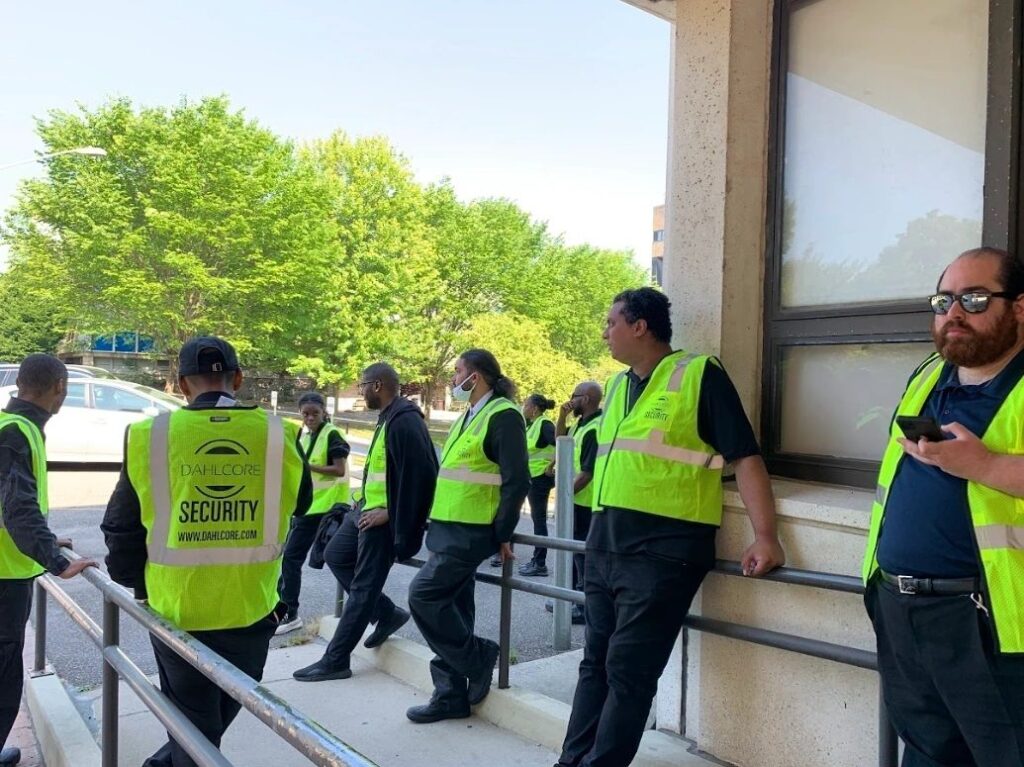
Creating a culture that prioritizes both security awareness and hospitality excellence is essential for a hotel’s success. This means not only implementing robust security measures but also ensuring that every staff member, from the front desk to housekeeping, understands the importance of guest safety and comfort, making it an integral part of their daily routines and decision-making processes.
Security Measures in Hotels
Physical Security
Hotels prioritize physical security to ensure the safety and well-being of their guests and staff. Here are some key measures:
Surveillance Cameras:
- Installation of CCTV cameras in common areas, hallways, and parking lots.
- Regular maintenance and monitoring of cameras to detect suspicious activities.
- Use of high-resolution cameras for clear image capture.
Access Control Systems:
- Electronic critical card systems to control access to guest rooms and sensitive areas.
- Biometric authentication for staff access to restricted areas.
- Regular audits of access logs to identify unauthorized entries.
Security Personnel:
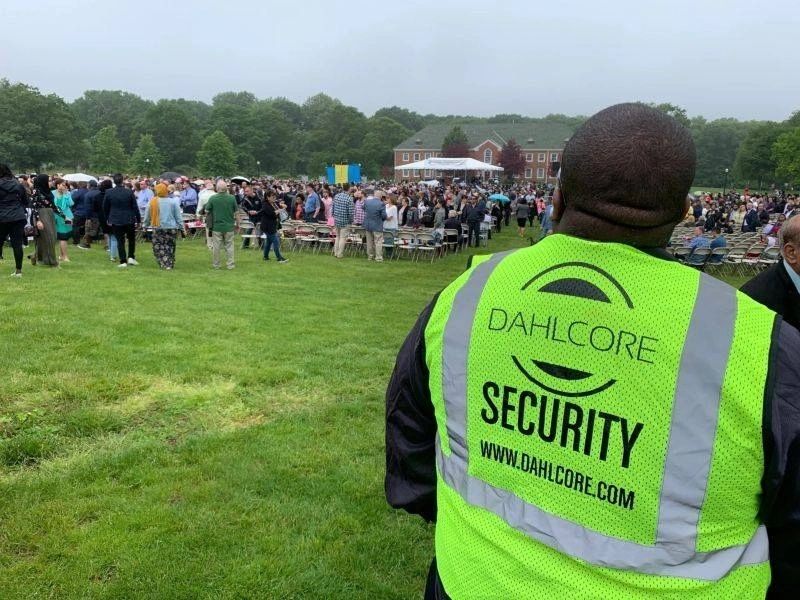
- Employing trained security personnel, such as guards and door staff.
- Conducting background checks and providing security training.
- Maintaining a visible presence to deter potential threats.
Cybersecurity
In today’s digital age, hotels must also focus on cybersecurity to protect guest data and online reservations:
Protecting Guest Data:
- Encryption of guest information stored in databases.
- Compliance with data protection regulations (e.g., GDPR, CCPA).
- Employee training on handling guest data responsibly.
Securing Online Reservations:
- Secure Socket Layer (SSL) certificates for the hotel website.
- Multi-factor authentication for staff with access to reservation systems.
- Regular security audits and vulnerability assessments.
Preventing Data Breaches:
- Implementation of robust firewalls and intrusion detection systems.
- Regular software updates and patch management to address vulnerabilities.
- Incident response plans in case of a data breach, including notifying affected guests.
By combining physical security measures with robust cybersecurity practices, hotels can create a safe and secure environment for their guests while safeguarding their sensitive information. These measures not only protect the reputation of the hotel but also ensure the privacy and trust of their valued guests.
FAQs
How can technology enhance security in hotels without compromising guest experience?
Technology, when used wisely, can provide robust security measures that are non-intrusive. For instance, advanced surveillance systems can monitor premises discreetly, and biometric access controls offer seamless yet secure entry to guests.
What is the importance of staff training in integrating security with customer service?
Staff training is crucial as it equips employees with the skills to detect and respond to security threats effectively, all while maintaining a high standard of customer service.
How do hotels balance guest privacy with necessary security measures?
Balancing privacy with security involves implementing measures that are effective yet discreet. This includes using technology that respects guests’ privacy and training staff to be vigilant yet respectful of guests’ personal space.
What role does hotel design play in ensuring security?
The design of a hotel can significantly enhance its security. Strategic layout and design elements can provide natural surveillance and barriers to potential security threats, all while creating an inviting atmosphere.
How can guests contribute to their safety in hotels?
Guests can contribute to their safety by being aware of the hotel’s safety protocols, using the security features provided, and being vigilant about their surroundings.
What are the benefits of collaborating with local law enforcement in hotel security?
Collaborating with local law enforcement provides hotels with valuable insights into local security challenges and access to expert advice, enhancing the overall security framework of the hotel.
Conclusion
Integrating security with customer service in hotels is a delicate yet essential task. It requires a multifaceted approach that encompasses technology, staff training, design, and continuous improvement. By achieving this integration, hotels can offer their guests an experience that is not only memorable but also secure.
Check other blogs
Security Guards as Frontline Defenders Against Hospital Theft
Secure Your Super Yacht: Essential Safety Measures
7 Essential Strategies for Enhancing Construction Site Security
10 Powerful Must-Know Tips for Concert Security in New York
